



Fatal rail incidents spur changes
The deaths of two WMATA track inspectors cause agency to make procedural changes.

In the wake of a Nov. 21 incident in which a passenger died after getting caught in the doors of a train, the Federal Railroad Administration (FRA) has issued a safety advisory recommending that rail operators review their boarding and alighting procedures.
The fatality occurred in Bradley Beach, N.J., as a New Jersey Transit passenger was alighting from a train and got caught in the doors. The man was dragged by the train and died from his injuries.
The accident is being investigated by the FRA and state and local agencies. Cause and contributing factors have not been established.
The FRA said the electric doors on the passenger car are supposed to sense an obstruction when closing and automatically reopen. If the door does not close properly, the engineer should not be able to draw power to move the train.
But the FRA added that this safety feature can be overridden by a bypass switch in the locomotive or control car. The switch is normally sealed until used; however, the FRA is aware of instances on various railroads when this type of seal has been improperly applied, allowing the switch to be operated without breaking the seal. The FRA said this could result in the unintentional use or intentional misuse of the bypass switch.
The FRA recommended that passenger rail operators govern the override of safety systems, such as the bypass of an electrically powered door safety device, including each crew member’s role in assessing whether to override the device. It also recommended that rail operators have a crew member observe the boarding and alighting of passengers to ensure that the train is safe to depart a station.
Meanwhile, the deaths of two rail inspectors at the Washington Metropolitan Area Transit Authority (WMATA) also spurred concerns, leading to announced measures to protect employees.
One measure will limit the hours that track inspectors work on the rail line from 10 a.m. to 3 p.m., while fewer trains are on the track.
Another measure requires track inspectors to call the operations center to alert officials when they will be at a rail station so trains can be slowed to no faster than 20 mph when they get within 600 feet of the workers. The trains will not pass until they receive a signal from the track inspectors and will not resume their normal speeds until passing the location where the track inspectors are working.
Additionally, flagmen will be positioned at the specific work site to let train operators know personnel are in the area. Track inspectors can also request to have a section of track closed until the inspection is complete.
“These are initial steps coming out of our investigation,” said Jack Requa, WMATA’s acting general manager. “We have worked very closely with the National Transportation Safety Board since Nov. 30 to develop stronger safeguards, and if we come up with additional ways to enhance safety, we will do so.”
More Rail

Scenes from APTA TRANSform & EXPO 2026
Transit leaders, manufacturers, and industry professionals gathered in Chicago to explore new technologies, share ideas, and discuss the future of public transportation.
Read More →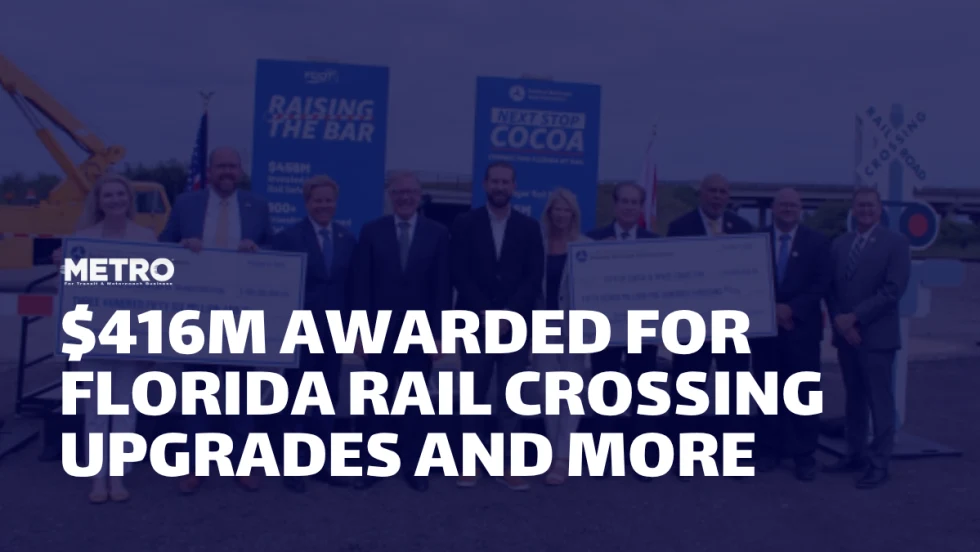
USDOT Awards $416 Million for Florida Rail Crossing Safety Upgrades, New Brightline Station
The projects aim to reduce risks for motorists and pedestrians at rail crossings while expanding passenger rail access along Florida’s Space Coast.
Read More →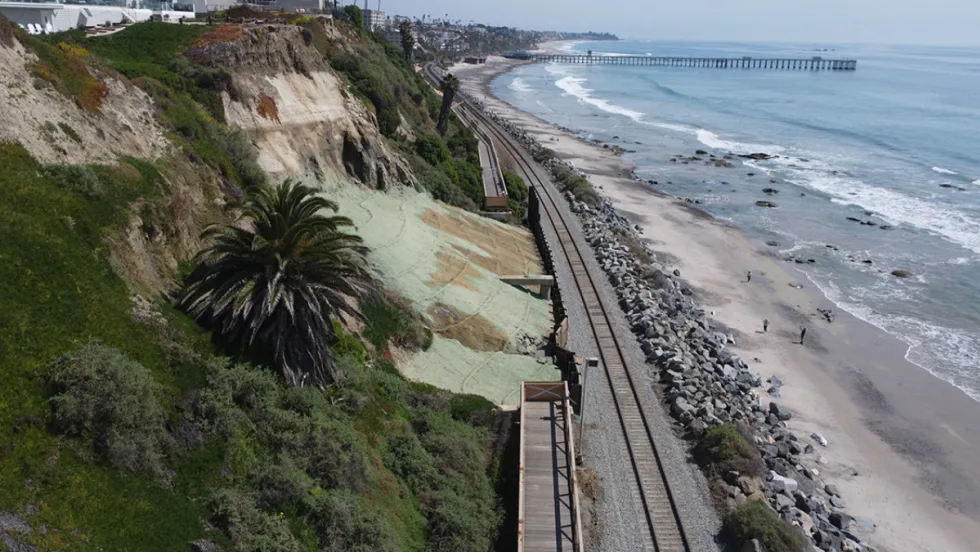
OCTA Declares Emergency to Protect Rail Corridor From Coastal Erosion
The California agency is accelerating shoreline protection and plans to place approximately 690,000 cubic yards of sand along the San Clemente coast to protect a key passenger and freight rail link.
Read More →
More Than a Summer Job: Building the Next Generation of Transit Talent
The Delaware River Port Authority and PATCO have transformed their internship program into a hands-on professional development experience that introduces students to the breadth of transportation careers — and creates a pipeline for future employees.
Read More →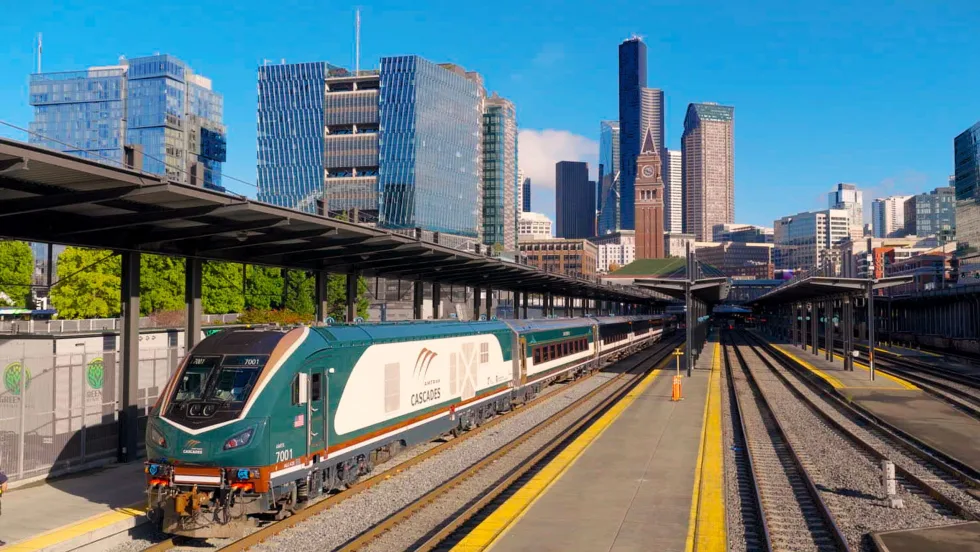
Airo Trains Make Their Amtrak Cascades Debut in the Pacific Northwest
Effective immediately, two cutting-edge Airo trainsets will join the Amtrak Cascades route, operating four daily trips between Vancouver, B.C., Seattle, Portland, and Eugene, Oregon, marking the first introduction of Airo trains into passenger service anywhere in the country.
Read More →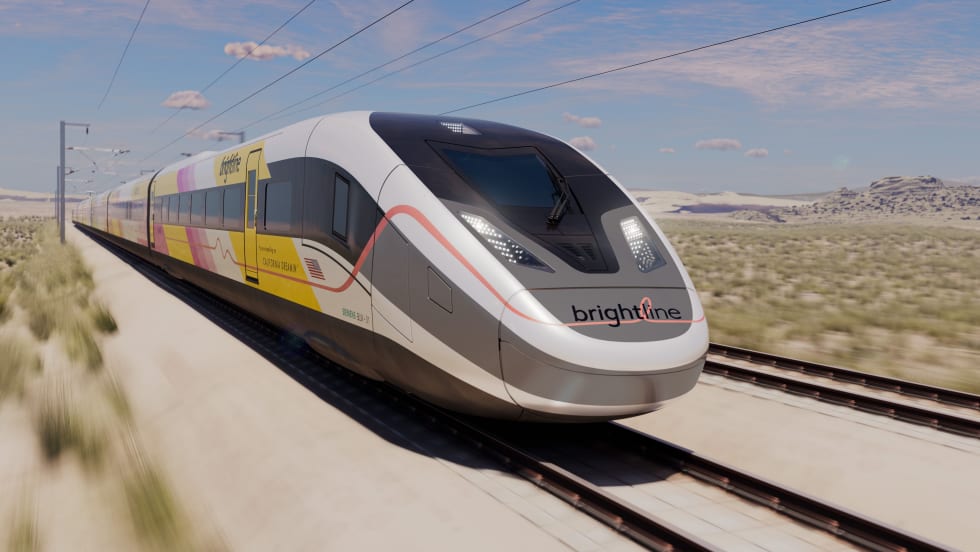
Florida's Brightline Announces Financial Restructuring
Brightline Florida says train operations will continue as normal as certain parent entities enter Chapter 11 and financial stakeholders provide $490 million in new long-term capital.
Read More →
ENC Lands MATA Contract and More in Biz Briefs
In this edition of Biz Briefs, we spotlight the latest developments shaping the future of mobility.
Read More →
Strada360’s Steve Lassey on Turning Transit Data Into Better Decisions
From breaking down data silos to preparing for AI, Strada360 CEO Steve Lassey discusses how transit agencies can use technology to improve operations, customer information, and long-term decision-making.
Read More →
SEPTA Details Accelerate Vision for Transit System
The plan outlines investments in trolley modernization, new Metro and Regional Rail vehicles, accessible stations, and more frequent bus and rail service.
Read More →
FTA Ends Direct Oversight of MBTA Safety Actions
The federal agency closed its remaining special directive to the Massachusetts Department of Public Utilities following a safety review that began in 2022.
Read More →