



Finding star performers is almost as hard as keeping them
It’s been said innumerable times, probably because it’s true: Your organization is only as strong as its individual members.
It’s been said innumerable times, probably because it’s true: Your organization is only as strong as its individual members. For transit agencies — small, large and in-between — this statement underpins a growing challenge: finding and keeping employees of the highest caliber. Competing for highly talented prospects, whether they’re loaded with experience or fresh out of college, is especially difficult for transit agencies for two reasons: one, private industry typically can pay higher wages, and two, working in public transit doesn’t have much cachet. Not much sex appeal As Assistant Editor Janna Starcic points out in her feature story “Unlocking the Door to Finding, Keeping Talented Transit Staff," it’s a rare individual who decides early in life that he or she wants to work in public transportation. That’s not to say, however, that the people who work in the transit industry are any less committed to their jobs and careers as, say, firefighters or physicians, two occupations often embraced early in life. But let’s face it, there are large numbers of people who work for transit agencies who had no intention of mapping routes or procuring buses or analyzing ridership data. Like many people, they didn’t know what they wanted to do for a living and answered a classified ad with no knowledge of the field. Many of these employees turn out to be great additions to the staff, but wouldn’t it be nice to have a larger pool of transit specialists to draw from? That’s why it’s so critical that public transportation providers underscore recruitment on their list of key objectives. Working with local colleges and universities to promote public transportation as a challenging and rewarding field is one way to burnish the industry’s image. Internships can be an effective recruitment device because they expose college students to the day-to-day workings of a transit agency. Those who enjoy the experience will be encouraged to seek a career in public transportation; those who find it unsatisfying will not waste a transit agency’s time or their own time seeking a place in the field after graduation. Sometimes your best new hire is an old hire. Recruiting inside the organization for an open position is one of the best ways to fill a vacancy. It also encourages employees to broaden their education, whether it’s a night class at a local community college or a master’s program at the university. Hang on to your stars Recruiting future stars is one part of the equation; the other part is retaining your best, brightest and most experienced employees. Often we take these staff members for granted, especially if they are self-motivated and require minimal supervision. Don’t fall into that trap. It’s just as important to praise your star performers as it is your underperformers. In a recent speech at a Women’s Transportation Seminar in Washington, D.C., Federal Transit Administrator Jenna Dorn discussed the importance of workforce development and cited an inspiring presentation given by Treasury Secretary Paul O’Neill. During his pep talk, O’Neill said everyone at a great organization responds positively and unequivocally to these three statements:
I am treated with dignity and respect every day.
I am given the tools I need to make a contribution that gives meaning to my life.
Someone noticed. Often, we fool ourselves into thinking that we provide all of the aforementioned essentials to our staff members. This illusion can lead to the loss of some of our best employees. And the transit industry can ill afford the loss of star performers. There’s too much to be accomplished, and, as budgets tighten with shortfalls in revenue, we’ll need the most talented and committed people to maintain high levels of service. We need to take time to notice.
More Management

Bus Tech Talk: Keeping Transit Technicians Ahead of the Technology Curve
In this episode of Bus Tech Talk, Complete Coach Works’ Business Development Manager Mark Hollenbeck and METRO’s Executive Editor Alex Roman sit down with Obed Mejia, Senior Technical Trainer for Bus Maintenance, at LA Metro to discuss how rapidly evolving bus technology is changing the maintenance shop — and the skills technicians need to keep pace.
Read More →
Michael Schneider Joins Paslay Group to Expand Transportation Practice
The longtime transportation executive will help Paslay Group grow its advisory and program management work across transit, highway, and other infrastructure sectors.
Read More →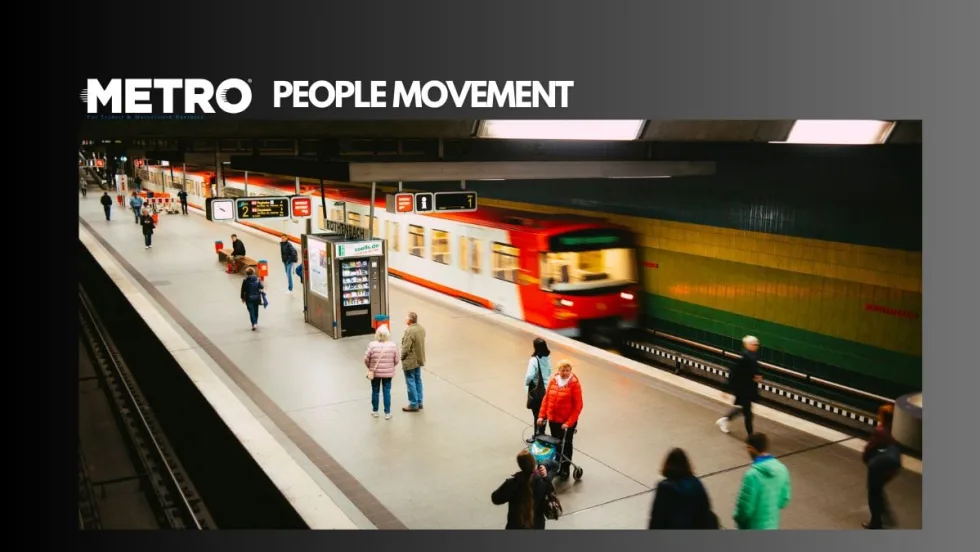
People Movement: Connectpoint Expands Leadership Team, Stadler Names New Group CEO, and More
In this edition, we also spotlight recent personnel moves at Burns, UZURV, and more, highlighting the people taking on new roles across the transportation industry.
Read More →
More Than a Summer Job: Building the Next Generation of Transit Talent
The Delaware River Port Authority and PATCO have transformed their internship program into a hands-on professional development experience that introduces students to the breadth of transportation careers — and creates a pipeline for future employees.
Read More →
LA Metro Board Awards 220 Battery-Electric Bus Contract to ENC
The contract, which is the largest base award of battery-electric buses by a U.S. transit agency, will be built in Southern California, sustaining good jobs as LA prepares to welcome the world in 2028
Read More →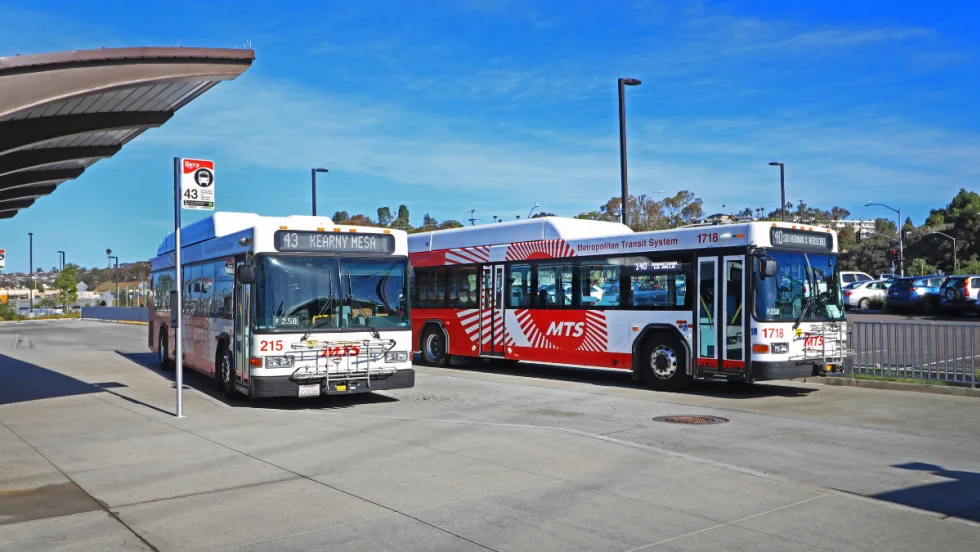
What’s Behind San Diego MTS’s Award-Winning Transit Strategy
Named one of APTA’s 2026 Outstanding Public Transportation Systems with 50 million or more annual passenger trips, California’s San Diego Metropolitan Transit System points to gains in ridership, safety, technology, and reliability as foundations of its success.
Read More →
Public Transit Conference Returning to GFX in 2027, Call for Papers Now Open
The Call for Papers is now open, allowing transit agency professionals and industry experts to help shape the PTC educational program by submitting session ideas for consideration.
Read More →
Indian River Transit’s Community-Focused Approach Earns National Recognition
Named APTA’s 2026 Outstanding Public Transportation System in its size category, Florida’s Indian River County transit system continues to grow ridership through fare-free service and a focus on evolving community needs.
Read More →
ENC Lands MATA Contract and More in Biz Briefs
In this edition of Biz Briefs, we spotlight the latest developments shaping the future of mobility.
Read More →From Surviving to Thriving: Building Stronger Transportation Organizations
Bus Business Consultants founder Brian Dickson shares lessons on leadership, organizational health, and creating options for long-term success in a changing transportation industry.
Read More →