



Handling the fear factor
Transit agencies have their work cut out for them in making riders comfortable after terrorist scares.
After the terrorist attacks of Sept. 11, 2001, many people refused to fly. Which is a natural reaction given that hijacked airliners plunged like fireballs into New York skyscrapers and U.S. military headquarters in Washington, D.C.
Many of these wary travelers eventually returned to the air, however, realizing that the risks of flight are only negligibly increased by the threat of terrorism. Now, nearly four years since the 9/11 attacks, the comfort level — if not the convenience — has returned to air travel.
In the wake of the terrorist bombings in Britain in July, the same can’t be said for people who use the London subway system called the Underground.
The irony is that it wasn’t the first attack, which killed 56 people and injured hundreds more on July 7, that dissuaded Londoners from using the Underground; it was the second attack, on July 21, one that failed to do any significant damage.
Second salvo frays nerves
Although defiant about not letting the terrorists scare them away from the Underground, some Londoners admitted after the second attack that they would use overground trains or buses instead of the subway.
“I wouldn’t go in the Underground with my two children. I would fear too much for their safety,” one person told the media.
What will calm their fears is a long-term cessation of attacks — and the knowledge that police and transit officials are finding ways to prevent further attacks.
Across the pond, Americans have been waiting and preparing for the sequel to the attacks of 9/11. We’ve bolstered security at airports and made it tougher for terrorists to attack us from the air. The response of the terrorists, as seen in London and Madrid, has been to stay on the ground.
The question facing U.S. transit systems, especially those in major cities, is how to tighten security against the likes of suicide bombers.
Let’s face it, it’s mighty difficult to stop people who are willing to blow themselves up from doing so. We can probably keep them off planes but not buses or trains. That’s not to say we’re helpless. There are actions we can take to reduce the chances of a successful terrorist attack.
First, we need to put more security personnel on patrol at rail stations, on subway systems and on our buses. Not only will their presence deter would-be bombers, but, in the event of a successful attack, they would be available to coordinate emergency response.
Of course, additional personnel requires extra funding. We need to keep prodding the Department of Homeland Security (DHS) to provide more direct funding for transit security. Billions of dollars have been spent to enhance airline security, but the DHS has allocated only $250 million for transit.
Deputize your customers
In line with adding more security personnel, we need to deputize the millions of people who ride our buses and trains every day. Second to uniformed officers, our customers are our best line of defense. Although they’re not trained in law enforcement, they recognize when something’s not right.
To that end, many transit systems are promoting stronger customer awareness of suspicious behavior or packages. This is exactly the right response to the London attacks. If there is a bomb-toting terrorist on a train or a bus, it will likely be the passengers who prevent an explosion, by immediately reporting their concerns and letting security personnel handle the rest.
That said, no one can guarantee that a bomber will not succeed in his mission. That’s why it’s so important — now more than ever — that transit agencies work closely with emergency response agencies and conduct disaster response drills.
More Management

ENC Lands MATA Contract and More in Biz Briefs
In this edition of Biz Briefs, we spotlight the latest developments shaping the future of mobility.
Read More →
From Surviving to Thriving: Building Stronger Transportation Organizations
Bus Business Consultants founder Brian Dickson shares lessons on leadership, organizational health, and creating options for long-term success in a changing transportation industry.
Read More →
Everett Transit, Community Transit Outline Consolidation Agreement
The proposed agreement calls for a 50% increase in bus service in Everett, a new microtransit zone, continued paratransit service, and the transfer of Everett Transit operations to Community Transit.
Read More →

Strada360’s Steve Lassey on Turning Transit Data Into Better Decisions
From breaking down data silos to preparing for AI, Strada360 CEO Steve Lassey discusses how transit agencies can use technology to improve operations, customer information, and long-term decision-making.
Read More →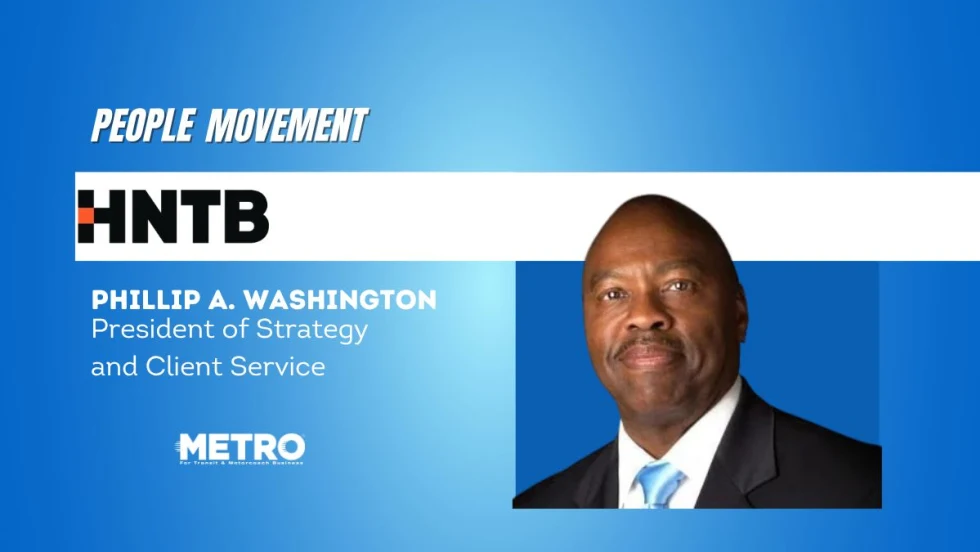
People Movement: Phil Washington Joins HNTB, Denver RTD Launches CEO Search, and More
In this edition, we also spotlight recent personnel moves at STV, the Eno Center for Transportation, and more, highlighting the people taking on new roles across the transportation industry.
Read More →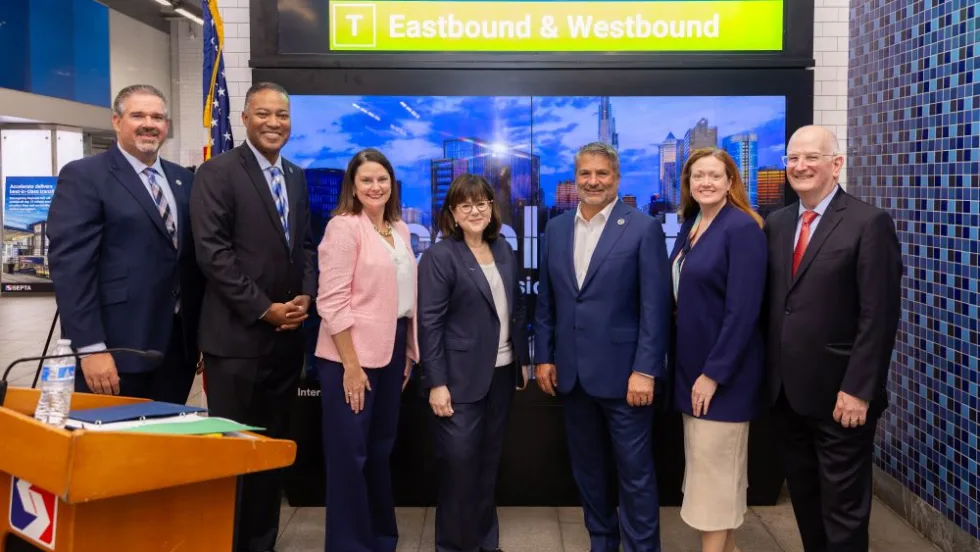
SEPTA Details Accelerate Vision for Transit System
The plan outlines investments in trolley modernization, new Metro and Regional Rail vehicles, accessible stations, and more frequent bus and rail service.
Read More →
FTA Ends Direct Oversight of MBTA Safety Actions
The federal agency closed its remaining special directive to the Massachusetts Department of Public Utilities following a safety review that began in 2022.
Read More →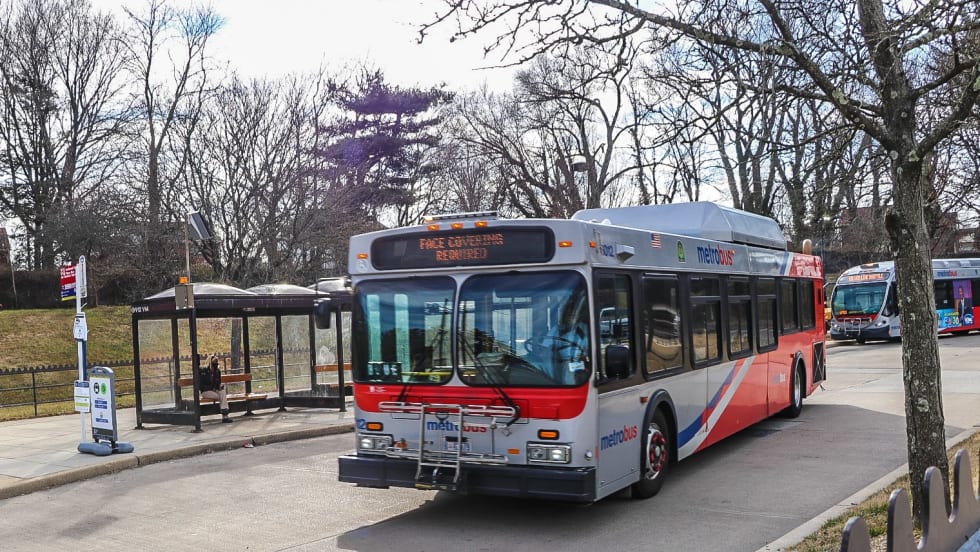
Report: Transit Bus Manufacturing Supports 34,100 Jobs, $5.1B in GDP
The “Buses Mean Business” report examines the transit bus manufacturing industry’s economic footprint, supply chain, and rising demand for vehicle replacements.
Read More →
LIT Marks 10-Year Milestone at Annual Summit
Hosted by the COTA from September 10 to 13, the Summit carried the theme “Celebrating 10 Years of Excellence, Leadership, and Impact,” with every part of the program honoring the people, agencies, and partners who built LIT over its first decade.
Read More →
People Movement: Dan Dipert Coaches Adds Third-Generation Leader, Keolis Names New Valley Metro VP/GM, and More
In this edition, we also cover recent appointments and announcements at the Wabtec, SilverRide, HNTB, and more, showcasing the individuals helping to shape the future of transportation.
Read More →