



Has ADA turned transit properties into social service agencies?
Like a Shakespearean tragedy, the passenger transportation industry has not recognized that someone switched the foundation that so many entities were built upon.
In the same week I learned of Los Angeles Access Service Inc.’s (ASI) Award of Excellence given by the American Public Transportation Association (APTA), I also learned of another award to ASI. That award was the filing of a lawsuit by the American Civil Liberties Union, Western Law Center and Protection and Advocacy on behalf of a number of ASI riders. That seeming incongruity is not as misaligned as it appears at face value, given the history of transit and the change underway since the Americans with Disabilities Act (ADA) was signed into law. The most incredible aspect of this dichotomy is it may not be a dichotomy at all. Like a Shakespearean tragedy, the passenger transportation industry has not recognized that someone switched the foundation that so many entities were built upon. Since ADA was legislated and began to take hold in the early ’90s, transit in America changed. ADA changed transit at its foundation and converted its most traditional role as logistical problem solver to quasi-social service entity. The largest social service entities I know of today are also our largest transit agencies. In the days before ADA, transit was largely a logistical concern. Transit’s chief concern has historically been moving a lot of people a lot of places. The typical conversation vernacular at any transit conference would include phrases such as, “How many passengers per hour?” “How many pieces of equipment do you run at peak?” “What’s your farebox return?” Transit took no names, made no calls, tied no one down and made no accommodations. Transit pulled up, took everyone’s money and kept going. Transit worked on buses that could do the job quicker and easier, last longer and pack them in. That was transit. Transit gets personal But, this is 2001. This is ADA. The largest transit agencies are now in charge of making decisions about people — people with disabilities. They now take names and numbers and determine who can ride and who can’t. They now have case files. They have an appeals process. They have databases. They have relationships. Transit now keeps track of individuals, their health status and their functioning levels. Some transit agencies even try to monitor weather conditions, smog levels and daily moods of passengers. Now ADA has teeth. The first judgements are starting to roll in. Some execs are scratching their heads, not sure where to go. Elaborate service delivery systems were built and complicated algorithms concocted to determine fare prices for “comparable” trips. Strict guidelines were developed. Two-tiered service systems were deployed. Terms like “economic disincentive,” “client shedding” and “self certification” were tossed around. All the strategies, plans, service modules, certification processes and implementations are warranted. They are needed and need to be applied. The problem lies not in the implementation, but in the mindset of implementation. It is the mindset of the entity, the culture of the agency, the identity of the organization itself that is the problem. It is locked away in the mirror of self-image. The image of, “We are XYZ Transit, we have buses, we move a lot of people around in this town and we do it better than the other towns. And that makes us great.” By contrast, social service is historically concerned with people, assisting persons with resources or helping individuals attain resources. Transit agencies present an interesting dichotomy of first identifying their eligible riders and providing their one resource: transportation. It is this mindset’s foundation where the path to success is predetermined. Currently, however, the courts are determining the interpretation of success in ADA paratransit. For example, Senior U.S. District Judge Lowell A. Reed Jr. ruled that the Southeastern Pennsylvania Transportation Authority violated ADA law for leaving a high number of disabled riders unserved (Liberty Resources Inc. vs. SEPTA, PIC No. 01-0024). As trouble continues to grow in such places as St. Louis, Central Ohio, Philadelphia, Virginia, Los Angeles and who knows where next, transit agencies’ first reaction is to point to the numbers. Unfortunately, the numbers, as a growing list of cases illustrates, will provide little protection. Carrasco is the transportation coordinator for the City of Burbank, Calif., and also sits on the board of directors of the California Association for Coordinated Transportation.
More Management

Bus Tech Talk: Keeping Transit Technicians Ahead of the Technology Curve
In this episode of Bus Tech Talk, Complete Coach Works’ Business Development Manager Mark Hollenbeck and METRO’s Executive Editor Alex Roman sit down with Obed Mejia, Senior Technical Trainer for Bus Maintenance, at LA Metro to discuss how rapidly evolving bus technology is changing the maintenance shop — and the skills technicians need to keep pace.
Read More →
Michael Schneider Joins Paslay Group to Expand Transportation Practice
The longtime transportation executive will help Paslay Group grow its advisory and program management work across transit, highway, and other infrastructure sectors.
Read More →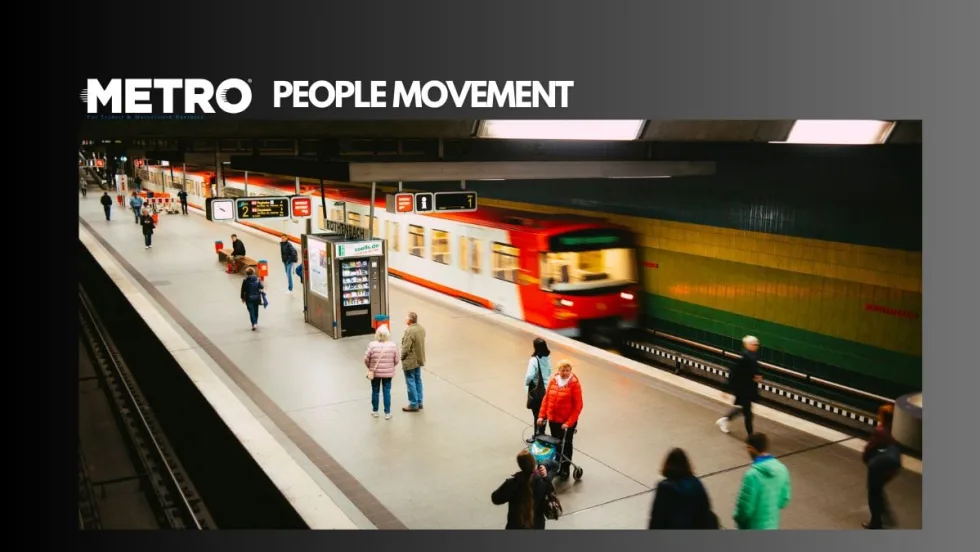
People Movement: Connectpoint Expands Leadership Team, Stadler Names New Group CEO, and More
In this edition, we also spotlight recent personnel moves at Burns, UZURV, and more, highlighting the people taking on new roles across the transportation industry.
Read More →
More Than a Summer Job: Building the Next Generation of Transit Talent
The Delaware River Port Authority and PATCO have transformed their internship program into a hands-on professional development experience that introduces students to the breadth of transportation careers — and creates a pipeline for future employees.
Read More →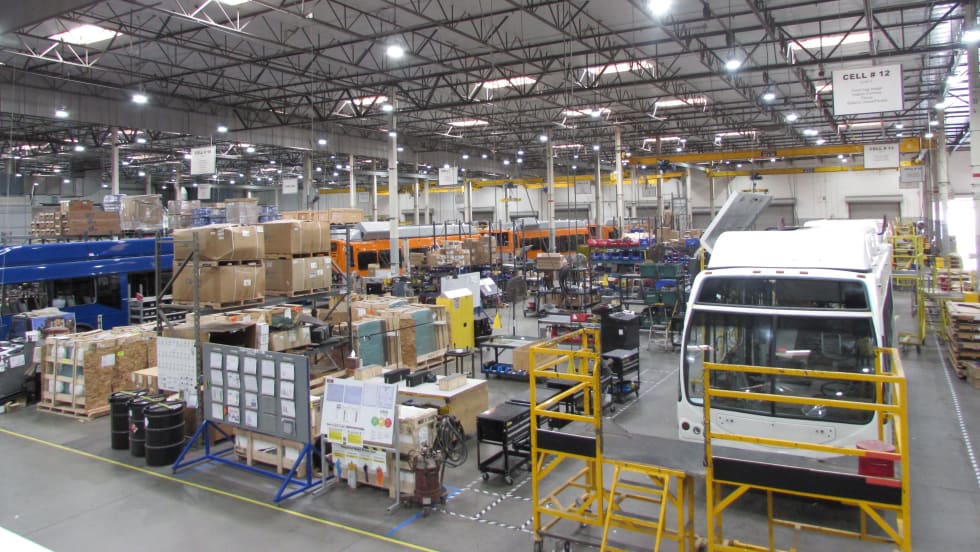
LA Metro Board Awards 220 Battery-Electric Bus Contract to ENC
The contract, which is the largest base award of battery-electric buses by a U.S. transit agency, will be built in Southern California, sustaining good jobs as LA prepares to welcome the world in 2028
Read More →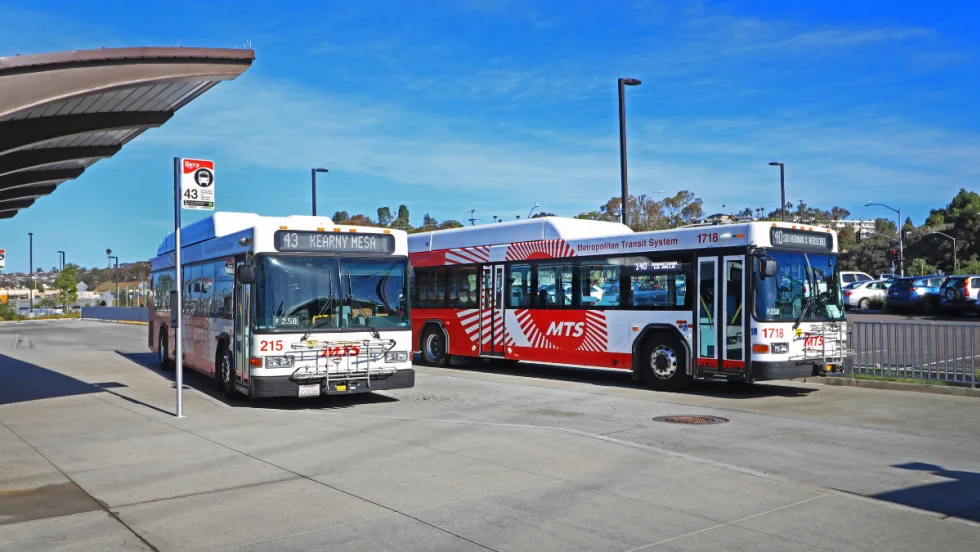
What’s Behind San Diego MTS’s Award-Winning Transit Strategy
Named one of APTA’s 2026 Outstanding Public Transportation Systems with 50 million or more annual passenger trips, California’s San Diego Metropolitan Transit System points to gains in ridership, safety, technology, and reliability as foundations of its success.
Read More →
Public Transit Conference Returning to GFX in 2027, Call for Papers Now Open
The Call for Papers is now open, allowing transit agency professionals and industry experts to help shape the PTC educational program by submitting session ideas for consideration.
Read More →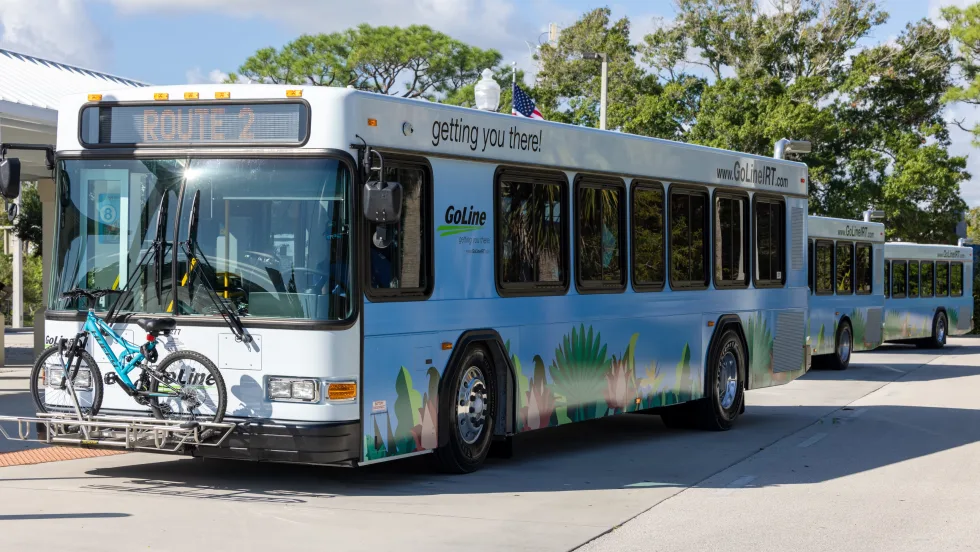
Indian River Transit’s Community-Focused Approach Earns National Recognition
Named APTA’s 2026 Outstanding Public Transportation System in its size category, Florida’s Indian River County transit system continues to grow ridership through fare-free service and a focus on evolving community needs.
Read More →
ENC Lands MATA Contract and More in Biz Briefs
In this edition of Biz Briefs, we spotlight the latest developments shaping the future of mobility.
Read More →From Surviving to Thriving: Building Stronger Transportation Organizations
Bus Business Consultants founder Brian Dickson shares lessons on leadership, organizational health, and creating options for long-term success in a changing transportation industry.
Read More →