



High gear for tour and charter?
The business climate in the private bus industry is looking positive.
As we head into the winter of 2005, the state of the motorcoach industry is brightening even as the weather grows cooler.
Last year wasn’t bad either. According to our annual survey of the top 50 largest motorcoach operators in North America (see pg. 26), business was better last year than in 2003. More than 90% of the respondents said so, reporting an average revenue increase of nearly 9%.
This is great news for an industry that’s been battered by fuel price hikes, insurance rate increases, costly worker’s comp adjustments and scary communicable diseases such as SARS and the West Nile virus — not to mention the still-lingering, but receding, reluctance of Americans and foreign citizens to travel.
What’s most important is that we’re moving in the right direction. The business climate is positive; baby boomers are settling into retirement, with more time on their hands for travel; and the political uncertainty of the past year has resolved itself.
Build momentum now
The need to build a head of steam as we head into the spring travel season is particularly important because of the potential gains.
“There’s more opportunity out there than ever before,” Peter Pantuso, president/CEO of the American Bus Association, told a group of bus industry leaders at a METRO-sponsored breakfast at the 2004 BusCon conference and trade show in Chicago.
Vic Parra, president/CEO of the United Motorcoach Association, echoed Pantuso’s optimism, saying that demand is growing, but he cautioned that motorcoach operators need to continue to deliver a “high-quality experience.”
Parra also recommended that motorcoach operators seek out opportunities to diversify their revenue base. “This has become more critical than ever,” he said. Contract work is a nice cushion when you’re talking about a $400,000 investment for a single vehicle, Parra said.
Brian Crow, president of the Ontario Motor Coach Association, believes the Canadian tour and charter industry is also on the fast track. “We’ve gone through some tough times, but the business is coming back,” he said.
Security is still critical
Now is the time to ramp up for greater demand, keeping in mind that security is still a top concern. According to the Top 50 survey, motorcoach operators are addressing this concern. The most prevalent action taken by tour and charter operators is the enhancement of training of drivers and other personnel. More than three-quarters of respondents mentioned training as a security upgrade.
And nearly half (46.5%) said they have upgraded their equipment to bolster the security of their passengers. In some cases, this enhancement has involved a significant investment, such as the addition of GPS units for vehicle tracking and emergency response.
Another upgrade is the use of handheld electronic inspection units. These devices require the driver to make a security sweep of the coach during the pre-trip inspection.
These investments are crucial to building a sense of safety and security for prospective customers still queasy about potential terrorism. Let’s face it, buses in other countries are targets of terrorist assaults. But North American buses have an enviable record, and we need to keep it that way.
Finally, I’ve been hearing a lot about the age-old problem of cut-rate operators and how they’re hurting the industry. You need to stop blaming these bottom-feeders and start educating your customers on the important differences between your operation and theirs. Sometimes price is the deciding factor, but exemplary service and top-drawer equipment are great equalizers.
More Management
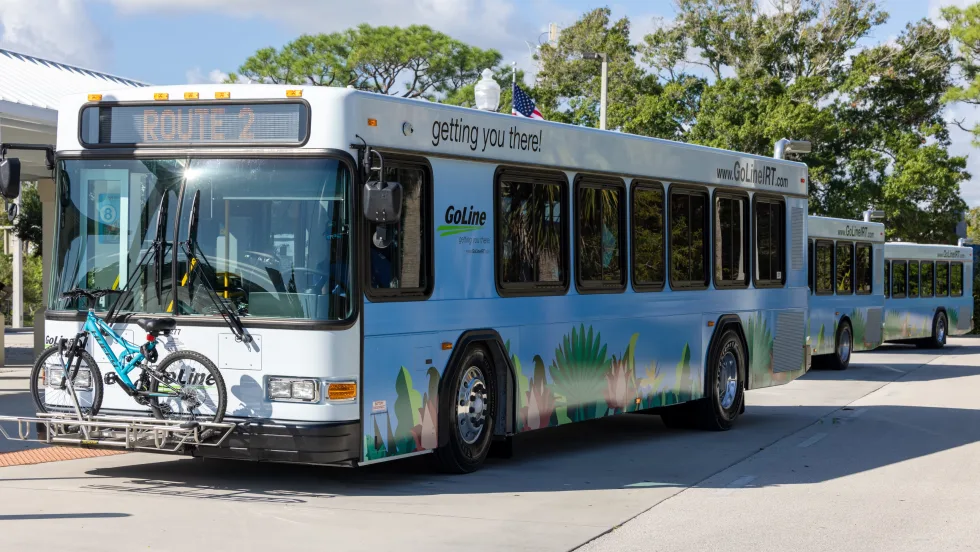
Indian River Transit’s Community-Focused Approach Earns National Recognition
Named APTA’s 2026 Outstanding Public Transportation System in its size category, Florida’s Indian River County transit system continues to grow ridership through fare-free service and a focus on evolving community needs.
Read More →
ENC Lands MATA Contract and More in Biz Briefs
In this edition of Biz Briefs, we spotlight the latest developments shaping the future of mobility.
Read More →
From Surviving to Thriving: Building Stronger Transportation Organizations
Bus Business Consultants founder Brian Dickson shares lessons on leadership, organizational health, and creating options for long-term success in a changing transportation industry.
Read More →

Everett Transit, Community Transit Outline Consolidation Agreement
The proposed agreement calls for a 50% increase in bus service in Everett, a new microtransit zone, continued paratransit service, and the transfer of Everett Transit operations to Community Transit.
Read More →
Strada360’s Steve Lassey on Turning Transit Data Into Better Decisions
From breaking down data silos to preparing for AI, Strada360 CEO Steve Lassey discusses how transit agencies can use technology to improve operations, customer information, and long-term decision-making.
Read More →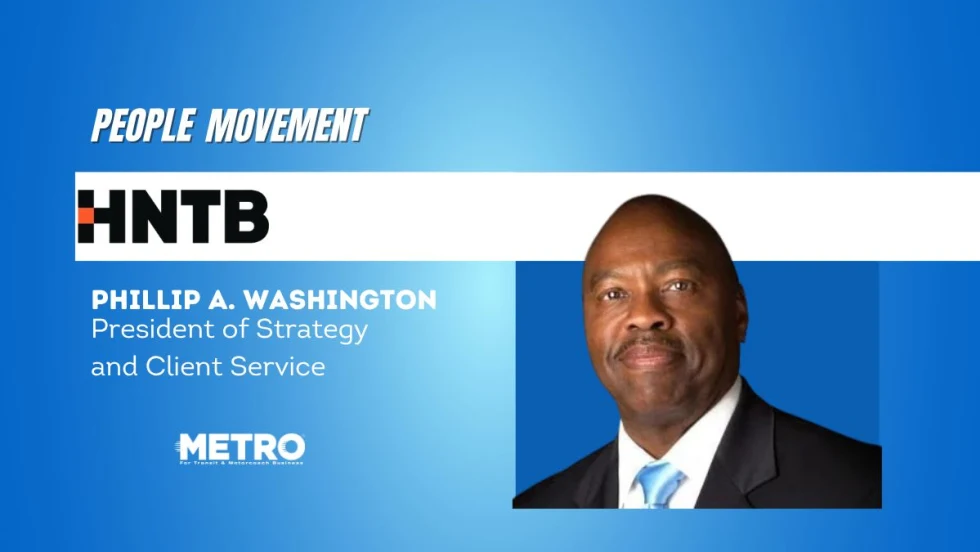
People Movement: Phil Washington Joins HNTB, Denver RTD Launches CEO Search, and More
In this edition, we also spotlight recent personnel moves at STV, the Eno Center for Transportation, and more, highlighting the people taking on new roles across the transportation industry.
Read More →
SEPTA Details Accelerate Vision for Transit System
The plan outlines investments in trolley modernization, new Metro and Regional Rail vehicles, accessible stations, and more frequent bus and rail service.
Read More →
FTA Ends Direct Oversight of MBTA Safety Actions
The federal agency closed its remaining special directive to the Massachusetts Department of Public Utilities following a safety review that began in 2022.
Read More →
Report: Transit Bus Manufacturing Supports 34,100 Jobs, $5.1B in GDP
The “Buses Mean Business” report examines the transit bus manufacturing industry’s economic footprint, supply chain, and rising demand for vehicle replacements.
Read More →
LIT Marks 10-Year Milestone at Annual Summit
Hosted by the COTA from September 10 to 13, the Summit carried the theme “Celebrating 10 Years of Excellence, Leadership, and Impact,” with every part of the program honoring the people, agencies, and partners who built LIT over its first decade.
Read More →