



How VaporVision™ Adds Value to Transit Door Systems
Wabtec engineers explain how the system improves doorway detection, strengthens diagnostics and gives transit agencies and OEMs greater operating flexibility.
Webtec
- VaporVision™ enhances doorway detection capabilities in transit door systems.
- The system improves diagnostics, facilitating better maintenance and operation.
- Greater operational flexibility is provided to transit agencies and OEMs through this technology.
*Summarized by AI
Start With the Transit Problem, Not the AI
After 55 years in engineering, Karl Kobel has seen transit technology evolve from conventional electromechanical controls to connected systems capable of interpreting their surroundings.
Kobel, an electrical and software engineer who leads the VaporVision team at Wabtec, said what began as a job opportunity has “blossomed into a very exciting career.”
Jim Ferro was drawn to Wabtec Bus Solutions by the technology itself. As a control manager and manager of the software team overseeing VaporVision, Ferro helped guide the work that moved the system from development into production.
Their experience points to an important principle for agencies and original equipment manufacturers evaluating artificial intelligence: begin with the operational problem. At a bus doorway, that means protecting passengers, supporting easier ingress and egress, limiting unnecessary dwell time and giving maintenance teams better information when something goes wrong.
A Wider View Changes the Detection Strategy
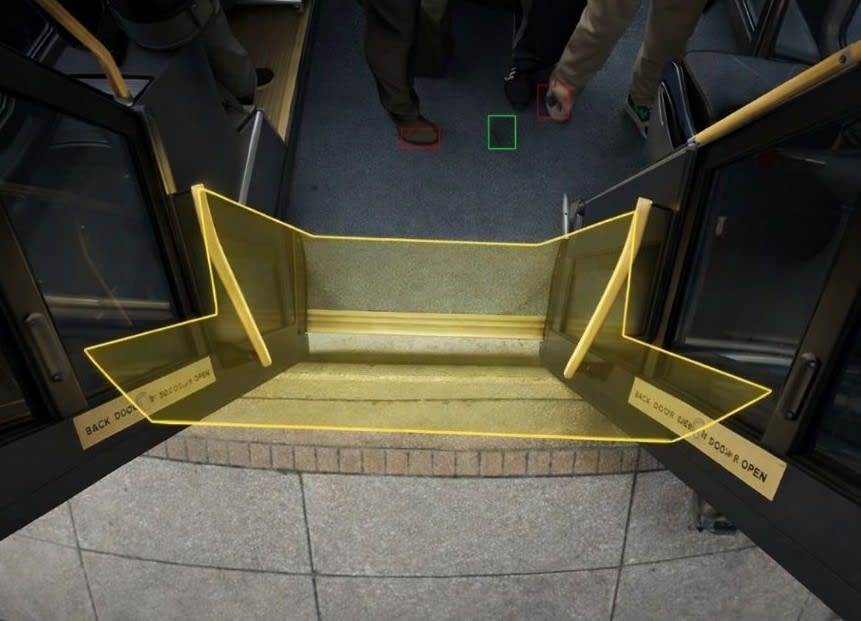
Ferro describes VaporVision as “an integral part of the door control system” that helps passengers enter and exit safely while adapting to variations in passenger movement. A centrally mounted camera provides 180-degree coverage across the door portal, replacing the narrower detection areas and programmed dead zones common with older sensing approaches.
The system’s deep-learning model is trained to recognize relevant passenger features. Those classifications are applied differently as the door opens, remains open or closes, allowing the controls to respond appropriately when a passenger is detected.
Rather than simply replacing a sensor with a camera, VaporVision evaluates the full doorway in context. Configurable detection zones adjust with each door state, helping reduce unnecessary door closures while a passenger is still present. For OEMs, those configurable zones and integrated communications simplify adaptation to different vehicle layouts and operating requirements while reducing the number of sensing components maintenance teams must support.
Door Data Should Help Explain What Happened
The Wabtec team also sees diagnostics as a core requirement, not an add-on. VaporVision logs in every input, output, door-state change, object detection and reported error. Configurable video recording captures approximately four seconds before and after a selected event, giving technicians a visual record to compare with the system data.
That combination proved useful shortly after a beta installation. A reported door malfunction prompted the team to review the video and logs. The evidence showed that sensitive door edges, were retriggering the door. The data helped isolate the root cause and direct attention to the correct component.
For fleet teams, this is where connected technology can create practical value. Intermittent faults are often difficult to reproduce in a maintenance facility. Event history and video can show what the system detected, how the door responded, and which other inputs were active at the time.
Connectivity and Flexibility Matter in the Field
VaporVision uses CAN to communicate with the existing bus network. Ethernet connections support setup, monitoring and integration with an onboard network, while Wi-Fi can allow technicians to connect without removing panels that cover the door equipment. The team identified performance monitoring, advanced diagnostics, and connections to other door equipment as the reasons this connectivity matters.
The system is smaller than most passenger detection systems and can be adapted to any OEM or retrofit installation. The system has been tested for varied weather conditions, electromagnetic susceptibility and emissions, and electrostatic discharge under applicable SAE requirements. It was also designed and tested under Wabtec cybersecurity rules aligned with industry standards.
Purpose-Built AI Requires a Clear Operating Role
Kobel and Ferro distinguish VaporVision’s deep-learning application from generative AI. The model is trained for a defined operational task: recognizing relevant passenger features in a doorway and informing the door controls. It is not generating open-ended content or making decisions outside of that role.
That distinction provides a useful framework for transit leaders. AI should be evaluated by how well it performs a defined task, integrates with the vehicle, adapts to operating conditions and provides actionable information for technicians—not by the AI label alone.
Viewed through that lens, machine vision is more than a passenger detection tool. It supports safer door operation, faster troubleshooting and more connected fleet management.
This article reflects the views of Wabtech and does not necessarily represent the views of METRO or Bobit Business Media.
Quick Answers
VaporVision™ is a system developed by Wabtec that enhances transit door systems by improving doorway detection and diagnostics, offering greater flexibility for operators and manufacturers.
*Summarized by AI
More Security and Safety
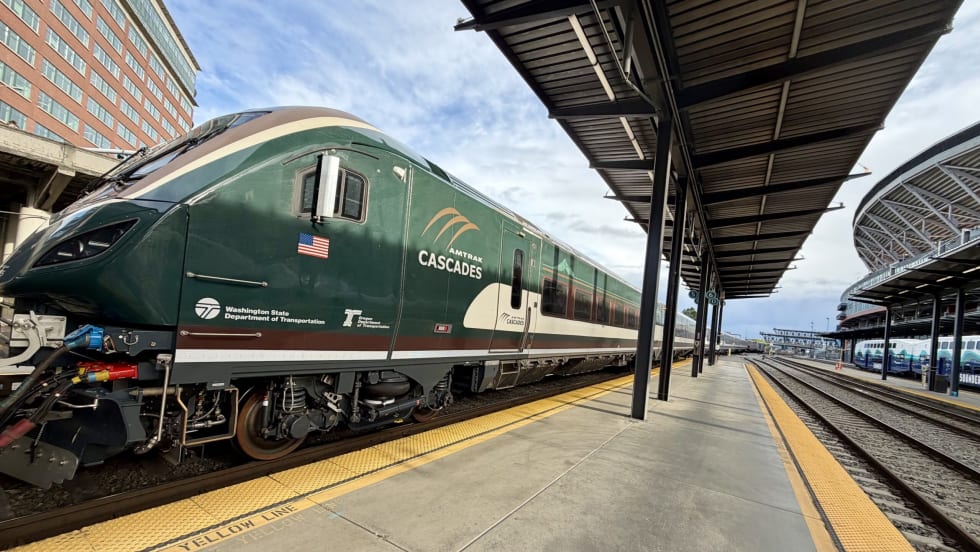
FRA Announces $5.3B in Rail Investments, Including $2B for Amtrak
Funding will support grade-crossing improvements, infrastructure upgrades, and new Amtrak equipment in 23 states.
Read More →
Chicago, Maryland Expand Non-Law-Enforcement Safety, Rider Support
The CTA and MTA are launching new programs aimed at de-escalation, crisis response, rider assistance, and greater transparency.
Read More →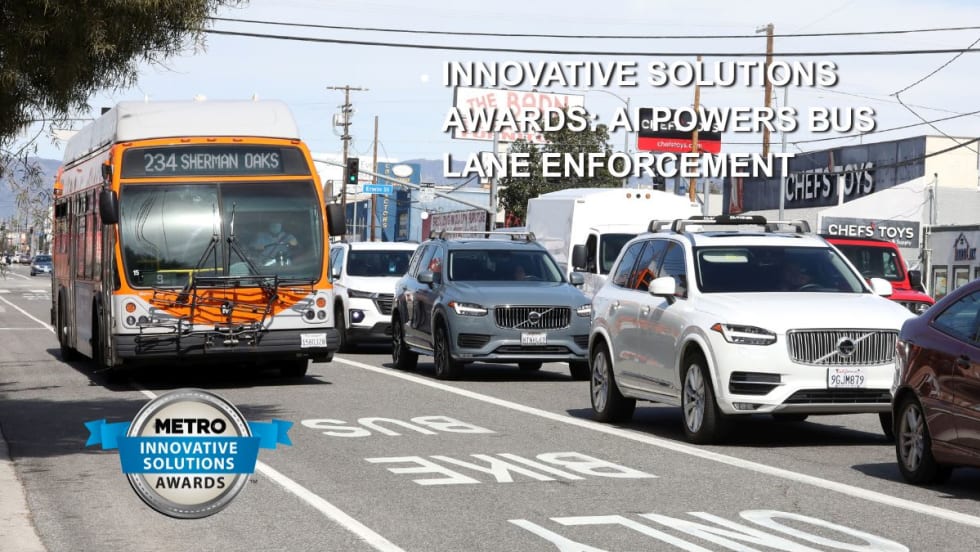
LA Metro, City of West Hollywood, and Partners Advance Smarter Bus Lane Enforcement
The award-winning partnership combines AI-powered detection with human oversight to improve bus reliability, accessibility, and enforcement efficiency.
Read More →
LA Metro Reports 57% Decline in Homelessness on Transit System Since 2024
The agency's latest homelessness count offers new data on how care-based services and cross-sector partnerships can complement traditional transit security strategies.
Read More →
FTA Launches 'Transit Moves America' Dashboard to Highlight Agency Safety and Performance
The online dashboard transforms National Transit Database information into a public-facing resource that allows users to compare transit agencies on key operational and safety metrics.
Read More →
LA Metro Marks Banner Year, Sets Ambitious Goals for New Fiscal Year
Incoming LA Metro Board Chair and Los Angeles Mayor Karen Bass joined outgoing Board Chair Fernando Dutra and LA Metro CEO Stephanie Wiggins to review accomplishments from fiscal year 2026, which included the opening of new rail extensions, advancement of major transit projects, expanded safety programs, and new rider amenities.
Read More →
Building the Next Generation of Transit Technology
In this edition of METROspectives, Luminator CEO Magnus Friberg discusses the company's transformation, the growing role of AI and software, and what's next for transit technology.
Read More →
TTC Launches Camera Pilot to Curb Illegal Passing of Streetcars
During the pilot, the cameras will measure how often illegal streetcar passing occurs and test the technology's reliability for future automated enforcement.
Read More →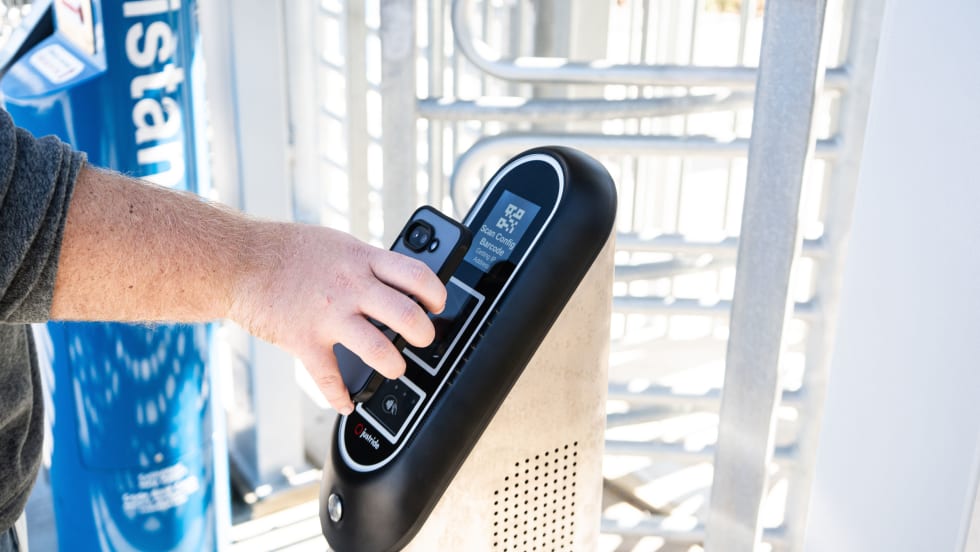
Biz Briefs: Masabi Teams with St. Louis Metro and More
In METRO's latest installment, we take a look at recent news from Transdev, Hitachi, and more partnerships making headlines across the transportation sector.
Read More →
Metra Begins Drone Pilot Project to Boost Safety and Security
The project is funded through a $620,000 grant from FEMA’s Transit Security Grant Program, which provides transit agencies with funding for projects intended to protect critical transportation infrastructure and the traveling public.
Read More →