



You'll Want to See This: Designing a Leak-Free System with Hydrogen
Hydrogen Buses: Recognizing the Power of Green Energy
Hydrogen buses offer a clean and sustainable alternative to traditional fossil fuel buses, with many benefits such as zero emissions, high efficiency, and quiet operation.
by Nikhil Kaitwade
March 24, 2023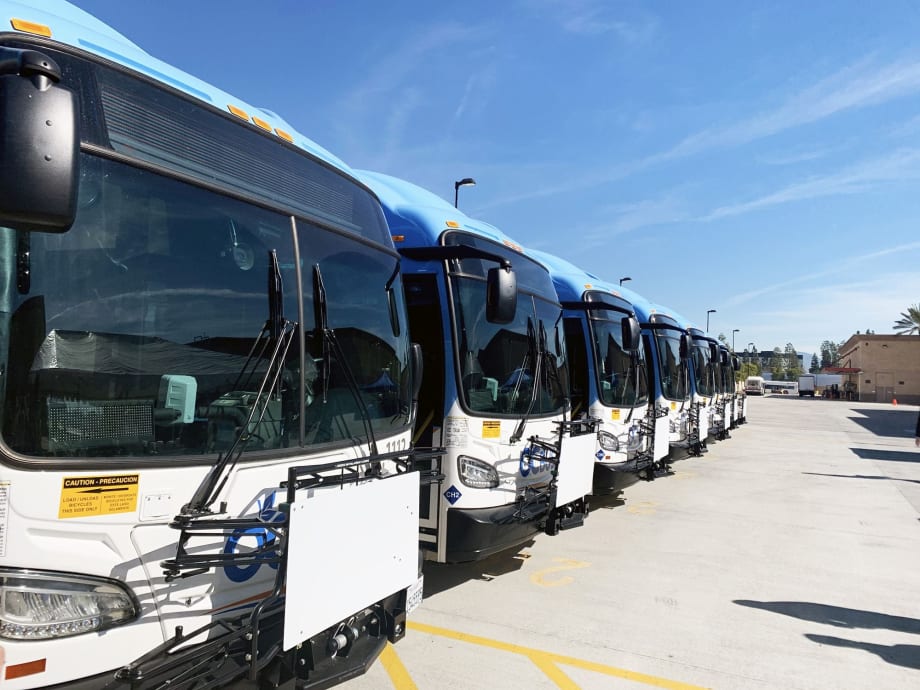
Hydrogen-powered buses are a promising technology that has been gaining attention as a potential solution to the problems of air pollution and climate change.
Photo: New Flyer
5 min to read
There has been quite a hullabaloo regarding hydrogen buses, and these have been gaining popularity in recent years as a clean and sustainable alternative to traditional fossil-fuel buses. Powered by hydrogen fuel cells, these buses emit only water vapor, making them a zero-emission option for public transportation.
According to the research conducted by Future Market Insights, the hydrogen buses market is anticipated to rise at an astronomical CAGR of 67% during the forecast period. As per market estimates, the industry is likely to be worth $1.426 billion by 2033, up from $8.45 billion in 2023.
Hydrogen buses offer a clean and sustainable alternative to traditional fossil fuel buses, with many benefits such as zero emissions, high efficiency, and quiet operation. While there are still challenges associated with their adoption, there is significant potential for their wider use in the transportation industry as technology advances and infrastructure improves. As society continues to prioritize sustainable transportation, hydrogen buses will likely play an increasingly important role in meeting our transportation needs while reducing our environmental impact.
Are Hydrogen-Fuel Cell Vehicles Environmentally Friendly?
One of the primary advantages of hydrogen buses is their zero-emissions status. Unlike traditional fossil fuel buses, which emit harmful pollutants and greenhouse gases, hydrogen buses only emit water vapor. This makes hydrogen buses an excellent solution for reducing air pollution and improving public health.
Hydrogen buses are also more efficient than traditional buses. The fuel cells used in hydrogen buses have high efficiency, which means they can convert a high percentage of the hydrogen fuel into electrical energy. This translates into more efficient use of energy and a longer range for the bus.
Moreover, hydrogen buses have a long range. These fuel cell buses can travel up to 400 miles on a single tank of hydrogen, which is significantly more than battery electric buses. This means that hydrogen buses can be used for longer routes without the need for frequent recharging.
Technological Advancements
Hydrogen-powered buses are a promising technology that has been gaining attention as a potential solution to the problems of air pollution and climate change. These buses operate using hydrogen fuel cells, which convert hydrogen gas into electricity to power an electric motor. This technology offers many advantages over traditional fossil fuel buses, including zero emissions, high efficiency, and long range.
Despite the challenges facing hydrogen buses, there is significant potential for their wider adoption in the transportation industry. Many countries and cities are investing in the development of hydrogen refueling infrastructure, which will make it easier to operate hydrogen buses on a larger scale.
In addition, advances in technology and manufacturing are reducing the cost of fuel cells and other components used in hydrogen buses, making them more cost-competitive with traditional fossil fuel buses.
Furthermore, there is growing public awareness and concern about the environmental impact of traditional fossil fuels, which is driving demand for clean and sustainable transportation solutions. As a result, the market for hydrogen buses and other alternative fuel vehicles is expected to grow significantly in the coming years.
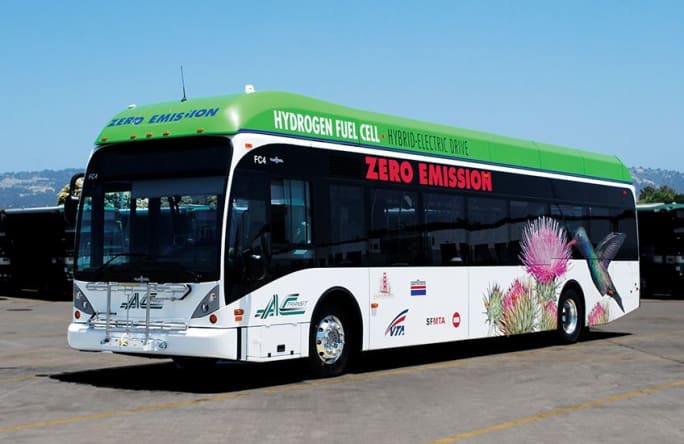
Despite the challenges facing hydrogen buses, there is significant potential for their wider adoption in the transportation industry.
Photo: AC Transit
The Current State of Adoption
Despite the challenges facing hydrogen buses, there has been significant progress in their adoption around the world. As of 2021, there were approximately 3,000 hydrogen buses in operation globally, with the majority located in Europe and Asia. In Asia, Japan has been a pioneer in hydrogen bus adoption, with the city of Tokyo operating a fleet of hydrogen buses since 2003. China has also been investing in hydrogen bus technology, with several cities, including Beijing and Foshan, operating fleets of hydrogen buses.
In August 2022, in India, the Union Minister of State for Science and Technology unveiled India's first indigenous hydrogen fuel bus in Pune, Maharashtra, developed by CSIR and KPIT Ltd. The project, according to the minister, would support Prime Minister Modi's "hydrogen vision," which aims to make India self-sufficient in order to achieve its clean energy targets and generate jobs in the industry.
The hydrogen fuel cell produces only heat and water as exhaust pollutants. It generates electricity using hydrogen and air. The reaction occurs across an electrochemical cell similar to a conventional battery cell, causing energy engines used to propel the vehicle forward.
Moreover, in December 2021, Sentient Labs, an R&D innovation lab, demonstrated a hydrogen fuel cell bus. The National Chemical Laboratory and the Council of Scientific and Industrial Research (CSIR)-CECRI have worked together to develop hydrogen fuel cell technology (Central Electrochemical Research Institute).
On the other hand, Europe has been a leader in hydrogen bus adoption, with countries such as Germany, France, and the UK operating large fleets of hydrogen buses. Moreover, in the UK, for instance, the Aberdeen Hydrogen Bus Project operates a fleet of 10 hydrogen buses that have been in service since 2014. In Germany, the Hamburg and Berlin public transportation systems have deployed fleets of hydrogen buses.
In March 2022, the fuel cell systems designer and manufacturer Loop announced that Mobility & Innovation Production s. r. o. (Slovakia), responsible for the development of composite lightweight, zero-emission city bus platforms had launched its H2Bus, an eight-meter hydrogen-electric minibus. The new bus demonstrates the viability of hydrogen fuel cell technology in transit vehicles, complete with Loop Energy eFlow technology and hydrogen storage tanks.
Furthermore, only Denmark has made the commitment to total dependence on renewable energy by 2035 and to phase out fossil fuels by 2050. In a similar vein, Sweden plans to completely rely on renewable energy sources by 2040. All new automobiles, buses, and light commercial vehicles produced after 2025 are required to be zero-emission vehicles, according to Norway's National Transport Plan.
Bottomline
The future of hydrogen buses is promising, with many new developments and initiatives underway. For instance, several countries and cities are investing in the development of hydrogen refueling infrastructure, which is essential for the widespread adoption of hydrogen buses.
Another development is the use of renewable hydrogen, which is produced using renewable energy sources such as wind and solar power. This could help to further reduce the carbon footprint of hydrogen buses and make them an even more sustainable solution for public transportation.
Moreover, hydrogen buses offer a clean and efficient alternative to traditional fossil fuel buses, with zero emissions, high efficiency, and long range. While there are still challenges facing their adoption, there has been significant progress in their use around the world, and the future of hydrogen buses looks promising. As society continues to prioritize sustainable transportation, hydrogen buses will likely play an increasingly important role in meeting our transportation needs.
Subscribe to Our Newsletter
More Zero Emissions
Ohio’s METRO RTA Turns Electric Buses into Mobile Power Sources at PorchROKR
See how three Gillig battery-electric buses powered festival stages while the agency’s new Park & Ride service carried approximately 1,000 attendees, demonstrating another potential use for transit agencies’ electric fleets.
Read More →
CALSTART and Forth Combine to Form Catalyst Mobility
The new name represents a renewed vision for the nonprofit focused on advancing clean, equitable, and affordable transportation solutions that move people and goods.
Read More →
Building a Flexible Path to Transit Electrification
John Hroncich discusses BAE Systems’ modular and scalable approach, lessons learned from decades of real-world operations, and how agencies can identify electrification strategies that fit their fleets.
Read More →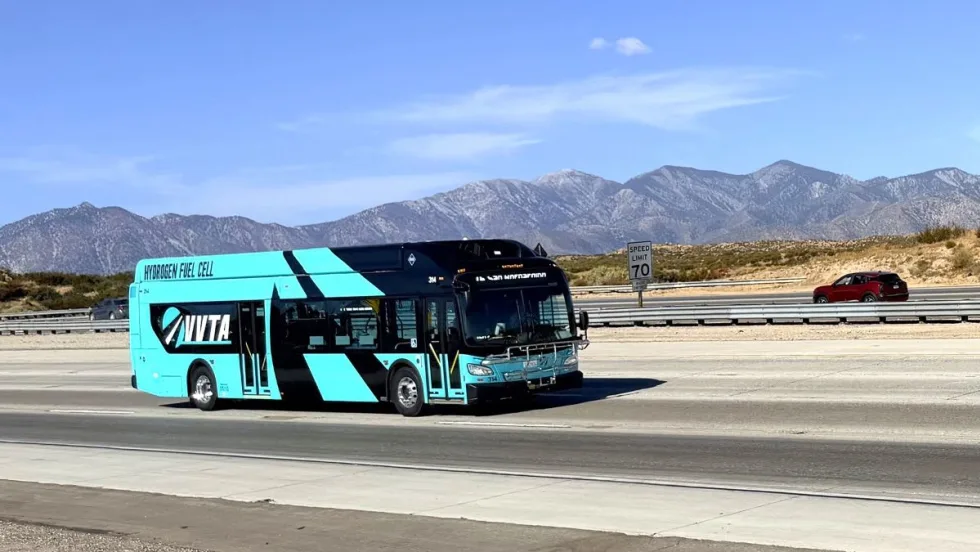
California's VVTA Begins Phased Rollout of Hydrogen Fuel Cell Buses
The agency is introducing 13 zero-emission buses into revenue service while evaluating performance across its urban, rural, and long-distance routes.
Read More →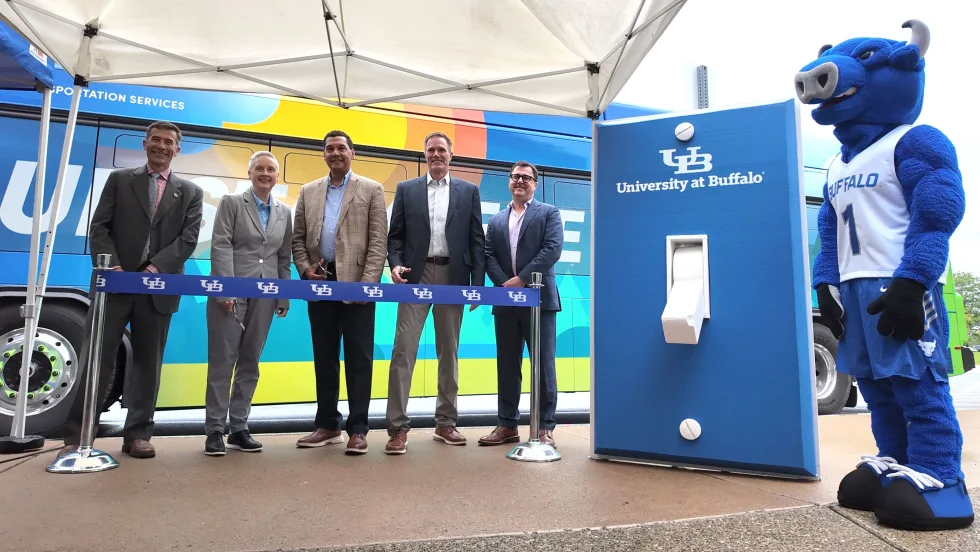
Inside Look: University at Buffalo Puts First 8 Electric Buses Into Stampede Service
UB, transportation solutions provider WeDriveU, and fleet electrification specialist Zenobē marked the deployment in the presence of students, university administrators, and local officials.
Read More →
Biz Briefs: OCTA Taps Clean Energy for Hydrogen Station, Stadler to Supply Via Rail Vehicles, and More
From manufacturers and suppliers to transit agencies and motorcoach operators, these updates offer a snapshot of the projects, partnerships and business moves driving the industry forward.
Read More →
AC Transit’s Cecil Blandon on Building the Next Generation of Transit Maintenance Leaders
The agency’s maintenance chief discusses leadership, workforce development, zero-emission technology, and preparing technicians for the future of public transportation.
Read More →
CTDOT Taps STV for Electric Bus Facility Design
The firm will work with CTDOT and RVT to define the facility layout, operational requirements, and long-term flexibility for RVT’s growing electric fleet.
Read More →
Chicago’s Pace Deploys 24 Hybrid-Electric Buses in Will County
The new buses reduce emissions and fuel consumption while advancing the agency's long-term goal of transitioning to a fully zero-emission fleet.
Read More →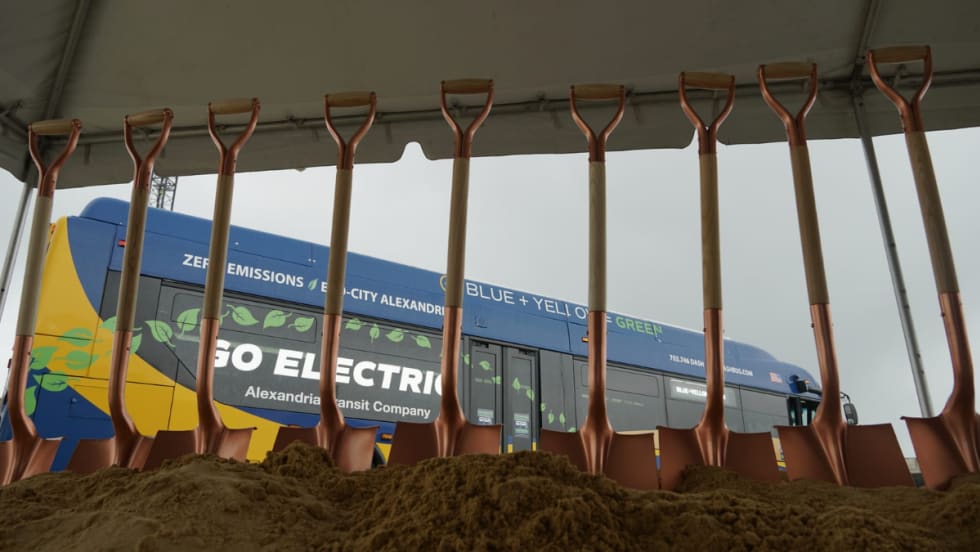
DASH Breaks Ground on First On-Route Electric Bus Chargers in D.C. Region
The fast-charging infrastructure will help extend electric bus range, improve fleet utilization, and support DASH's goal of transitioning to a fully zero-emission fleet.
Read More →