



California's VVTA Begins Phased Rollout of Hydrogen Fuel Cell Buses
The agency is introducing 13 zero-emission buses into revenue service while evaluating performance across its urban, rural, and long-distance routes.

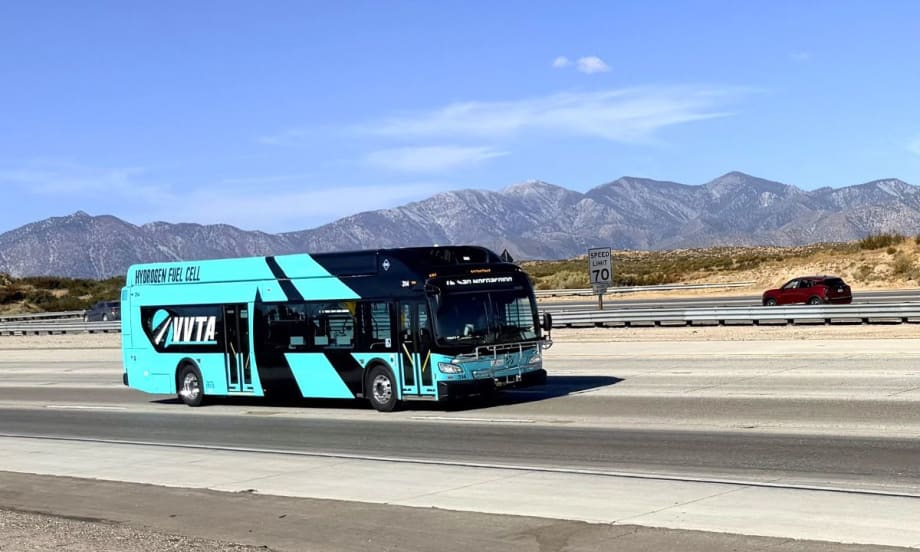
The hydrogen fuel cell buses are being deployed on routes throughout the VVTA system, including Route 15, which connects the Victor Valley Transportation Center with San Bernardino, Fontana, and California State University, San Bernardino.
VVTA
- California's VVTA has initiated a phased rollout of hydrogen fuel cell buses.
- The agency plans to introduce 13 zero-emission buses into revenue service.
- Performance will be evaluated on urban, rural, and long-distance routes.
*Summarized by AI
California’s Victor Valley Transit Authority (VVTA) has introduced its new hydrogen fuel cell electric buses, with the vehicles now carrying passengers as the agency begins a phased rollout of 13 zero-emission buses into regular revenue service.
The hydrogen fuel cell buses are being deployed on routes throughout the VVTA system, including Route 15, which connects the Victor Valley Transportation Center (VVTC) with San Bernardino, Fontana, and California State University, San Bernardino (CSUSB).
"This is an exciting moment for VVTA because our investment in hydrogen technology is no longer something we're simply planning for; it's here, and our passengers are starting to benefit from this today," said VVTA CEO Rod Goldman. "These buses represent our commitment to providing safe and reliable transportation while continuing to embrace technologies that make public transit cleaner, more efficient, and more sustainable for the areas we serve."
Phasing into Operations
VVTA officially unveiled its 13 hydrogen fuel cell electric buses during a ribbon-cutting ceremony on January 14, celebrating the arrival of the new vehicles and the infrastructure and technology needed to support their operation. The event brought together regional, state, and federal transportation leaders and representatives from industry partners including New Flyer, Ballard Power Systems, and Linde.
The buses are now moving from introduction to real-world operation.
Rather than placing all 13 buses into service simultaneously, VVTA is phasing the vehicles into daily operations. During this period, the agency said it is collecting operational data, evaluating performance under real-world conditions, and conducting additional testing as the buses operate throughout VVTA's diverse service area.
Hydrogen fuel cell technology generates electricity onboard the vehicle by combining hydrogen stored in the bus's tanks with oxygen from the air. That electricity powers the bus and charges its onboard batteries. Unlike a traditional combustion engine, the process does not burn fossil fuels and produces no harmful tailpipe emissions, only water vapor and heat.
The technology is particularly significant for VVTA because of the size and diversity of the agency's service area, said officials. The agency operates urban, rural, and long-distance commuter routes across the High Desert and beyond, requiring vehicles capable of traveling significant distances while maintaining the flexibility needed for daily transit operations.
VVTA’s Hydrogen Program
VVTA's hydrogen program builds upon the agency's previous investment in zero-emission transportation, including the introduction of battery-electric buses beginning in 2019. Incorporating hydrogen fuel cell technology provides VVTA with another zero-emission option designed to meet the demanding range and operational requirements of its expansive service area, said officials.
The hydrogen program has required years of planning and preparation, including vehicle procurement, fueling infrastructure, employee training, and coordination among VVTA staff and numerous public- and private-sector partners.
The agency announced that passengers will see an increasing number of hydrogen fuel cell buses throughout the VVTA system as the phased deployment continues.
Quick Answers
VVTA is introducing 13 zero-emission hydrogen fuel cell buses.
*Summarized by AI
More Zero Emissions
Building a Flexible Path to Transit Electrification with BAE's John Hroncich
John Hroncich discusses BAE Systems’ modular and scalable approach, lessons learned from decades of real-world operations, and how agencies can identify electrification strategies that fit their fleets.
Read More →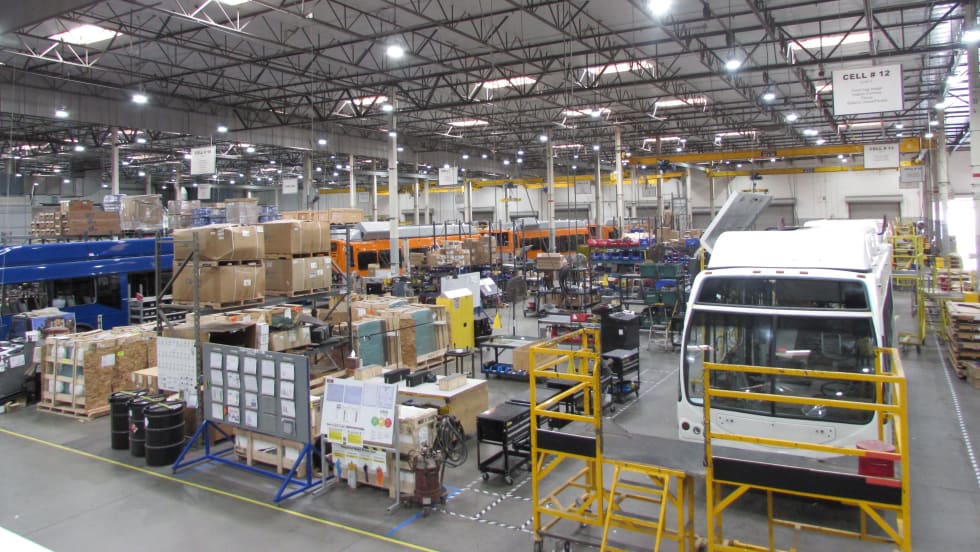
LA Metro Board Awards 220 Battery-Electric Bus Contract to ENC
The contract, which is the largest base award of battery-electric buses by a U.S. transit agency, will be built in Southern California, sustaining good jobs as LA prepares to welcome the world in 2028
Read More →
Public Transit Conference Returning to GFX in 2027, Call for Papers Now Open
The Call for Papers is now open, allowing transit agency professionals and industry experts to help shape the PTC educational program by submitting session ideas for consideration.
Read More →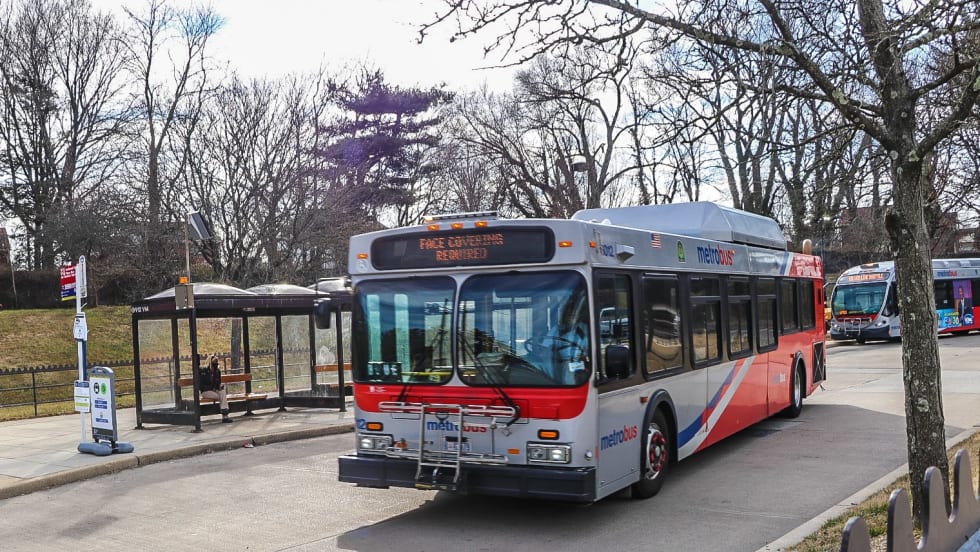
Report: Transit Bus Manufacturing Supports 34,100 Jobs, $5.1B in GDP
The “Buses Mean Business” report examines the transit bus manufacturing industry’s economic footprint, supply chain, and rising demand for vehicle replacements.
Read More →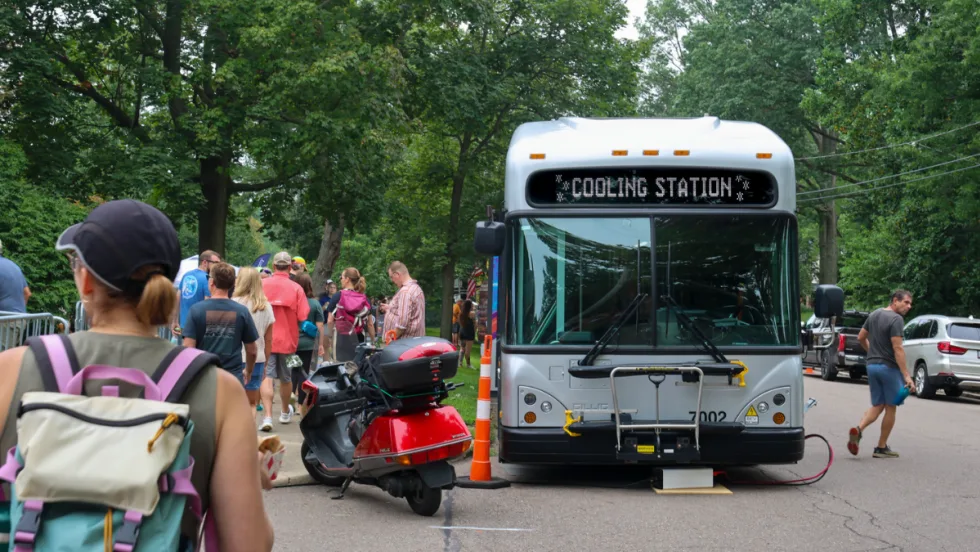
Ohio’s METRO RTA Turns Electric Buses into Mobile Power Sources at PorchROKR
See how three Gillig battery-electric buses powered festival stages while the agency’s new Park & Ride service carried approximately 1,000 attendees, demonstrating another potential use for transit agencies’ electric fleets.
Read More →
CALSTART and Forth Combine to Form Catalyst Mobility
The new name represents a renewed vision for the nonprofit focused on advancing clean, equitable, and affordable transportation solutions that move people and goods.
Read More →
Building a Flexible Path to Transit Electrification
John Hroncich discusses BAE Systems’ modular and scalable approach, lessons learned from decades of real-world operations, and how agencies can identify electrification strategies that fit their fleets.
Read More →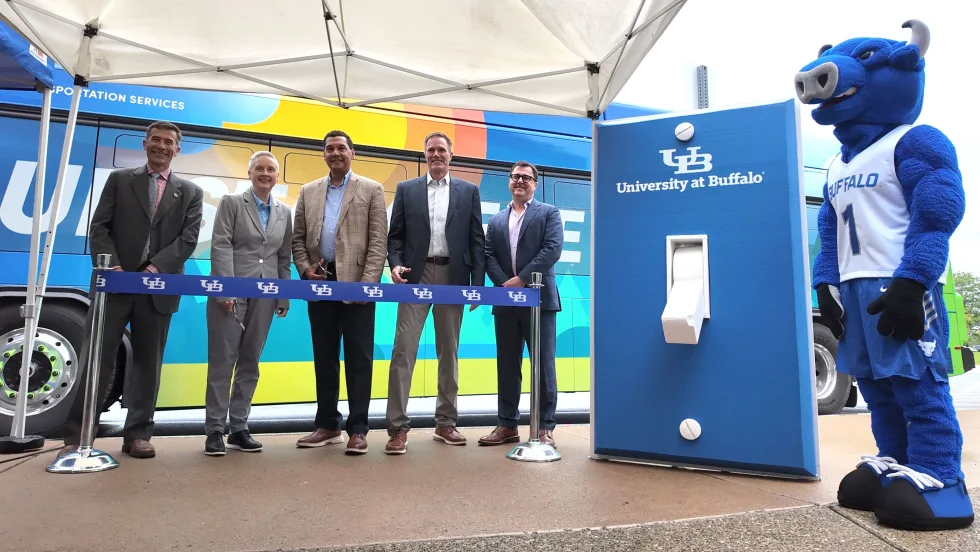
Inside Look: University at Buffalo Puts First 8 Electric Buses Into Stampede Service
UB, transportation solutions provider WeDriveU, and fleet electrification specialist Zenobē marked the deployment in the presence of students, university administrators, and local officials.
Read More →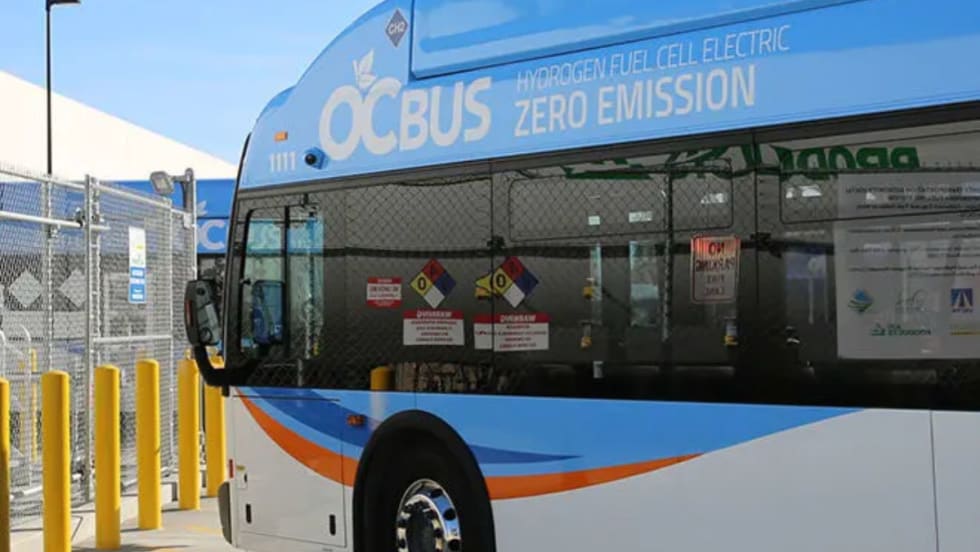
Biz Briefs: OCTA Taps Clean Energy for Hydrogen Station, Stadler to Supply Via Rail Vehicles, and More
From manufacturers and suppliers to transit agencies and motorcoach operators, these updates offer a snapshot of the projects, partnerships and business moves driving the industry forward.
Read More →
AC Transit’s Cecil Blandon on Building the Next Generation of Transit Maintenance Leaders
The agency’s maintenance chief discusses leadership, workforce development, zero-emission technology, and preparing technicians for the future of public transportation.
Read More →