



Improving Transit Worker Safety: How Proper Workwear Enhances Comfort and Performance
Proper workwear is critical to protect these workers, boost their comfort, and enhance their performance.
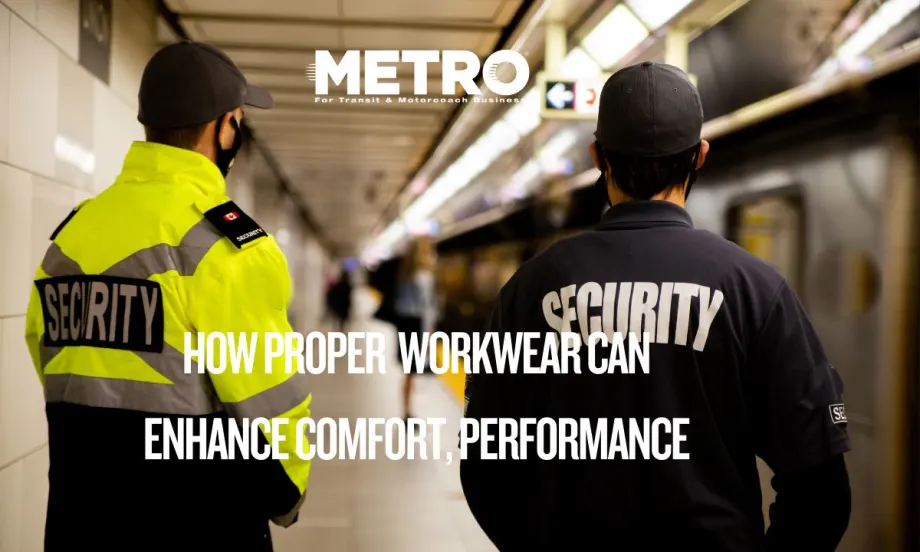
Transit workers encounter unique risks. They navigate busy depots, perform repairs near live tracks, or drive in adverse weather.
Photo: METRO
- Proper workwear is essential for safeguarding transit workers.
- Wearing the right gear increases worker comfort during their shifts.
- Enhanced workwear contributes to improved performance in transit tasks.
*Summarized by AI
Transit workers keep cities running, navigating packed streets and unpredictable conditions to deliver millions of passengers daily. Yet, their jobs come with risks — exposure to traffic, harsh weather, and physical strain are routine.
In 2023, the U.S. Bureau of Labor Statistics reported 1,942 fatalities in transportation, accounting for 36.8% of all occupational fatalities that year.
Proper workwear is critical to protecting these workers, improving their comfort, and enhancing their performance.
In this article, you’ll learn how well-designed clothing safeguards transit workers and improves productivity. Discover the financial benefits of investing in quality workwear and the innovative trends shaping the industry.
Ensuring Safety: The Role of Workwear in Protecting Transit Workers
Transit workers encounter unique risks. They navigate busy depots, perform repairs near live tracks, or drive in adverse weather. Workwear serves as a first line of defense against these hazards.
High-visibility clothing, for instance, ensures workers are seen by drivers and machinery operators, reducing the risk of accidents. Flame-resistant fabrics shield maintenance crews from sparks or electrical faults, while water-repellent coatings keep workers dry during rain. Reinforced stitching and padding in high-wear areas, like knees or elbows, guard against cuts, abrasions, and bruises.
While most workers will tell you that having the right work pants is paramount, footwear is equally vital. Slip-resistant soles prevent falls on wet platforms, and steel-toe boots protect against heavy objects. These features collectively mitigate risks that generic clothing can’t handle.
Additionally, workwear can incorporate personal protective equipment (PPE) compatibility, such as loops for harnesses or pockets for gloves, streamlining safety protocols.
Agencies must ensure workwear meets the American National Standards Institute (ANSI) standards and is tailored to specific job roles, such as drivers versus mechanics, to maximize protection.
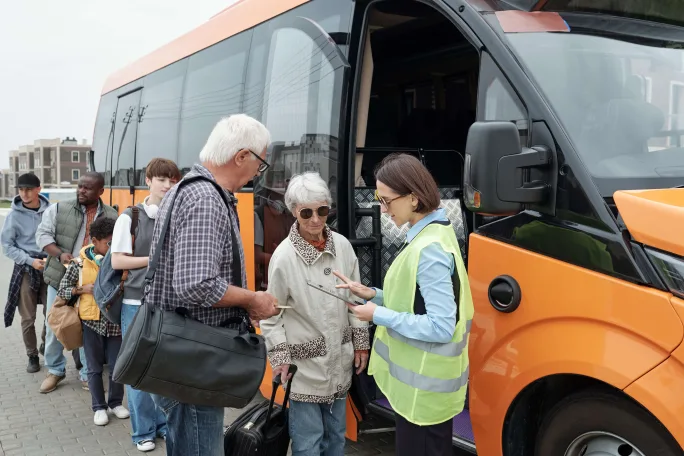
Agencies must ensure workwear meets the American National Standards Institute standards and is tailored to specific job roles, such as drivers versus mechanics, to maximize protection.
Photo: All Seasons Uniform
Enhancing Comfort: Improving Performance through Workwear
Comfort directly affects how well transit workers perform their duties. Ill-fitting or inadequate clothing can lead to distractions, fatigue, or reduced focus, all of which compromise safety and efficiency. Overly tight garments can also restrict movement.
Modern workwear addresses these issues through ergonomic design and advanced materials.
Tailored designs with adjustable features — like elastic waistbands, flexible stitching, or articulated knees — allow workers to adapt their gear to their tasks. Breathable fabrics, such as moisture-wicking blends, regulate temperature during hot summers or sweaty maintenance jobs. In colder climates, layered systems with thermal linings keep workers warm without bulk, preserving mobility.
Comfort extends to mental focus. Physical discomfort distracts workers, slowing reaction times and increasing errors. A driver rubbing sore shoulders or a mechanic adjusting ill-fitting pants is less attentive to their surroundings.
Conversely, workers in comfortable gear take fewer breaks to adjust or recover, leading to consistent output.
Financial Benefits of Investing in Quality Workwear
Investing in quality workwear might seem like an added expense, but it delivers long-term savings for transit agencies:
- Improved Safety and Reduced Liability: Quality workwear directly lowers the risk of workplace accidents, sparing agencies from costly medical bills, workers’ compensation, and legal fees. For instance, preventing just one traffic-related injury with a well-fitted, reflective vest can save thousands in direct and indirect costs, offering a compelling return on investment. Industry estimates suggest that every dollar spent on injury prevention can save $4 to $6 in avoided direct costs.
- Reduced Long-Term Costs: Durability adds to the value. Cheap uniforms wear out quickly, forcing frequent replacements. Quality workwear, built with reinforced seams and tough fabrics, lasts longer, reducing procurement budgets. Bulk purchasing and standardized designs can further optimize spending without sacrificing functionality. Over time, these savings add up, freeing resources for other critical transit needs.
- Enhanced Employee Productivity, Morale, and Retention: Comfortable, well-tailored workwear boosts productivity by reducing physical distractions. This allows workers to focus on their tasks with fewer breaks or errors. Besides, when employees feel safe and valued through quality gear, their morale rises, and they’re less likely to leave, shrinking recruitment and training costs in an industry prone to turnover. Such stability strengthens the workforce, delivering long-term financial benefits through consistent performance and loyalty.
Innovative Trends in Workwear: The Future of Safety and Comfort
Workwear is evolving, driven by technology and worker needs. Innovations are reshaping how transit agencies approach safety and comfort, offering solutions that adapt to modern challenges.
Smart Fabrics Lead the Charge
Textiles embedded with sensors can monitor vital signs, alerting workers to heat stress or fatigue before it becomes dangerous. Conductive threads in gloves enable touchscreen use without removing the gloves, streamlining tasks like route logging. Antimicrobial coatings, meanwhile, combat odors and bacteria, a boon for long shifts in close quarters.
Sustainability Is on the Rise
Recycled polyester and organic cotton blends reduce environmental impact while maintaining durability. Modular designs — detachable hoods or interchangeable linings — let workers customize gear for weather or job type, extending garment life. These advances align with broader goals of efficiency and responsibility.
Visibility Tech Is Improving, Too
LED-integrated vests or glow-in-the-dark threads enhance detection beyond traditional reflectors, critical for urban night work. Lightweight composites in boots offer protection without the heft, easing the strain on feet.
Implementing a Workwear Program: Actionable Steps for Transit Agencies
Creating an effective workwear program requires planning and collaboration. A structured approach ensures the program meets safety standards and supports employees effectively. Here are actionable steps to follow:
- Conduct a Needs Assessment: Survey workers about their roles, environments, and current gear issues. Drivers might prioritize breathability, while mechanics need abrasion resistance. Pair this with safety data — identify frequent injuries to target with specific features.
- Source Quality Suppliers: Look for vendors offering durable, compliant products — check certifications like ANSI for visibility or ISO for manufacturing standards. Request samples to test fit and function before committing. Negotiate bulk rates to manage costs.
- Standardize and Distribute: Create a uniform policy outlining what’s provided — jackets, pants, boots — and how often replacements occur. Ensure proper sizing through fittings or online tools. Distribute gear with clear care instructions to maximize longevity.
- Evaluate and Adjust: Collect feedback about comfort and durability after six months. Review injury rates and worker satisfaction to measure impact. Refine the program based on findings, keeping it responsive to evolving needs. Ensure you also comply with local regulations and industry standards, such as OSHA guidelines, to avoid penalties. A well-implemented program protects workers and demonstrates a commitment to their well-being, fostering morale and trust.
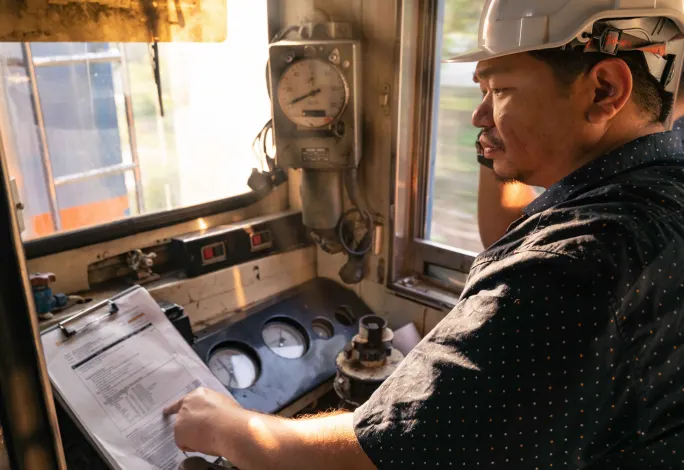
Comfort extends to mental focus. Physical discomfort distracts workers, slowing reaction times and increasing errors.
Photo: All Seasons Uniform
Dressing for Success in Transit Work
Beyond shielding workers from hazards, well-designed clothing enhances comfort, sharpens focus, and drives productivity — benefits that translate into fewer accidents, lower costs, and a more resilient workforce.
As innovations such as smart fabrics and sustainable designs drive the industry forward, transit agencies must equip workers with gear that not only protects but also empowers.
About the Author: Nick Warrick is the Sales Manager at All Seasons Uniforms. With over 15 years of experience in the work uniform business, he has worked with over 100 clients across 20 different industries.
Quick Answers
Proper workwear is crucial for transit workers as it protects them from environmental hazards, enhances their comfort during long hours, and supports their overall performance.
*Summarized by AI
More Security and Safety

San Diego MTS Approves New Fare Evasion Penalty Program
The new administrative process will move eligible violations out of the criminal court system, cap penalties at $125, and provide flexible payment options for riders.
Read More →
RTC of Southern Nevada Reports 29% Drop in Transit Operator Assaults
The agency credits expanded security measures, employee training, and technology investments for improvements in transit safety, while security officers have responded to 19 suspected overdoses since July.
Read More →
Public Transit Conference Returning to GFX in 2027, Call for Papers Now Open
The Call for Papers is now open, allowing transit agency professionals and industry experts to help shape the PTC educational program by submitting session ideas for consideration.
Read More →
Safe Transit Act Proposes New Security Requirements for Federal Transit Funding
Proposed legislation would link federal transit dollars to safety measures while requiring security investments, onboard cameras, and new fare collection standards.
Read More →
FTA Ends Direct Oversight of MBTA Safety Actions
The federal agency closed its remaining special directive to the Massachusetts Department of Public Utilities following a safety review that began in 2022.
Read More →
Transit Agencies Highlight Safety Gains at National Summit
Leaders from 15 major transit systems shared crime-reduction results and safety initiatives while discussing the role of continued federal support.
Read More →
DART Launches Major Security, Fare Enforcement Initiative
The 90-day demonstration will deploy coordinated security teams at five light rail stations while testing controlled access and gathering data to guide future investments.
Read More →
RTD Launches NextRide App to Consolidate Trip Planning, Fares, Security Reporting
The app expands on RTD’s existing NextRide web application and allows customers to view real-time vehicle locations and service alerts, purchase and store digital fares, and access customer support.
Read More →
TAPTCO Updates OSHA Compliance Training for Transit Maintenance Operations
The revamped program addresses 26 OSHA standards for maintenance facilities, with TAPTCO pointing to training, documentation, and everyday shop hazards as continuing challenges for transit operations.
Read More →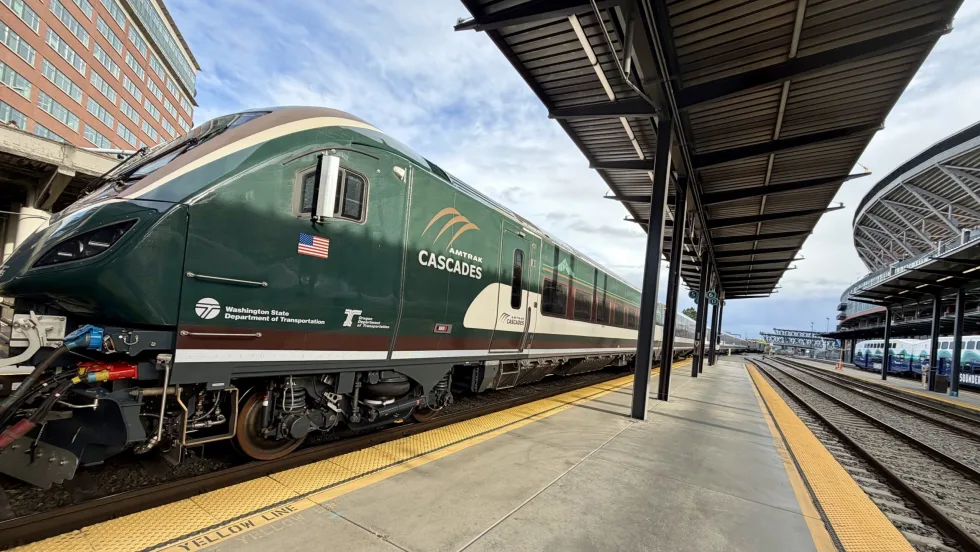
FRA Announces $5.3B in Rail Investments, Including $2B for Amtrak
Funding will support grade-crossing improvements, infrastructure upgrades, and new Amtrak equipment in 23 states.
Read More →