




See: TAPTCO ‘Recreates’ Safety Leadership Training Course for Transit, Paratransit Ops
TAPTCO Updates OSHA Compliance Training for Transit Maintenance Operations
The revamped program addresses 26 OSHA standards for maintenance facilities, with TAPTCO pointing to training, documentation, and everyday shop hazards as continuing challenges for transit operations.
August 25, 2026
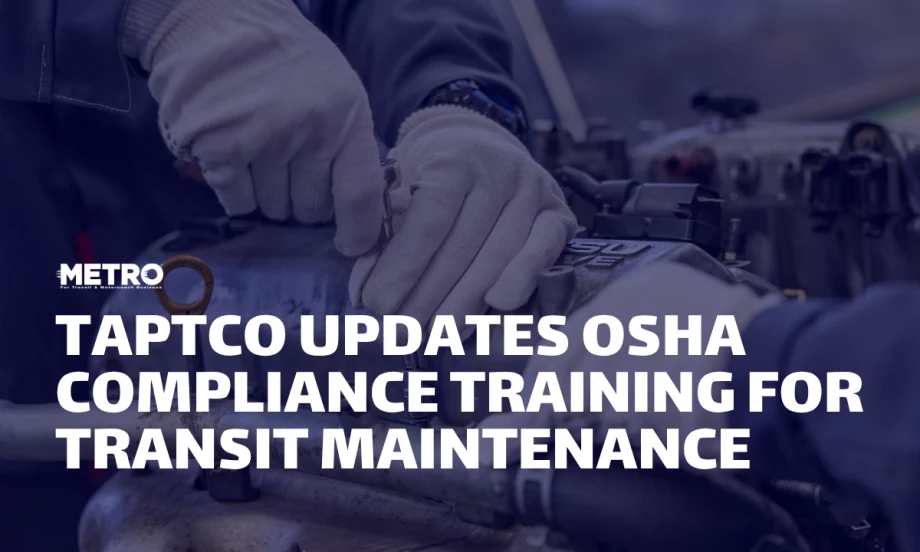
The course covers areas including emergency action and fire prevention plans, confined spaces, electrical hazards, lifts, pits, jacks and stands, hazardous materials, personal protective equipment, fall protection, lockout/tagout, machine guarding, welding, and wheel safety.
Credit:
Sergei Starostin/METRO
3 min to read
The Transit and Paratransit Company (TAPTCO) has updated its OSHA Compliance Training Course for transit and paratransit operations, replacing a program used for about 15 years.
The updated course provides training materials addressing 26 OSHA standards applicable to maintenance facilities, along with three areas for drivers. It is intended to give transit shop managers a single resource for managing workplace safety and OSHA compliance.
According to TAPTCO President Jeff Cassell, the program's age and user feedback prompted the overhaul.
“Our original course was 15 years old, and many users have asked us to update it,” Cassell told METRO. "Also, the guides for the old course were very poor and needed redrafting to be far more user-friendly.”
The revised program comes as transit maintenance facilities continue to present a range of workplace safety risks. The course covers areas including emergency action and fire prevention plans, confined spaces, electrical hazards, lifts, pits, jacks and stands, hazardous materials, personal protective equipment, fall protection, lockout/tagout, machine guarding, welding, and wheel safety.
“By their very nature, bus maintenance garages are risky places,” Cassell said. “[There's] lots of equipment around; cables, air hoses, chemicals, etc. The biggest challenge is staying as tidy as you can and avoiding oil or other chemical spills. Using lifting equipment safely at all times is essential. Lifts, Pits, and jacks are also very risky for a very heavy bus.”
Training and Documentation Remain Key Challenges
In transit maintenance operations, Cassell said simply having safety policies in place isn't enough. Maintaining regular training and records documenting that training are among the biggest challenges.
“In my experience, many shops do not comply with OSHA requirements, or they make a token effort, until something goes wrong. All 26 safety programs in our OSHA Compliance course can be delivered in four 75-minute meetings totaling five hours. This training should be provided to all shop workers once per year,” Cassell said. “The biggest challenge is actually taking the time to provide the training and keeping the documentation up-to-date.”
The program's Process Guide includes action plans and checklists designed to walk managers through compliance requirements. TAPTCO recommends documenting completed training in the guide and on a compliance calendar to maintain a record of the steps taken.
“The Process Guide includes action plans and checklists with step-by-step instructions detailing what you must do to be in compliance,” Cassell wrote in an announcement. “Simply put, if you follow all the action plans and document the steps taken, you’ll be in compliance, and your technicians will be safer. It’s that simple.”
The course also includes three areas specifically for transit drivers:
- Lockout/tagout
- Hazardous materials
- Bloodborne pathogens
Although federal OSHA requirements don't apply equally to every transit operation, Cassell said safety practices shouldn't depend solely on whether a particular regulation applies.
“Some locations are exempt from complying with federal regulations,” Cassell said. “However, many states have similar rules, and the safety of the technicians and drivers in every bus operation deserves the same high level of safety whether it is required or not. Doing the right thing and protecting your employees should be the standard, not the regulations.”
For transit agencies, the update renews focus on a part of fleet operations that often gets less attention than the vehicles themselves: creating consistent safety practices inside the facilities that keep those vehicles on the road.
More Security and Safety

Public Transit Conference Returning to GFX in 2027, Call for Papers Now Open
The Call for Papers is now open, allowing transit agency professionals and industry experts to help shape the PTC educational program by submitting session ideas for consideration.
Read More →
Safe Transit Act Proposes New Security Requirements for Federal Transit Funding
Proposed legislation would link federal transit dollars to safety measures while requiring security investments, onboard cameras, and new fare collection standards.
Read More →
FTA Ends Direct Oversight of MBTA Safety Actions
The federal agency closed its remaining special directive to the Massachusetts Department of Public Utilities following a safety review that began in 2022.
Read More →
Transit Agencies Highlight Safety Gains at National Summit
Leaders from 15 major transit systems shared crime-reduction results and safety initiatives while discussing the role of continued federal support.
Read More →
DART Launches Major Security, Fare Enforcement Initiative
The 90-day demonstration will deploy coordinated security teams at five light rail stations while testing controlled access and gathering data to guide future investments.
Read More →
RTD Launches NextRide App to Consolidate Trip Planning, Fares, Security Reporting
The app expands on RTD’s existing NextRide web application and allows customers to view real-time vehicle locations and service alerts, purchase and store digital fares, and access customer support.
Read More →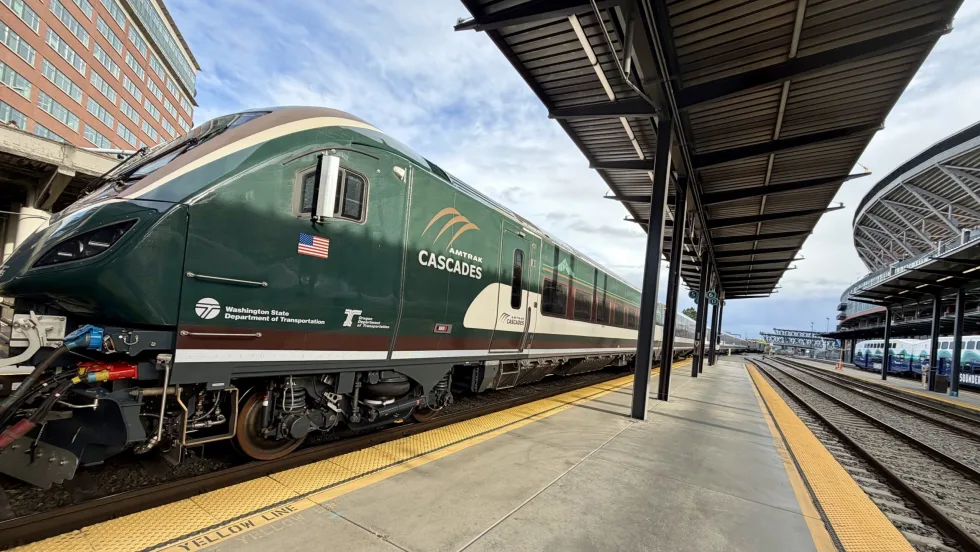
FRA Announces $5.3B in Rail Investments, Including $2B for Amtrak
Funding will support grade-crossing improvements, infrastructure upgrades, and new Amtrak equipment in 23 states.
Read More →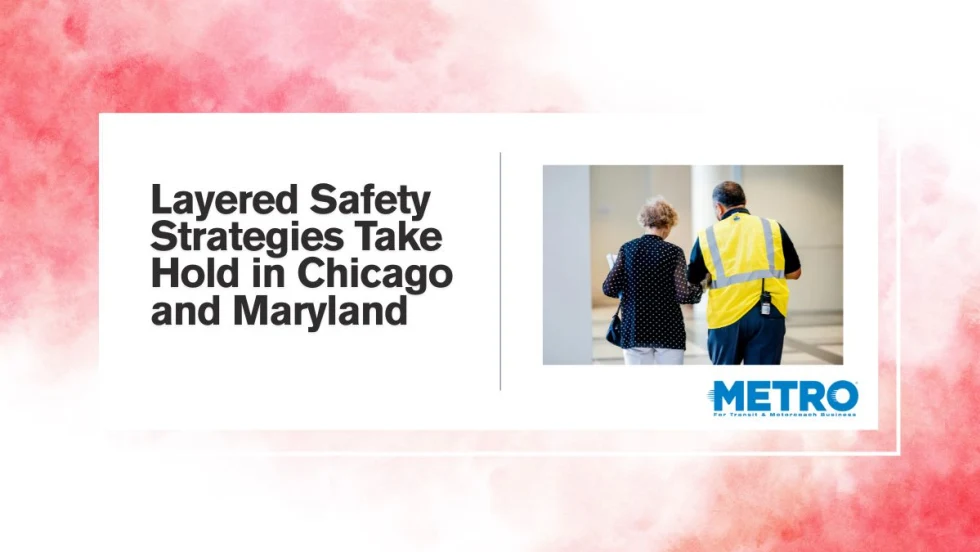
Chicago, Maryland Expand Non-Law-Enforcement Safety, Rider Support
The CTA and MTA are launching new programs aimed at de-escalation, crisis response, rider assistance, and greater transparency.
Read More →
LA Metro, City of West Hollywood, and Partners Advance Smarter Bus Lane Enforcement
The award-winning partnership combines AI-powered detection with human oversight to improve bus reliability, accessibility, and enforcement efficiency.
Read More →
LA Metro Reports 57% Decline in Homelessness on Transit System Since 2024
The agency's latest homelessness count offers new data on how care-based services and cross-sector partnerships can complement traditional transit security strategies.
Read More →