



Innovative approach to creating app
Greater Good’s plan for the innovative app stems from co-founder George Aye’s experience as lead designer at CTA.
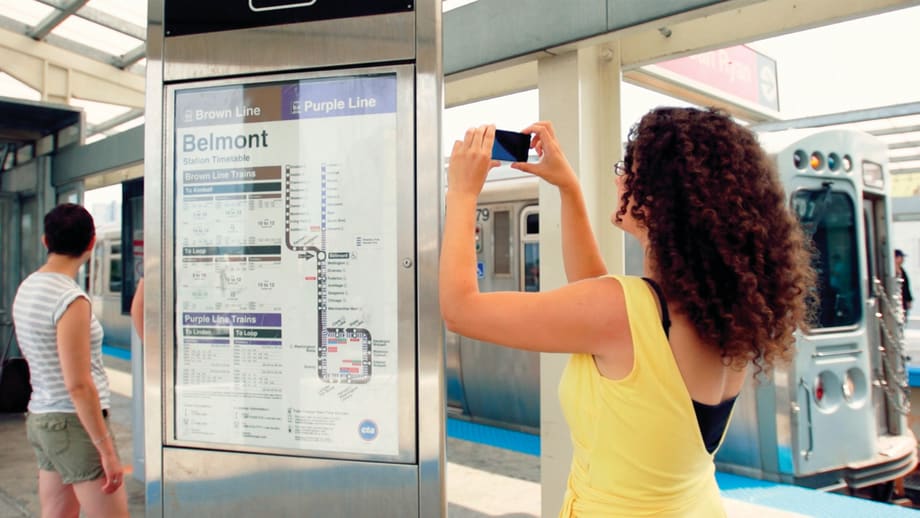
Photo courtesy Greater Good Studio
Photo courtesy Greater Good Studio
A unique project, spearheaded by Chicago social design firm Greater Good Studio, is looking to build a new app that will not only transform the types of information Chicago Transit Authority (CTA) users have access to, but also make the system more appealing to non-users.
Greater Good’s plan for the innovative app stems from co-founder George Aye’s experience as lead designer at CTA.
“While he was there, he was always looking for different ways to improve the riders’ experience,” said his wife and co-founder Sara Aye. “He saw that if that experience was a positive one, perhaps more people would use the CTA.”
With the next version of Apple’s iOS set to no longer have Google Maps, opting instead to have its own mapping application that would cover driving and walking, but not public transit, Chicago’s transit users will have to turn to an app created by a third party, which is where the folks at Greater Good saw an opening.
The new app would integrate both CTA bus and train services, use real-time arrival data and be designed by the people of Chicago. With that, the idea is that the app would include all sorts of information that users would find useful in enhancing their CTA experience, including paying via smartphone, finding out where to pick up coffee on their trip, or locating bike parking or car sharing services.
“The experience of CTA doesn’t start when you get on a bus, it starts when you decide to take it in the first place, so we want to do what we can to motivate more people to use the CTA,” explained Aye. “Being outsiders, wehave a little more freedom, which allows us to make the user the center of our focus when creating this app.”
Prior to developing the app, Greater Good launched a campaign via Kickstarter in early July, dubbed “Designing Chicago: New Tools for Public Transit.”
Kickstarter is an online threshold pledge system for funding creative projects, which typically include an array of endeavors ranging from indie film and music to publishing and food-related projects.
Through its Kickstarter program, Greater Good was asking for backers to donate $125,000 for the research and design of the app, which would then be completed by April 2013. Through the campaign, Greater Good was also looking for donors to become volunteers for the project as either “Urban Scouts,” who would play a part in the information gathering and ideal process, or as “Urban Icons,” who would take part in a real-world educational experience where the project is to design a transit app.
“To us, Kickstarter really opened up the concept of funding our own work in a way that’s never been done before,” said Aye. “We thought this is an interesting way to use Kickstarter, because participation is not a typical thing you see for sale on the site, and we knew we’d be innovating a little bit on the model.”
Although Greater Good did not meet its $125,000 Kickstarter goal, the Aye’s plan on continuing work for the app as part of the company’s plan to be its own customer and solve problems they would like to see addressed.
“We’re really committed to doing this project,” said Aye. “We’re going to continue with the participatory research and design process, it just may take a little more time to complete the app, but we think that’s OK. We want to give it as much time as it needs so funding will be available when the design is done.”
The new timetable for the app, Aye added, is most likely between fall and winter 2013.
More Bus
Brian Dickson on Building Stronger, More Resilient Transportation Organizations
Bus Business Consultants Founder Brian Dickson discusses the leadership principles, operational discipline, and strategic planning that separate transportation companies positioned for long-term success from those stuck in survival mode.
Read More →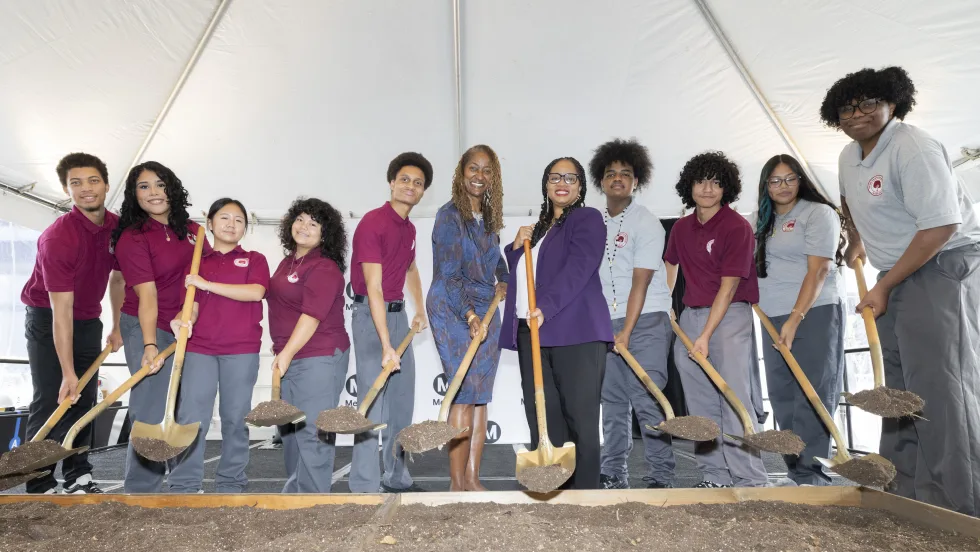
LA Metro Breaks Ground on Vermont BRT Project
The 12.4-mile corridor is projected to serve 66,200 daily riders, reduce travel times by up to 24%, and create the nation's busiest bus rapid transit corridor.
Read More →
Roman Cornell on ABC Companies’ Evolution and the Future of Passenger Transportation
The company’s CEO discusses carrying forward a third-generation family legacy, ABC’s continued evolution in passenger transportation, support for increasingly complex fleets, and how technology and continued investment could help operators improve uptime.
Read More →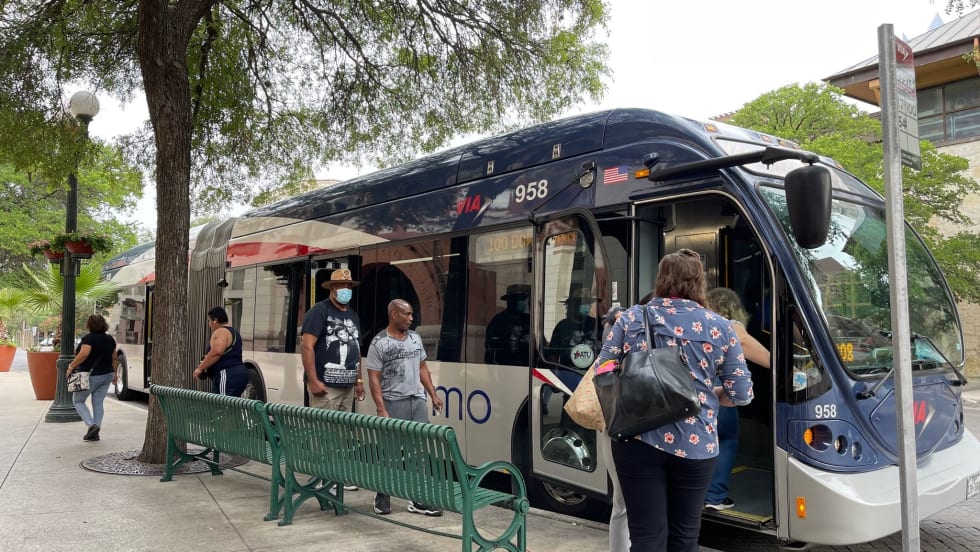
VIA Bus Ridership Grows 10.1% Through August 2026
San Antonio's VIA Metropolitan Transit reported the highest bus ridership growth among major Texas transit systems. Federal Transit Administration data ranked it second among the nation's 50 largest transit systems.
Read More →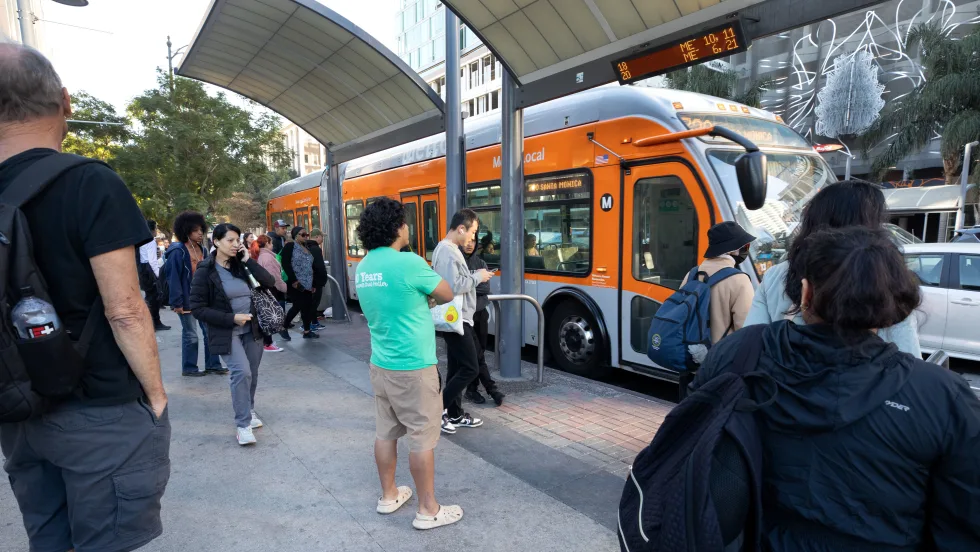
LA Metro September Ridership Climbs 3.9%, Led by Rail Growth
The agency recorded more than 27.2 million boardings, with rail ridership increasing 12.4% year over year and the D Line posting the largest gains.
Read More →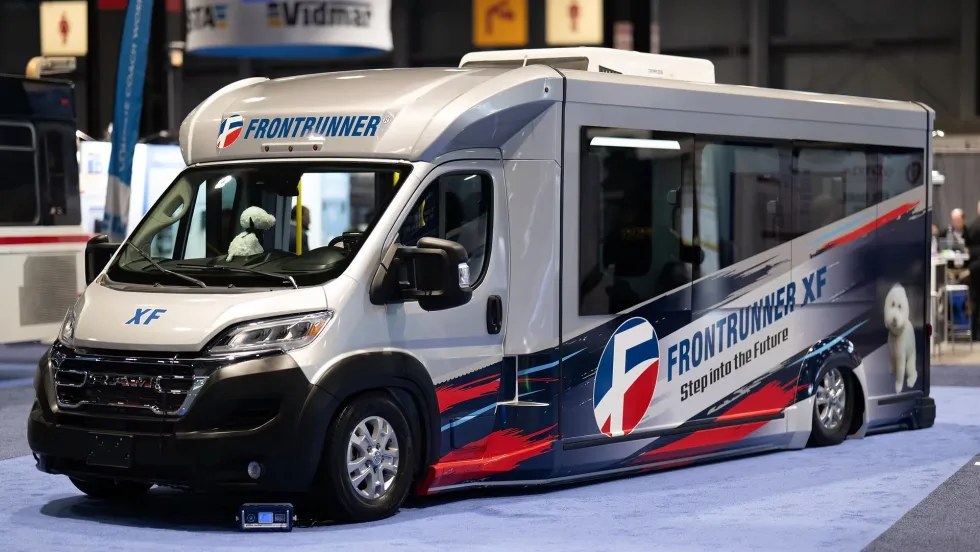
Frontrunner Bus Group Introduces XF Low-Floor Bus with Enhanced Accessibility
The new mid-sized bus features a full flat-floor design, eight-inch curbside step-in height, and zero-entry rear ramp to improve passenger access and operational flexibility.
Read More →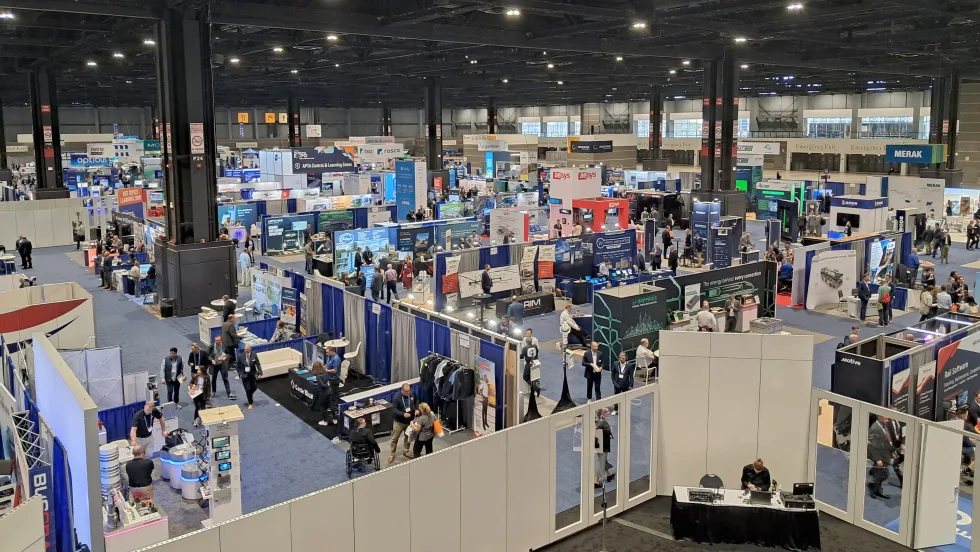
Scenes from APTA TRANSform & EXPO 2026
Transit leaders, manufacturers, and industry professionals gathered in Chicago to explore new technologies, share ideas, and discuss the future of public transportation.
Read More →
More Than a Summer Job: Building the Next Generation of Transit Talent
The Delaware River Port Authority and PATCO have transformed their internship program into a hands-on professional development experience that introduces students to the breadth of transportation careers — and creates a pipeline for future employees.
Read More →
LA Metro Board Awards 220 Battery-Electric Bus Contract to ENC
The contract, which is the largest base award of battery-electric buses by a U.S. transit agency, will be built in Southern California, sustaining good jobs as LA prepares to welcome the world in 2028
Read More →
Public Transit Conference Returning to GFX in 2027, Call for Papers Now Open
The Call for Papers is now open, allowing transit agency professionals and industry experts to help shape the PTC educational program by submitting session ideas for consideration.
Read More →