



Innovative Solutions Awards: Clean Technology
CTA built one of the few terminals in North America that uniquely utilizes SAE J3105 overhead charging systems to maximize in-service time and performance of its Proterra electric bus fleet.

CTA and Proterra thoughtfully planned and designed the Austin Terminal to be able to hold additional charger capacity.
Proterra
With COVID-19 basically canceling the trade show and awards season, METRO Magazine decided to honor our 2020 Innovative Solutions Award winners here in print.
Now in its sixth year, the Innovative Solutions Awards honors bus operations and their supplier partners who have implemented initiatives that helped them save money, run more efficiently, streamline operations, increase safety, improve customer satisfaction, increase ridership, and more. This year, we categorized our winners into six categories: Technology, Safety, Passenger Experience, Operations, Clean Tech, and Mobility.
The Chicago Transit Authority (CTA) recently completed an innovative turnkey infrastructure project for the Austin Boulevard/Chicago Avenue Terminal (Austin Terminal). The project began mid-2019 and is now completed, with bus service beginning as soon as late-2020.
CTA built one of the few terminals in North America that uniquely utilizes SAE J3105 overhead charging systems to maximize in-service time and performance of its electric bus fleet. Thanks to the set-up of the overhead charging systems, CTA’s Proterra 40-foot electric buses could run 24 hours to meet the demands of CTA’s around-the-clock bus services. The J3105 charging systems utilize standardized technology and are compatible with other electric vehicles.
There was a tremendous amount of planning and design work behind the new Austin Terminal. The project was designed as a collaboration between Proterra and CTA, and the new Austin Terminal was built by Proterra in conjunction with Mortenson Co. The terminal houses two 450kWh Heliox overhead fast chargers, with a third charger planning to be installed later. Buses serving the heavily traveled #65 Grand and #66 Chicago routes will pull into the new terminal loop to drop off and pick up passengers, and at the same time receive a 10-minute fast charge from either of the two overhead inverted pantograph chargers. The fast charge will add enough energy for an additional 20-plus miles of range back into the battery packs. The on-route fast charging allows for a much more efficient and cost effective fueling system.
The building was also designed with expansion capabilities to allow CTA to continue to grow their electric bus fleet and flexibly install corresponding charging infrastructure to meet its needs. To do that, a concrete equipment pad, underground duct banks, and mast foundation were placed in preparation for a third overhead fast charging system. CTA and Proterra thoughtfully planned and designed the terminal to be able to hold additional charger capacity, and by incorporating it in the original design, saved costs and time compared to breaking ground on an expansion later. The terminal also had the necessary energy infrastructure upgrades to meet the demand of an electric bus fleet now and in the future. Conduit and cables were upsized to support up to 1.5 MW chargers.
Chicago presents a lot of weather-related challenges, which were taken into consideration for the planning and design of the terminal. The new terminal is a two-story hurricane proof brick building with a temperature-controlled interior. There is a weather shield surrounding the pantograph overhead chargers. Additionally, chargers are liquid cooled, and the building has forced ventilation.
“Proterra Energy, which has extensive experience managing industrial electrical projects and working with utility providers, partnered with CTA to determine the best infrastructure setup for their needs and helped manage their charger installation from start to finish,” explains officials at Proterra. “This type of collaboration and partnership can serve as a model for other transit agencies looking to electrify their transit fleets.
More Zero Emissions

Caltrain’s Electrification Drives a New Era of Ridership Growth
The railroad’s shift to electric service has brought more frequent trains, stronger customer satisfaction, and increased ridership, earning it APTA’s Outstanding Public Transportation System award.
Read More →
Building a Flexible Path to Transit Electrification with BAE's John Hroncich
John Hroncich discusses BAE Systems’ modular and scalable approach, lessons learned from decades of real-world operations, and how agencies can identify electrification strategies that fit their fleets.
Read More →
LA Metro Board Awards 220 Battery-Electric Bus Contract to ENC
The contract, which is the largest base award of battery-electric buses by a U.S. transit agency, will be built in Southern California, sustaining good jobs as LA prepares to welcome the world in 2028
Read More →
Public Transit Conference Returning to GFX in 2027, Call for Papers Now Open
The Call for Papers is now open, allowing transit agency professionals and industry experts to help shape the PTC educational program by submitting session ideas for consideration.
Read More →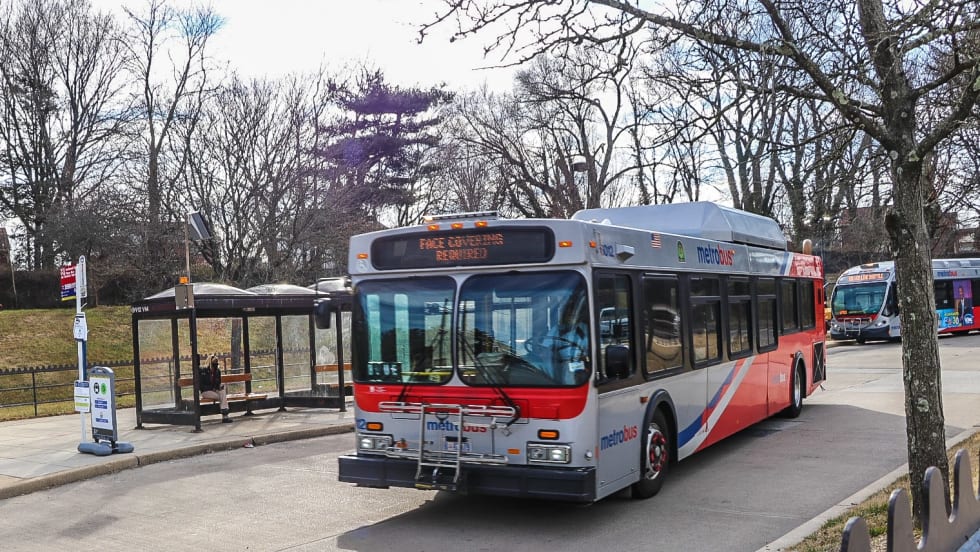
Report: Transit Bus Manufacturing Supports 34,100 Jobs, $5.1B in GDP
The “Buses Mean Business” report examines the transit bus manufacturing industry’s economic footprint, supply chain, and rising demand for vehicle replacements.
Read More →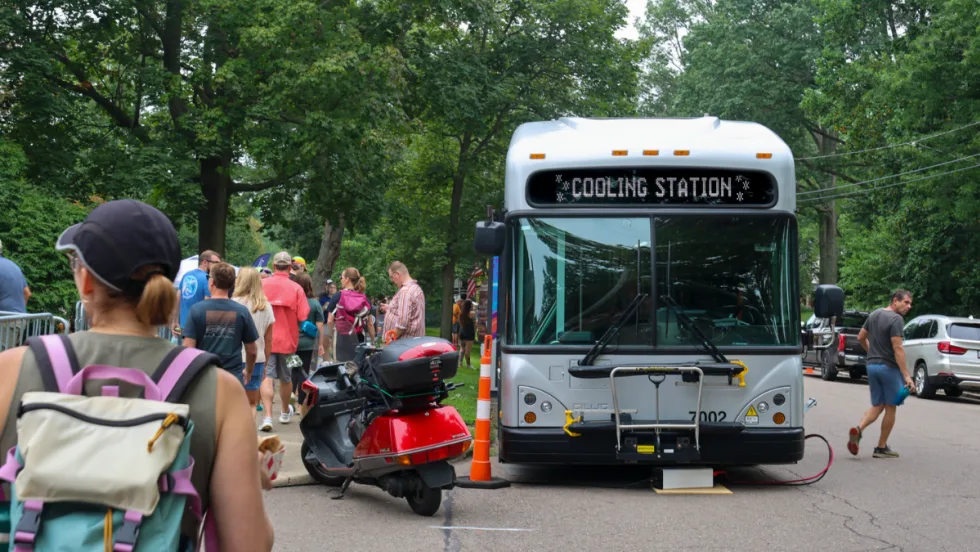
Ohio’s METRO RTA Turns Electric Buses into Mobile Power Sources at PorchROKR
See how three Gillig battery-electric buses powered festival stages while the agency’s new Park & Ride service carried approximately 1,000 attendees, demonstrating another potential use for transit agencies’ electric fleets.
Read More →
CALSTART and Forth Combine to Form Catalyst Mobility
The new name represents a renewed vision for the nonprofit focused on advancing clean, equitable, and affordable transportation solutions that move people and goods.
Read More →
Building a Flexible Path to Transit Electrification
John Hroncich discusses BAE Systems’ modular and scalable approach, lessons learned from decades of real-world operations, and how agencies can identify electrification strategies that fit their fleets.
Read More →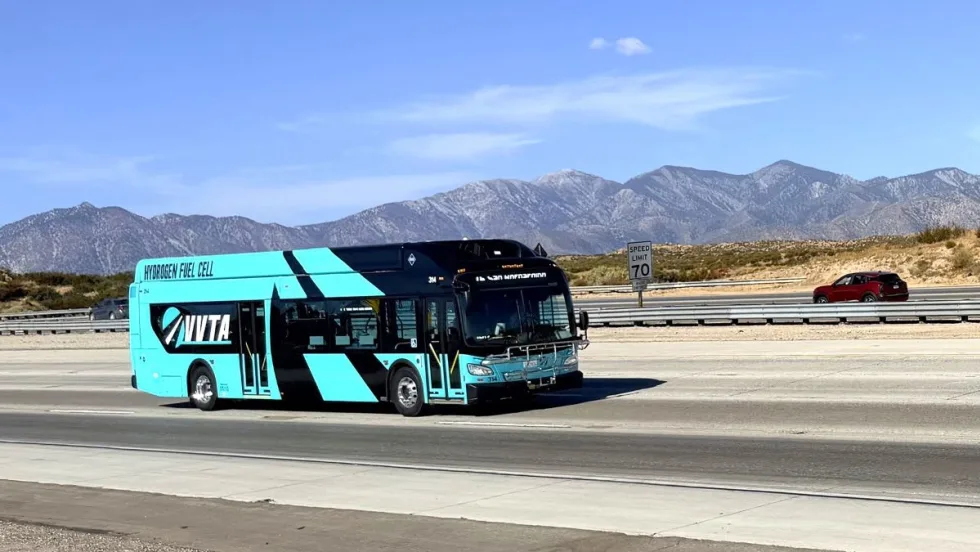
California's VVTA Begins Phased Rollout of Hydrogen Fuel Cell Buses
The agency is introducing 13 zero-emission buses into revenue service while evaluating performance across its urban, rural, and long-distance routes.
Read More →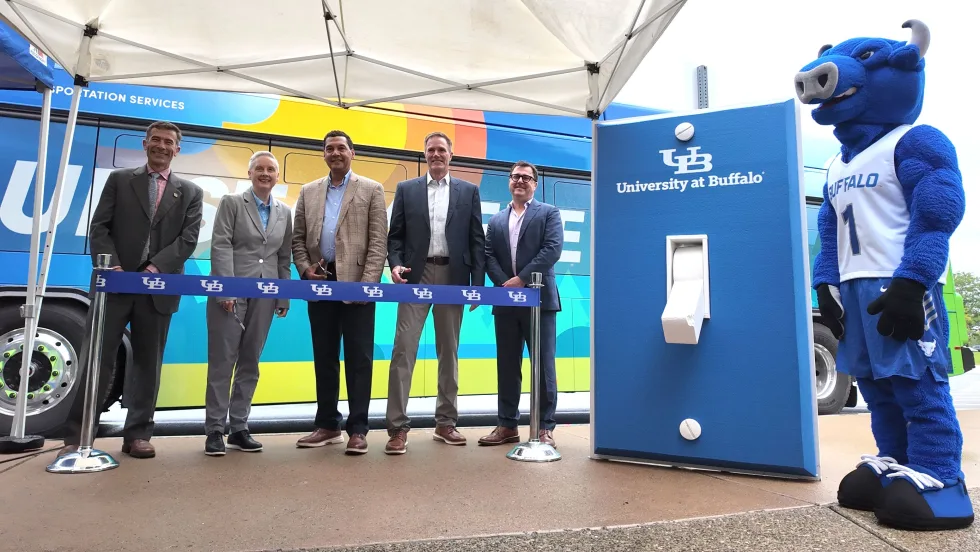
Inside Look: University at Buffalo Puts First 8 Electric Buses Into Stampede Service
UB, transportation solutions provider WeDriveU, and fleet electrification specialist Zenobē marked the deployment in the presence of students, university administrators, and local officials.
Read More →