



Insurance Crisis: How Much Longer?
With profits climbing, insurers will likely reduce their pricing pressure on bus operators. How you can prepare for a return to a soft market.
Bus operators, more acutely than most business enterprises, have felt the cold reality of the insurance industry’s business cycle. Today’s insurance buyer knows the woes of renewing a policy or replacing coverage with upward spiraling prices and a severe shortage of insurance providers. This combination, known as a hard market, means for bus operators fast-rising costs, and for insurers, a brief moment in time when pricing climbs high enough to erase the mistakes and losses incurred in policies past. We know the reality of today’s higher premium costs. Increases of 200% or more are not unusual, and the number of bus liability insurers has dwindled to a handful. How we got here While Sept. 11, 2001, is the date that resonates in the insurance world, this particular hard market started well before that traumatic day. Bus liability coverage premiums had fallen to levels not seen since 1984, the eve of the last insurance crisis. Inflation kept driving claims costs higher, but premiums ignored the numbers and kept heading south. At some point, one of the insurers seems to have blinked and said “No more.” That started the rush to the bus insurance exit door. Without question, the events of Sept. 11 crystallized the hard market tendency already at work in the insurance arena. Insurers, and their re-insurance partners, watched much of their net worth virtually evaporate in New York, Pennsylvania and Washington, D.C. In the face of such a financial blow, there was an immediate need to begin restoring that capital to insurance company bottom lines. Another less-understood problem was the creation of a shortage of companies offering coverage. When the financial strength of an insurer declines, premiums must be reduced to maintain a fiscally sound “risk-to-capital” ratio. Companies began dropping business lines, like bus liability, to reduce premiums, and thus maintain proper financial ratios. Overall, the effect was making coverage harder to find. What’s the future hold? Where does this leave us? We are well into the second year of this particular hard market, meaning that we should now be seeing two things: profitability returning to the insurance companies and signs of price stabilization. That is exactly where we seem to be. According to the trade publication Risk and Insurance Management, today’s insurance company profits are largely being used to pay for yesterdays “sins,” primarily under-pricing and poor risk selection. Correcting these errors is the primary force behind today’s hard market. The insurance industry saw improved results throughout 2003, with vastly improved profitability. According to various sources, price stabilization seems to have taken hold, and increases this year, where proposed, are predicted to remain in single-digit percentages. This plateau of pricing is the necessary next step in the insurance cycle. Prepare for a ‘soft’ market Crystal ball gazing is a tough vocation, but most prognosticators foretell of a return to the ‘soft’ market, with lower premiums and easier standards by 2005. For the individual insurance consumer, what are the next steps? Making your company more attractive to an underwriter begins with cutting your loss rate and increasing your compliance rate. Underwriters will look at your DOT violation history and your loss runs before quoting. They want details of your safety program efforts. Use a quality agent and prepare your application early. Communicate to the underwriter the quality your company and its drivers represents. And when necessary, confront loss history problems with details of the corrective actions you have taken. Jack Burkert is a bus industry consultant and former Lancer Insurance executive. He can be reached atburkert@dmv.com.
More Management

LA Metro Board Awards 220 Battery-Electric Bus Contract to ENC
The contract, which is the largest base award of battery-electric buses by a U.S. transit agency, will be built in Southern California, sustaining good jobs as LA prepares to welcome the world in 2028
Read More →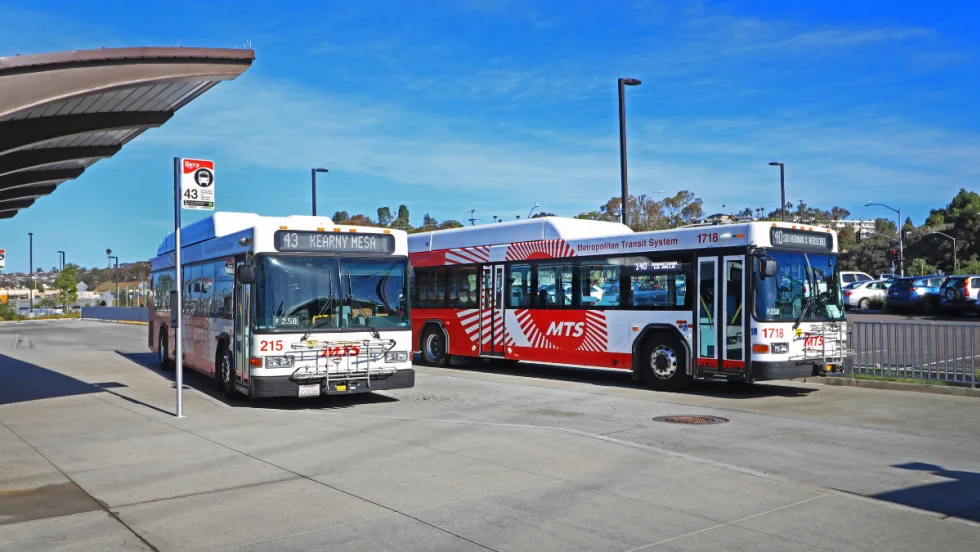
What’s Behind San Diego MTS’s Award-Winning Transit Strategy
Named one of APTA’s 2026 Outstanding Public Transportation Systems with 50 million or more annual passenger trips, California’s San Diego Metropolitan Transit System points to gains in ridership, safety, technology, and reliability as foundations of its success.
Read More →
Public Transit Conference Returning to GFX in 2027, Call for Papers Now Open
The Call for Papers is now open, allowing transit agency professionals and industry experts to help shape the PTC educational program by submitting session ideas for consideration.
Read More →
Indian River Transit’s Community-Focused Approach Earns National Recognition
Named APTA’s 2026 Outstanding Public Transportation System in its size category, Florida’s Indian River County transit system continues to grow ridership through fare-free service and a focus on evolving community needs.
Read More →
ENC Lands MATA Contract and More in Biz Briefs
In this edition of Biz Briefs, we spotlight the latest developments shaping the future of mobility.
Read More →
From Surviving to Thriving: Building Stronger Transportation Organizations
Bus Business Consultants founder Brian Dickson shares lessons on leadership, organizational health, and creating options for long-term success in a changing transportation industry.
Read More →
Everett Transit, Community Transit Outline Consolidation Agreement
The proposed agreement calls for a 50% increase in bus service in Everett, a new microtransit zone, continued paratransit service, and the transfer of Everett Transit operations to Community Transit.
Read More →
Strada360’s Steve Lassey on Turning Transit Data Into Better Decisions
From breaking down data silos to preparing for AI, Strada360 CEO Steve Lassey discusses how transit agencies can use technology to improve operations, customer information, and long-term decision-making.
Read More →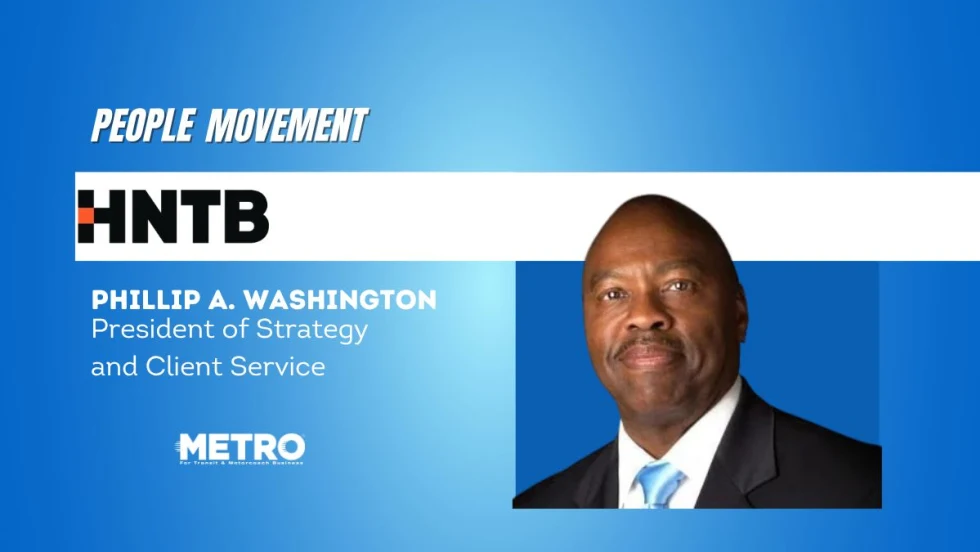
People Movement: Phil Washington Joins HNTB, Denver RTD Launches CEO Search, and More
In this edition, we also spotlight recent personnel moves at STV, the Eno Center for Transportation, and more, highlighting the people taking on new roles across the transportation industry.
Read More →
SEPTA Details Accelerate Vision for Transit System
The plan outlines investments in trolley modernization, new Metro and Regional Rail vehicles, accessible stations, and more frequent bus and rail service.
Read More →