



Iraq conflict creates driver shortage
Deployment of marines leaves Oceanside, Calif., operation shorthanded.

The North County Transit District (NCTD) in Oceanside, Calif., is facing a shortage of bus operators due to the deployment of U.S. Marines to Iraq. With the continuing difficulties of the occupation of Iraq, many Marines are having to stay in the military or are not being allowed to retire. Before the war, NCTD had no problems recruiting former Marines to become drivers because of its proximity to Camp Pendleton military base in Oceanside, according to NCTD spokesman Tom Kelleher. “If [former Marines] can find work after leaving the Marine Corps, they are happy to stay in the San Diego area,” he said. To fill the gaping hole the Marines would have occupied, the agency has stepped up its recruiting efforts. Exhibiting at job fairs and establishing a finder’s fee for referrals are two ways it’s filling the vacancies. It has also increased the operators’ starting hourly wage and shortened the period required for new employees to qualify for benefits. In addition to the lack of new drivers, NCTD faces the problem of retaining those it does have. Since May, more than 20 drivers have left the agency, putting pressure on the remaining staff. As of May, NCTD employed 289 full-time bus operators, well short of the 324 positions allowed for in the budget. Operators start at $12.60 an hour. The highest pay grade is $19.41 per hour.
More Management
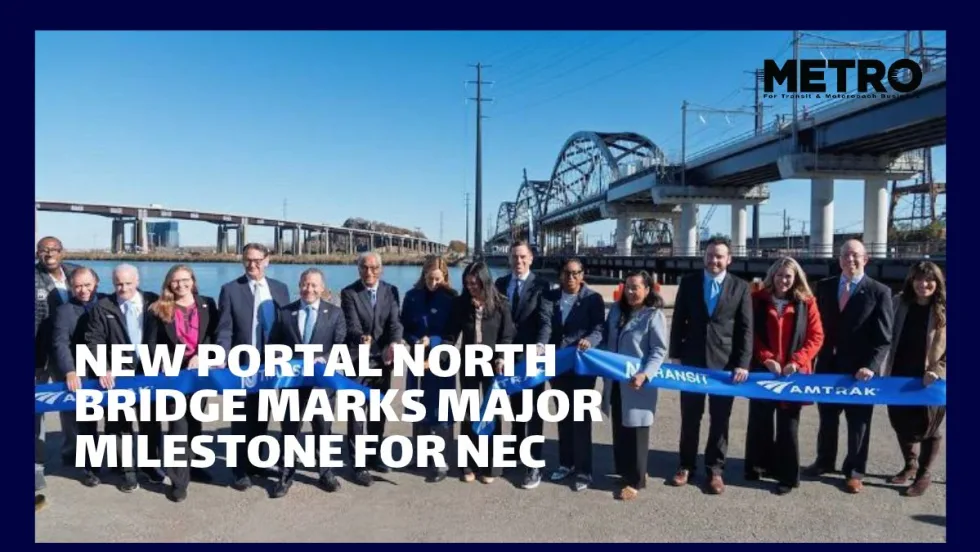
Amtrak, NJ TRANSIT Launch Full Service on New Portal North Bridge
The completion of the two-track bridge over the Hackensack River eliminates a longstanding source of delays for NJ TRANSIT and Amtrak customers. It marks a major milestone for the Gateway Program.
Read More →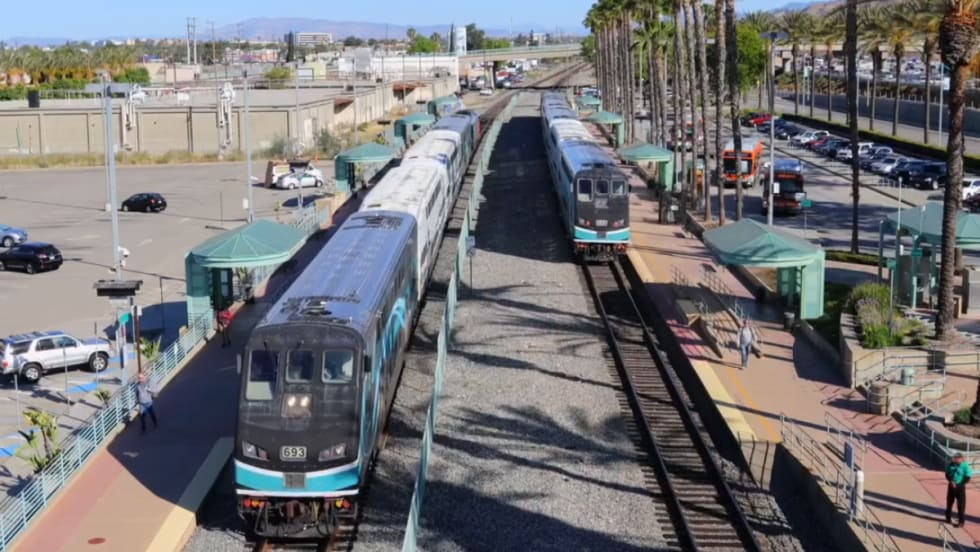
Southern California’s Metrolink Approves $508.8M Budget, Avoids Service Cuts
A $20 million state allocation allows the regional rail agency to maintain existing weekday and weekend service through fiscal year 2028, although longer-term funding challenges remain.
Read More →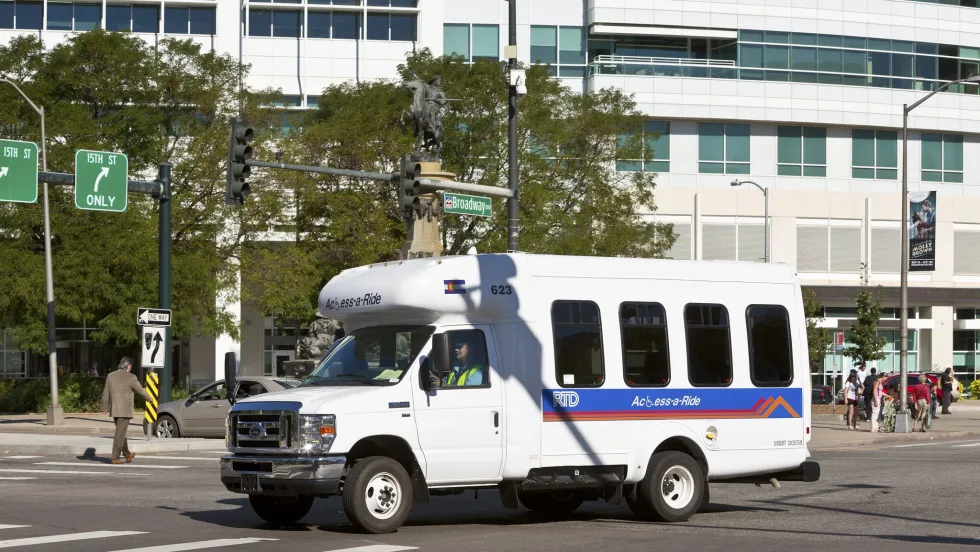
Denver RTD Committee to Review Paratransit Services, Improve Accessibility
The committee will oversee an independent study of paratransit operations, gather customer feedback, and recommend improvements to service reliability, accessibility, and accountability.
Read More →
Castro to Lead RTC of Southern Nevada and More in People Movement
In this edition, we also cover recent appointments and announcements at the STV, MCI, and more, showcasing the individuals helping to shape the future of transportation.
Read More →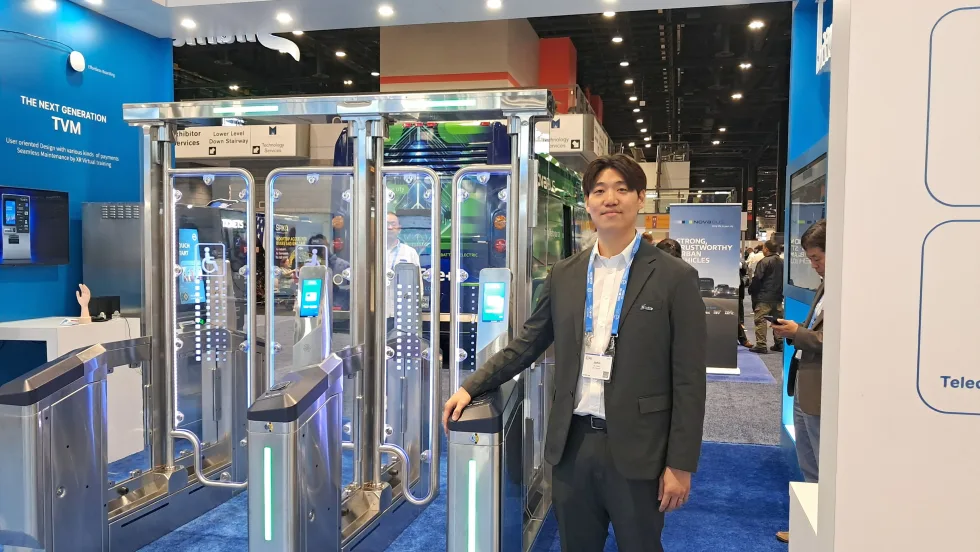
STraffic Expands North American Presence with Fare Collection Technology
John Moon, Associate Director, Product Strategy at STraffic, discusses the company's growth in North America, its efforts to reduce fare evasion, and more.
Read More →
Study: Denver RTD Generates $2.1 Billion in Annual Economic Activity
An economic impact study finds the agency supports approximately 17,500 jobs, delivers $1.6 billion in annual community and mobility benefits, and generates $2.42 in economic value for every dollar invested.
Read More →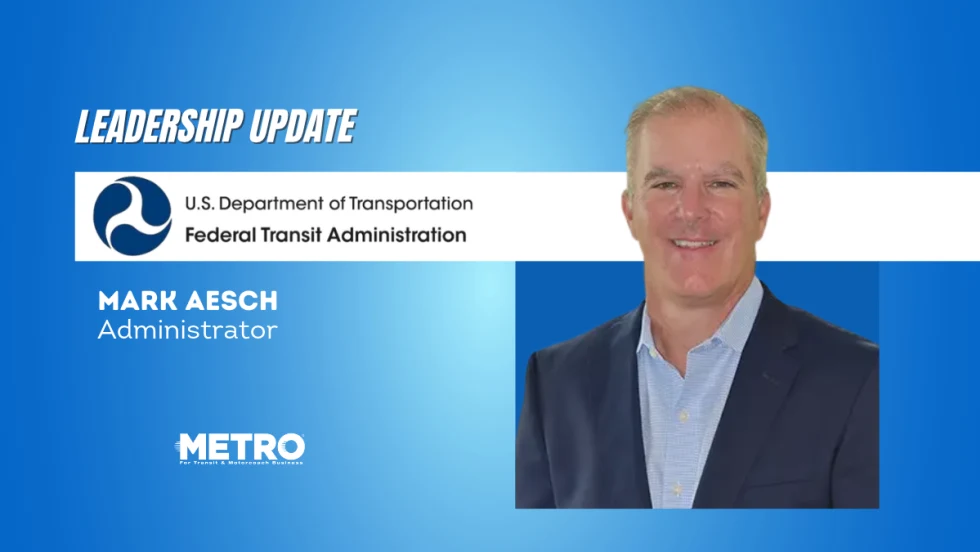
Mark Aesch Nominated to Lead Federal Transit Administration
The former Rochester transit chief and TransPro founder, who has also contributed to METRO Magazine, brings decades of industry experience and a focus on performance, accountability, and financial sustainability to the nomination.
Read More →
Best and Worst U.S. Cities for Public Transportation in 2026
A new analysis of 50 major U.S. urban areas ranks public transit systems based on accessibility, affordability, usefulness, and safety, highlighting where transit performs best and where challenges remain.
Read More →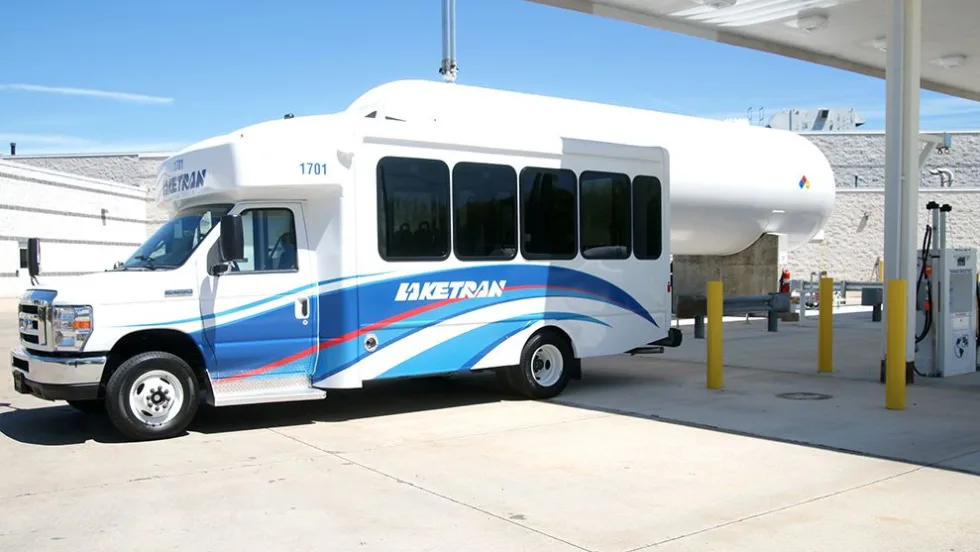
Laketran Cuts Fuel Costs, Boosts Efficiency with Propane-Powered Fleet
The Ohio transit agency is using propane-powered vehicles and on-site fueling infrastructure to cut fuel and maintenance costs while meeting growing demand for paratransit services.
Read More →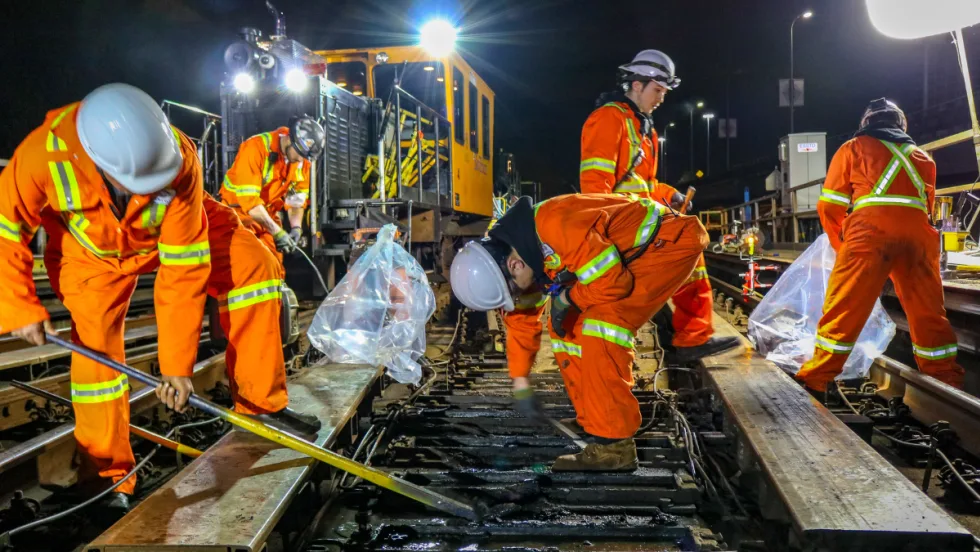
Canada’s Public Transit Supports $65.6 Billion in Annual GDP
New research from the Canadian Chamber of Commerce examines transit's economic contributions, including job creation and the financial implications of transportation investment.
Read More →