



ITS Usage Enhances Transit System Services
In this overview, find out how intelligent transportation systems are being employed to provide access to vehicle schedule updates, boost communications and allow users to pay for transit, tolls and parking with a single card.

University system offers real-time vehicle updates
In 2001, the Rutgers University campus in New Brunswick, N.J., embarked on a new transit project that equipped its fleet of 45 buses with GPS (global positioning system). Each day, the university-run transit system services 45,000 riders.
Because on-campus parking and traffic was becoming a significant challenge, the university felt that improving vehicle management through GPS would increase usage.
The university also wanted to extend GPS capabilities to include public access, says Rutgers’ Bob Spear. This was achieved through a Web-based application from Grey Island Systems, which Rutgers calls whereismybus.com.
As an Internet-based GPS/AVL (automated vehicle location), whereismybus.com allows students to log on to the Internet from any location, check the status of any bus on the system and receive detailed information on its location and estimated time of arrival. The Website operates in real-time, with updates provided every few seconds (or every 100 feet of movement of the vehicle).
The new system allows dispatch and management personnel to improve traffic flow and allocate resources according to demand. Any transit problems can be pinpointed immediately for faster remediation.
Rutgers supervisory staff is also better equipped to monitor and assess contractor performance on a day-to-day basis. In addition, as a Web-based solution that can be implemented over the existing network, there was no need to set up a new infrastructure with dedicated servers to maintain and manage the GPS system.
Smart card pays for tolls, transit and parking
The Orlando Regional Alliance for Next Generation Electronic Payment Systems (ORANGES) is a public/private partnership that allows the use of a single smart card to pay for services at selected locations of the Orlando-Orange County Expressway Authority’s toll road system, the Central Florida Regional Transportation Authority’s (LYNX) bus system and the City of Orlando’s parking garages. The project, managed by PBS&J, is a Federal Transit Administration field operational test funded through TEA 21.
The yearlong test was launched in August 2003. The common smart cards issued by each agency are being used to pay for services at the other partner agencies according to the customer’s travel and payment preferences.
“ORANGES provides a seamless payment system across various modes for our customers,” says Doug Jamison, LYNX project manager.
The ORANGES card carries electronic cash that is accepted at all three agencies, toll account information and the full range of prepaid seven-day and 30-day transit fare offerings.
In addition to the card-based payments, the project uniquely ties together card-based and account-based processing services. Each agency continues to manage its services independently while a central clearinghouse ensures that each agency receives payment for its respective services. Customers can log on to the ORANGES Website (CentsToBits.com) and view their transactions on a multi-modal Web statement.
Phoenix manages vehicles with centralized GPS system
The installation of an intelligent transportation system at City of Phoenix Public Transit is expected to provide new services and ease operations at the agency, according to Steve Brown, deputy public transit director.
Orbital Sciences’ transportation management systems division is supplying in-vehicle components as well as control center software for the agency’s new vehicle management system. A new operations control system is being constructed to manage all vehicles in the region from a single location.
The system will include real-time GPS tracking, smart mobile display terminals, a new two-way mobile radio system, pre-programmed fixed-route vehicle schedules and automatic voice annunciation both internally and externally of the vehicle. In addition, approximately 5% to 10% of the fleet will have automatic passenger counters.
The $21 million needed for the installation of this technology came from federal funds in the form of several grants.
Each week, 40 vehicles receive the ITS programs, resulting in 1,053 equipped vehicles by the August completion date. These vehicles include supervisory service trucks, fixed-route buses, paratransit and security vehicles.
Rail construction is slated to begin in the summer and will be located adjacent to the operations control center. The proximity is intended to make managing and monitoring the city’s public transportation services more convenient.
More Management

LA Metro Board Awards 220 Battery-Electric Bus Contract to ENC
The contract, which is the largest base award of battery-electric buses by a U.S. transit agency, will be built in Southern California, sustaining good jobs as LA prepares to welcome the world in 2028
Read More →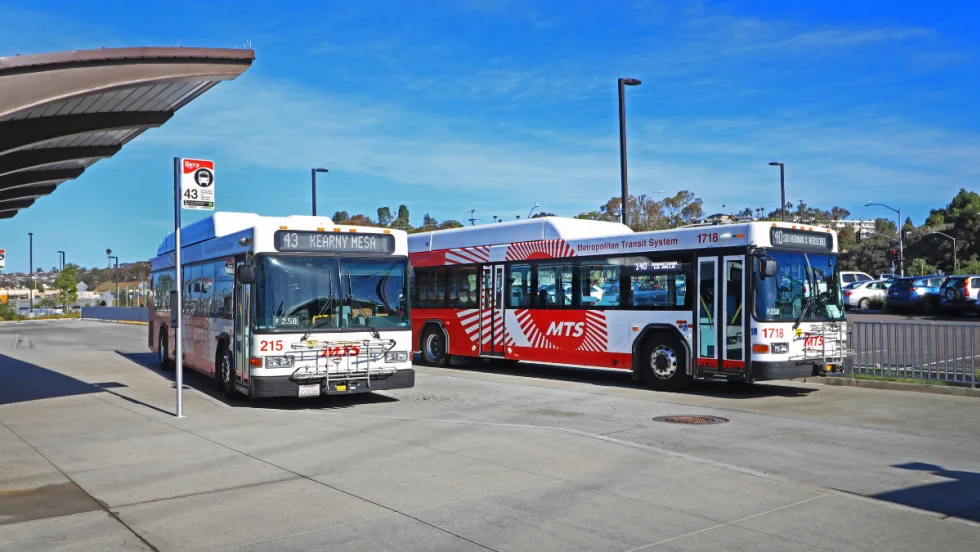
What’s Behind San Diego MTS’s Award-Winning Transit Strategy
Named one of APTA’s 2026 Outstanding Public Transportation Systems with 50 million or more annual passenger trips, California’s San Diego Metropolitan Transit System points to gains in ridership, safety, technology, and reliability as foundations of its success.
Read More →
Public Transit Conference Returning to GFX in 2027, Call for Papers Now Open
The Call for Papers is now open, allowing transit agency professionals and industry experts to help shape the PTC educational program by submitting session ideas for consideration.
Read More →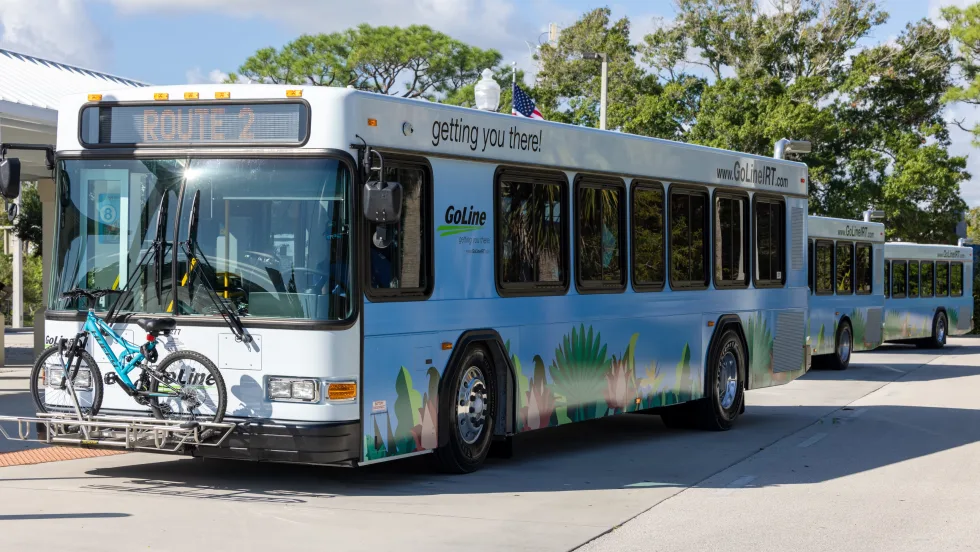
Indian River Transit’s Community-Focused Approach Earns National Recognition
Named APTA’s 2026 Outstanding Public Transportation System in its size category, Florida’s Indian River County transit system continues to grow ridership through fare-free service and a focus on evolving community needs.
Read More →
ENC Lands MATA Contract and More in Biz Briefs
In this edition of Biz Briefs, we spotlight the latest developments shaping the future of mobility.
Read More →
From Surviving to Thriving: Building Stronger Transportation Organizations
Bus Business Consultants founder Brian Dickson shares lessons on leadership, organizational health, and creating options for long-term success in a changing transportation industry.
Read More →
Everett Transit, Community Transit Outline Consolidation Agreement
The proposed agreement calls for a 50% increase in bus service in Everett, a new microtransit zone, continued paratransit service, and the transfer of Everett Transit operations to Community Transit.
Read More →
Strada360’s Steve Lassey on Turning Transit Data Into Better Decisions
From breaking down data silos to preparing for AI, Strada360 CEO Steve Lassey discusses how transit agencies can use technology to improve operations, customer information, and long-term decision-making.
Read More →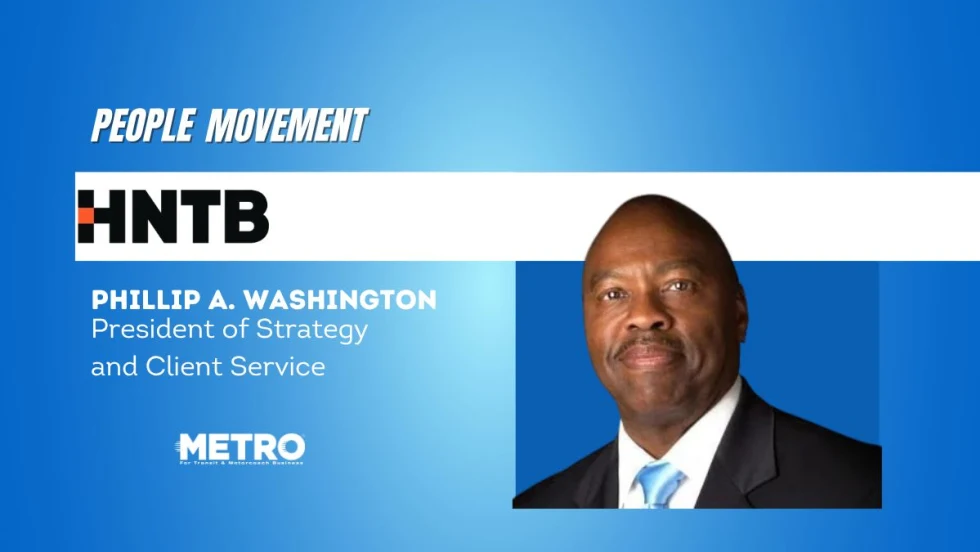
People Movement: Phil Washington Joins HNTB, Denver RTD Launches CEO Search, and More
In this edition, we also spotlight recent personnel moves at STV, the Eno Center for Transportation, and more, highlighting the people taking on new roles across the transportation industry.
Read More →
SEPTA Details Accelerate Vision for Transit System
The plan outlines investments in trolley modernization, new Metro and Regional Rail vehicles, accessible stations, and more frequent bus and rail service.
Read More →