



Las Vegas Monorail Project Blends Style, Function -- and Risk
Privately financed, this $650 million transportation system is being built to Las Vegas' unique standards with sleek car design and "pavilions" instead of stations. Long-term viability will depend on farebox, advertising and merchandising revenue.
Monorails are nothing new in Las Vegas. A number of short-line, low-speed tourist movers already connect various resort properties lining the Las Vegas Strip. Seeing the popularity of this mode of transportation and the increasing traffic congestion in the desert town, the Las Vegas Monorail Corp. is moving forward with an extended line that will link seven major hotels on the Strip and the Las Vegas Convention Center. The potential impact of this project on other transit systems nationwide could be enormous for several reasons. In addition to being in a high-profile location, the Las Vegas system is the largest urban monorail project under construction in the United States. It is a privately funded project, with significant risk for the investors. First phase underway Ground was broken last August on the first four-mile phase of the monorail project. The target opening date is January 2004. A second four-mile link is under environmental review, with additional extensions being considered. It will begin operation with four-car trains, but the stations are large enough to handle eight-car trains. The initial capacity of the system is expected to be nearly 4,000 riders per hour per direction, with four-minute intervals between trains. If there is sufficient demand, more cars can be added, increasing the capacity to more than 18,000 riders per hour per direction. Estimates indicate the monorail will carry 19 million people in its first year of operation, running 12 hours per day, 365 days per year. Like the city of Las Vegas itself, the design of the monorail stems from surprisingly diverse influences. The Bally's and MGM Grand resorts, which already have a one-mile monorail linking them, had bought several Walt Disney World monorail cars that Bombardier refurbished. The new system will feature cars designed by Equus Design and manufactured by Bombardier. The existing one-mile line between Bally's and the MGM Grand will be absorbed into the new system, but the existing cars will be replaced. Monorail cars updated The refurbished Disney Mark VI monorail cars do not satisfy current standards, says John Creel, the CEO of Equus. "The old design had a number of problems," he says. "Standards have changed, such as the height of doors, and wheelchair access is now required." In addition, the new trains will be much faster, traveling up to 50 mph. Creel says the cars were designed using lightweight materials because weight is a critical concern for an elevated train with a narrow, 26-inch footprint, especially with the addition of computer controls and larger, heavier doors for wheelchair access. In addition to practical considerations, issues surrounding the unique setting of the monorail had to be addressed. Considering that the location is essentially a themed adventure playground for grownups, it comes as no surprise that Las Vegas wanted something different. "When the monorail was built from MGM to Bally's, it was an amazing success, especially considering that 7 million people a year are taking it to go from nowhere to nowhere," Creel says. "It changed transportation from punishment to entertainment. It made the ride pleasant because it's futuristic." Sex appeal required David Stollery, one of the Equus designers involved in the project, says form and function required the proper balance. "Bombardier was primarily concerned with developing a cost-effective and reliable system," he explains. "For Las Vegas, we also had to create a design that is sexy, exciting and entertaining. Riders in Las Vegas aren't looking for basic transportation that's a 'prison on wheels,' but something that's fun and fashionable." To that end, the sleek shape features racy exterior vents at the nose, along with blacked-out windscreens and stanchions. Stollery describes the interior as flowing, with serpentine and voluptuous shapes. "I wanted to do more with the graphics and the floor covering to make a Vegas statement," adds Stollery, "but expense and maintenance were concerns since Bombardier has the service contract as well." The nose was originally longer, but was shortened to make 90-degree turns on the route. Other monorail planners have taken particular note of the monorail's ability to wind its way through and around sharp curves. They also are impressed by the use of thinner beams and smaller and fewer columns spaced up to 120 feet apart. Granite Construction Co. is building the track and stations, with an estimated cost of less than $100 million per mile. Adding to the monorail's entertainment quotient is the design of the seven route stops. Advertising is done differently, says Creel. "The stations are called pavilions and sponsored by major corporations with merchandising opportunities, according to their vision." Fare collection touted An innovative technology for fare collection provided by Rapidtron is an intrinsic part of the Las Vegas monorail system. Rapidtron provides radio frequency smart access-control systems that facilitate rapid, operator-free entry and exit through automated turnstiles or portals, as well as optional hands-free entry. The system uses either read-write smart cards or bar-code paper tickets. This dual capability allows a venue to reissue numerous types and durations of access privilege cards. Its open architecture allows for an easy interface with existing back-office software. Conceivably, the card could be used as pre-purchased access for events and other venues that visitors travel to by the monorail, or other types of transportation systems. Disney's vision of transit Prospects for the success of the system are uncertain, but the vision is clear. "It brings a vision that Walt Disney had for the future of transit, but never happened," Creel says. "Transit authorities viewed Disney's monorail as entertainment. They never saw it as moving people for transportation. A lot of cities are watching this program very closely. With a small footprint -- half that of light rail - it can go right down the center of a freeway on an elevated track."
More Rail
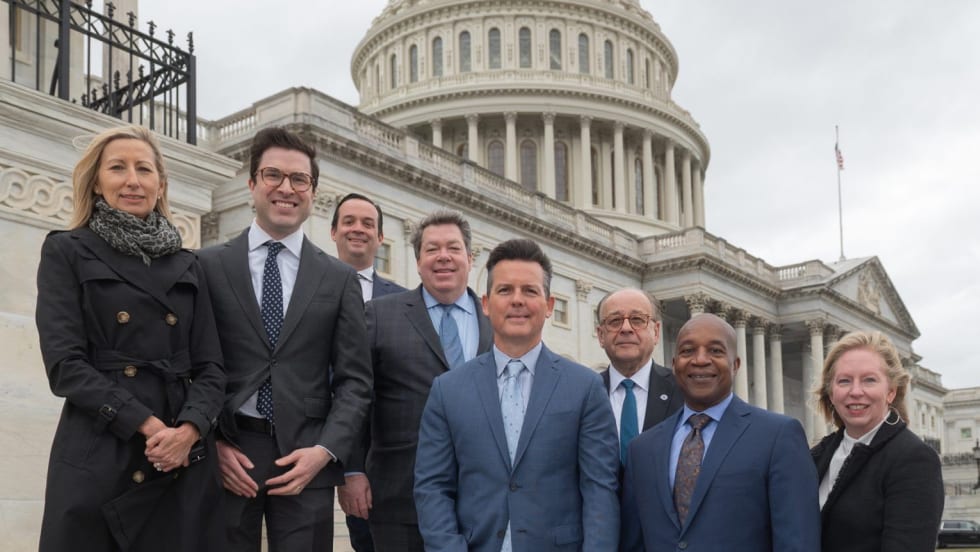
The Business Voice Behind Public Transportation
As chair of APTA’s Business Members Board of Governors, Ray Melleady explains how more than 850 business members are partnering with transit agencies to advance funding, innovation, and industry-wide collaboration.
Read More →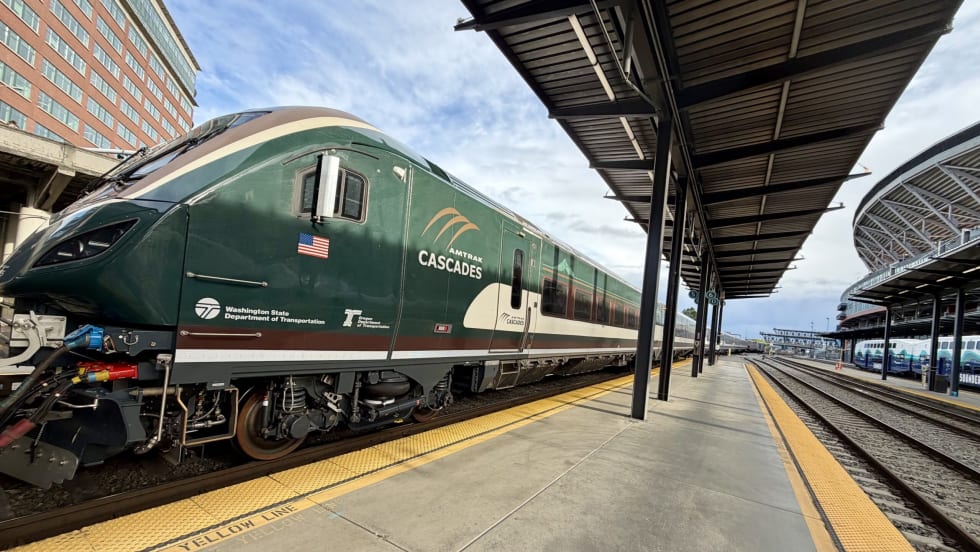
FRA Announces $5.3B in Rail Investments, Including $2B for Amtrak
Funding will support grade-crossing improvements, infrastructure upgrades, and new Amtrak equipment in 23 states.
Read More →
Finding the ‘Happy Medium’: Optimizing Maintenance Without Sacrificing Reliability
The key to maintenance optimization isn’t doing less work—it’s doing the right work at the right time on the right assets.
Read More →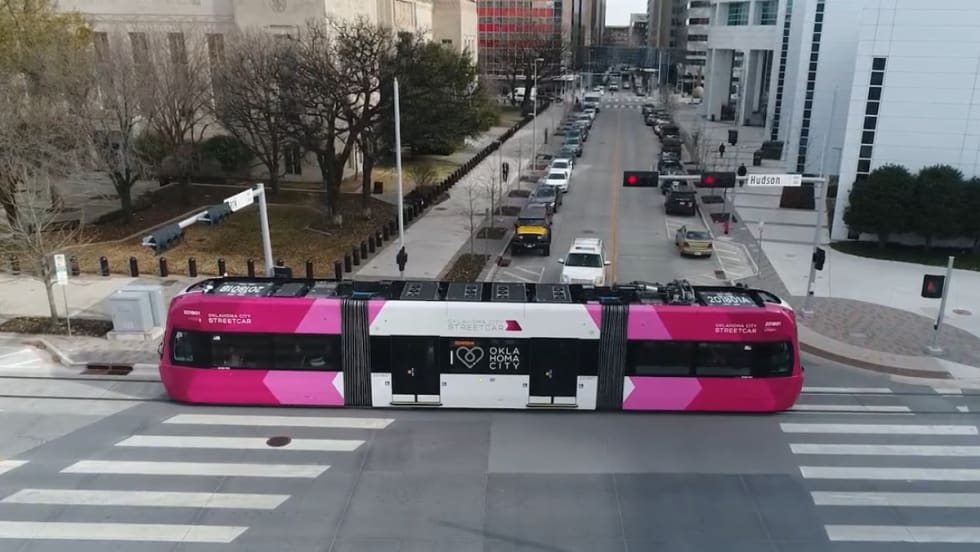
OKC Streetcar Makes Zero-Fare Service Permanent
Ridership increased an average of 71% compared with the same period a year earlier during the fare-free pilot.
Read More →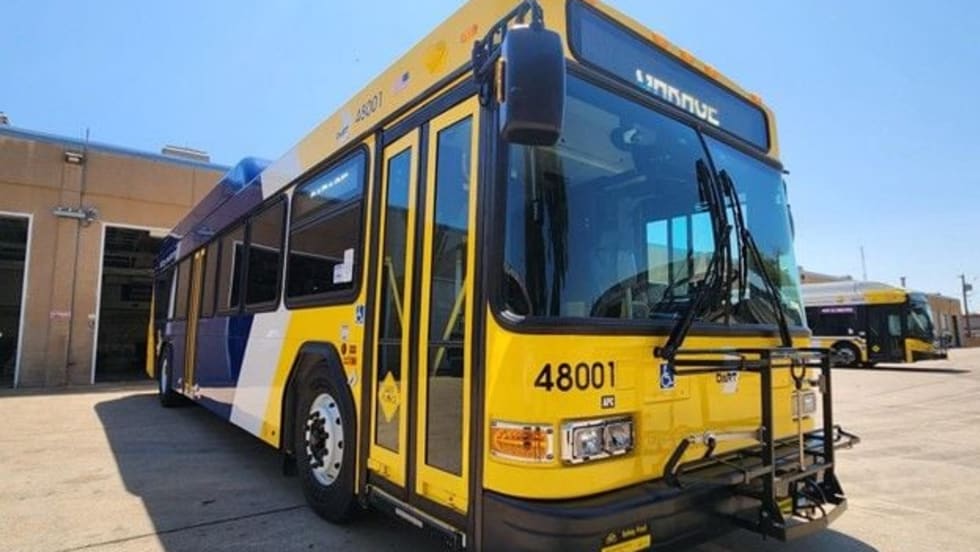
DART Customer Satisfaction Reaches Six-Year High
Overall satisfaction rose to 74.9%, while the agency’s Net Promoter Score reached a record 33.7.
Read More →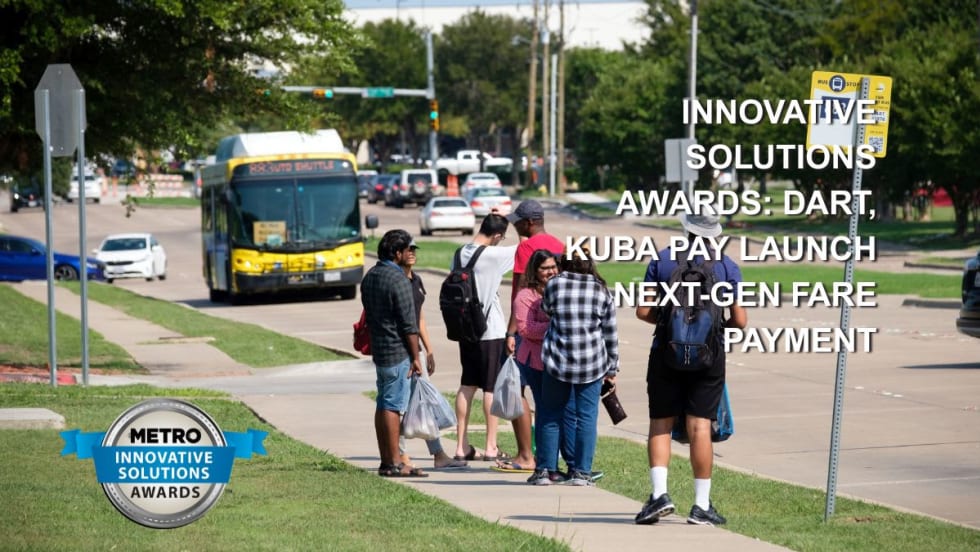
How DART's GoPass Is Redefining Regional Mobility
Serving 14 transit agencies, GoPass simplifies multimodal travel by allowing riders to plan, pay for, and manage an entire trip through one app.
Read More →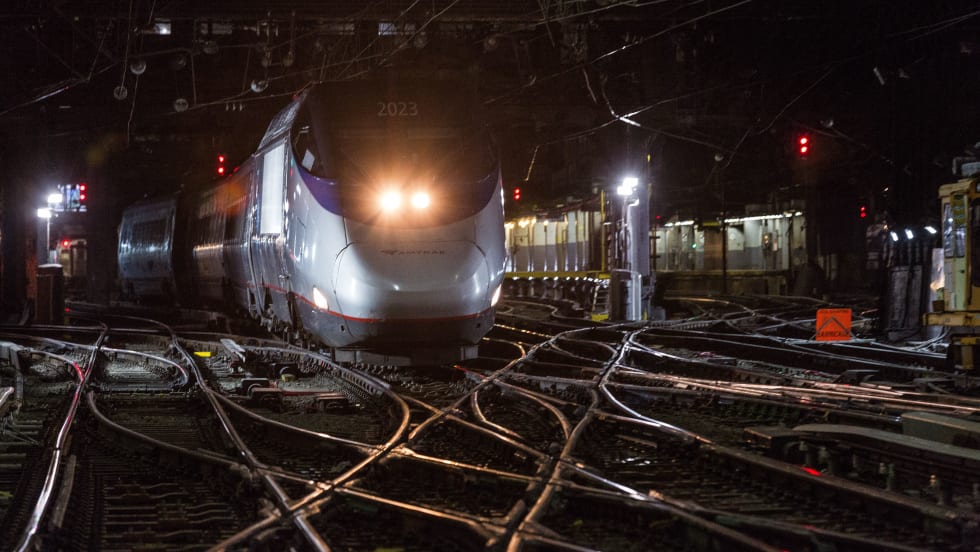
Amtrak Board Advances Plan to Restructure Organization, Seeks Public Input
The proposal, developed by Amtrak management and approved by the board for further consideration, is intended to modernize the organization's structure while improving accountability, operational efficiency, and customer service.
Read More →
Biz Briefs: STV teams with Amtrak, Motorcoach Operators Boost Fleet and Land Contracts, and More
From manufacturers and suppliers to transit agencies and motorcoach operators, these updates offer a snapshot of the projects, partnerships and business moves driving the industry forward.
Read More →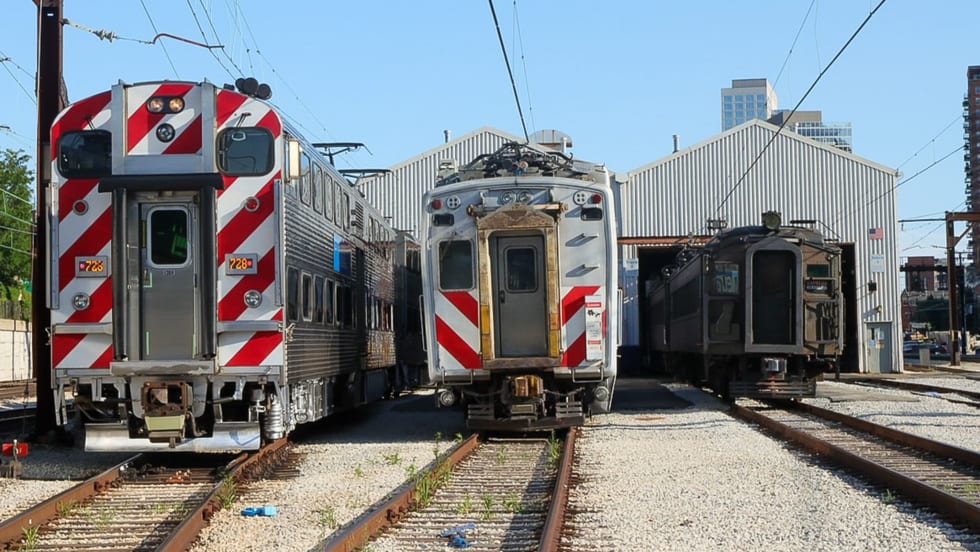
Metra Celebrates 100 Years of Electric Rail, Looks to the Future
The event was also a celebration of recent reforms to public transportation in the Chicago area, changes that could be as transformative in the future as the major civic achievement a century ago, said officials.
Read More →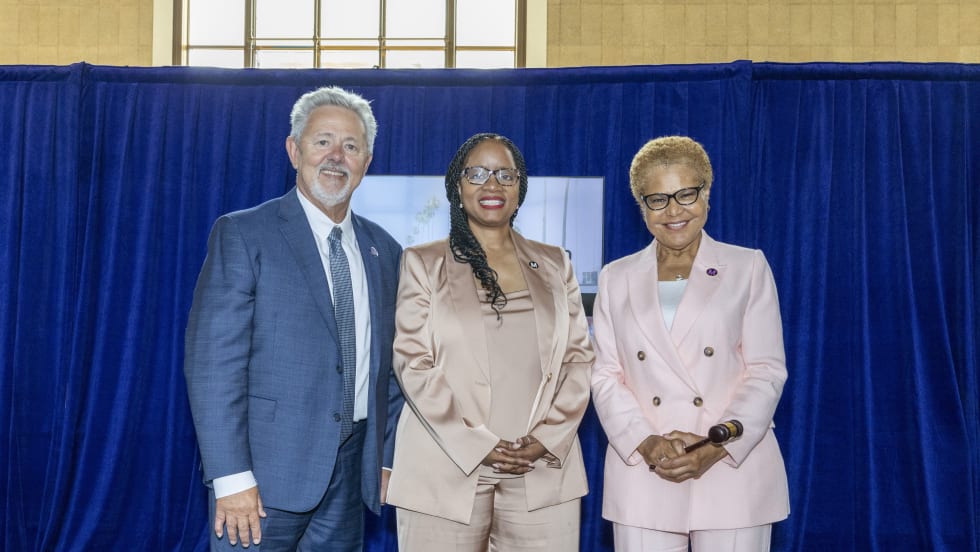
LA Metro Marks Banner Year, Sets Ambitious Goals for New Fiscal Year
Incoming LA Metro Board Chair and Los Angeles Mayor Karen Bass joined outgoing Board Chair Fernando Dutra and LA Metro CEO Stephanie Wiggins to review accomplishments from fiscal year 2026, which included the opening of new rail extensions, advancement of major transit projects, expanded safety programs, and new rider amenities.
Read More →