



Let the good times roll
The economy is showing signs of turning around but now is no time to rest.

The impact of the U.S. economic downturn on mass transportation, public and private, has been profound. Over the past couple of years we’ve seen it take a devastating toll on tour and charter bus operators, with many forced out of business, as well as public transit agencies, many of which have been forced to reduce service, raise fares and, in some cases, lay off employees. Transit properties have been patiently waiting for an economic recovery that will return badly needed tax dollars to their coffers, but the downturn has persisted longer than expected. In recent months we’ve seen encouraging signs that the health of the economy is returning to normal. Forecast is encouraging. . . Reinforcing this notion is James F. Smith, a professor of finance at the University of North Carolina. Smith, who has been called “the most accurate economic forecaster” by the Wall Street Journal, spoke at the annual meeting of the American Public Transportation Association (APTA) in Salt Lake City and sounded an encouraging note of optimism. Basically, Smith said prosperity is right around the corner. He said the economic outlook for the next several years is excellent. “Good times are coming until about 2010,” he said. In the short term, he believes that the next two years will be the best in the past 20 years. On what does the professor base his optimism? Smith says the upcoming 2004 presidential election is a key factor. Because many Americans vote with their pocketbooks, Smith believes that President George Bush has set the stage for an economic rebound, with his success in the November 2004 election hanging in the balance. “Americans must feel much better off financially than they do right now,” Smith says. Smith believes that Bush’s tax reductions in 2001 and 2003 will increase real disposable income per capita — just in time for next year’s presidential election. He also believes that the U.S. economy will create 2 million to 3 million new jobs over the next year or so and that energy prices will decline once Iraq gets its oil production back in line with its capacity. “There are plenty of things to worry about in the world, but the health and robustness of the economy are not among them,” Smith said. I agree with the professor; I think good times are ahead. I think you probably do, too. But public and private transportation providers need to maintain the efficiencies that have, in many cases, been forced upon them. Just as he believes that good times are ahead for the next seven or eight years, Smith also believes that another downturn will occur eventually. In fact, Smith warned that another devastating terrorist attack on U.S. soil could throw a wrench into the economic engine that’s just beginning to roar again. And there’s no guarantee that terrorists will not strike again, even though the Department of Homeland Security is taking every reasonable precaution to prevent such an attack. . . . but complacency is dangerous Despite Smith’s persuasive arguments that good times are returning, I think we need to press the federal government for greater investment in transit programs. As we know all too well, local and state funding can freely flow — and dry up — without regard to the needs of communities for expansion and modernization of transportation systems. On Sept. 30, TEA 21 expired without approval of reauthorization legislation. It would behoove the transit industry to renew the call to Congress and the Bush administration for greater investment in transit. We can’t rely on the rekindling of economic growth — no matter how good the prospects are — to provide critical funding for new rolling stock and improvements in aging infrastructure.
More Management
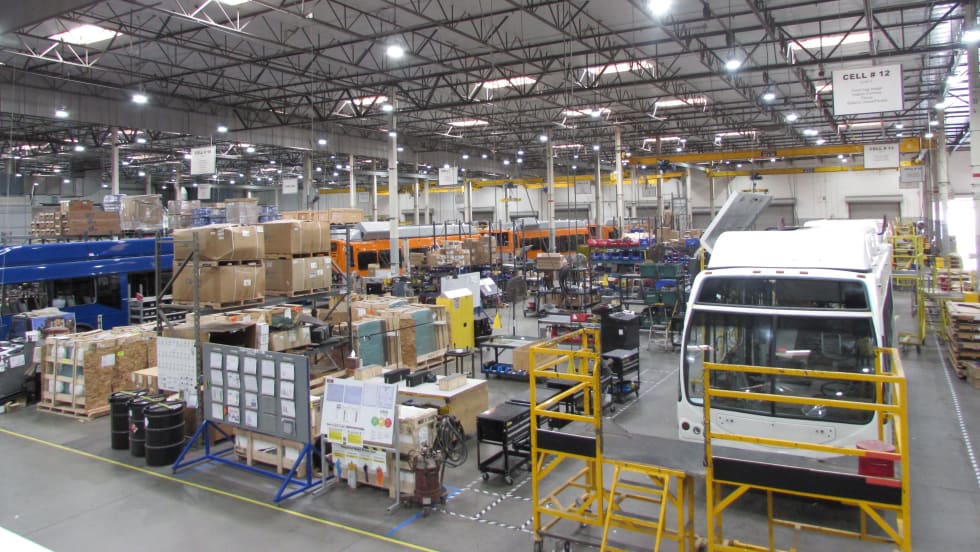
LA Metro Board Awards 220 Battery-Electric Bus Contract to ENC
The contract, which is the largest base award of battery-electric buses by a U.S. transit agency, will be built in Southern California, sustaining good jobs as LA prepares to welcome the world in 2028
Read More →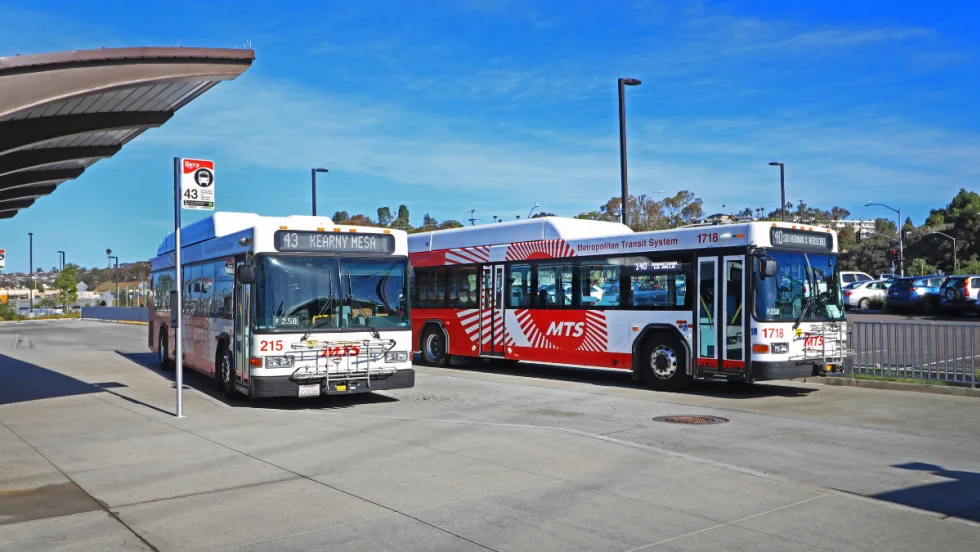
What’s Behind San Diego MTS’s Award-Winning Transit Strategy
Named one of APTA’s 2026 Outstanding Public Transportation Systems with 50 million or more annual passenger trips, California’s San Diego Metropolitan Transit System points to gains in ridership, safety, technology, and reliability as foundations of its success.
Read More →
Public Transit Conference Returning to GFX in 2027, Call for Papers Now Open
The Call for Papers is now open, allowing transit agency professionals and industry experts to help shape the PTC educational program by submitting session ideas for consideration.
Read More →
Indian River Transit’s Community-Focused Approach Earns National Recognition
Named APTA’s 2026 Outstanding Public Transportation System in its size category, Florida’s Indian River County transit system continues to grow ridership through fare-free service and a focus on evolving community needs.
Read More →
ENC Lands MATA Contract and More in Biz Briefs
In this edition of Biz Briefs, we spotlight the latest developments shaping the future of mobility.
Read More →
From Surviving to Thriving: Building Stronger Transportation Organizations
Bus Business Consultants founder Brian Dickson shares lessons on leadership, organizational health, and creating options for long-term success in a changing transportation industry.
Read More →
Everett Transit, Community Transit Outline Consolidation Agreement
The proposed agreement calls for a 50% increase in bus service in Everett, a new microtransit zone, continued paratransit service, and the transfer of Everett Transit operations to Community Transit.
Read More →
Strada360’s Steve Lassey on Turning Transit Data Into Better Decisions
From breaking down data silos to preparing for AI, Strada360 CEO Steve Lassey discusses how transit agencies can use technology to improve operations, customer information, and long-term decision-making.
Read More →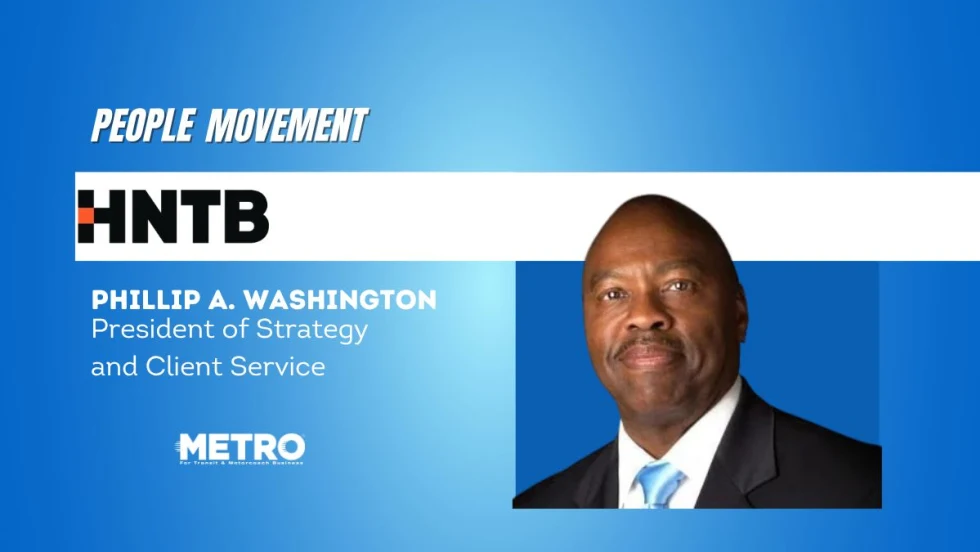
People Movement: Phil Washington Joins HNTB, Denver RTD Launches CEO Search, and More
In this edition, we also spotlight recent personnel moves at STV, the Eno Center for Transportation, and more, highlighting the people taking on new roles across the transportation industry.
Read More →
SEPTA Details Accelerate Vision for Transit System
The plan outlines investments in trolley modernization, new Metro and Regional Rail vehicles, accessible stations, and more frequent bus and rail service.
Read More →