



Martz Orlando Strikes the Perfect Balance
Orlando, Fla., charter operation gets a lot of mileage out of local trolley service while maintaining its roots with parent company Martz Group.
Since 1986, Martz Orlando has had the benefits of operating under a parent company, the Martz Group, while retaining the freedom to provide independent services to the Orlando, Fla., area. Charlie Cummings, general manager of Martz Orlando, will quickly tell you that working as part of the Martz Group has its share of advantages, including increased buying power and pooled company resources. "We can share customer data and customer information," he says. Cummings says he can also use buses from other Martz locations to help out in a bind. "I've taken buses from Fredericksburg, Va., and Manassas, Va., to a golf tournament in Massachusetts," he says. "It's that type of situation, where you can pull so many [buses] out of each organization and go off and do different types of work." And doing different types of work is one of the things that makes Martz Orlando so successful. The company's charter buses travel anywhere in the United States and Canada. The company offers a variety of buses, including mini- and regular buses. "We have Prevost and MCI, and they range from 29- to 56-passenger coaches," says Cummings. Taking advantage of the area Martz Orlando also operates the trolley line for the International Drive District, known as I-Drive. That area is home to more than 260 stores, 200 restaurants, 54 hotels, three major attractions and the sixth-largest convention facility in the country. Martz Orlando uses 15 41-passenger trolleys built by Supreme Corp. to transport tourists and locals along the I-Drive District. "We run a 15-mile system from one end to another, just back and forth," says Cummings. "It goes from one shopping mall to another, and then from all the hotels and restaurants on International Drive." Cummings bid on the project and used his experience with trolleys as leverage for securing the five-year contract. "At the time of the bid I was in D.C. managing one of our companies up there, Goldline, and I was in trolleys there," Cummings says. "By having trolleys up there we had a little more knowledge about what was going on, so it helped us in preparing our bid and getting things done." Martz Orlando just renewed its contract for the I-Ride trolley program for another five years. According to Cummings, I-Ride is the most popular service his operation provides because "it is simply a great transit system." The service is well received by conventioneers and tourists visiting from other countries. "People are coming here now from England, Scotland and South America -- a lot of Brazilians," Cummings says. "They used to come and get rental cars. They don't do that now because the transit system is so good." Likewise, convention-goers find I-Ride the most practical and convenient service for daily transport to the nearby convention center. "They can buy a one-day pass for a buck," says Cummings. "You can go up to the convention center and back to your hotel for a dollar a day. Why would you want a rental car or anything else?" Daily ridership on I-Ride has increased from 3,015 in fiscal year 1997 to 4,571 in 2001. Prior to Sept. 11, I-Ride transported between 160,000 to 180,000 people a month. "Back then it was standing room only," Cummings says. That number subsequently dropped to between 130,000 to 140,000 riders per month. Being 'in the know' Martz Orlando prides itself on keeping its employees in the loop when it comes to special offers and programs happening on I-Drive. "We have monthly meetings with our trolley drivers to bring them up to date on what's going on," Cummings says. "We have people on International Drive come in and give a briefing on what's happening so [the drivers] can help sell their projects." The ongoing communication between I-Drive and Martz Orlando ensures that riders receive more than just transportation to and from attractions. "Every driver receives a book on the monthly I-Drive events," Cummings says. "It tells them about the coming events for the month, everything that's going on at the convention center, what groups, who they are, how many and anything special happening on International Drive. So if people ask something about an event on International Drive, the driver knows what is there." Trolley drivers are not the only Martz Orlando drivers who receive continuous training and coaching. Martz Orlando brings in all its drivers (of which it currently has 71) and employees twice a year for a four-hour program aimed at "pumping them up" and updating them on things happening at the company. Also, under the Martz Group, all operations are required to bring employees in for briefings once a year. "We have a safety and training department, and training's a constant thing," Cummings says. "Everybody has to go through training on alternate lifts, all the different coaches and new and updated things." For more on Martz Orlando, visit its Website at www.martzorlando.com
More Management
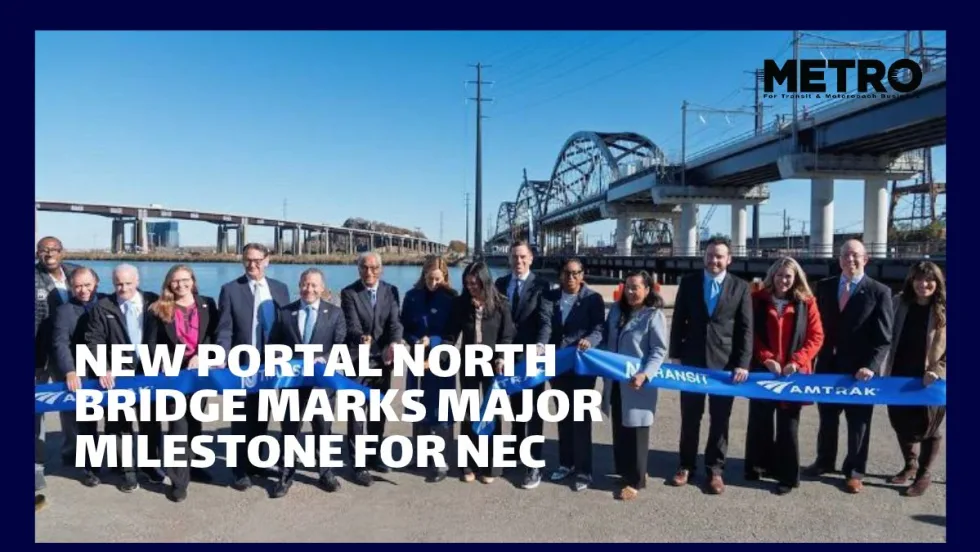
Amtrak, NJ TRANSIT Launch Full Service on New Portal North Bridge
The completion of the two-track bridge over the Hackensack River eliminates a longstanding source of delays for NJ TRANSIT and Amtrak customers. It marks a major milestone for the Gateway Program.
Read More →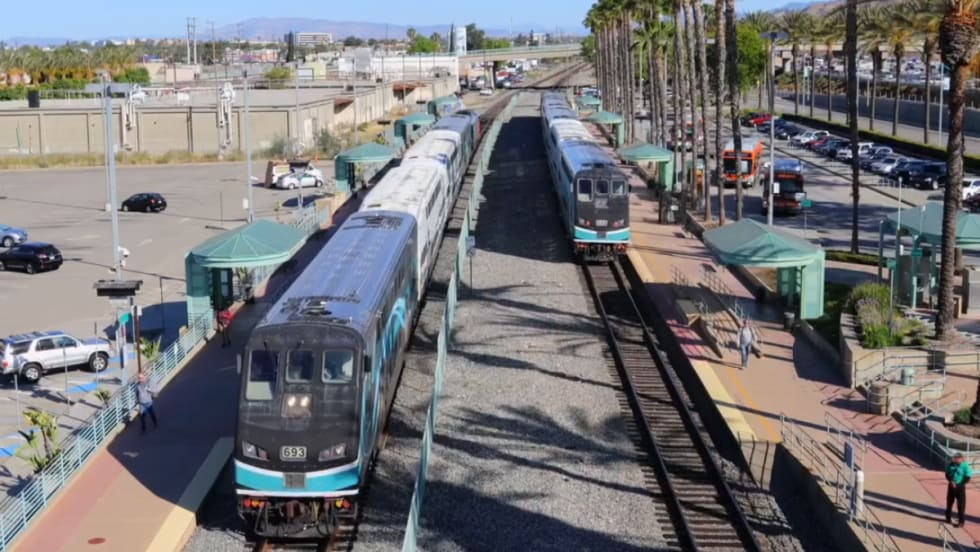
Southern California’s Metrolink Approves $508.8M Budget, Avoids Service Cuts
A $20 million state allocation allows the regional rail agency to maintain existing weekday and weekend service through fiscal year 2028, although longer-term funding challenges remain.
Read More →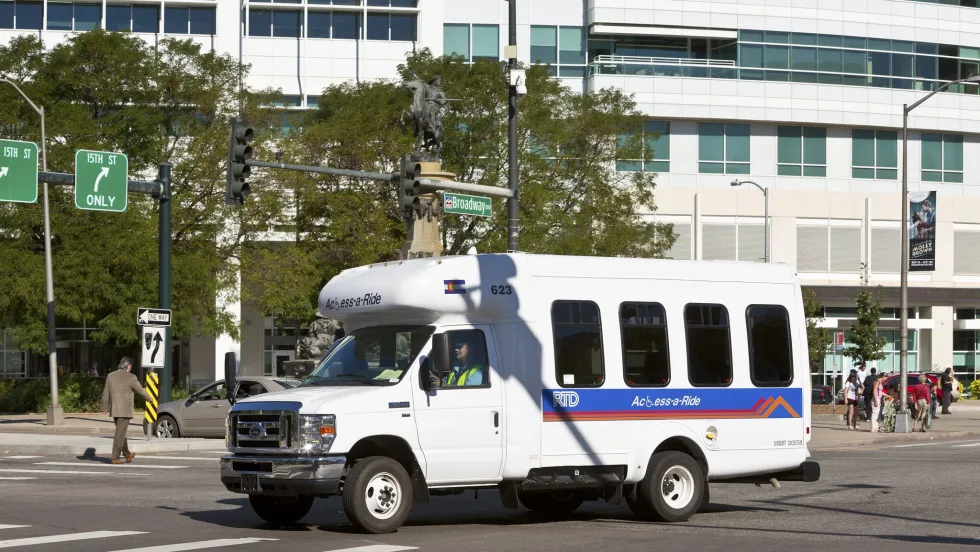
Denver RTD Committee to Review Paratransit Services, Improve Accessibility
The committee will oversee an independent study of paratransit operations, gather customer feedback, and recommend improvements to service reliability, accessibility, and accountability.
Read More →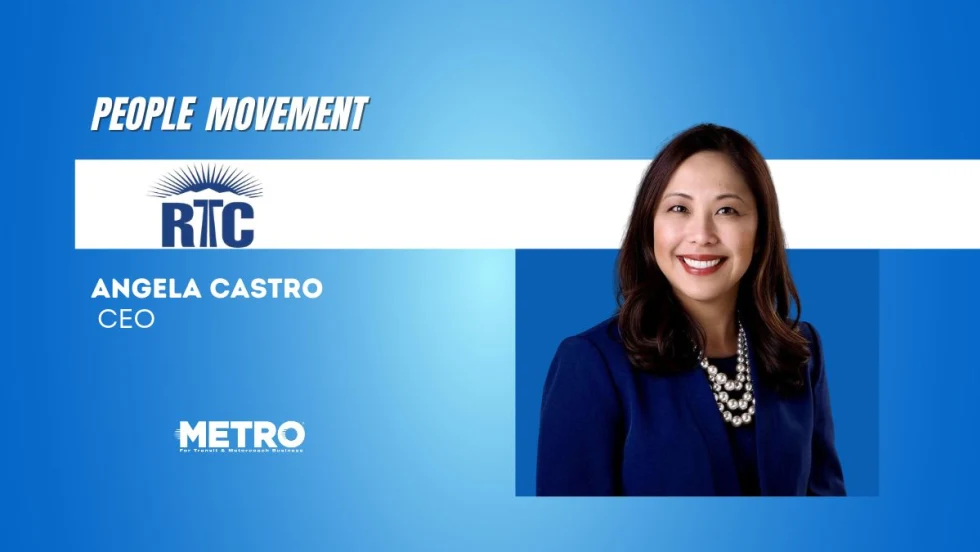
Castro to Lead RTC of Southern Nevada and More in People Movement
In this edition, we also cover recent appointments and announcements at the STV, MCI, and more, showcasing the individuals helping to shape the future of transportation.
Read More →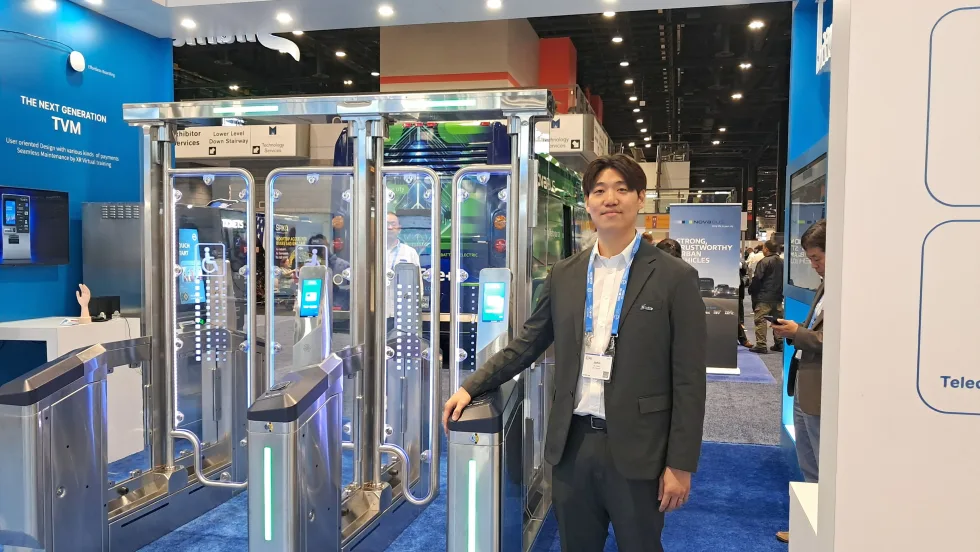
STraffic Expands North American Presence with Fare Collection Technology
John Moon, Associate Director, Product Strategy at STraffic, discusses the company's growth in North America, its efforts to reduce fare evasion, and more.
Read More →
Study: Denver RTD Generates $2.1 Billion in Annual Economic Activity
An economic impact study finds the agency supports approximately 17,500 jobs, delivers $1.6 billion in annual community and mobility benefits, and generates $2.42 in economic value for every dollar invested.
Read More →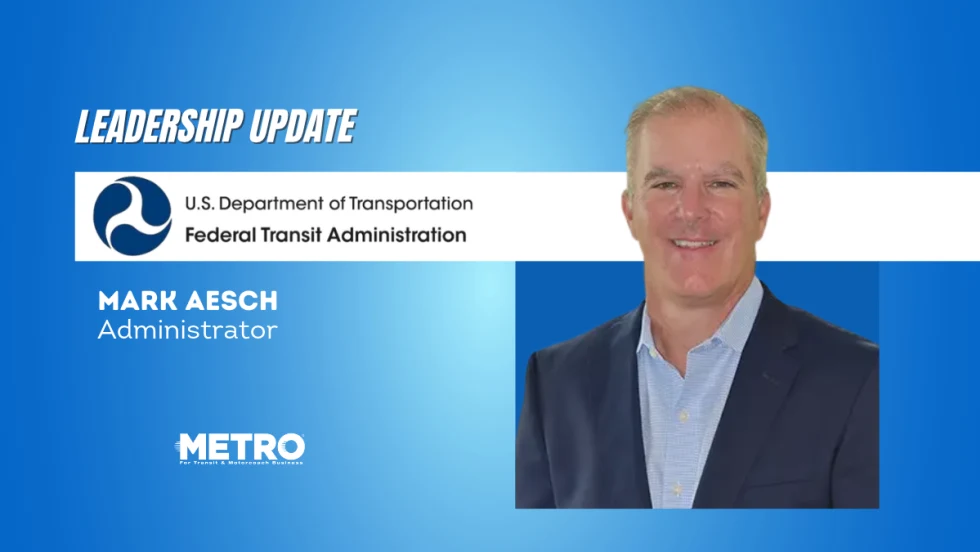
Mark Aesch Nominated to Lead Federal Transit Administration
The former Rochester transit chief and TransPro founder, who has also contributed to METRO Magazine, brings decades of industry experience and a focus on performance, accountability, and financial sustainability to the nomination.
Read More →
Best and Worst U.S. Cities for Public Transportation in 2026
A new analysis of 50 major U.S. urban areas ranks public transit systems based on accessibility, affordability, usefulness, and safety, highlighting where transit performs best and where challenges remain.
Read More →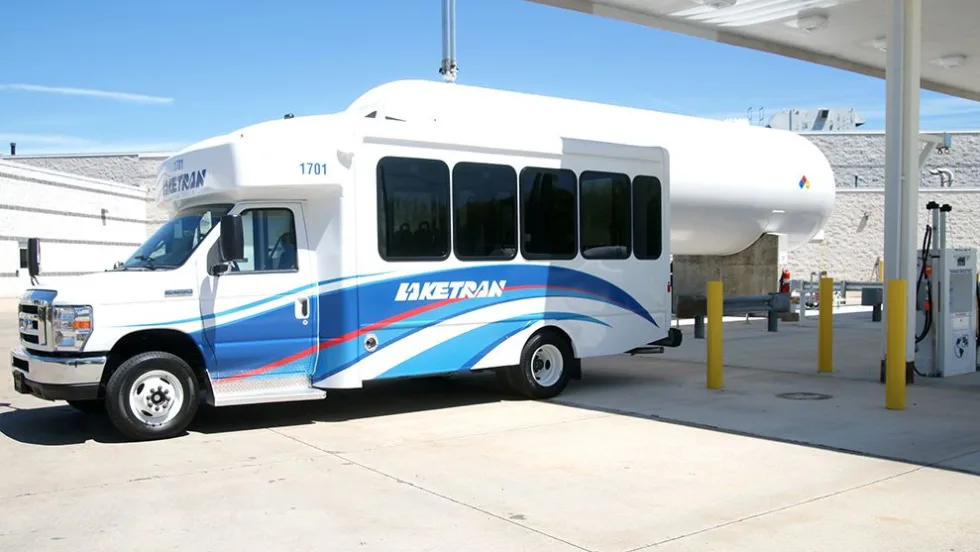
Laketran Cuts Fuel Costs, Boosts Efficiency with Propane-Powered Fleet
The Ohio transit agency is using propane-powered vehicles and on-site fueling infrastructure to cut fuel and maintenance costs while meeting growing demand for paratransit services.
Read More →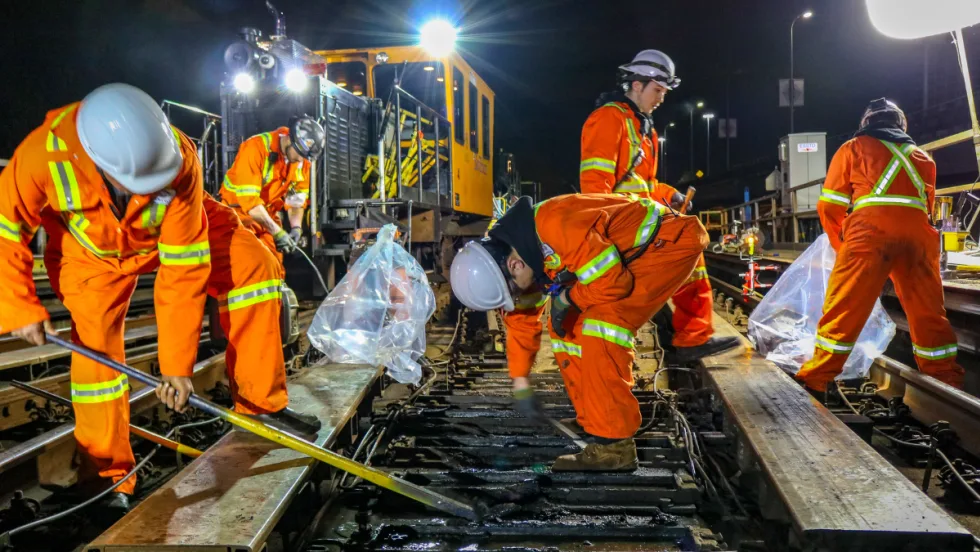
Canada’s Public Transit Supports $65.6 Billion in Annual GDP
New research from the Canadian Chamber of Commerce examines transit's economic contributions, including job creation and the financial implications of transportation investment.
Read More →