



Maryland Transit upgrades ability to track training and certification
Employees at the Maryland Transit Administration can aceess training records, register for classes and take tests using a new learning management system.
Keeping track of the career development of 3,200 employees can be quite time-consuming, especially if done the old-fashioned way. The Maryland Transit Administration (MTA) recently switched to a high-tech system to track employee training that has saved time and money and improved productivity. Before purchasing learning management system (LMS) software provided by Pathlore Software Corp., the MTA’s training records were kept by hand or with computer spreadsheets, according to Joseph Seitz, director of the MTA’s Office of Training and Development. Not only did this create extra work, but employees wishing to tap into their own training records would have to wade through a formal request system. Using LMS made the process much more accurate and consistent, he said. With LMS in place, MTA can save up to 1,000 hours a year in the training department’s logistics, said Pathlore spokesman Bill Perry. Additionally, all types of employees, from bus operators and mechanics to executive directors and general managers, can use LMS to manage their own career development by registering for classes and tracking professional certifications either at MTA’s computer labs or at home. “This system changes the way we think about developing our employees,” Seitz said. “We’re giving them the power to direct their careers, and we’re holding everyone in our organization accountable.” With a click of a mouse, employees can register for a class, review transcripts or take training and even certification tests, if applicable, online. LMS can also analyze gaps in skill sets by analyzing employee records and comparing their skills to job classifications. A recommended training course is then offered, and steps can be taken to set up a class on the required subject. “There’s a whole level of confidence that the person you’re assigning to the position has the skills and qualifications to do what you’re asking them to do,” Seitz said. LMS also offers a real-time snapshot of employee development. Besides analyzing employee know-how, Seitz said he can use LMS to tell his team what size classrooms are needed on any given day, how many instructors should be scheduled and how many employees are expected in the class. “The LMS keeps training on track like an air-traffic control system keeps planes on route,” Seitz added. “It also lets our workers see detailed descriptions of the training well in advance of their classes.” Real-time records also help MTA better comply with Federal Transit Administration audits by allowing auditors to obtain the necessary records in just a few keystrokes. Being able to provide agencies with information easily through LMS really streamlines the process, Seitz said. “With the LMS, you have an online record of everyone who did and didn’t complete the training,” Perry said. “Managers don’t have to rely on instructors and workers to report the outcome of classes. Ultimately, this reduces the risk of fines and penalties for failing to comply with government-mandated training.”
More Management

Public Transit Conference Returning to GFX in 2027, Call for Papers Now Open
The Call for Papers is now open, allowing transit agency professionals and industry experts to help shape the PTC educational program by submitting session ideas for consideration.
Read More →
Indian River Transit’s Community-Focused Approach Earns National Recognition
Named APTA’s 2026 Outstanding Public Transportation System in its size category, Florida’s Indian River County transit system continues to grow ridership through fare-free service and a focus on evolving community needs.
Read More →
ENC Lands MATA Contract and More in Biz Briefs
In this edition of Biz Briefs, we spotlight the latest developments shaping the future of mobility.
Read More →

From Surviving to Thriving: Building Stronger Transportation Organizations
Bus Business Consultants founder Brian Dickson shares lessons on leadership, organizational health, and creating options for long-term success in a changing transportation industry.
Read More →
Everett Transit, Community Transit Outline Consolidation Agreement
The proposed agreement calls for a 50% increase in bus service in Everett, a new microtransit zone, continued paratransit service, and the transfer of Everett Transit operations to Community Transit.
Read More →
Strada360’s Steve Lassey on Turning Transit Data Into Better Decisions
From breaking down data silos to preparing for AI, Strada360 CEO Steve Lassey discusses how transit agencies can use technology to improve operations, customer information, and long-term decision-making.
Read More →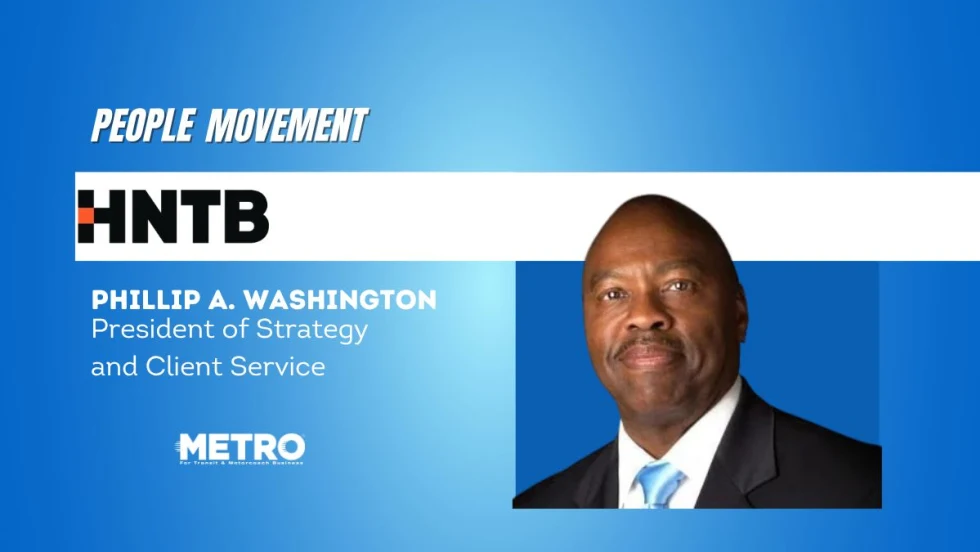
People Movement: Phil Washington Joins HNTB, Denver RTD Launches CEO Search, and More
In this edition, we also spotlight recent personnel moves at STV, the Eno Center for Transportation, and more, highlighting the people taking on new roles across the transportation industry.
Read More →
SEPTA Details Accelerate Vision for Transit System
The plan outlines investments in trolley modernization, new Metro and Regional Rail vehicles, accessible stations, and more frequent bus and rail service.
Read More →
FTA Ends Direct Oversight of MBTA Safety Actions
The federal agency closed its remaining special directive to the Massachusetts Department of Public Utilities following a safety review that began in 2022.
Read More →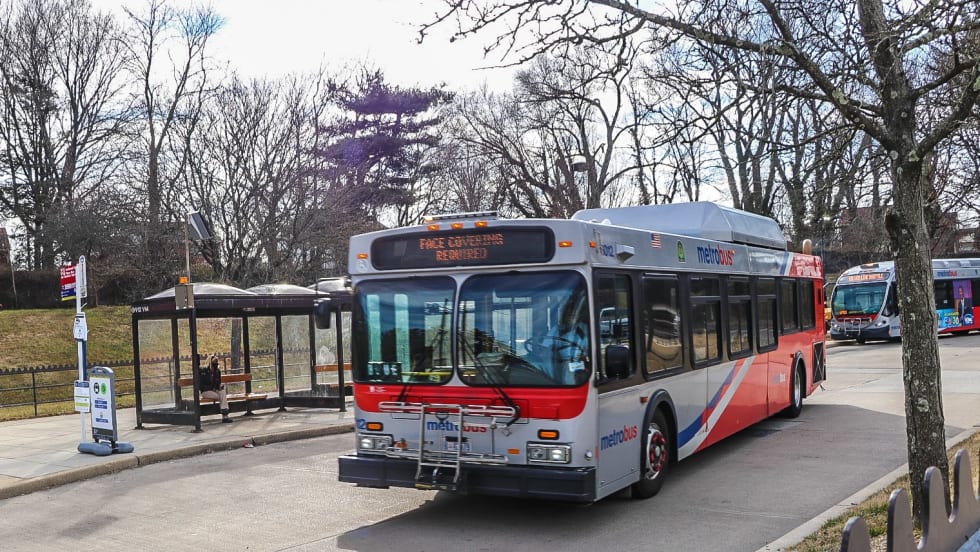
Report: Transit Bus Manufacturing Supports 34,100 Jobs, $5.1B in GDP
The “Buses Mean Business” report examines the transit bus manufacturing industry’s economic footprint, supply chain, and rising demand for vehicle replacements.
Read More →