



Mastering multiplexing systems
Although the electronics on transit coaches are a little more complicated than a digital alarm clock or a coffee maker, with proper training and experience, these systems, too, can be mastered rather quickly.
Over the past decade there have been many changes in transit technology. Probably one of the most talked about changes is the introduction of electronics to transit coaches. In the past, we as transit trainers and technicians dealt with mechanical systems that were relatively simple. What made these systems simple was years of experience. Now we are experiencing electronics that have been incorporated into the coaches that we train and work on daily. Electronic technology is nothing new. If you have a personal computer, a digital alarm clock, or a coffee maker that has your coffee ready when you get up in the morning, then you have some experience with electronics. Although the electronics on transit coaches are a little more complicated than a digital alarm clock or a coffee maker, with proper training and experience, these systems, too, can be mastered rather quickly. The ins and outs At the Transit Authority of River City (TARC) in Louisville, Kentucky, we use two types of multiplexing electronic electrical systems — the Allen Bradley and Dinex. Both systems are made up of an array of modules that communicate digitally with each other through twisted pair wiring. They are both low voltage (5 volt) systems. Since both systems communicate with digital input and output signals, twisted pair wiring is used to shield against outside interference. These two systems are similar but with differences that, in my opinion, make one easier to troubleshoot and repair. Although multiplexing is relatively new to the transit industry, the concept has been around for many years. It was originally designed and built for military fighter aircraft. Now multiplexing is used in a wide variety of applications, from commercial aircraft to bus washers. Multiplexing is programmed for specific functions, in the same way as a personal computer. The advantages There are several advantages to multiplexing systems. Fuel economy is perhaps the most significant. Depending on which multiplexing system is installed, 400 to 600 pounds will be removed from the overall weight of the coach. This is due to the fact that digital systems do not require as much hard wiring as conventional wiring systems. This is always a plus with managers who have to live within a fuel budget. Another advantage is that digital systems have their own battery back-up system. If power to the coach is lost or if power is turned off for maintenance procedures, the system programming is not lost. These use five-year batteries and should not cause any problems. Depending on the system used, there is a battery indicator light that shows when the battery needs replacing. Troubleshooting With the proper training and some experience with these systems, troubleshooting can become second nature. Both the Allen Bradley and the Dinex have LED indicators that confirm input and output functions. Without these LEDs it would be impossible to know if any circuit is working without testing each individually. Dinex also has a circuit-ready LED that tells if the fuse for a circuit has blown and, in doing so, tells the technician that there is a problem in that particular circuit. The location of the modules of these two systems also makes troubleshooting easier. Each module is located in the same area as the switches and devices it controls. For instance, if a coach is brought into the shop with an entrance or exit door problem, check the module mounted over the exit door. That controls both the entrance and exit doors and includes all lighting for the doors. The rear electrical panel houses modules that send signals from the engine, transmission and A/C unit to the central processing unit in the front of the coach to turn on warning lights. During training sessions on these systems, I always stress these points to the technicians: 1. Do not make these systems more complicated than they really are. 2. Rely on training, past experience and common sense to troubleshoot and repair. 3. Don’t be embarrassed to ask someone with more training or experience for help. ************************************** E-mail your maintenance questions to Walt at info@metro-magazine.com.
More Management
People Movement: Connectpoint Expands Leadership Team, Stadler Names New Group CEO, and More
In this edition, we also spotlight recent personnel moves at Burns, UZURV, and more, highlighting the people taking on new roles across the transportation industry.
Read More →
More Than a Summer Job: Building the Next Generation of Transit Talent
The Delaware River Port Authority and PATCO have transformed their internship program into a hands-on professional development experience that introduces students to the breadth of transportation careers — and creates a pipeline for future employees.
Read More →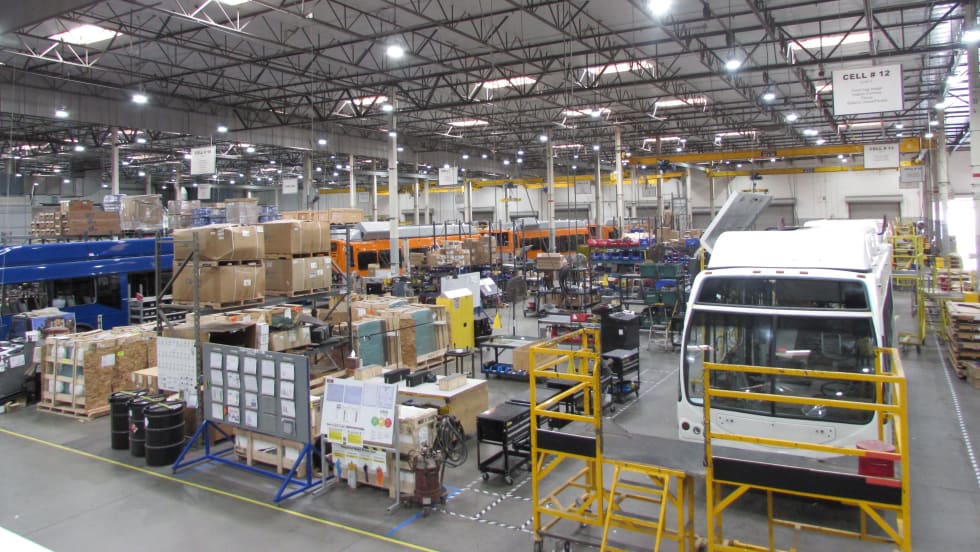
LA Metro Board Awards 220 Battery-Electric Bus Contract to ENC
The contract, which is the largest base award of battery-electric buses by a U.S. transit agency, will be built in Southern California, sustaining good jobs as LA prepares to welcome the world in 2028
Read More →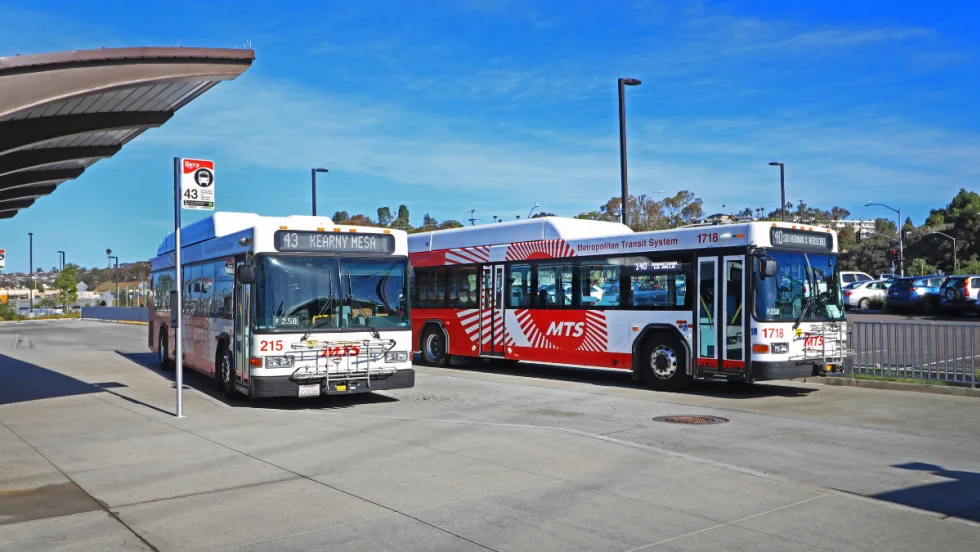
What’s Behind San Diego MTS’s Award-Winning Transit Strategy
Named one of APTA’s 2026 Outstanding Public Transportation Systems with 50 million or more annual passenger trips, California’s San Diego Metropolitan Transit System points to gains in ridership, safety, technology, and reliability as foundations of its success.
Read More →
Public Transit Conference Returning to GFX in 2027, Call for Papers Now Open
The Call for Papers is now open, allowing transit agency professionals and industry experts to help shape the PTC educational program by submitting session ideas for consideration.
Read More →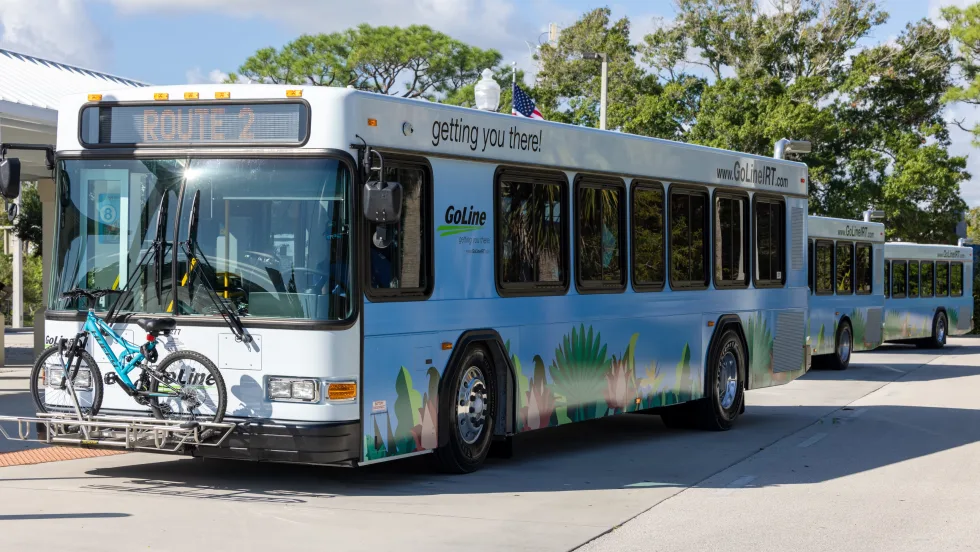
Indian River Transit’s Community-Focused Approach Earns National Recognition
Named APTA’s 2026 Outstanding Public Transportation System in its size category, Florida’s Indian River County transit system continues to grow ridership through fare-free service and a focus on evolving community needs.
Read More →
ENC Lands MATA Contract and More in Biz Briefs
In this edition of Biz Briefs, we spotlight the latest developments shaping the future of mobility.
Read More →
From Surviving to Thriving: Building Stronger Transportation Organizations
Bus Business Consultants founder Brian Dickson shares lessons on leadership, organizational health, and creating options for long-term success in a changing transportation industry.
Read More →
Everett Transit, Community Transit Outline Consolidation Agreement
The proposed agreement calls for a 50% increase in bus service in Everett, a new microtransit zone, continued paratransit service, and the transfer of Everett Transit operations to Community Transit.
Read More →
Strada360’s Steve Lassey on Turning Transit Data Into Better Decisions
From breaking down data silos to preparing for AI, Strada360 CEO Steve Lassey discusses how transit agencies can use technology to improve operations, customer information, and long-term decision-making.
Read More →