



Meeting ADA maintenance challenges at transit facilities
Maintaining new equipment and establishing training programs have been important keys to complying with the Americans with Disabilities Act.

With the signing of the American With Disabilities Act into law in July 1990, transit agencies went from providing transportation to being transportation providers. Beginning in August 1990, a percentage of new buses had to be wheelchair accessible. This presented new challenges for both maintenance and transportation departments. Transportation departments were challenged to designate routes that needed wheelchair-accessible buses and also had to ensure that these routes ran only wheelchair-accessible buses. For maintenance departments, the challenge was to maintain the buses with new features and to make certain they were available for the designated routes. Training was key issue The biggest obstacle for maintenance departments during this era was the lack of training. Since most agencies did not have a budgeted training department, mechanics were expected to maintain the new accessibility systems with very little knowledge of how the systems worked. The early model wheelchair lifts were powered by a combination of electricity and hydraulics. The hydraulic part of the lift ran with the power steering pump. This presented a problem during cold weather because the cold power-steering fluid would not operate the lift. These lifts were also chain driven, and if the chains became rusty or dirty, the lift would not operate. It suddenly became a nightmare to keep these lifts operating. At TARC, we dealt with this issue by creating a specialty job, where one mechanic on each shift worked only on wheelchair lifts. We now maintain a 95% to 100% availability rate for buses with wheelchair lifts. Several years before the signing of ADA, TARC began to order only wheelchair-accessible buses, no matter the size. With the introduction of low-floor buses in 1998, buses were ordered with ramps. Ramps have proven to be easier and cheaper to maintain because most are belt driven, and there are no hydraulics and only one electric motor. The key to keeping buses on the street with all systems operating properly is a good preventive maintenance program. At TARC, we have several preventive maintenance programs in place that work extremely well. These programs range from air conditioning and heat to wheelchair lifts/ramps and regularly scheduled inspections, and guarantee that we maintain the level of service our customers have grown accustomed to. Until next time!
More Management
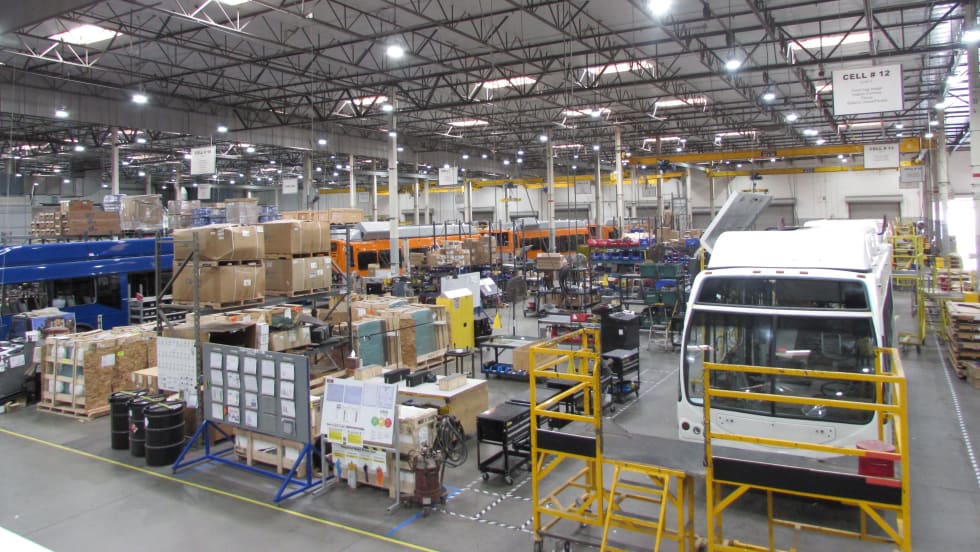
LA Metro Board Awards 220 Battery-Electric Bus Contract to ENC
The contract, which is the largest base award of battery-electric buses by a U.S. transit agency, will be built in Southern California, sustaining good jobs as LA prepares to welcome the world in 2028
Read More →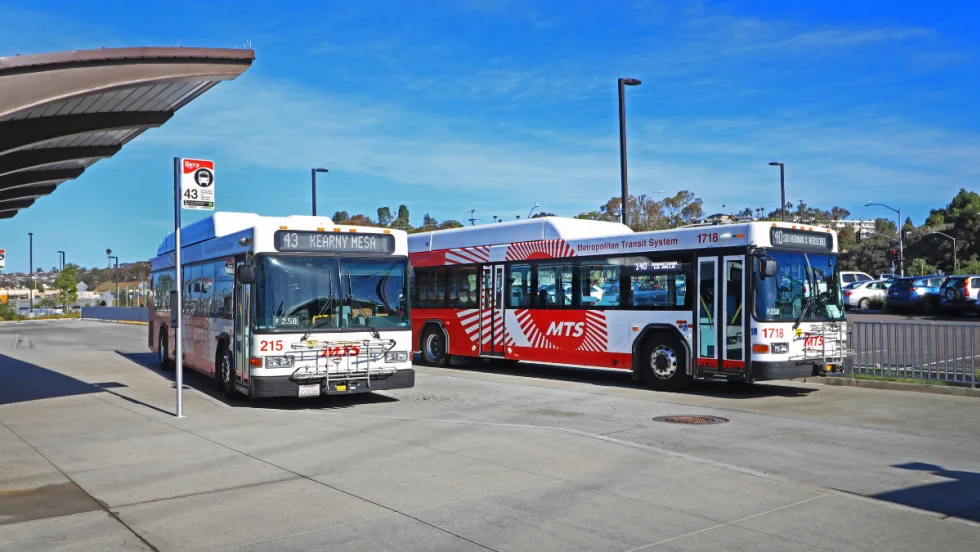
What’s Behind San Diego MTS’s Award-Winning Transit Strategy
Named one of APTA’s 2026 Outstanding Public Transportation Systems with 50 million or more annual passenger trips, California’s San Diego Metropolitan Transit System points to gains in ridership, safety, technology, and reliability as foundations of its success.
Read More →
Public Transit Conference Returning to GFX in 2027, Call for Papers Now Open
The Call for Papers is now open, allowing transit agency professionals and industry experts to help shape the PTC educational program by submitting session ideas for consideration.
Read More →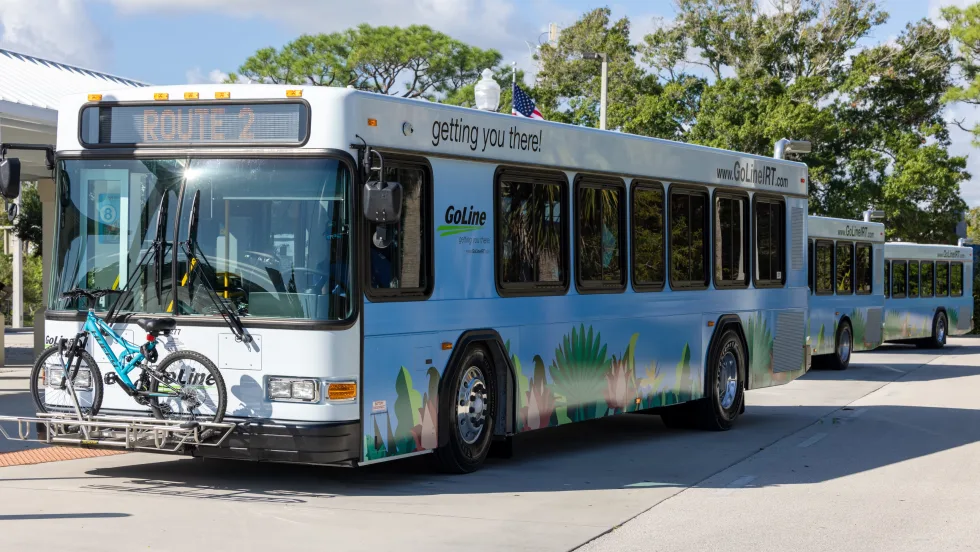
Indian River Transit’s Community-Focused Approach Earns National Recognition
Named APTA’s 2026 Outstanding Public Transportation System in its size category, Florida’s Indian River County transit system continues to grow ridership through fare-free service and a focus on evolving community needs.
Read More →
ENC Lands MATA Contract and More in Biz Briefs
In this edition of Biz Briefs, we spotlight the latest developments shaping the future of mobility.
Read More →
From Surviving to Thriving: Building Stronger Transportation Organizations
Bus Business Consultants founder Brian Dickson shares lessons on leadership, organizational health, and creating options for long-term success in a changing transportation industry.
Read More →
Everett Transit, Community Transit Outline Consolidation Agreement
The proposed agreement calls for a 50% increase in bus service in Everett, a new microtransit zone, continued paratransit service, and the transfer of Everett Transit operations to Community Transit.
Read More →
Strada360’s Steve Lassey on Turning Transit Data Into Better Decisions
From breaking down data silos to preparing for AI, Strada360 CEO Steve Lassey discusses how transit agencies can use technology to improve operations, customer information, and long-term decision-making.
Read More →
People Movement: Phil Washington Joins HNTB, Denver RTD Launches CEO Search, and More
In this edition, we also spotlight recent personnel moves at STV, the Eno Center for Transportation, and more, highlighting the people taking on new roles across the transportation industry.
Read More →
SEPTA Details Accelerate Vision for Transit System
The plan outlines investments in trolley modernization, new Metro and Regional Rail vehicles, accessible stations, and more frequent bus and rail service.
Read More →