



Megabus hits the $1 million mark in sales
Touting fares as low as one dollar, plus a 50-cent reservation fee, the company has hit $1 million in sales.
Since its online ticket booth opened for business in March, more than 80,000 riders have booked discounted seats with Coach USA’s Megabus service. Touting fares as low as one dollar, plus a 50-cent reservation fee, the company has hit $1 million in sales.
“We truly think we’ve cracked through a niche market that was missing, and we are extremely happy with how it’s going at this point,” says Coach USA President Dale Moser.
The intercity express bus line has eight routes operating between eight cities in the Midwest, including Detroit, Chicago, Milwaukee and St. Louis. In addition to offering the lowest prices available to bus travelers, Megabus has become a business growing largely through word-of-mouth. As indicated by an online survey from www.megabus.com, nearly half of the riders polled found out about the line from someone else.
According to statistics compiled through other company surveys, Megabus passengers escaping escalating fuel prices are extremely likely to continue to use the service for leisure, work and education travel. Additional questionnaires show that passengers conducting social business are taking advantage of the line. They are what Moser refers to as “young white-collar professionals with travel flexibility, driven by a low-cost express service.”
The success of the original Megabus in the United Kingdom, run by Coach USA’s parent company, Stagecoach, prompted executives to expand comparable transit lines into North America. Last year, the company provided more than 2 million European riders with easy, affordable intercity transportation. Since it began three years ago, it has expanded into Scotland and currently offers 40 destinations to its riders. There are some slight pitfalls with the Megabus. The affordability of the service can be compromised by a small loophole in the ticket sale process. It is true — if a ticket is purchased far enough in advance, riders will enjoy a trip of up to 300 miles for a little over a dollar. However, if a ticket is purchased too close to the date of departure, riders may find themselves paying up to $40 for one pass. When compared with the persuasion of a ride for one dollar, the Megabus promise may come up short. The highest fare is still a competitive one in light of those offered by Greyhound and Amtrak.
Various mechanical and technical issues have also plagued Megabus lines. Setbacks, like broken air conditioners and a wheel-well fire, which happened on a trip from Chicago to Indianapolis, have appeared to lower the expectations of some passengers in search of a good deal. Though inconvenient, these isolated situations don’t seem to be affecting the ridership numbers released by Coach USA.
“We anticipated some growing pains,” says Megabus fleet manager Jim Schwartz, “but we believe the service will continue to do well and keep expanding.”
Coach USA hopes that the future brings change in terms of the profitability of the line. As it stands, the company is simply breaking even since it began less than five months ago. If it remains committed to offering inexpensive fares, industry experts predict that Megabus will continue to do well.
More Management
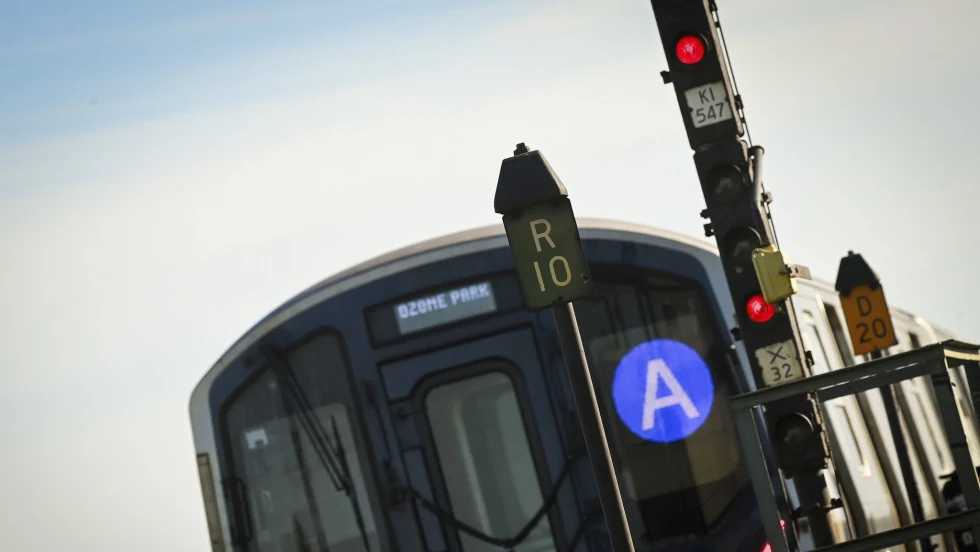
New York MTA Launches Historic $1.9B Signal, Track Modernization Project
Funded in part by congestion pricing revenue, the project will replace nearly century-old signals along the A and C lines in Brooklyn and Queens.
Read More →
Brian Dickson on Building Stronger, More Resilient Transportation Organizations
Bus Business Consultants Founder Brian Dickson discusses the leadership principles, operational discipline, and strategic planning that separate transportation companies positioned for long-term success from those stuck in survival mode.
Read More →
LA Metro Breaks Ground on Vermont BRT Project
The 12.4-mile corridor is projected to serve 66,200 daily riders, reduce travel times by up to 24%, and create the nation's busiest bus rapid transit corridor.
Read More →
Building Stronger Leaders, More Resilient Transit Teams
Dr. Carol Parker Walsh discusses leadership development, employee retention, workplace culture, and preparing transit’s workforce for AI and automation.
Read More →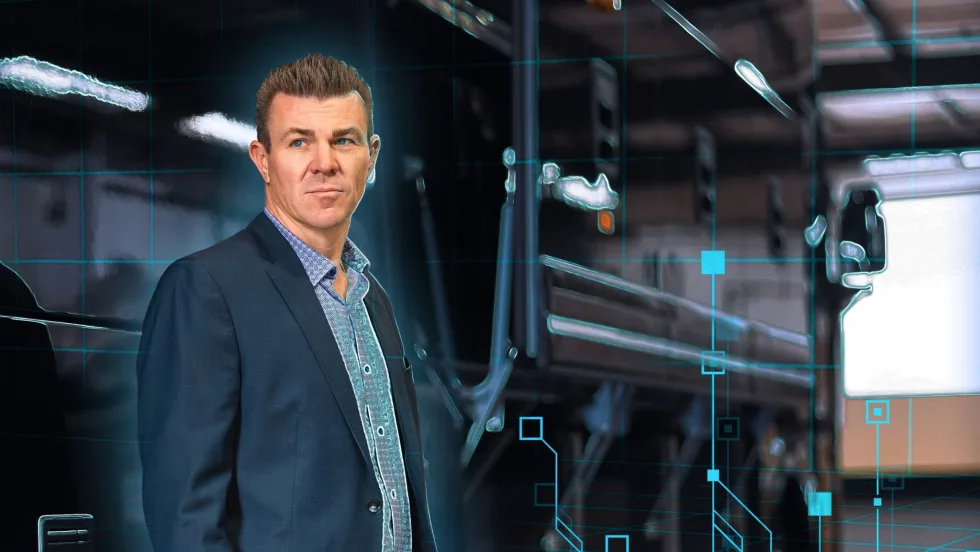
Roman Cornell on ABC Companies’ Evolution and the Future of Passenger Transportation
The company’s CEO discusses carrying forward a third-generation family legacy, ABC’s continued evolution in passenger transportation, support for increasingly complex fleets, and how technology and continued investment could help operators improve uptime.
Read More →
CATS Launches West Charlotte Microtransit Zone, Expands Transit Services
The new microtransit zone connects residents to key destinations as Charlotte Area Transit System rolls out the first phase of its 2055 Transit System Plan.
Read More →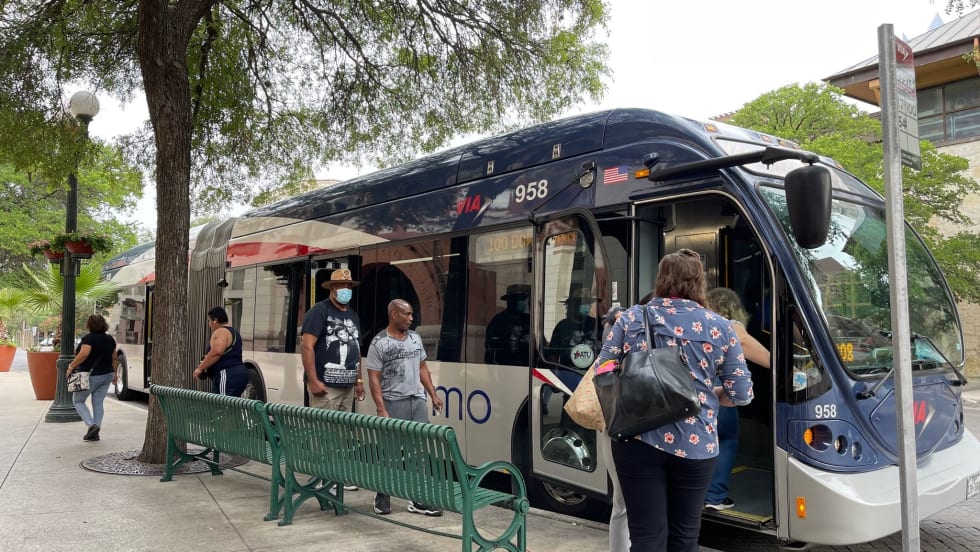
VIA Bus Ridership Grows 10.1% Through August 2026
San Antonio's VIA Metropolitan Transit reported the highest bus ridership growth among major Texas transit systems. Federal Transit Administration data ranked it second among the nation's 50 largest transit systems.
Read More →
CSA Group Releases Climate Resilience Standard for Transit, Passenger Rail
Developed with support from the Standards Council of Canada, CSA D700 guides assessing climate-related risks and planning adaptation measures for transit and passenger rail systems.
Read More →
ETA CEO John Maglio on Transit Technology, Innovation, and Building Agency Trust
ETA founder and CEO John Maglio explores the evolution of transit technology, the importance of reliable systems, and how stronger partnerships can help agencies improve operations and the passenger experience.
Read More →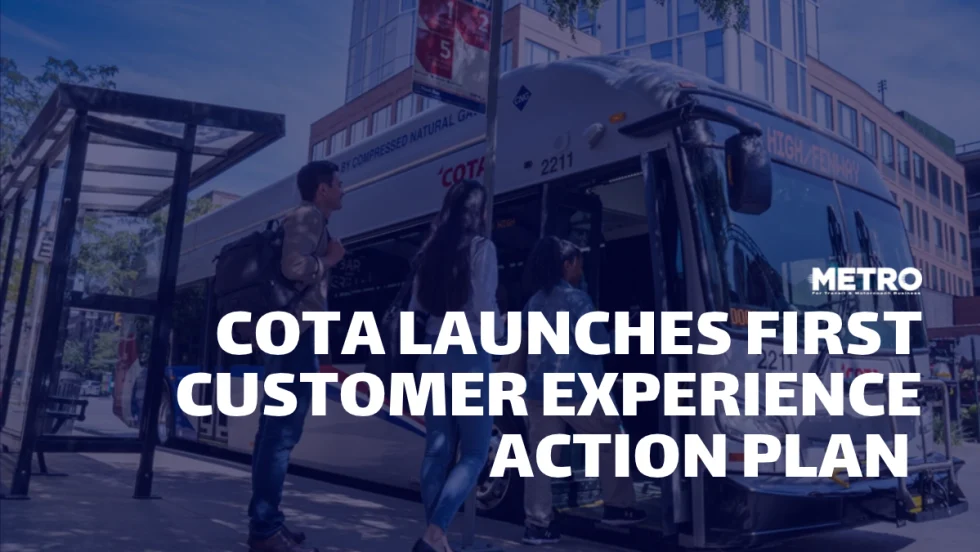
COTA Launches First Customer Experience Action Plan to Improve Transit Service
The new plan outlines improvements to service reliability, accessibility, communication, and the overall rider experience across Central Ohio's transit system.
Read More →