



METRO's Top 50 Rail Survey Puts Project Costs at $52 Billion
Our seventh annual rail survey indicates growing interest in and funding of large-scale passenger rail projects in North America.
The money-train made plenty of stops in METRO’s seventh annual rail survey, delivering another year of significant growth for the passenger rail industry. Survey results show rail agencies plan to spend more than $52 billion on rail projects this year, an 11% increase from last year’s $46 billion. Adding to the wealth are more than 3,000 new railcars on order, mostly due to New York City Transit’s (NYCT) long shopping list. There is a lot more money in the project pipeline, with support for the projects coming from all levels of government. Although money for new projects abounds, some pieces of the industry pie are bigger than others, widening the gap between the large and small projects in our survey. One explanation for the drop in values in the bottom half of our survey could be attributed to changes in the White House. Some observers indicate that the process of issuing full fund grant agreements, and the projects themselves, were affected by the change in administrations. The shorter-than-usual transition period of the Bush administration, coupled with the traditional moratorium on all new regulations, including the new starts rule, resulted in slowing the funding pipeline. Larger projects may still be waiting for the funding picture to come into focus, while smaller projects were able to jump onto the survey bandwagon. Up and down the rail ranks There wasn’t much of a shake up in the rail rankings this time around, with seven of last year’s Top 10 remaining in the Top 10. The No. 1 spot belongs to MTA New York City Transit, with $9.2 billion allocated for project costs. Remember that shopping list of theirs? Well, NYCT ordered a total of 1,030 cars from Bombardier, worth $1.3 billion. In addition, NYCT is planning an extension of the No. 7 subway line from Times Square to west Manhattan. Also in Manhattan, a new station on Second Avenue is under construction that will ultimately be a north-south line. The highest climber on the survey is the Los Angeles County Metropolitan Transportation Authority (LACMTA), rising from No. 50 to No. 9 this year with $1.7 billion in their project purse. Meanwhile, the Metropolitan Atlanta Rapid Transit Authority (MARTA) makes a stunning return to the Top 50 at No. 8, with $1.82 billion earmarked for planning the West Line, a 4.2-mile expansion of the rail transit system, rehabilitating half of its 248- car fleet and building a rail car facility—the largest ever operated by MARTA. The largest drop was taken by Denver’s Regional Transportation District with a $46 million allocation for the Central Platte Valley Light Rail Line. The 1.8-mile line will have four stations, serving many sports and entertainment venues in the Central Platte Valley. It will also provide a second commuter line into downtown Denver. Another big drop was made by the Orange County (Calif.) Transportation Authority (OCTA), which rolled right out of the survey from its No. 8 position. OCTA’s displacement is due to the shelving of the $2.3 billion CenterLine project until it can be reevaluated. Critics called the rail project overpriced, saying it would do little to relieve traffic congestion and pollution in the area. Like the change in the political administration, so have some agency rankings, but the new starts program has remained the same. U.S. Transportation Secretary Norman Y. Mineta informed that the Full Funding Grant Agreements already in the Fiscal Year 2001 budget will proceed when ready. The total U.S. funding for major capital projects, or new starts, is $1.1 billion, an 8% increase from the previous year’s budget. Up-and-coming projects For some, like the Metropolitan Transit Authority of Harris County, the future of light rail is now with the groundbreaking of Houston’s first-ever light-rail line. Costing $300 million, the Metro Rail line is 7.5 miles long and links downtown Houston to the Astrodome. Metro Rail received local funding and requires voter approval for extensions. The project is slated to begin operation in 2004. Dallas Area Rapid Transit (DART) offers up more expansion projects for the 10-gallon-hat state. Construction of the 12.5-mile North Central Light Rail Extension has service scheduled to Richardson in 2002 and Plano in 2003. DART, in conjunction with the Fort Worth Transportation Authority, opened a 17-mile extension of the Trinity Railway Express reaching northeast Tarrant County. It will eventually serve downtown Fort Worth. DART also has plans for a $1.4 billion light-rail line with 18 stations that extend from downtown Dallas to Farmer’s Branch, Carrollton, North Irving and Dallas-Fort Worth Airport. Philadelphia’s Southeastern Pennsylvania Transportation Authority is planning Schuylkill Valley Metro, a 62-mile line. The line will connect the Berks, Montgomery and Chester counties with Center City Philadelphia, and could enter service in 2008. The proposed commuter rail line will combine new construction with an existing rail network. In San Diego, Calif., the Mission Valley East project is a 5.9-mile, four-station light-rail extension. The line will include elevated, at-grade and tunnel portions. The estimated cost for the project is $431 million, and is expected to be completed in 2004. More expansion in California extends to Bay Area Rapid Transit (BART) which, along with the San Mateo County Transit District, is constructing an 8.2-mile extension. The four-station extension will serve San Francisco International Airport and is anticipated to open in 2002. In order to keep up with rail ridership growth, BART is one of many agencies following the trend of building extensions to airports. Heading further north to Seattle, Sound Transit (Central Puget Sound Regional Transit Authority) is planning a 23.5-mile Central Link light-rail project. The line will run north and south from Northgate, through downtown Seattle, southeast Seattle and the city of Tukwila and SeaTac Airport. The projected cost of the project is set at $4.2 billion, an increase from the earlier estimated $2.5 billion. Due to costs jumping 68%, an audit by the U.S. Department of Transportation stated that the fiscal 2002 budget will not include funding for this project. In Chicago, the Northeast Illinois Regional Commuter Railroad Corp. (Metra) has plans for an extension and various improvements to the existing South West commuter rail line. This project will extend the line 11 miles from Orland Park to Manhattan, Ill. Metra is also planning on making improvements and extensions to its Union Pacific West and North Central Service Lines. The complete listings for the survey are located in Metro Research on the site. If you know of, or are part of, a rail agency that has plans for the future, but we missed for this year’s survey, get in touch with us and we’ll make sure to get you in next year.
More Rail
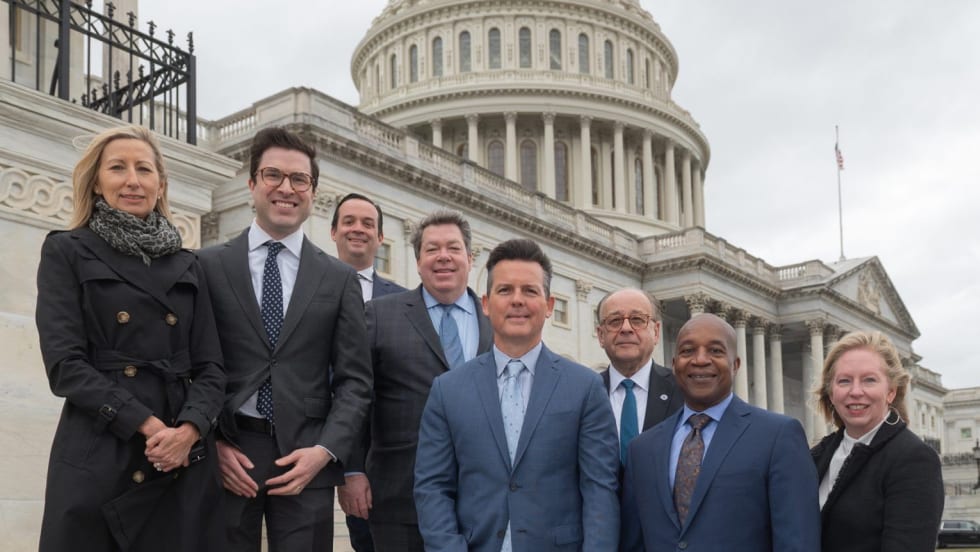
The Business Voice Behind Public Transportation
As chair of APTA’s Business Members Board of Governors, Ray Melleady explains how more than 850 business members are partnering with transit agencies to advance funding, innovation, and industry-wide collaboration.
Read More →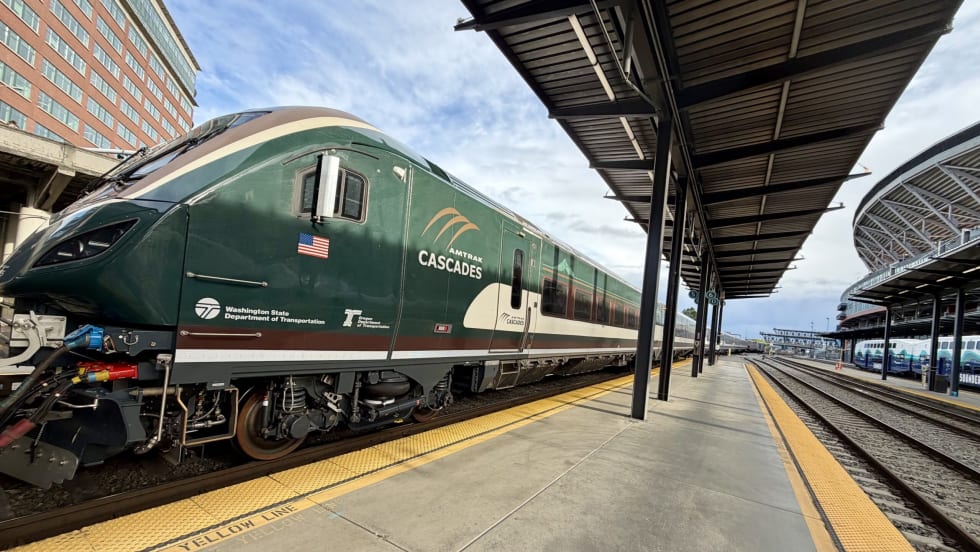
FRA Announces $5.3B in Rail Investments, Including $2B for Amtrak
Funding will support grade-crossing improvements, infrastructure upgrades, and new Amtrak equipment in 23 states.
Read More →
Finding the ‘Happy Medium’: Optimizing Maintenance Without Sacrificing Reliability
The key to maintenance optimization isn’t doing less work—it’s doing the right work at the right time on the right assets.
Read More →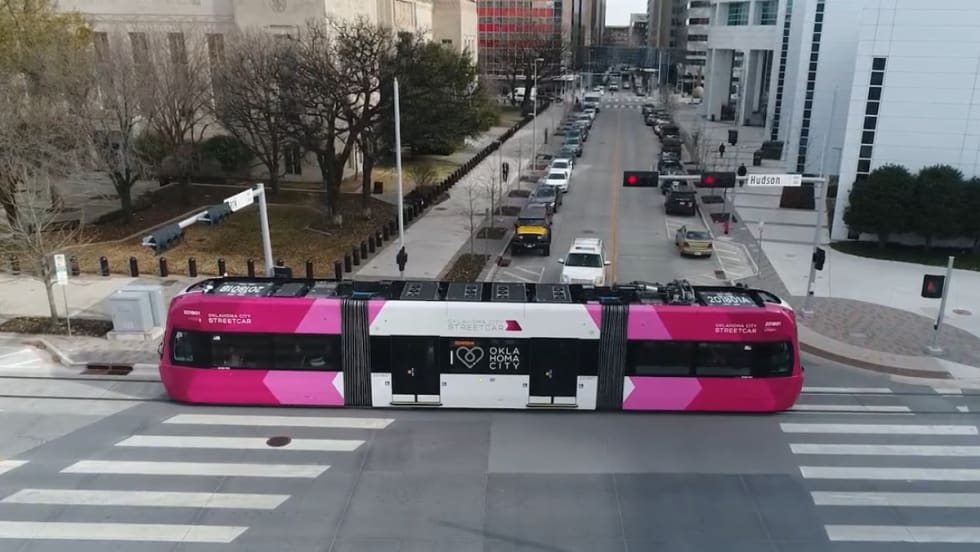
OKC Streetcar Makes Zero-Fare Service Permanent
Ridership increased an average of 71% compared with the same period a year earlier during the fare-free pilot.
Read More →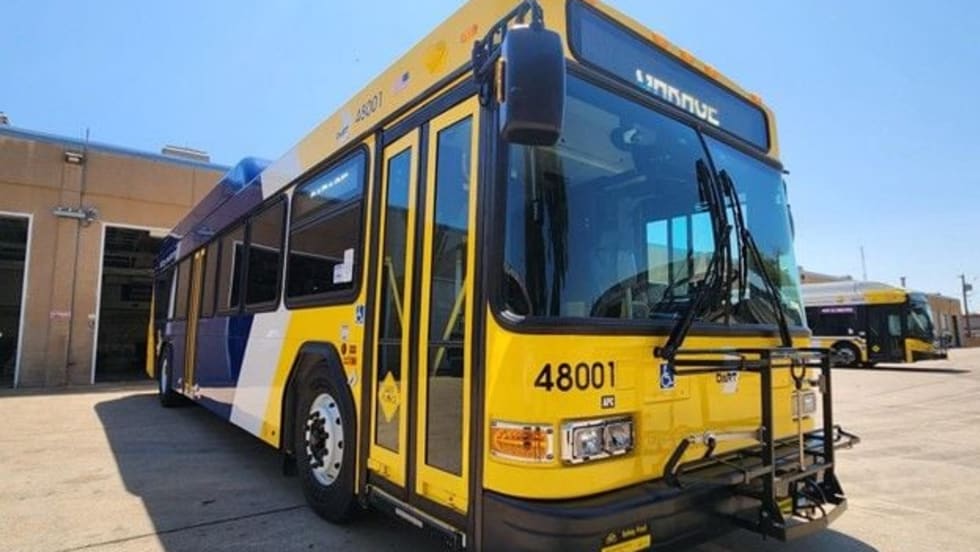
DART Customer Satisfaction Reaches Six-Year High
Overall satisfaction rose to 74.9%, while the agency’s Net Promoter Score reached a record 33.7.
Read More →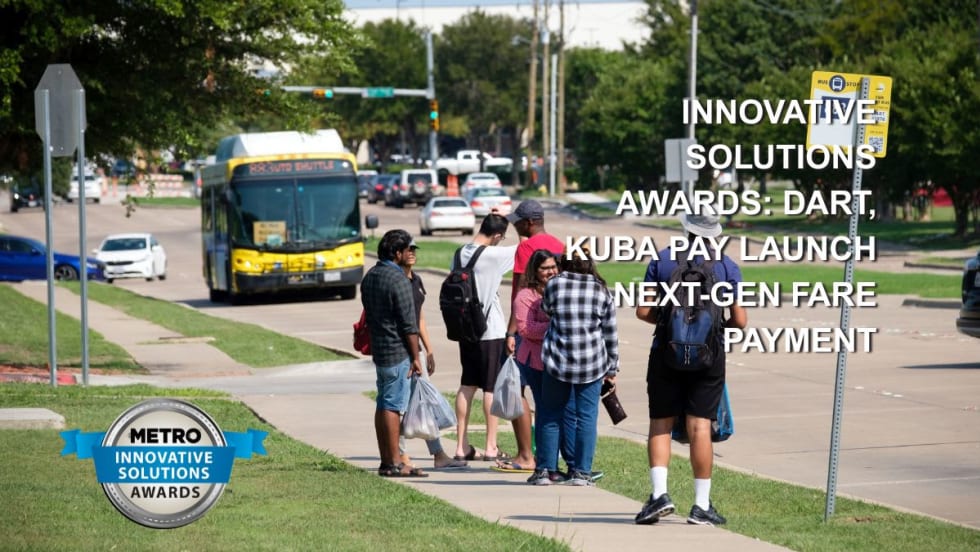
How DART's GoPass Is Redefining Regional Mobility
Serving 14 transit agencies, GoPass simplifies multimodal travel by allowing riders to plan, pay for, and manage an entire trip through one app.
Read More →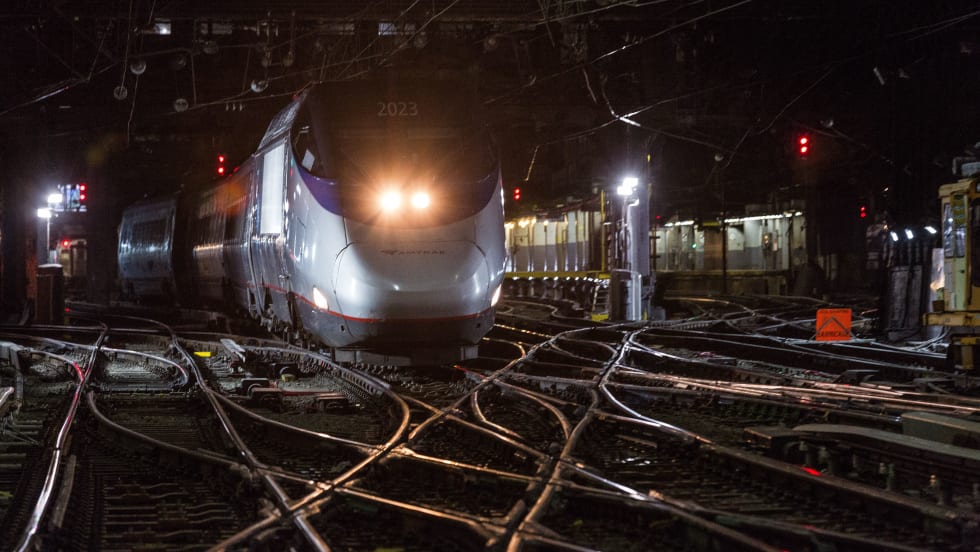
Amtrak Board Advances Plan to Restructure Organization, Seeks Public Input
The proposal, developed by Amtrak management and approved by the board for further consideration, is intended to modernize the organization's structure while improving accountability, operational efficiency, and customer service.
Read More →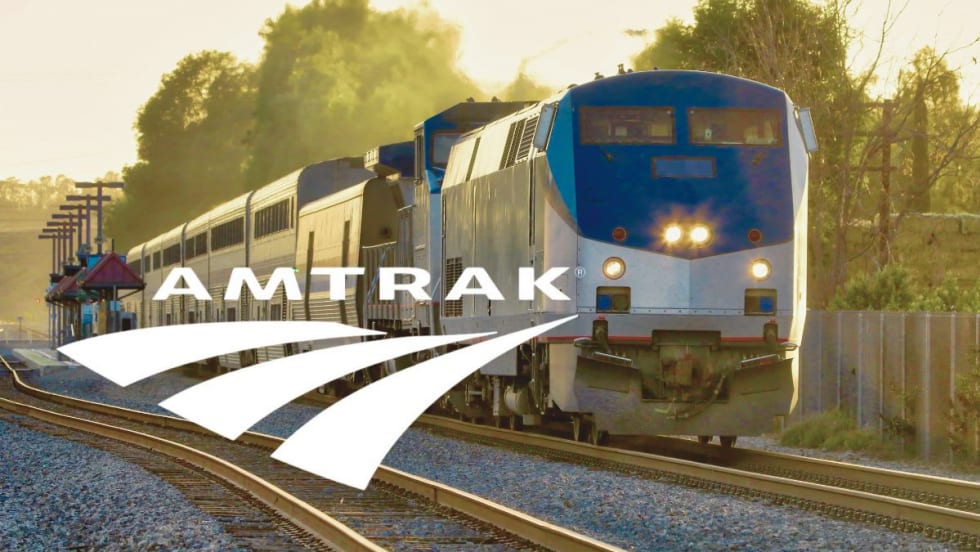
Biz Briefs: STV teams with Amtrak, Motorcoach Operators Boost Fleet and Land Contracts, and More
From manufacturers and suppliers to transit agencies and motorcoach operators, these updates offer a snapshot of the projects, partnerships and business moves driving the industry forward.
Read More →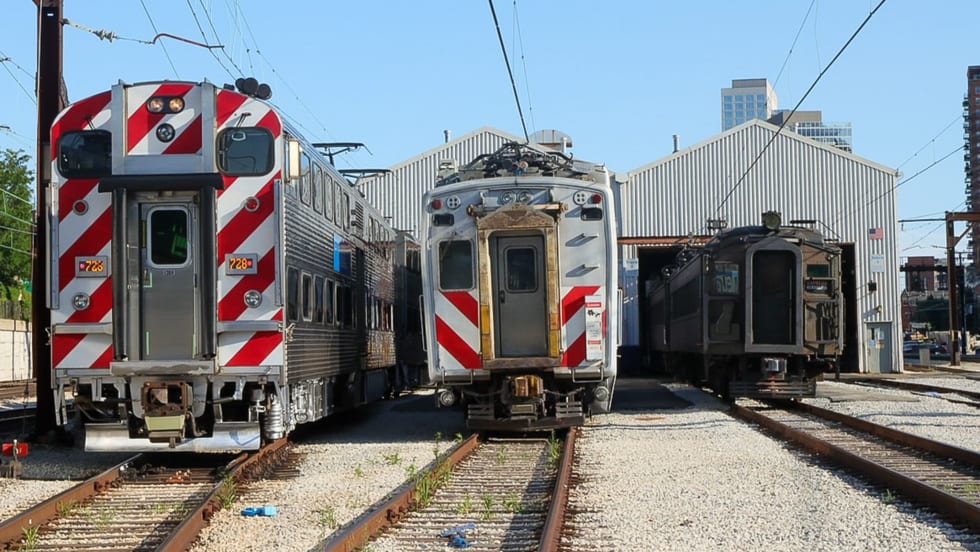
Metra Celebrates 100 Years of Electric Rail, Looks to the Future
The event was also a celebration of recent reforms to public transportation in the Chicago area, changes that could be as transformative in the future as the major civic achievement a century ago, said officials.
Read More →
LA Metro Marks Banner Year, Sets Ambitious Goals for New Fiscal Year
Incoming LA Metro Board Chair and Los Angeles Mayor Karen Bass joined outgoing Board Chair Fernando Dutra and LA Metro CEO Stephanie Wiggins to review accomplishments from fiscal year 2026, which included the opening of new rail extensions, advancement of major transit projects, expanded safety programs, and new rider amenities.
Read More →