



Mich. transit’s ‘buddy system’ gives senior, disabled riders guidance
Monroe, Mich.-based Lake Erie Transit (LET) rolled out a "buddy system" in October to help seniors and new riders acclimate to using the transit system. The program is similar to travel training, but with more personal service, Mark Jagodzinski, LET's GM, said.

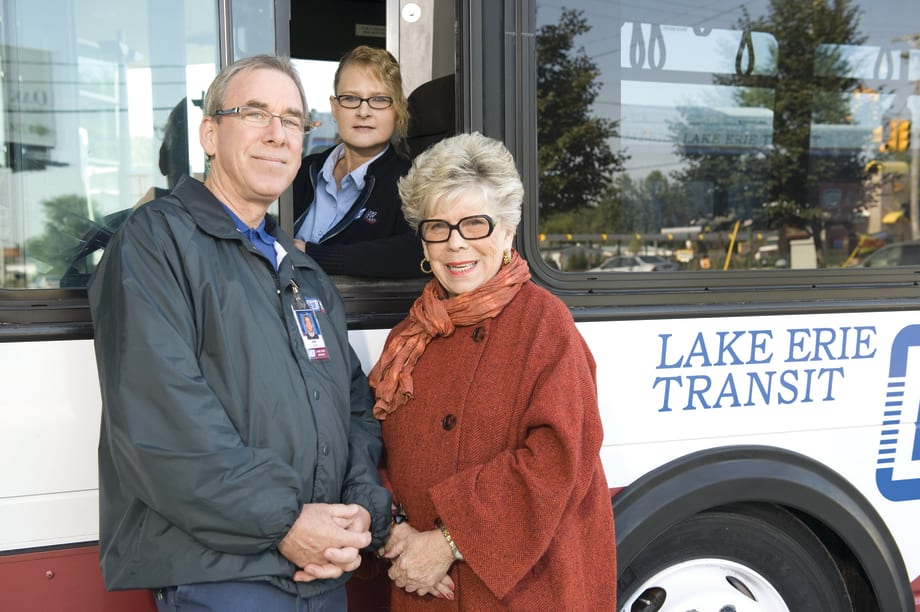
Lake Erie Transit's "buddy system" helps seniors, people with disabilities and even students make their way around town on the bus without getting lost. Pictured from left: Bob Zalewski (LET Buddy), Angela Hummer (driver) and Helene Cramer (rider).
Lake Erie Transit's
Monroe, Mich.-based Lake Erie Transit (LET) rolled out a "buddy system" in October to help seniors and new riders acclimate to using the transit system. The program is similar to travel training, but with more personal service, Mark Jagodzinski, LET's GM, said.
The program helps new riders — seniors, students and those with disabilities — use the bus. LET staff will meet seniors at their pick-up point, ride with them to their destination and make sure they get off at their stop, Jagodzinski explained. For their return trip, the "buddy" will even make sure the rider gets back on the bus and off at the originating location.
LET uses the buddy system on all of its services, including its two Dial-a-Ride systems and its fixed-route system.
In addition to seniors and disabled riders, the program is able to help several middle school student riders.
"We have found that the transfer process from one bus to the other can be a little intimidating for them, so we make sure we're at the transfer point," Jagodzinski said. "We walk them from one bus to the other, confirm with them they're getting on the right bus [and] going to the right location, and make sure the driver knows to watch out for them."
The service is designed to promote LET's goal to ensure that no rider gets stranded or lost as a result of missing the bus. The agency even provides a phone number to contact a road supervisor or Jagodzinski himself, to get assistance for getting home after the dispatch office closes at 6:30 p.m.
The service evolved out of discussions the agency had with senior groups about their fear of not knowing how to use the system, and getting left behind or missing their bus, Jagodzinski explained.
"We had an informal program in place for the past several years. We'd go out and talk to senior groups, and tell them, 'if you want to ride the system and you're afraid, give us a call. We'll have someone work with you and help you,'" he said.
Additionally, to get the word out to the public about the program, LET filmed four new television commercials, which included actual riders working side by side with professional actors and the agency's bus drivers.
"When we sat down to plan the new campaign with Sheroian Associates, our marketing agency, we kept bringing up true stories of riders," said Jagodzinski. "Not only did we use a few actual stories of riders, but we invited some of our favorites to be in the commercials, like Mary Wenzel, who is 92 and rides the bus to her hairdresser every Friday."
Over a two-day shoot at various locales around Monroe, Mich., a production crew created the commercials. The new commercials began airing locally in October and can be viewed on YouTube.
The experience reminded Jagodzinski how proud he is of his drivers.
"We even have a driver who picked up a passenger in her own car after she missed the last scheduled stop," he added. "I think those are stories worth sharing with our community."
More Paratransit
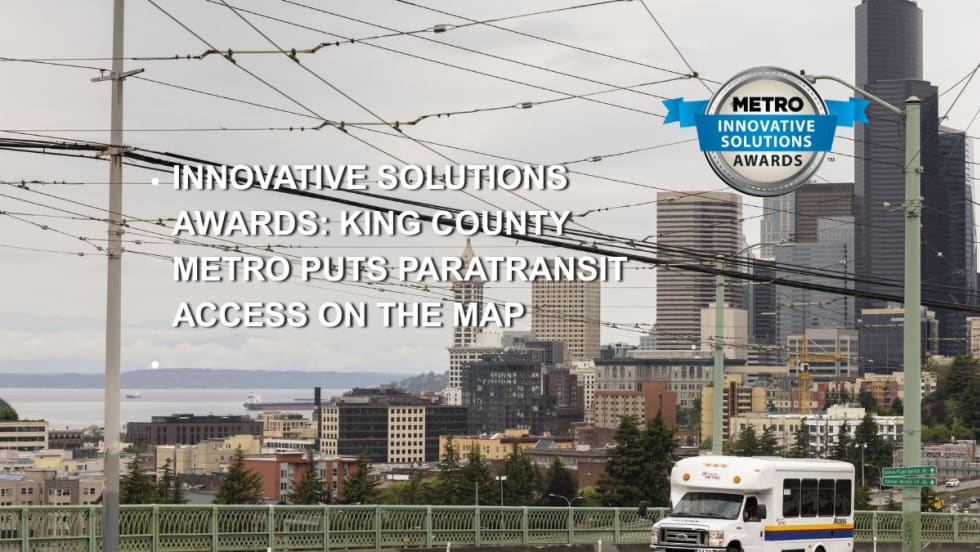
King County Metro Makes ADA Paratransit Easier to Navigate
METRO's Innovative Solutions Award winner replaces complex service-area descriptions with an accessible, interactive map that puts paratransit information directly in customers’ hands.
Read More →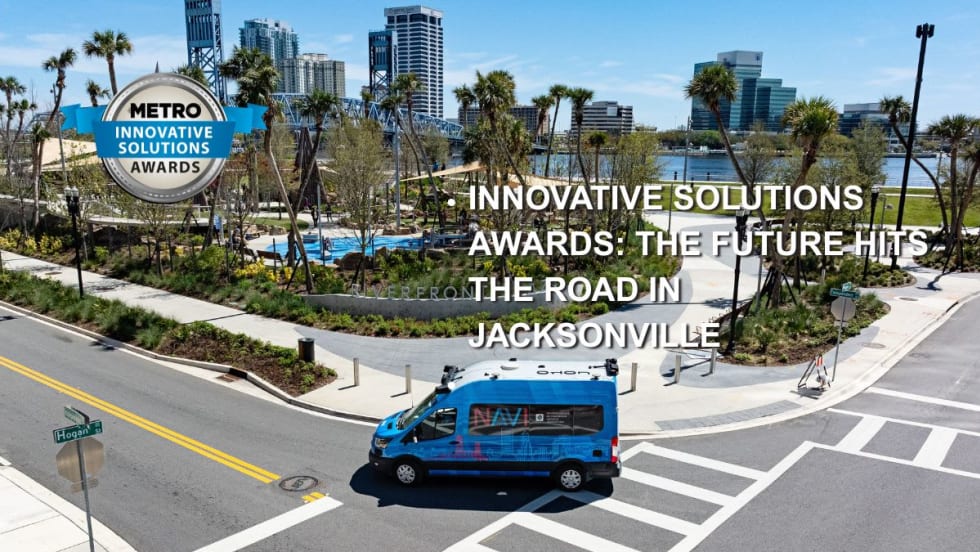
Jacksonville’s NAVI Project Charts a New Course for Autonomous Public Transportation
Through its NAVI program, JTA is showing how autonomous vehicles, intelligent infrastructure, and coordinated operations can work together to deliver everyday public transportation.
Read More →
Driving Smarter Paratransit
John Hanlon shares how AlphaRoute is leveraging AI-powered technology to help paratransit providers optimize operations, support frontline staff, and enhance the rider experience.
Read More →
METRO Magazine Announces 2026 Innovative Solutions Awards Winners
Projects Recognized for Advancing Mobility Through Technology, Accessibility, Workforce Innovation, and Operational Excellence
Read More →
Biz Briefs: STV teams with Amtrak, Motorcoach Operators Boost Fleet and Land Contracts, and More
From manufacturers and suppliers to transit agencies and motorcoach operators, these updates offer a snapshot of the projects, partnerships and business moves driving the industry forward.
Read More →
Biz Briefs: Masabi Teams with St. Louis Metro and More
In METRO's latest installment, we take a look at recent news from Transdev, Hitachi, and more partnerships making headlines across the transportation sector.
Read More →
New York MTA Leverages Zoning Program to Advance Station Accessibility
Accessibility enhancements at Nevins St Station will be financed through a development agreement tied to the MTA's Zoning for Accessibility initiative.
Read More →
Reinventing Fleet Maintenance with Real-time Visibility and AI
Transit leaders need to know what needs fixing, where to look, who is responsible, when work is completed, and what it costs without having to chase information across disconnected systems.
Read More →
SamTrans Sets Priorities for Potential Connect Bay Area Revenue
The board-approved framework allocates future funding to maintaining service, rider improvements, equity initiatives, and infrastructure repairs.
Read More →
Chicago's NITA Act Moves Into Next Phase as Service Improvements Begin
Rider-focused improvements will begin rolling out across the system immediately as CTA, Metra, and Pace increase service this summer in the six-county region.
Read More →