




Where it Started: California’s AVTA Becomes 1st North American Transit Agency to Hit 100% Electric Goal
Mission Accomplished: AVTA Reaches Its All-Electric Fleet Goal
Follow along as the AVTA’s Martin Tompkins takes us on the agency’s journey to become the first all-electric transit agency.
September 2, 2022
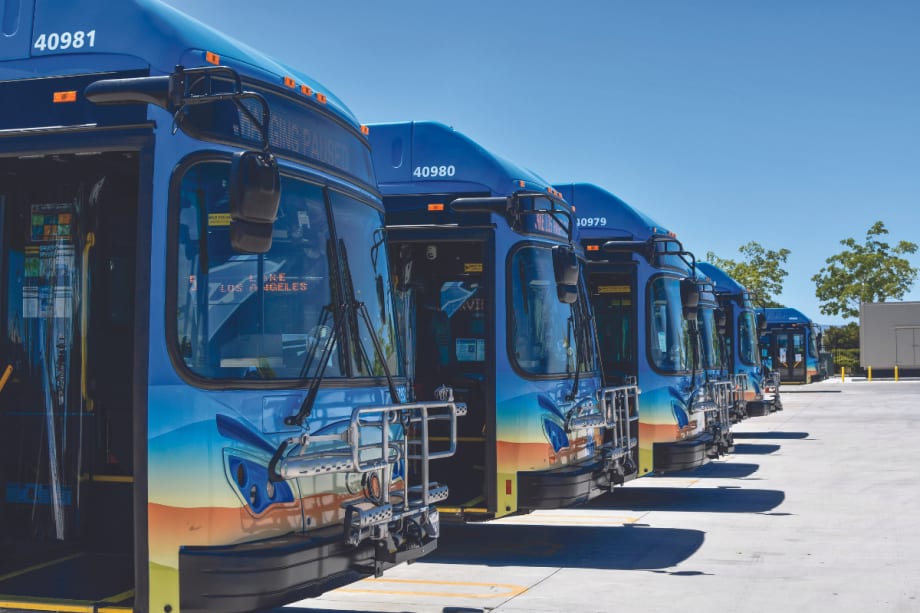
The all-electric journey officially started back in 2016 when the AVTA’s board voted to purchase up to 85 new all-electric zero emission buses from BYD.
Photo: AVTA
5 min to read
As the saying goes, the first all-electric transit agency wasn’t built in a day.
Lancaster, Calif.’s Antelope Valley Transit Authority (AVTA) became just that, though, in March after receiving its 20th electric MCI coach for its commuter routes.
The journey officially started back in 2016 when the AVTA board voted to purchase up to 85 new all-electric zero emission buses from BYD. This signaled the agency’s commitment to an all-electric fleet.
Martin Tompkins, AVTA’s executive director/CEO, discusses what this accomplishment means, the challenges of an all-electric fleet, and offers advice to other agencies that may want to strive toward the same goal.
History Made
Reflecting on such an accomplishment, Tompkins mentions how the agency was nervous when it first started out.
“Our forward-thinking, visionary board of directors developed a vision to go all-electric,” Tompkins says. “In 2014, we began to look at our bus replacement schedule and how technology was improving.”
A year following the approved purchase of 85 BYD zero emission buses, AVTA installed the first 50 kw WAVE inductive charging system in Southern California. In 2018, the agency began installing the first four 250 kW WAVE charging stations to charge its electric buses on these wireless charging pads strategically located at transit centers throughout its bus routes.
“We were nervous for any project of this magnitude,” says Tompkins. “I believe anyone would get nervous.”
The AVTA celebrated reaching the first one million miles driven by its all-electric zero emission fleet of buses in 2019.
As the COVID-19 pandemic emerged worldwide, AVTA’s 2020 saw it decommission its last diesel bus from service in their local fleet. The agency also added eight GreenPower EV Star electric vans in 2020.
The AVTA progressed the next two years as the agency welcomed the first of 24 battery-electric MCI commuter coaches in August 2021.
The agency then celebrated achieving seven million miles driven by its all-electric zero emission fleet in January 2022.
The timeline brings the agency to the present, as the agency can reflect on the beginning of the journey and celebrate all the milestones along the way.
“I think this is a journey we can all look back on and be proud of the history we've made and the accomplishments we've made thus far,” Tompkins says.
Not Always Greener
With an ambitious goal of becoming the first transit agency to have an all-electric fleet, the AVTA faced its own set of challenges. They were able to predict some of the challenges and prepare, but some of them weren’t always clear.
“I think infrastructure was an unforeseen hurdle due to timing and money,” Tompkins says. “We needed to have the infrastructure installed and ready once we had vehicles.”
Capacity to fit infrastructure was another possible challenge, but Tompkins notes the AVTA had a large enough facility for it.
The agency knew what goes into planning for this type of infrastructure, accounting for bus parking and charging. The AVTA plans to expand the facility by the end of 2023.
Funding for this transition to take place was another challenge for the AVTA.
“We needed in excess of $140 million for the fleet to transition,” Tompkins says. “The consequence from the charging infrastructure was approximately $20 to $25 million. Climate initiatives and grant opportunities were not as abundant for early innovators, as there were no state federal mandates in place.”
Despite facing the challenges of being ahead on this goal, the AVTA still accomplished it and achieved a goal 18 years earlier than the 2040 requirement identified in California’s Innovative Clean Transit regulation.
Another question arrived as Tompkins acknowledges that this technology was new to the AVTA.
“We also thought about how we are going to keep buses out on the road all day with minimal service impact to the community,” Tompkins says.
The agency had concerns about the midday service and, at the time, only had two 250 kW chargers that were slow.
Those questions found resolutions when the AVTA was introduced to WAVE. The company offers charge pads, which a bus can sit on for 10 minutes and gain an additional 15 to 20 miles of travel time. All total, the agency now has 12 WAVE wireless charging systems installed throughout its system.
The AVTA knew it’s not a bad idea to have a backup plan, especially since natural disasters can challenge an all-electric fleet.
“We thought about emergencies, and if there's an emergency, how are we going to charge these vehicles?” Tompkins says. “So we installed a one-megawatt generator that can charge about 15 buses at a time in a very short period.”
Outside of the necessary equipment to become an all-electric fleet, the AVTA began training operators for this transition, too. The operators experienced “range anxiety,” which would come when they saw the charge was down to 20% and thought the vehicle would shut down on them.
“Once we got the range anxiety out of the way, we held their classes with our bus operators or technicians,” Tompkins says. “The training period was roughly two weeks. Everybody had an opportunity to sit behind the wheel, drive a bus, look at how the buses charge over those pads, and how to line those buses up.”
While it takes two weeks for the initial training, Tompkins admits the training is ongoing as technology advances.
We've seen that the change with technology is in the batteries,” Tompkins says. “Everything else is pretty much static, but the battery technology has changed tremendously. All our newer vehicles are now liquid cooled.”
What’s Next
The AVTA is not letting this milestone be the end of its growth.
According to Tompkins, the agency is planning to build additional infrastructure.
The AVTA is currently in the process of purchasing 47 acres for solar panels and battery storage with the goal to be self-sustainable.
“That's a big project for us,” Tompkins says. ”That's going to happen once we get everything signed and approved by the FTA. We're looking to break ground within the next 12 months.”
Tompkins also offers advice for other agencies looking to make the kind of transition the AVTA has been able to.
“Whichever direction they decide to take, whether it's hydrogen or electric, start now by working with utility providers,” Tompkins says.
Some of the features to look at are how big the facility is for the infrastructure and how big the footprint is going to be in that space.
“This process doesn't happen overnight, so just getting buy-in from the entire collective group is huge,” Tompkins says.
Subscribe to Our Newsletter
More Zero Emissions

Building a Flexible Path to Transit Electrification with BAE's John Hroncich
John Hroncich discusses BAE Systems’ modular and scalable approach, lessons learned from decades of real-world operations, and how agencies can identify electrification strategies that fit their fleets.
Read More →
LA Metro Board Awards 220 Battery-Electric Bus Contract to ENC
The contract, which is the largest base award of battery-electric buses by a U.S. transit agency, will be built in Southern California, sustaining good jobs as LA prepares to welcome the world in 2028
Read More →
Public Transit Conference Returning to GFX in 2027, Call for Papers Now Open
The Call for Papers is now open, allowing transit agency professionals and industry experts to help shape the PTC educational program by submitting session ideas for consideration.
Read More →
Report: Transit Bus Manufacturing Supports 34,100 Jobs, $5.1B in GDP
The “Buses Mean Business” report examines the transit bus manufacturing industry’s economic footprint, supply chain, and rising demand for vehicle replacements.
Read More →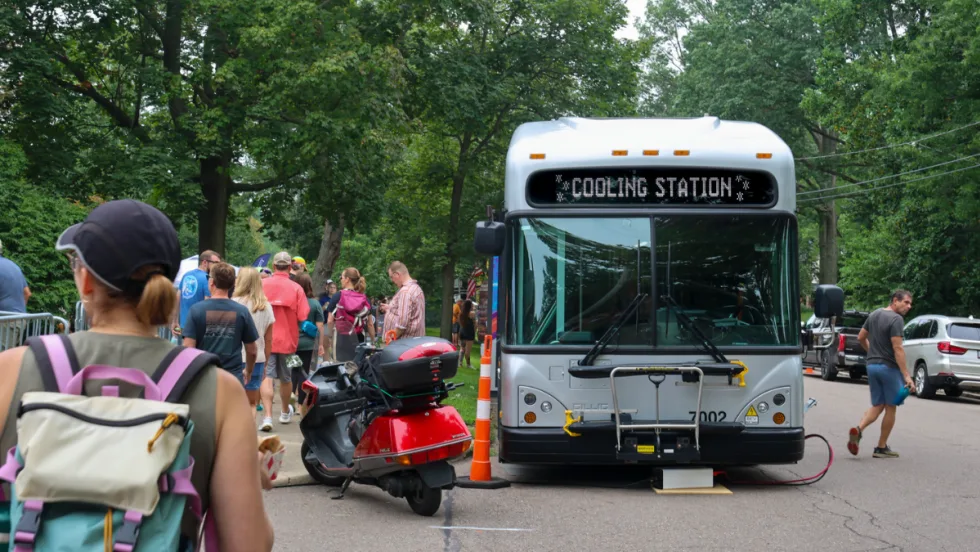
Ohio’s METRO RTA Turns Electric Buses into Mobile Power Sources at PorchROKR
See how three Gillig battery-electric buses powered festival stages while the agency’s new Park & Ride service carried approximately 1,000 attendees, demonstrating another potential use for transit agencies’ electric fleets.
Read More →
CALSTART and Forth Combine to Form Catalyst Mobility
The new name represents a renewed vision for the nonprofit focused on advancing clean, equitable, and affordable transportation solutions that move people and goods.
Read More →
Building a Flexible Path to Transit Electrification
John Hroncich discusses BAE Systems’ modular and scalable approach, lessons learned from decades of real-world operations, and how agencies can identify electrification strategies that fit their fleets.
Read More →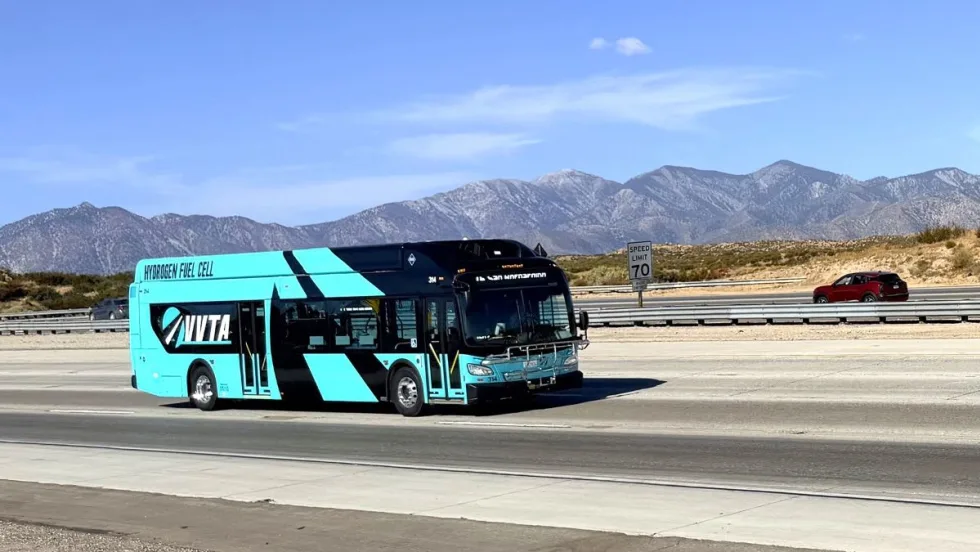
California's VVTA Begins Phased Rollout of Hydrogen Fuel Cell Buses
The agency is introducing 13 zero-emission buses into revenue service while evaluating performance across its urban, rural, and long-distance routes.
Read More →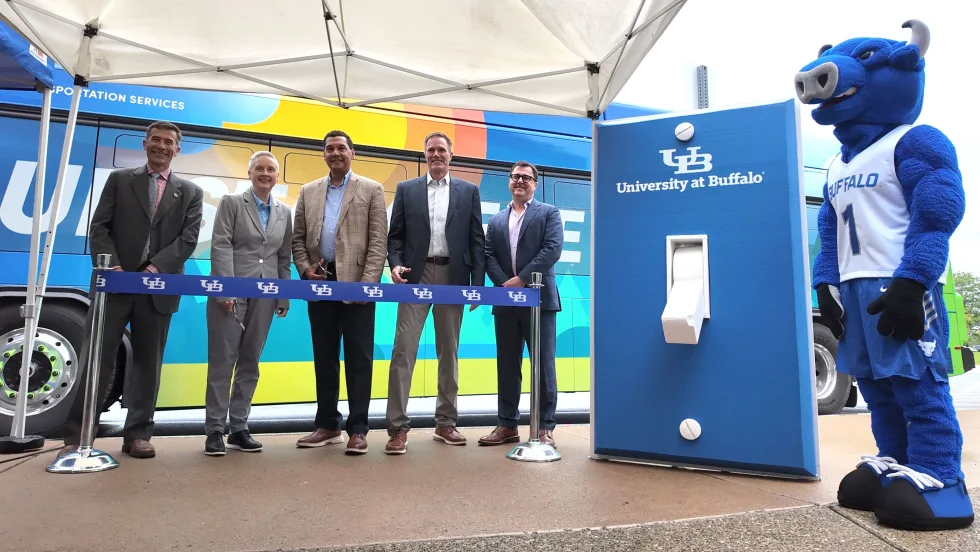
Inside Look: University at Buffalo Puts First 8 Electric Buses Into Stampede Service
UB, transportation solutions provider WeDriveU, and fleet electrification specialist Zenobē marked the deployment in the presence of students, university administrators, and local officials.
Read More →
Biz Briefs: OCTA Taps Clean Energy for Hydrogen Station, Stadler to Supply Via Rail Vehicles, and More
From manufacturers and suppliers to transit agencies and motorcoach operators, these updates offer a snapshot of the projects, partnerships and business moves driving the industry forward.
Read More →