



Monterey-Salinas Transit launches new trolleys
New Monterey-Salinas trolleys attract more riders than old shuttle buses.

Monterey-Salinas (Calif.) Transit (MST) debuted a new fleet of rubber-tired trolleys, manufactured by Optima Bus Corp., at a waterfront parade in mid-May. The official unveiling, which took place in downtown Monterey, featured a ribbon-cutting ceremony and speeches from various partners in the project, including MST General Manager Frank Lichtanski, Monterey Vice Mayor Clyde Roberson and Leslie Rogers, administrator of the Federal Transit Administration’s (FTA) Region IX. The event concluded with the six-trolley fleet traversing an MST waterfront route. “These [trolleys] are a part of the aesthetics of Monterey. They will make people think, ‘Why can’t we have those where I live,’” said event speaker Rep. Sam Farr (D-Calif.). The Victorian-style trolleys, which cost $337,890 each, were paid for through a public/private partnership with the city, Monterey Bay Aquarium, the FTA and Municipal Services Group. The ADA-compliant trolleys seat 27 passengers and are equipped with a Cummins ISB engine and an Allison B300 transmission. Other features include a Q’Straint wheelchair tie-down system, video surveillance and an annunciator system. The annunciator system has four prerecorded announcements informing passengers of historical facts about various destinations and attractions on the route. The trolleys will replace small shuttle buses that began service in 1992 as a way to relieve congestion in the area. Service on the nearly 3-mile route, known as The WAVE (Waterfront Area Visitor Express), transports passengers to various local attractions, including Cannery Row, Fisherman’s Wharf, the Monterey Bay Aquarium and downtown. The free service, which operates from Memorial Day to Labor Day, has an average ridership of 100,000 during the season. However, since the launch of the new trolleys, ridership on the WAVE has already surpassed expectations, with 36,264 riders in June, a 50% increase over 2003. “The trolleys have proven very popular with visitors and locals alike,” said Lichtanski, “and they provide an early 1900s old Monterey ambience.”
More Management
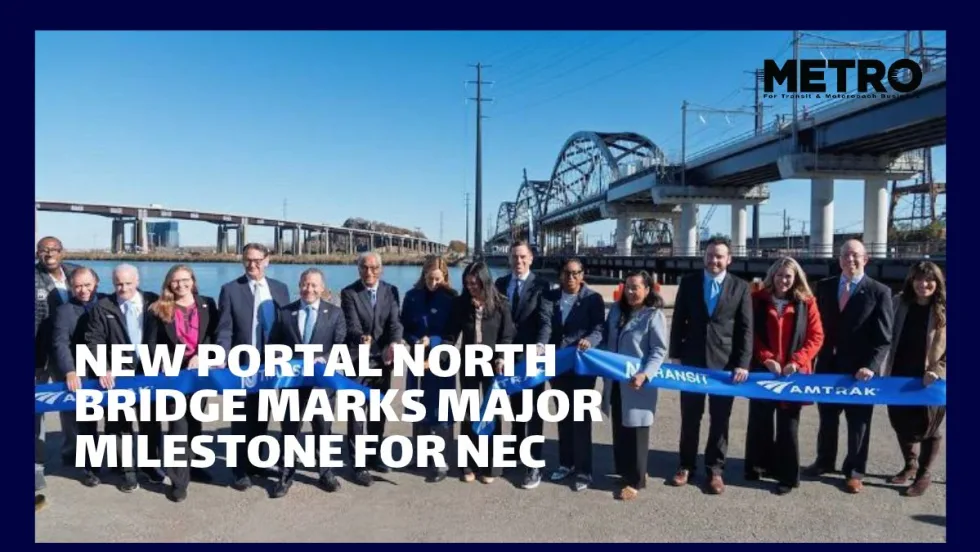
Amtrak, NJ TRANSIT Launch Full Service on New Portal North Bridge
The completion of the two-track bridge over the Hackensack River eliminates a longstanding source of delays for NJ TRANSIT and Amtrak customers. It marks a major milestone for the Gateway Program.
Read More →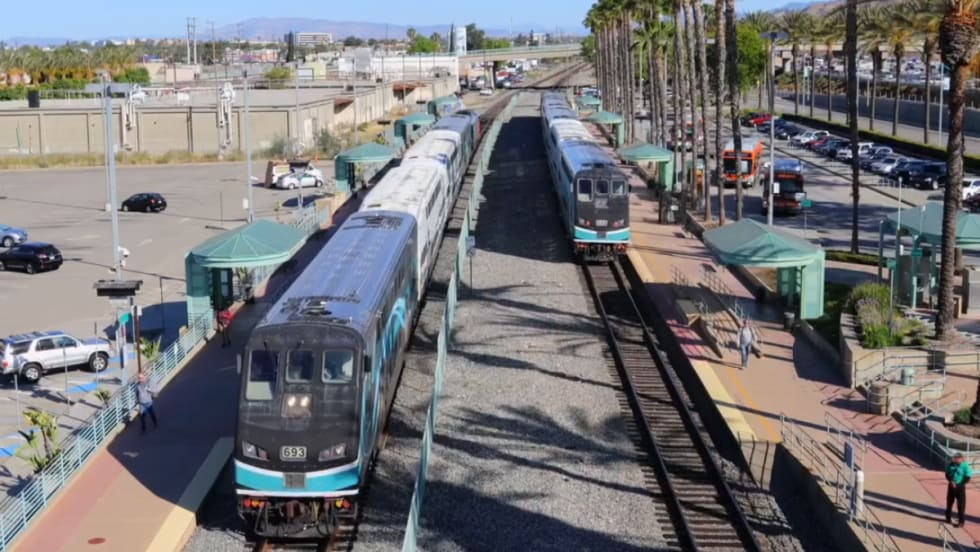
Southern California’s Metrolink Approves $508.8M Budget, Avoids Service Cuts
A $20 million state allocation allows the regional rail agency to maintain existing weekday and weekend service through fiscal year 2028, although longer-term funding challenges remain.
Read More →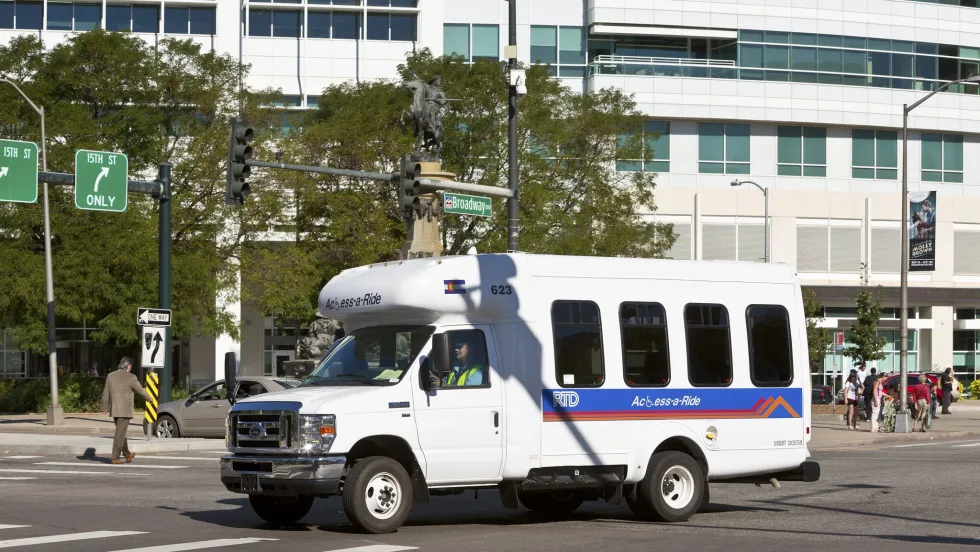
Denver RTD Committee to Review Paratransit Services, Improve Accessibility
The committee will oversee an independent study of paratransit operations, gather customer feedback, and recommend improvements to service reliability, accessibility, and accountability.
Read More →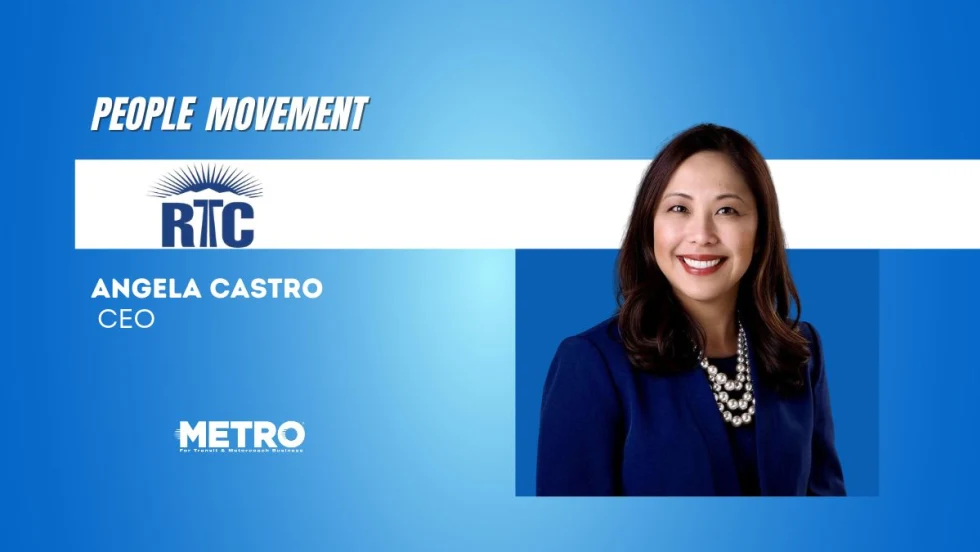
Castro to Lead RTC of Southern Nevada and More in People Movement
In this edition, we also cover recent appointments and announcements at the STV, MCI, and more, showcasing the individuals helping to shape the future of transportation.
Read More →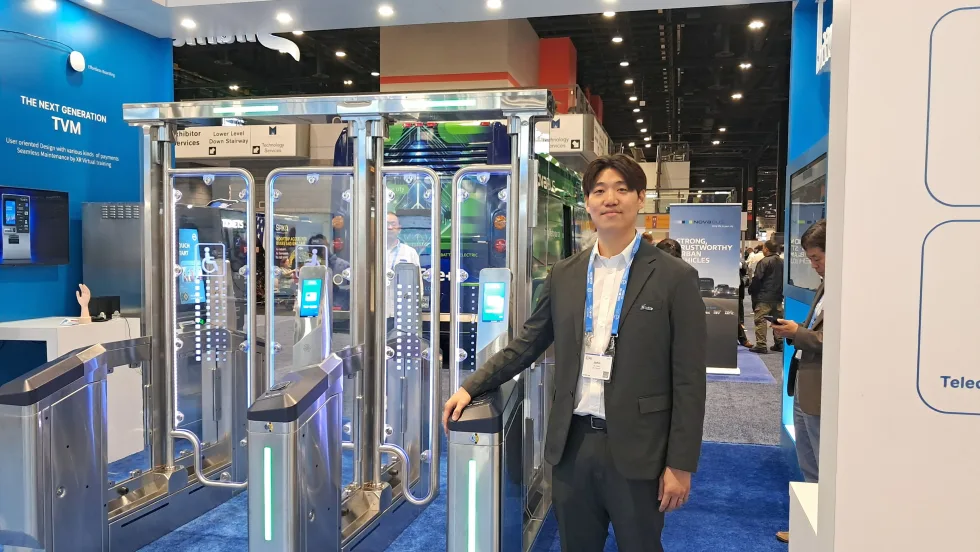
STraffic Expands North American Presence with Fare Collection Technology
John Moon, Associate Director, Product Strategy at STraffic, discusses the company's growth in North America, its efforts to reduce fare evasion, and more.
Read More →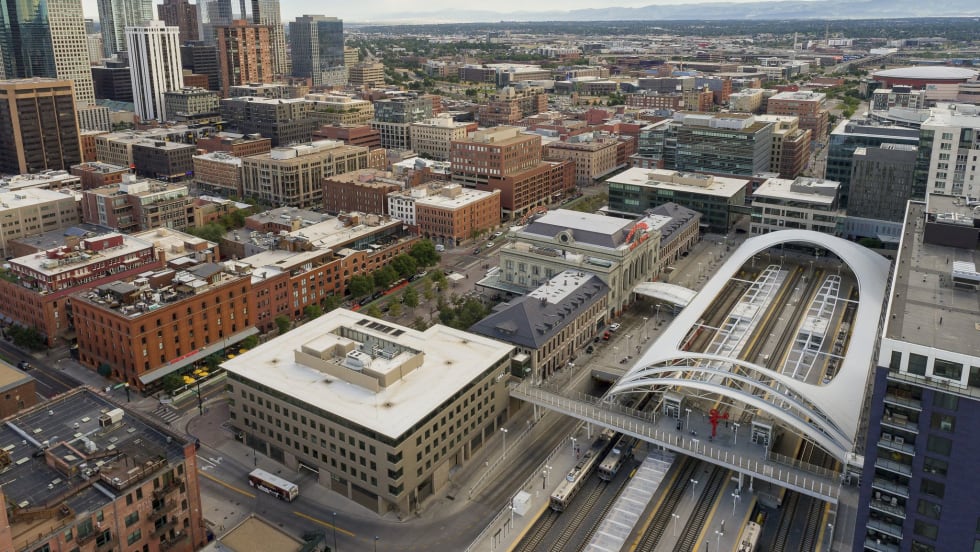
Study: Denver RTD Generates $2.1 Billion in Annual Economic Activity
An economic impact study finds the agency supports approximately 17,500 jobs, delivers $1.6 billion in annual community and mobility benefits, and generates $2.42 in economic value for every dollar invested.
Read More →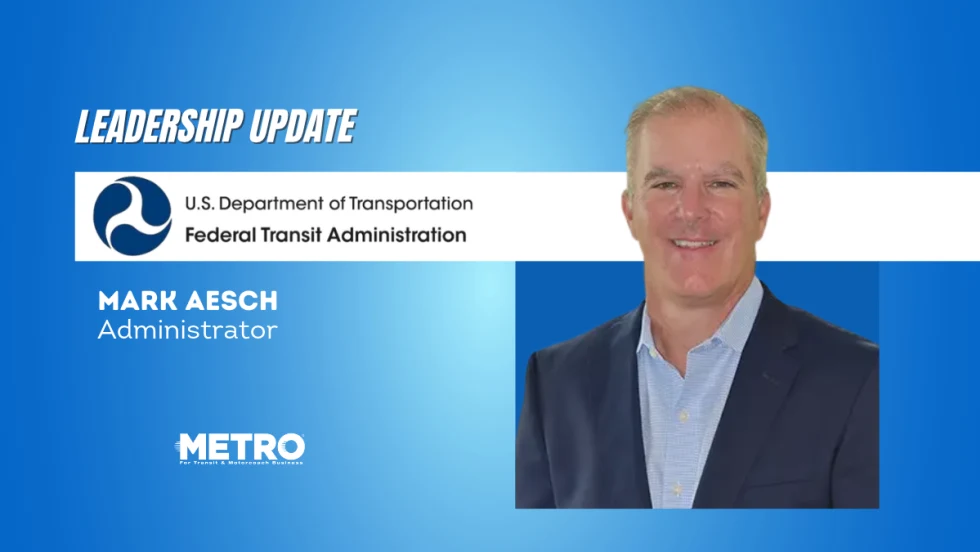
Mark Aesch Nominated to Lead Federal Transit Administration
The former Rochester transit chief and TransPro founder, who has also contributed to METRO Magazine, brings decades of industry experience and a focus on performance, accountability, and financial sustainability to the nomination.
Read More →
Best and Worst U.S. Cities for Public Transportation in 2026
A new analysis of 50 major U.S. urban areas ranks public transit systems based on accessibility, affordability, usefulness, and safety, highlighting where transit performs best and where challenges remain.
Read More →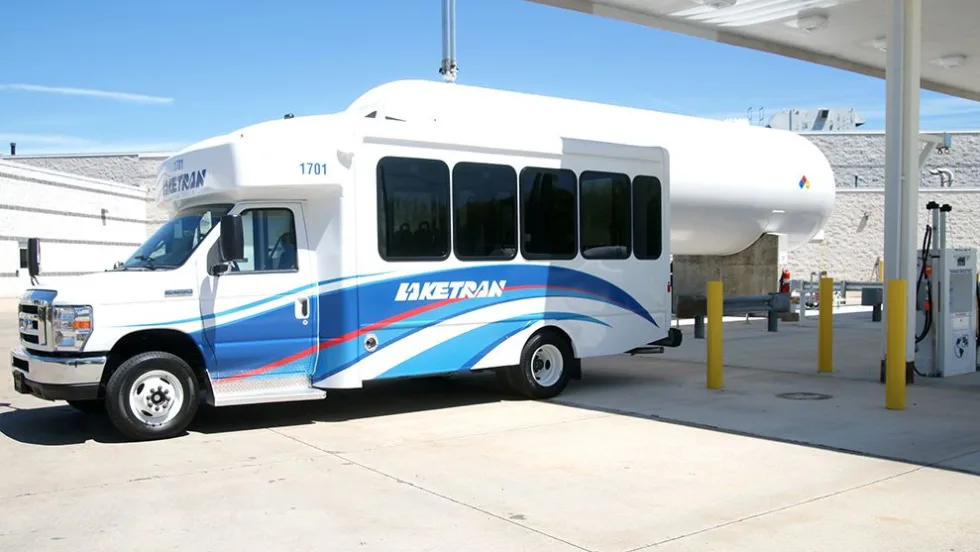
Laketran Cuts Fuel Costs, Boosts Efficiency with Propane-Powered Fleet
The Ohio transit agency is using propane-powered vehicles and on-site fueling infrastructure to cut fuel and maintenance costs while meeting growing demand for paratransit services.
Read More →
Canada’s Public Transit Supports $65.6 Billion in Annual GDP
New research from the Canadian Chamber of Commerce examines transit's economic contributions, including job creation and the financial implications of transportation investment.
Read More →