



More Than ‘Ready’ for the Challenge
Tom Ready, president of Ready Bus Lines in Minnesota, is named METRO’s Operator of the Year. He credits his success to his willingness to work hard and his commitment to his staff.
Although he would prefer to be crunching numbers with a calculator at an accounting firm, Tom Ready, president of Ready Bus Line in La Crescent, Minn., has done pretty well for himself in the motorcoach business.
Ready operates 18 motorcoaches, offering a mix of charters and design tours from his base in the Midwest. He also is a pupil transportation contractor, with a fleet of 50 school buses. His company is described by his peers as “the real deal,” providing quality service without compromise.
In addition to running an exemplary operation, Ready has contributed his time to the betterment of the industry through his involvement with the United Motorcoach Association (UMA), currently serving as the organization’s secretary.
To recognize his achievements, METRO Publisher Frank Di Giacomo presented the magazine’s 2006 Operator of the Year award to Ready at the UMA Expo, held Jan. 18 to 21 in Tampa, Fla.
History in the making
Ready’s father, Joe, started the business in 1950 with a single bus purchased from Casey Cornell, founder of the ABC Companies.
The younger Ready never really wanted to be a part of the motorcoach industry, but was drawn into the business as a young boy and helping with the payroll at age 16.
When his father started purchasing school buses, Ready made it clear that he had every intention of completing college to become an accountant. He received his degree in accounting from the University of Wisconsin, La Crosse, in 1976.
Rather than put his accounting skills to use in the outside world, he decided to stick with the family business.
“I finished school, but I said, ‘Well, if we’re going to have a bus, I might as well drive it. But I don’t want to drive a bus, so the hell with it, let’s get going. Let’s make this a business,’” Ready explains.
Cruise ship concept
Now, many decades later, Ready Bus Line is a long-established motorcoach concern, providing long-distance tours and charter service to travelers around the country. “We’re kind of like a cruise ship concept, but we got rid of the long rides because we’re in the middle of nowhere,” he says. “That’s about half of our market, and then the other side is regular charter.”
In styling tours this way, Ready saves on fuel costs because some of his vehicles travel only 100 miles a day. “It’s not always ‘maximize, maximize,’ it’s basically just ‘merrily we roll along,’” he says. “People like it. You’re not driving past everything, trying to set a record to go to five McDonald’s in one day. We don’t do that.”
The downside of this format, says Ready, is the amount of time his drivers must spend away from home, sometimes several months straight. But he’s found a great group of drivers and employees to keep the long hours this type of business needs to shine.
Commitment to staff
Ready puts his energy into keeping his drivers happy and healthy, and attributes the success of his business to their talents. “I start every meeting saying, ‘Thanks for making my job so easy,’” he says. “And I’m not kidding. They’re cool people.”
Ready says one of his strengths is being able to manage a group of drivers ranging widely in age and objective. “Since we have so many part-timers, you have different age groups, and they all have different agendas. It is not always money driven.”
The operators are committed to their cause a little more than the average driver because of the time they put in on the job. Many of the tours are planned outside the state, and drivers can be required to stay away from home for lengthy periods.
To reward their efforts, Ready accommodates his drivers and their families as much as possible. “If they have a week off, I’ll fly them home or fly their wives up,” he says. “Or they’ll fly their wives out and when they get done for the season, the wives will ride home from one of their tours with them. That’s kind of a treat.”
At times, recruiting drivers can be difficult because of the unusual requirements of the job. “To fill a gap for a guy who says he’ll go live in Alaska for 100 days takes a commitment,” Ready says.
Ready’s love for technology tends to translate into his drivers being well-equipped for their long hauls, making it easier and safer for them to travel. “When they’re heading out, they’ve got satellite radios, they’ve got GPS, they’re all on laptops, we e-mail them their schedules, etc.,” he says. “They’re connected.”
That connectivity carries over into Ready’s relationship with his drivers. “I believe you can’t pawn things off on others,” he says. “So I have a 24-hour answering service. They’ll call at 2 or 3 a.m., and I’ll answer the phone. I don’t care.”
In addition to serving as UMA’s secretary, Ready is the organization’s Finance Committee chairman. He attributes the UMA’s achievements to the hard work its members and its board put in. “We’ve gotten the security grants and the wheelchair grants for the small guys,” he says. “That’s a big victory. I’m really happy about that.”
Ready began his tenure with the UMA board as the youngest member in 1990 and has gained a wealth of knowledge from the experience. Now, he says he tries to offer the board ideas and suggestions for making progress in the industry.
More Management

Best and Worst U.S. Cities for Public Transportation in 2026
A new analysis of 50 major U.S. urban areas ranks public transit systems based on accessibility, affordability, usefulness, and safety, highlighting where transit performs best and where challenges remain.
Read More →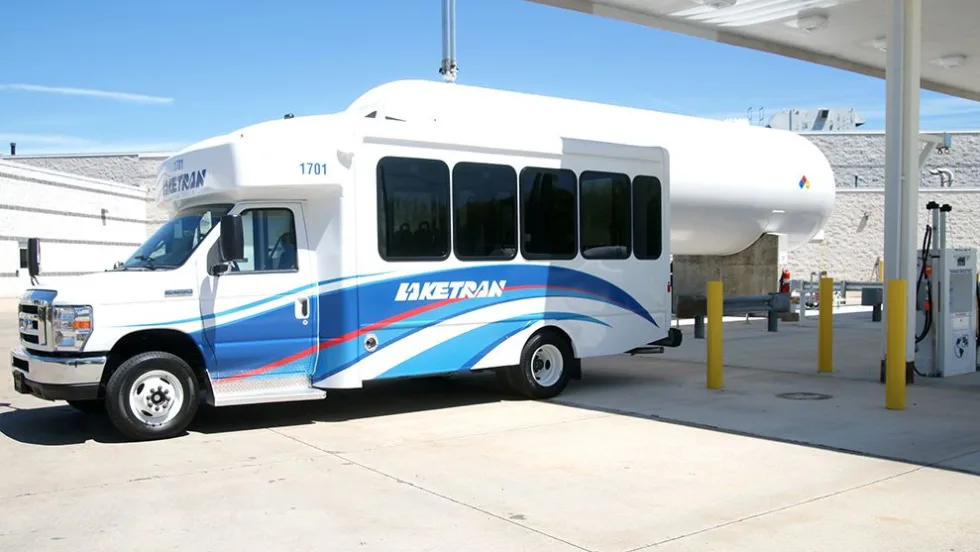
Laketran Cuts Fuel Costs, Boosts Efficiency with Propane-Powered Fleet
The Ohio transit agency is using propane-powered vehicles and on-site fueling infrastructure to cut fuel and maintenance costs while meeting growing demand for paratransit services.
Read More →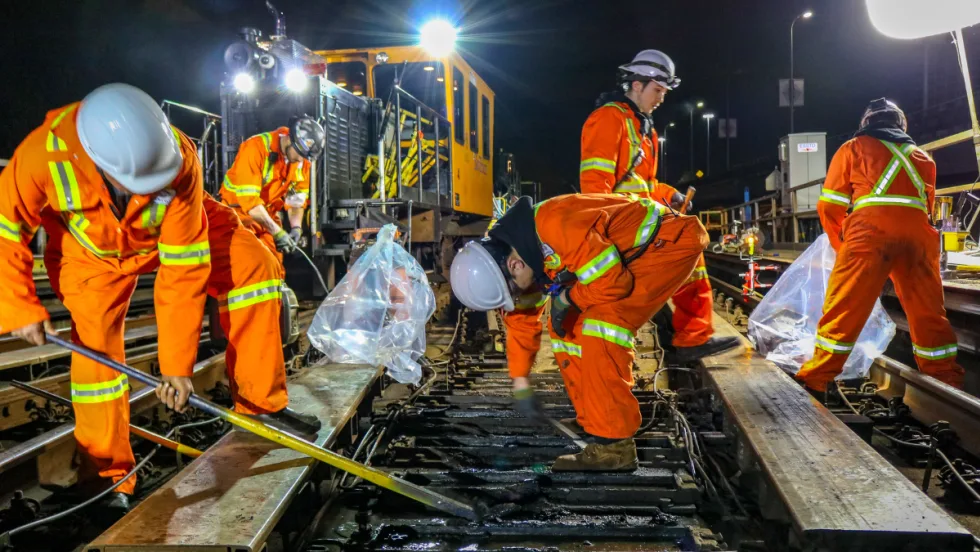
Canada’s Public Transit Supports $65.6 Billion in Annual GDP
New research from the Canadian Chamber of Commerce examines transit's economic contributions, including job creation and the financial implications of transportation investment.
Read More →
Pierce Transit Moves to Expand Fleet Following Proposition 1 Approval
The agency authorized the purchase or refurbishment of up to 60 buses to support a 47% service expansion, as voters nationwide approved billions in new transit funding.
Read More →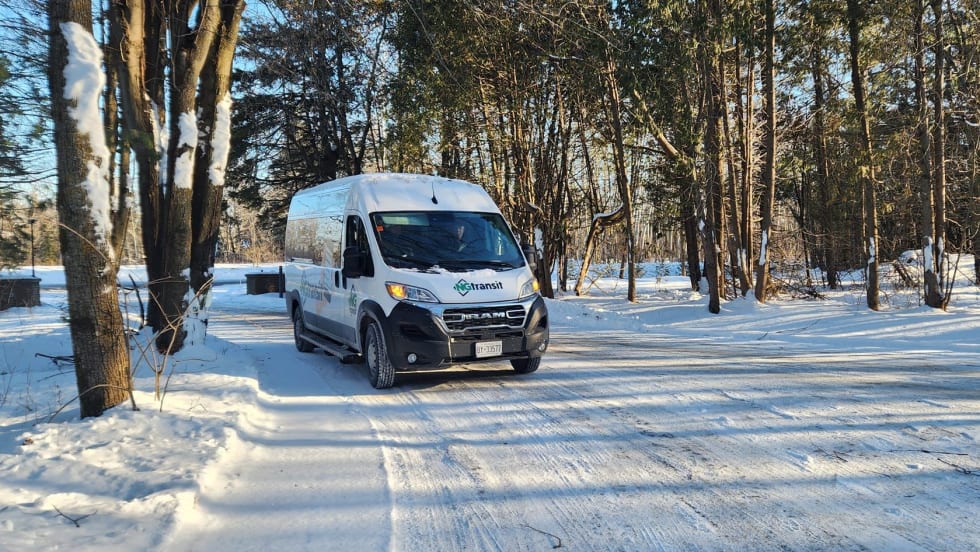
Right-Sizing Rural Transit: Lessons from North Grenville’s On-Demand Model
A small municipality shows how flexible service, rider needs, and public accountability can expand mobility with limited resources.
Read More →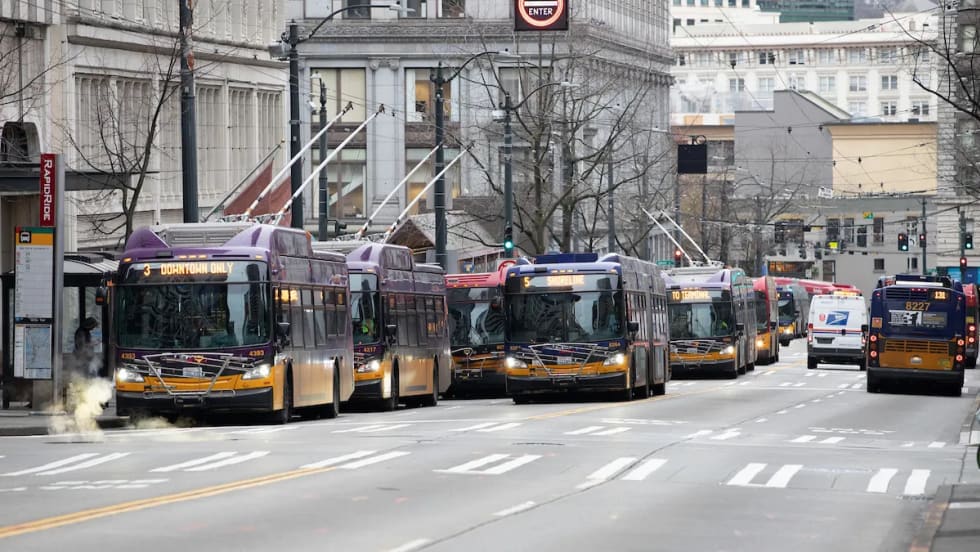
Transit Ballot Victories Signal Strong Voter Support: What Comes Next?
Voters approved billions in public transportation investments in 2026, giving agencies opportunities to preserve service, expand operations, and strengthen regional connections amid a changing political landscape.
Read More →
Transit Expands Agency Partnerships, Reaching 200 Official App Partners
COO Jake Sion discusses Transit’s growth, the success of its Transit Royale program, and how technology is helping agencies improve the rider experience.
Read More →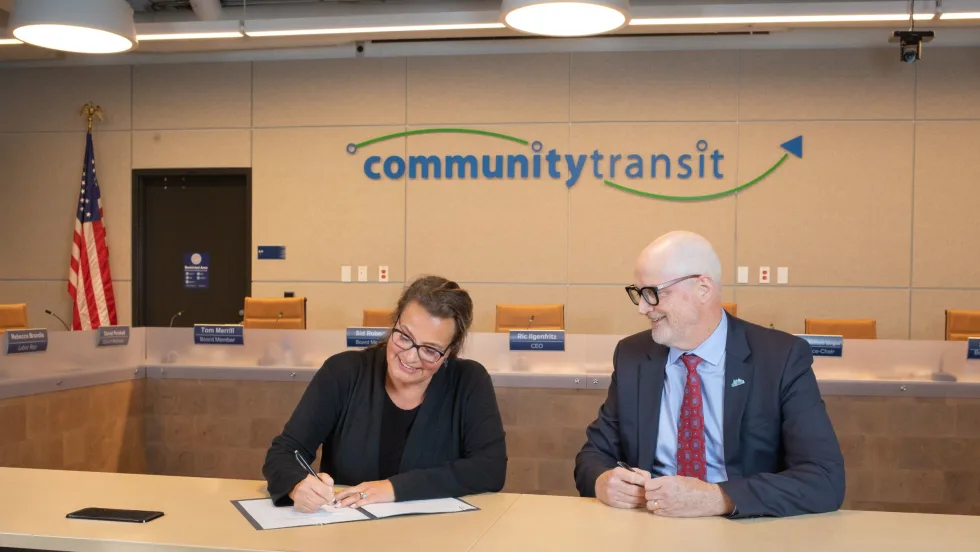
Everett Transit, Community Transit Approve Consolidation of Services
The agreement will bring Everett Transit into Community Transit’s network in April 2027, with plans to increase bus service by 50% by 2031 and expand regional connections.
Read More →
NITA Proposes $5B Operating Budget, $9.7B Capital Program for 2027
The proposed budget includes funding for expanded transit service, safety initiatives, fleet upgrades, and infrastructure improvements across CTA, Metra, and Pace.
Read More →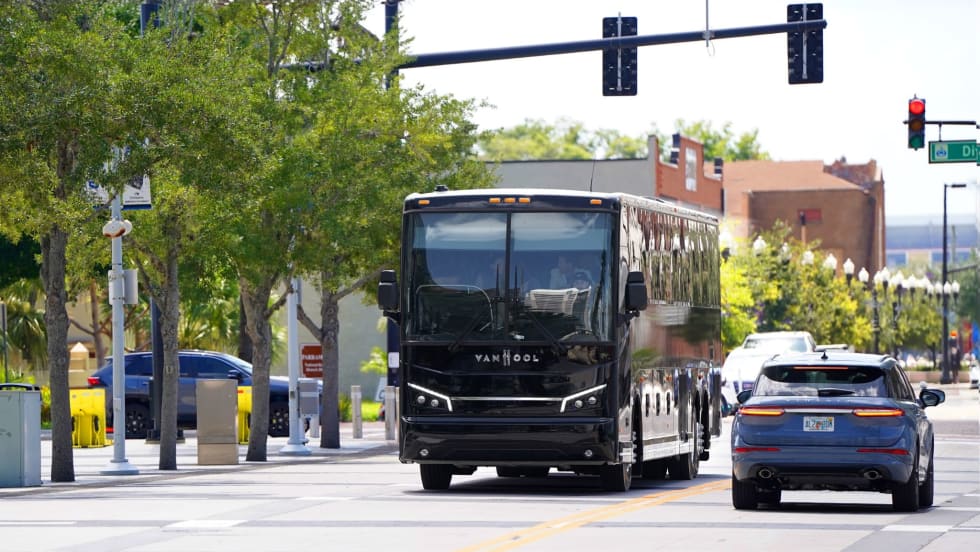
Financing, Fleet Replacement Requires a More Strategic Approach
Executives from ABC Companies and MCI discuss how rising costs, changing market conditions, and post-pandemic challenges are prompting motorcoach operators to rethink financing strategies, fleet replacement cycles, and long-term planning.
Read More →