



OCTA improves bus service by 'Putting Customers First'
Transportation agency implements comprehensive cutomer service-oriented plan to overhaul public image.
In an effort to ensure that its 210,000 daily bus passengers receive the best service possible, the Orange County (Calif.) Transportation Authority (OCTA) unveiled an innovative customer service and marketing program called “Putting Customers First.” The program’s basic goal is to enhance the quality and efficiency of OCTA’s bus service while creating a stronger focus on customer service. To do this, OCTA first had to take a hard look at where it was falling short. Addressing concerns The “Putting Customers First” program was born in late 2002, when OCTA Chief Executive Officer Art Leahy made the bold move of hiring one of the authority’s most outspoken critics to provide an independent perspective on OCTA’s operations and to serve as an advocate for bus riders. When Leahy arrived in 2001, OCTA was facing flat ridership and disgruntled customers after a series of route and schedule changes. Hoping to better understand customer concerns, Leahy offered transit advocate Jane Reifer a consulting contract and asked her to provide insight on how the organization could improve its service. At the same time, OCTA hired Robert Holland, a transit consultant with 40 years of experience, to examine ways to improve the efficiency and accuracy of the authority’s bus schedules. Staff from OCTA’s bus operations, finance and public communications divisions spent months working with Reifer and Holland to compile a comprehensive report that outlined more than 80 separate recommendations on how to improve local bus service. Recommendations included plans for additional bus service, more reliable schedules, real-time control of buses and comprehensive public information about schedules and options. “Riders felt their concerns were discounted for many years,” says Reifer, who gave up her car in 1974 in favor of public transportation. “It’s great to see that OCTA is starting to address these concerns.” Putting the plan into action Since the “Putting Customers First” report was approved in February 2003, OCTA has made several changes to its bus operations and marketing efforts. OCTA immediately added 10 new staff positions to supervise bus routes and ensure buses run on schedule. In March, OCTA extended hours of operation at its Customer Information Center by 21 hours a week. The center now opens earlier and closes later each day to answer questions from passengers about schedules, routes and fares. OCTA also made changes to its Bus Book, which provides route and schedule information for the authority’s 76 bus routes. The book was redesigned to include easier-to-read route maps and timetables and more detailed indexing and timetables from neighboring Los Angeles MTA bus routes as well as Metrolink and Amtrak commuter trains that serve Orange County. Further, signs at 6,500 bus stops are being redesigned with enhanced route maps and detailed schedule information. In June, OCTA organized a transit field trip for its board members so they could experience the system first hand and get a better sense of what riders face each day. Several members had not taken a bus in years. They spent nearly four hours riding buses throughout the county, interacting with passengers and using a Bus Book to find their way to various stops. “We are building on a strong foundation,” says Leahy. “Improvement takes time and energy, but based on feedback we’ve received so far, our customers genuinely seem to appreciate the results we have achieved with this program.” Michael Litschi is in the media relations department of the Orange County (Calif.) Transportation Authority.
More Management
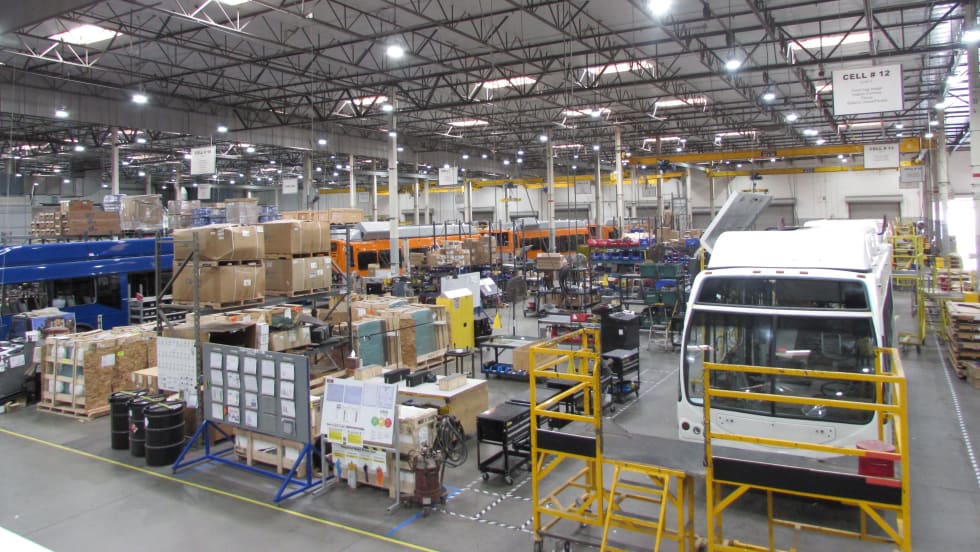
LA Metro Board Awards 220 Battery-Electric Bus Contract to ENC
The contract, which is the largest base award of battery-electric buses by a U.S. transit agency, will be built in Southern California, sustaining good jobs as LA prepares to welcome the world in 2028
Read More →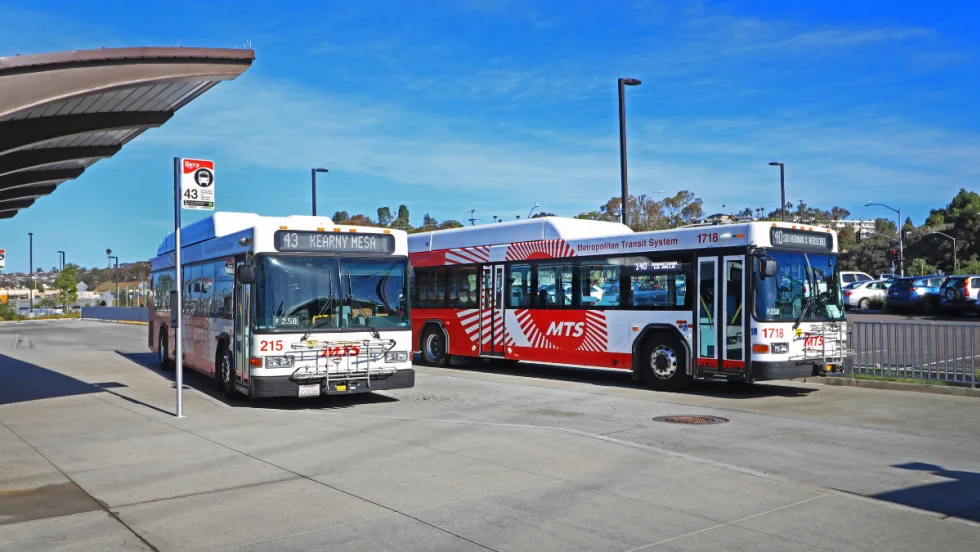
What’s Behind San Diego MTS’s Award-Winning Transit Strategy
Named one of APTA’s 2026 Outstanding Public Transportation Systems with 50 million or more annual passenger trips, California’s San Diego Metropolitan Transit System points to gains in ridership, safety, technology, and reliability as foundations of its success.
Read More →
Public Transit Conference Returning to GFX in 2027, Call for Papers Now Open
The Call for Papers is now open, allowing transit agency professionals and industry experts to help shape the PTC educational program by submitting session ideas for consideration.
Read More →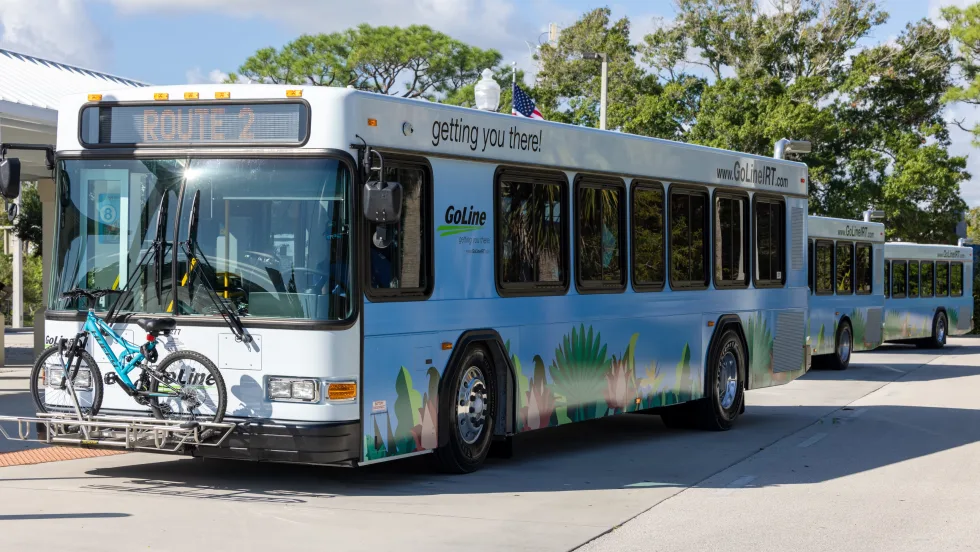
Indian River Transit’s Community-Focused Approach Earns National Recognition
Named APTA’s 2026 Outstanding Public Transportation System in its size category, Florida’s Indian River County transit system continues to grow ridership through fare-free service and a focus on evolving community needs.
Read More →
ENC Lands MATA Contract and More in Biz Briefs
In this edition of Biz Briefs, we spotlight the latest developments shaping the future of mobility.
Read More →
From Surviving to Thriving: Building Stronger Transportation Organizations
Bus Business Consultants founder Brian Dickson shares lessons on leadership, organizational health, and creating options for long-term success in a changing transportation industry.
Read More →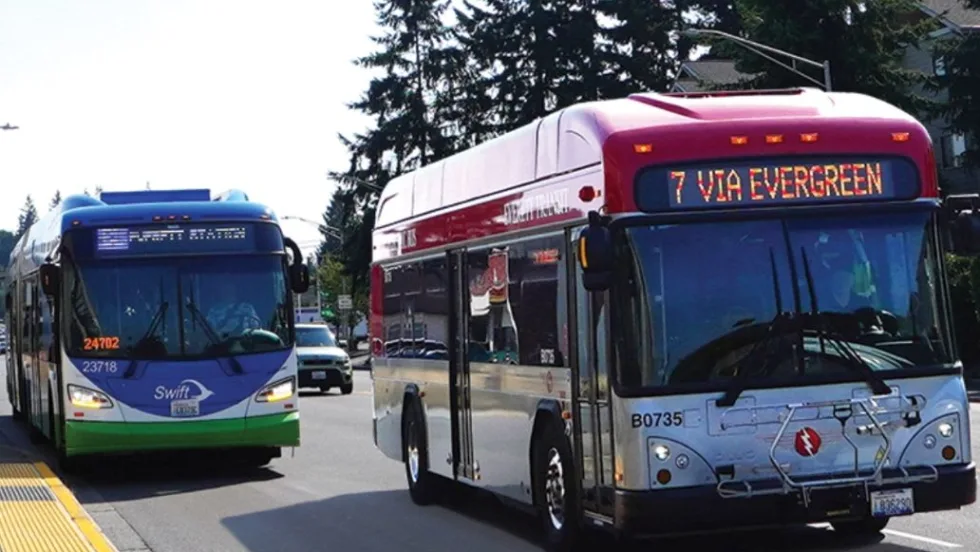
Everett Transit, Community Transit Outline Consolidation Agreement
The proposed agreement calls for a 50% increase in bus service in Everett, a new microtransit zone, continued paratransit service, and the transfer of Everett Transit operations to Community Transit.
Read More →
Strada360’s Steve Lassey on Turning Transit Data Into Better Decisions
From breaking down data silos to preparing for AI, Strada360 CEO Steve Lassey discusses how transit agencies can use technology to improve operations, customer information, and long-term decision-making.
Read More →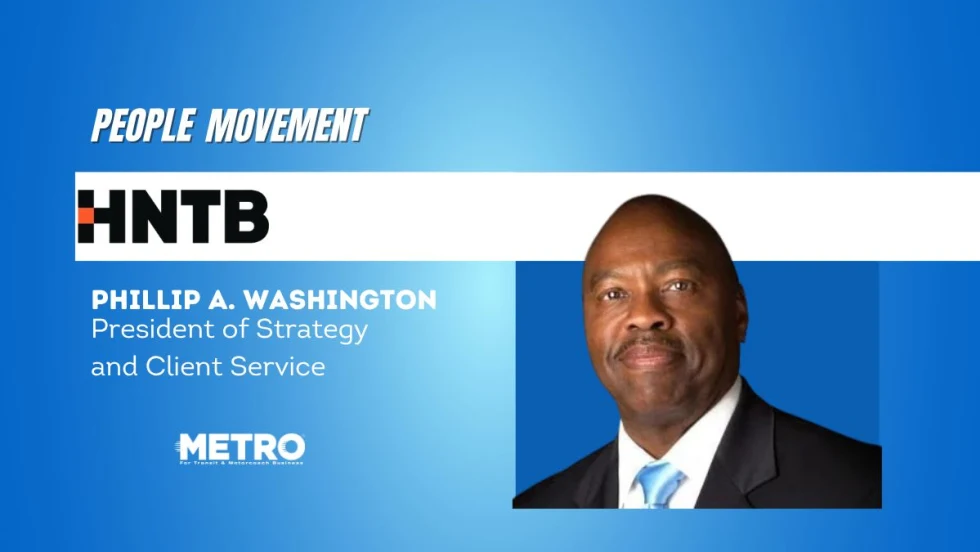
People Movement: Phil Washington Joins HNTB, Denver RTD Launches CEO Search, and More
In this edition, we also spotlight recent personnel moves at STV, the Eno Center for Transportation, and more, highlighting the people taking on new roles across the transportation industry.
Read More →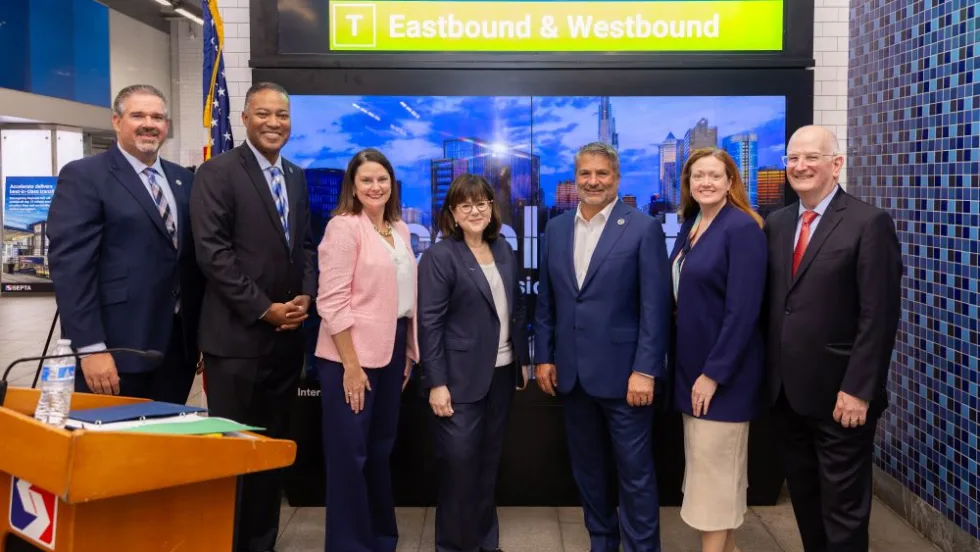
SEPTA Details Accelerate Vision for Transit System
The plan outlines investments in trolley modernization, new Metro and Regional Rail vehicles, accessible stations, and more frequent bus and rail service.
Read More →