



Ohio fleet is soy happy with biodiesel
COTA utilizes its states natural resources by implementing the use of soy-based biodiesel in its bus fleet.
Since January, the Central Ohio Transit Authority (COTA) in Columbus has systematically implemented the use of biodiesel fuel, made from Ohio soybeans, into its fleet of 234 buses. The switch to soy fuel, initially prompted by shrinking fuel supply lines during the 2005 hurricanes, is permanent, say COTA officials.
“We are committed [to this],” says Don Makarius, COTA’s director of vehicle maintenance and engineering. He says biodiesel has lowered operating costs, reduced vehicle emissions by more than 40% and, to this point, been seamless.
Clean burning and renewable, biodiesel fuel is manufactured in several different plants across the country. The fuel, which releases very little particulate matter, is created in a process that removes glycerin, a natural lubricant, from vegetable oil.
According to Darryl Brinkmann, chairman of the National Biodiesel Board (NBB), even a mere 2% blend of the fuel with ultra-low sulfur diesel (ULSD) would ensure plenty of lubricity in an engine. This is a growing concern with many engine manufacturers, as soy fuel use spreads across the country. However, COTA’s experience with the fuel in a gamut of buses shows that its 90% blend of biodiesel has little to no effect on its vehicles’ mechanics or maintenance.
Because colder temperatures tend to induce fuel gelling and clouding, COTA created a seasonal fuel program. The agency has discovered that simply adjusting the blend at different times during the year enables the vehicles to perform normally in all conditions. Between December and April, the company reduces its blend to 20% and then readjusts the make-up in warmer weather. The regular diesel fuel COTA supplements in its tanks will satisfy ULSD requirements that have been mandated by the EPA.
The agency’s supplier, Ohio-based Peter Cremer North America LP, blends its diesel according to what the NBB refers to as BQ9000 standards. Vehicle performance depends on adhering to strict biodiesel specifications, and alternative fuel producers should be registered with the EPA as certified blenders that meet those requirements to attain certification.
The partnership between Peter Cremer and the agency is beneficial to both organizations, as well as Ohio’s agriculture industry.
“Because all of this feedstock is grown by farmers, either as soybeans, canola or something like that to produce the oil, we’re going to have to gradually grow our ability to increase supply of the feedstock too,” says Brinkmann. As long as Ohio’s numerous soybean crops can keep up with demand, COTA officials see no end in sight to the agency’s reliance on biodiesel.
Peter Cremer continues to infuse Ohio’s economy as more transit authorities, including Cincinnati’s, are putting the supplier to use. The blender allows its customers to lock in a fixed-price contract over a 12-month period, while it obtains the tax credit on its own. This enables energy-based companies to breathe easy despite fluctuations in the fuel market.
Makarius is more than satisfied with the relationship COTA has with its supplier and, according to the company’s 2005 budget comparison, it has saved money. The only time the operation noted a visible increase in fuel consumption was during air conditioning season.
More Management

ENC Lands MATA Contract and More in Biz Briefs
In this edition of Biz Briefs, we spotlight the latest developments shaping the future of mobility.
Read More →
From Surviving to Thriving: Building Stronger Transportation Organizations
Bus Business Consultants founder Brian Dickson shares lessons on leadership, organizational health, and creating options for long-term success in a changing transportation industry.
Read More →
Everett Transit, Community Transit Outline Consolidation Agreement
The proposed agreement calls for a 50% increase in bus service in Everett, a new microtransit zone, continued paratransit service, and the transfer of Everett Transit operations to Community Transit.
Read More →

Strada360’s Steve Lassey on Turning Transit Data Into Better Decisions
From breaking down data silos to preparing for AI, Strada360 CEO Steve Lassey discusses how transit agencies can use technology to improve operations, customer information, and long-term decision-making.
Read More →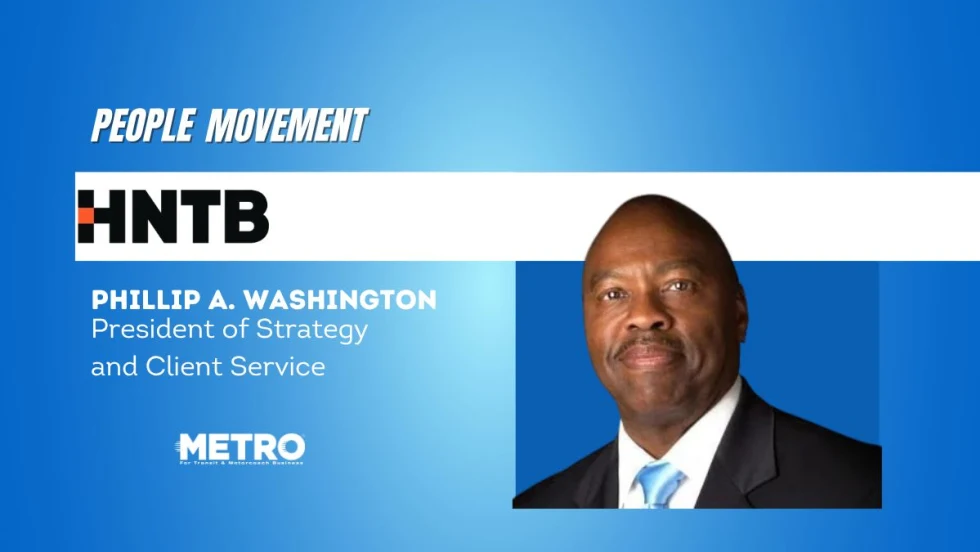
People Movement: Phil Washington Joins HNTB, Denver RTD Launches CEO Search, and More
In this edition, we also spotlight recent personnel moves at STV, the Eno Center for Transportation, and more, highlighting the people taking on new roles across the transportation industry.
Read More →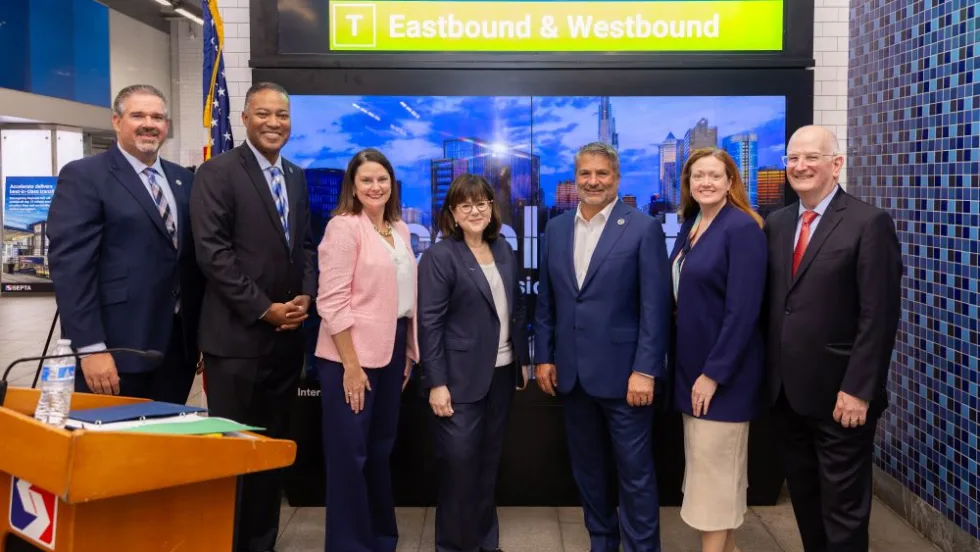
SEPTA Details Accelerate Vision for Transit System
The plan outlines investments in trolley modernization, new Metro and Regional Rail vehicles, accessible stations, and more frequent bus and rail service.
Read More →
FTA Ends Direct Oversight of MBTA Safety Actions
The federal agency closed its remaining special directive to the Massachusetts Department of Public Utilities following a safety review that began in 2022.
Read More →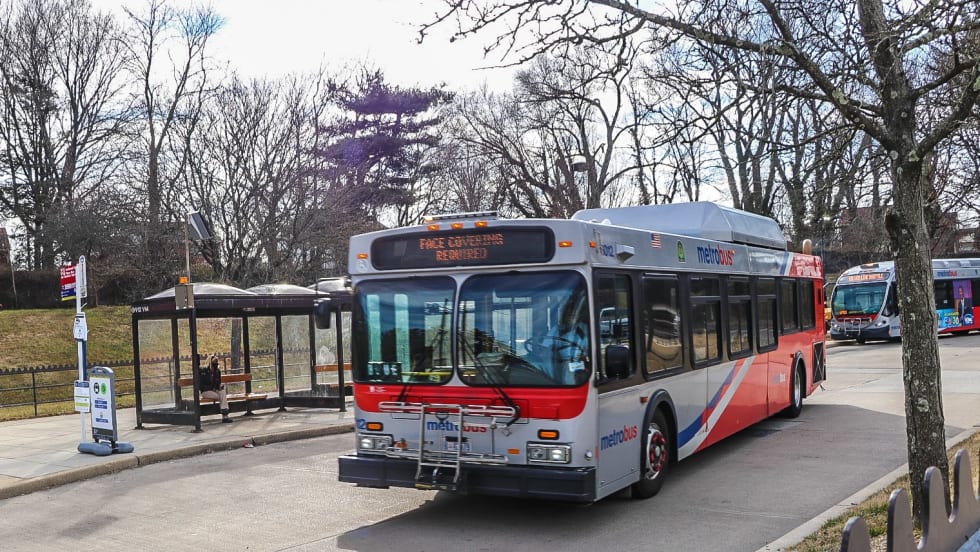
Report: Transit Bus Manufacturing Supports 34,100 Jobs, $5.1B in GDP
The “Buses Mean Business” report examines the transit bus manufacturing industry’s economic footprint, supply chain, and rising demand for vehicle replacements.
Read More →
LIT Marks 10-Year Milestone at Annual Summit
Hosted by the COTA from September 10 to 13, the Summit carried the theme “Celebrating 10 Years of Excellence, Leadership, and Impact,” with every part of the program honoring the people, agencies, and partners who built LIT over its first decade.
Read More →
People Movement: Dan Dipert Coaches Adds Third-Generation Leader, Keolis Names New Valley Metro VP/GM, and More
In this edition, we also cover recent appointments and announcements at the Wabtec, SilverRide, HNTB, and more, showcasing the individuals helping to shape the future of transportation.
Read More →