



Phoenix: Bus and Rail Bring Complementary Benefits
Valley Metro has gradually begun to unify the various bus services in the Phoenix area. This process is crucial, as the region currently consists of nine dial-a-ride services and three separate transit operations.

According to David A. Boggs, executive director of Regional Public Transportation Authority (RPTA) and Valley Metro, the idea of having a modern transit system in the greater Phoenix area would be ludicrous without first and foremost having an efficient bus system.
Thankfully, he says, the METRO light rail line is opening doors for rubber-tired road vehicles. “We have the opportunity with the new 20-mile light rail line to not just make transit great here, but to make it spectacular,” Boggs says.
Valley Metro, the brand identity for a regional partnership that work together to provide regional bus service in the cities of Avondale, Chandler, El Mirage, Gilbert, Glendale, Mesa, Peoria, Phoenix, Scottsdale, Surprise, Tempe and Maricopa County.
Established in 1985, Valley Metro has gradually begun to unify the various bus services in the Phoenix area. This process is crucial, as the region currently consists of nine dial-a-ride services and three separate transit
operations.
Multilayered bus system
Bus service in the area, known as the Valley of the Sun, is primarily provided by the city of Phoenix, which contracts with Veolia Transportation, MV Transportation and Laidlaw Transit to staff and manage the lion’s share of services.
Tempe and the Regional Public Transportation Authority separately contract with Veolia Transportation to provide East Valley transit and dial-a-ride services.
Overall, more than 760 buses are operated daily in the Valley Metro system. Most of these vehicles are owned and operated by the City of Phoenix.
Although the coordination of operations is significant, the riders experience a seamless service on a Valley Metro bus, no matter who is providing service in the background.
The Super Grid
The approval of Proposition 400 (a 20-year extension of a countywide half-cent sales tax for transportation) in November 2004 by Maricopa County voters is providing funding to beef up the transit program. Boggs says improvements that should be seen this year include the introduction of “Super Grid” service throughout the region and the arrival of new buses to replace some of the aging vehicles in the fleet. The Super Grid service enhances existing service on routes that run across several different cities.
In addition, revenues from Proposition 400 will fund new bus rapid transit arterial and freeway commuter services to downtown Phoenix as well as suburban work centers. There will also be 13 new regional park-and-rides, 13 new transit centers, 1,200 improved bus stops and more than 5,000 buses and vehicles purchased as new and replacement fleet.
“As the revenues from Proposition 400 come in, we will be able to add service according to our plans and the promises we’ve made to voters,” Boggs says.
“There are a lot of studies and new plans and ideas going on here, so it is an exciting place to be,” says Boggs. “But honestly, we are mainly dealing with blocking and tackling right now.”
Despite the low-key attitude of its executive director, Valley Metro is certainly making some strides toward innovation.
More Management
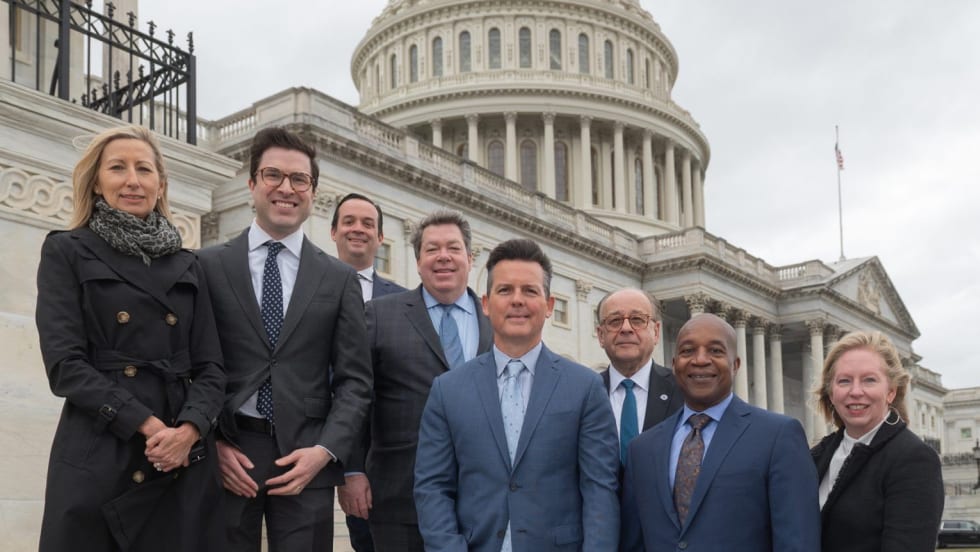
The Business Voice Behind Public Transportation
As chair of APTA’s Business Members Board of Governors, Ray Melleady explains how more than 850 business members are partnering with transit agencies to advance funding, innovation, and industry-wide collaboration.
Read More →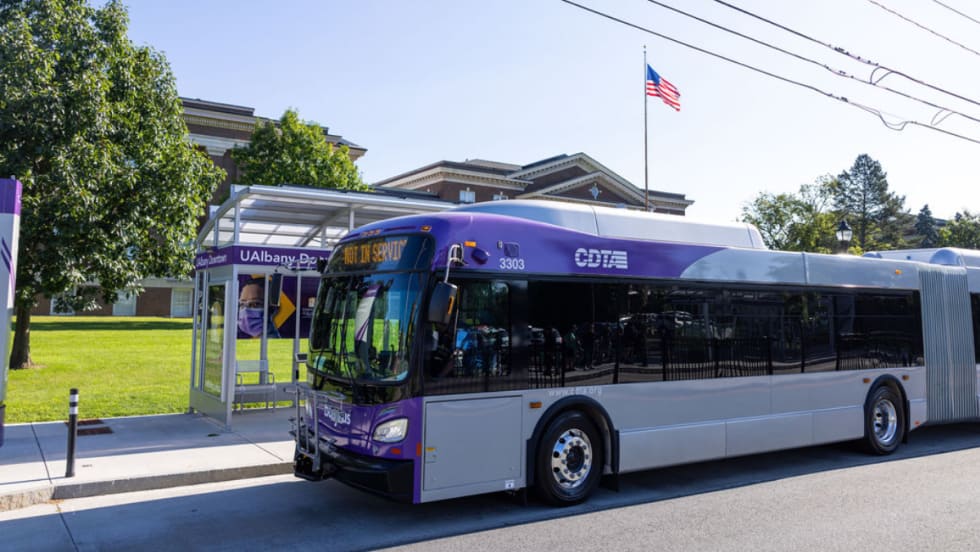
New York’s CDTA Service Rebalancing Boosts Productivity, On-Time Performance
Despite a slight dip in ridership, the agency’s FY2026 results show its service rebalancing strategy is helping the agency carry more riders per service hour while improving reliability.
Read More →
People Movement: ABC Names John Walsh as Chief Commercial Officer
In this edition, METRO also covers recent appointments and announcements at the DART, STV, and more, showcasing the individuals helping to shape the future of transportation.
Read More →
From Surviving to Thriving: Building Stronger Transportation Organizations
Bus Business Consultants founder Brian Dickson shares lessons on leadership, organizational health, and creating options for long-term success in a changing transportation industry.
Read More →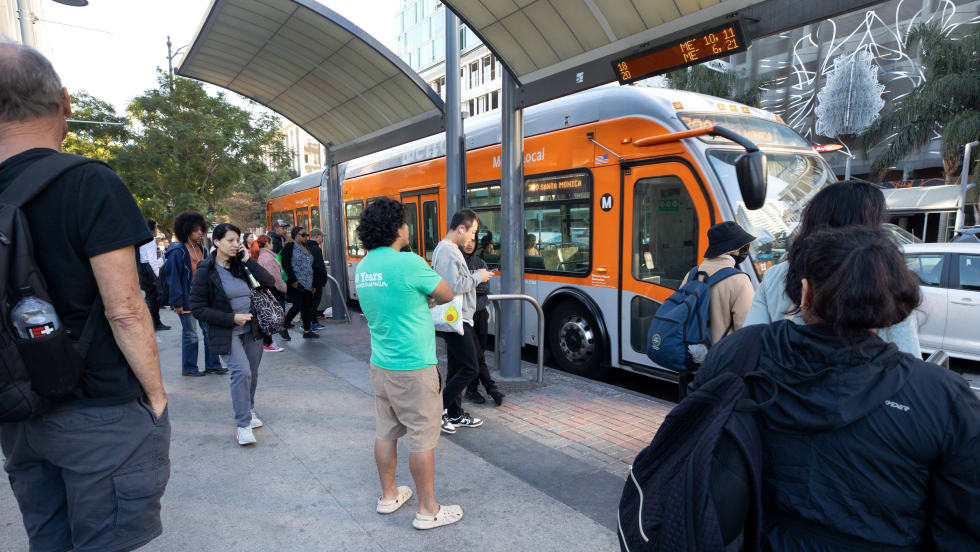
LA Metro Ridership Continues Growth as Rail Gains Accelerate
New rail connections and major events help drive continued ridership gains, with Metro recording its eighth consecutive month of year-over-year rail growth.
Read More →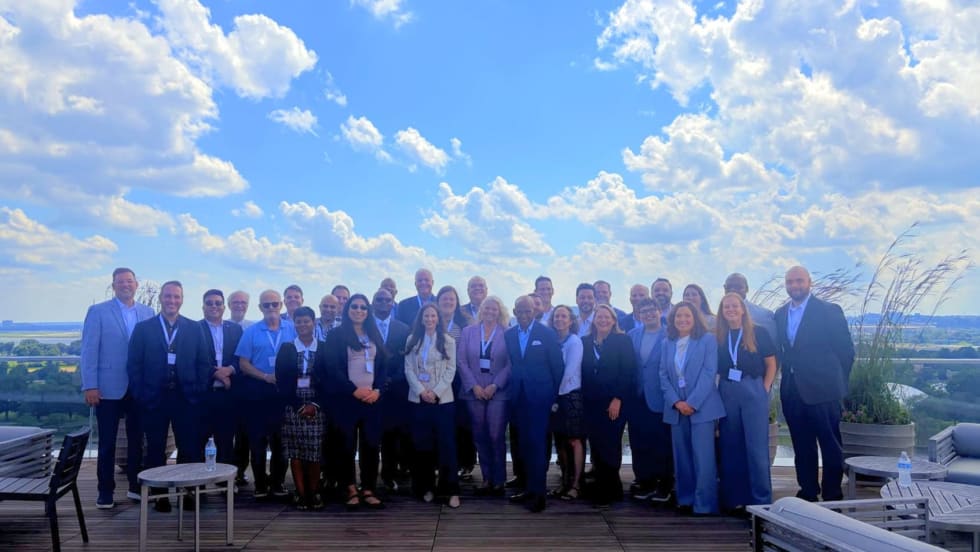
TransDASH Summit Focuses on Measuring What Matters in Transit
Transit agencies unveil a national performance platform designed to benchmark customer experience, safety, community value, and other outcomes.
Read More →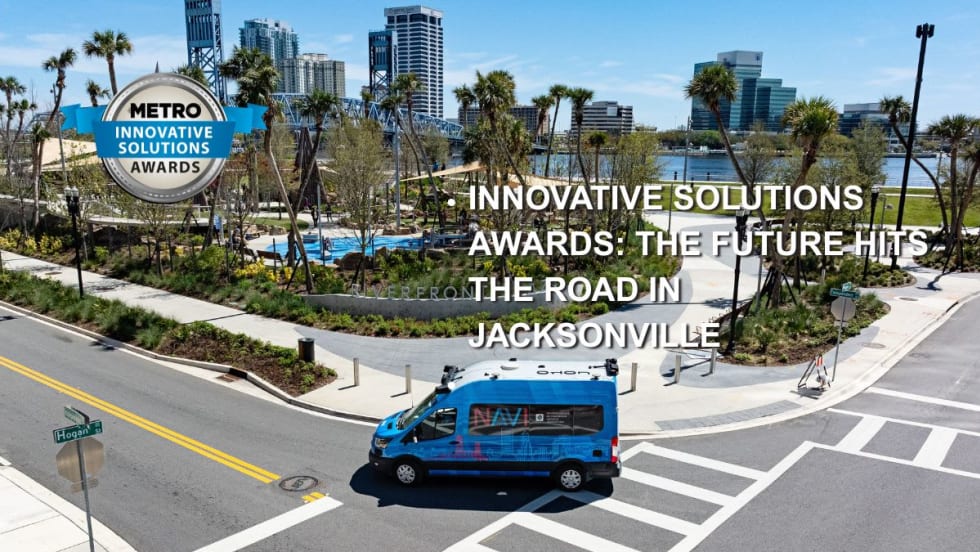
Jacksonville’s NAVI Project Charts a New Course for Autonomous Public Transportation
Through its NAVI program, JTA is showing how autonomous vehicles, intelligent infrastructure, and coordinated operations can work together to deliver everyday public transportation.
Read More →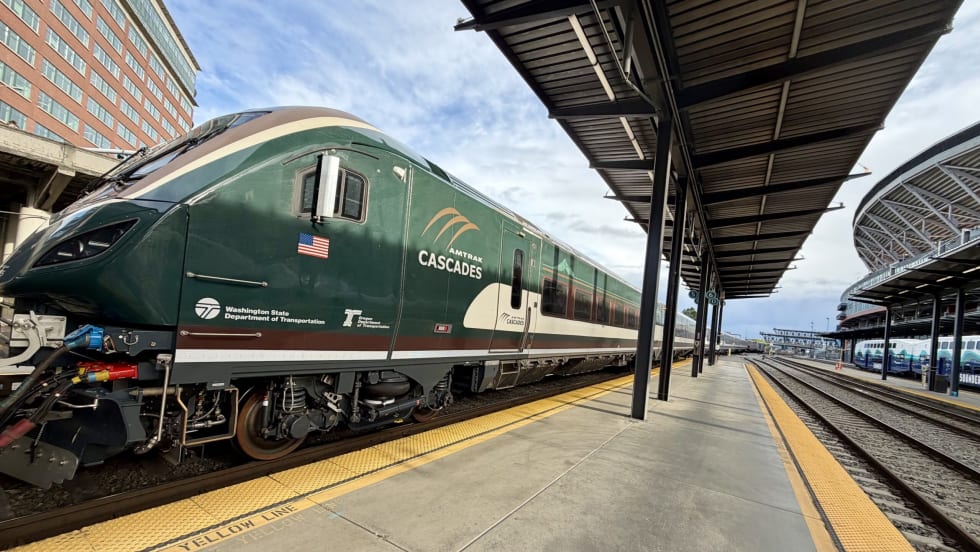
FRA Announces $5.3B in Rail Investments, Including $2B for Amtrak
Funding will support grade-crossing improvements, infrastructure upgrades, and new Amtrak equipment in 23 states.
Read More →
Finding the ‘Happy Medium’: Optimizing Maintenance Without Sacrificing Reliability
The key to maintenance optimization isn’t doing less work—it’s doing the right work at the right time on the right assets.
Read More →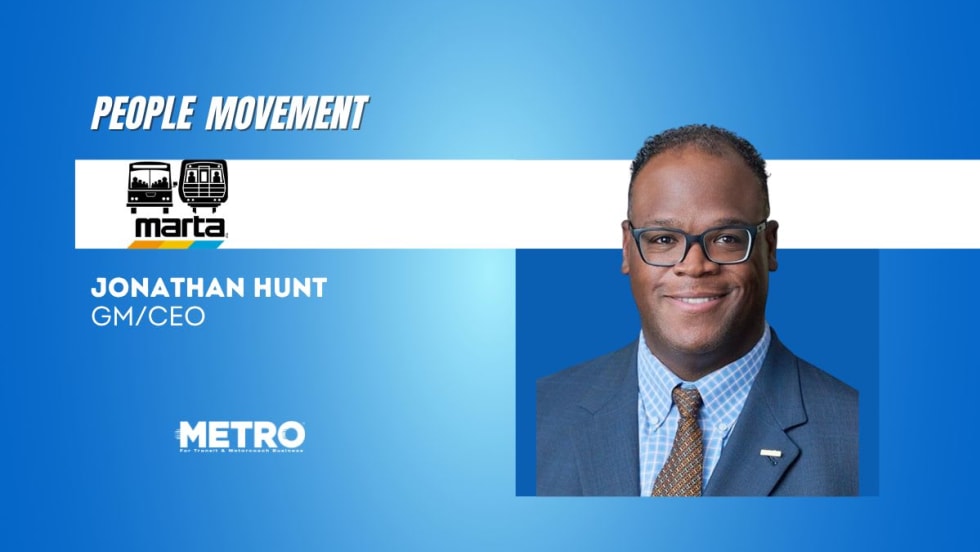
People Movement: MARTA Drops Interim Tag on GM/CEO Hunt and More
In this edition, METRO covers recent appointments and announcements at the FMCSA, HDR, SilverRide, and more, showcasing the individuals helping to shape the future of transportation.
Read More →