



Programs to boost ridership help bring overall rail ridership to record levels
In the past year, ridership on all forms of rail increased 5% or more, showing that investment in that mode by the federal government was put to good use, said Bill Millar, president of the American Public Transportation Association (APTA).

In the past year, ridership on all forms of rail increased 5% or more, showing that investment in that mode by the federal government was put to good use, said Bill Millar, president of the American Public Transportation Association (APTA). In 2000, there were 3.4 billion rail transit trips, with heavy rail rising 7.5%, light rail increasing 5.3% and commuter rail 5%. "There has been unprecedented growth in investment by the federal government, a steady increase that you have taken and put to very good use," Millar told attendees at APTA's Rail Transit Conference, June 10 to 14 in Boston. That investment increased $400 million for the next fiscal year, bringing the total investment in public transportation to $6.7 billion. While overall figures are good, growth rates at specific agencies are even better. Ridership on the San Diego Trolley grew 18%, on San Francisco's Bay Area Rapid Transit District (BART) 13% and on New Jersey Transit 10%. Though some of that ridership may be due to increased investment in the systems, it is also due to the agencies themselves coming up with new ways to attract riders. In its third year, the Chicago Transit Authority's (CTA) U-Pass Program has attracted more than 10 million student rides, and that number is expected to grow, said Darwin Stuart, manager of market research for the CTA. About 50,000 students from 22 schools use the program for which full-time students pay 55 cents a day, or $40 to $60 per student per term. "It's been a major contributor to transit growth in the last three years," Stuart said. On any given day, students using the U-Pass comprise 2% to 3% of total system ridership, and 25% to 38% of U-Pass trips net new CTA trips. The program also reversed the systemwide characteristics of the CTA, with more rides on the rail system than on the buses, he said. Riders using the U-Pass are added to an automatic farecard database and tracked by such things as school, route, time of day and station. Several transit properties are making use of employer-based annual transit pass programs where employers purchase passes for all employees at a discounted rate. Joana Conklin, a transportation analyst at Multisystems Inc., has helped install such programs at the Denver RTD, Dallas Area Rapid Transit and Tri-Met in Oregon. "It encourages more people to use the system and the transit agencies get as much revenue as if everyone riding was paying full fare," she said. Transit agencies base the price on the specific company ridership, which is determined by regular surveys, or regional assumptions where zones are determined by service levels. Using the regional pricing system increased ridership 90% in two years at companies using the program in Seattle. The Triangle Transit Authority (TTA) in North Carolina, in cooperation with the University of North Carolina, ran a pilot program targeting middle school students. Worked into their normal curriculum, students were taught by college students how to use the system, follow maps and the benefits of transportation. The program lasted three days and each student was given 10 free tickets to use on TTA vehicles. Access to passenger information through real-time information can help to increase ridership. "It takes the worry and frustration out of the experience," said Aidan Smith, marketing and communications manager at NextBus Information Systems, which develops signs for shelters and stations. Its Website features real-time tracking on any vehicle using its technology as well as interactive map displays that let the user view all the vehicles on a route. The Ninth Annual International Rail Rodeo also took place during the conference. First place in the operator category went to the Massachusetts Bay Transportation Authority's team of John Clifford and Paul Joyce. First place in the maintenance competition went to the team from BART, consisting of David C. Mohn, Edward Christian and Kenneth W. Morgan. Eighteen systems participated in the competition.
More Rail
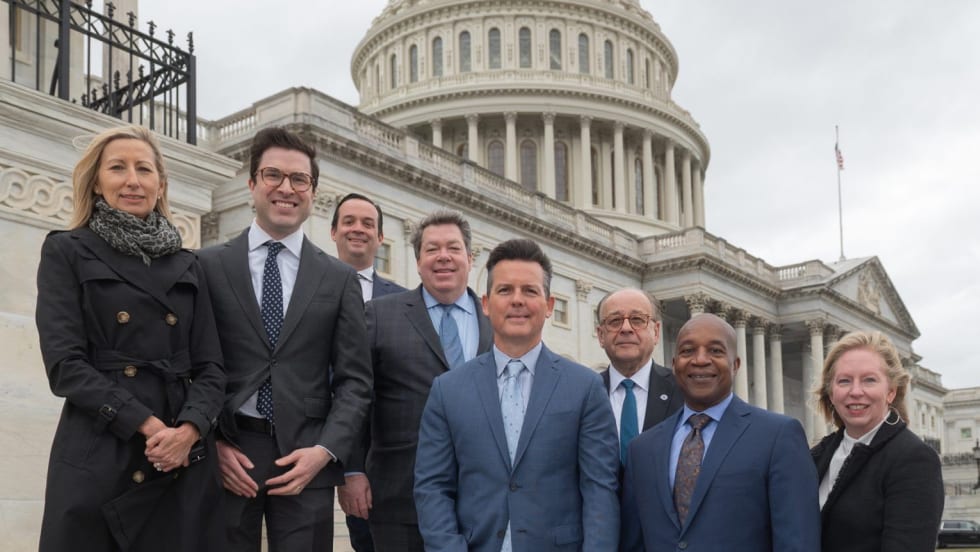
The Business Voice Behind Public Transportation
As chair of APTA’s Business Members Board of Governors, Ray Melleady explains how more than 850 business members are partnering with transit agencies to advance funding, innovation, and industry-wide collaboration.
Read More →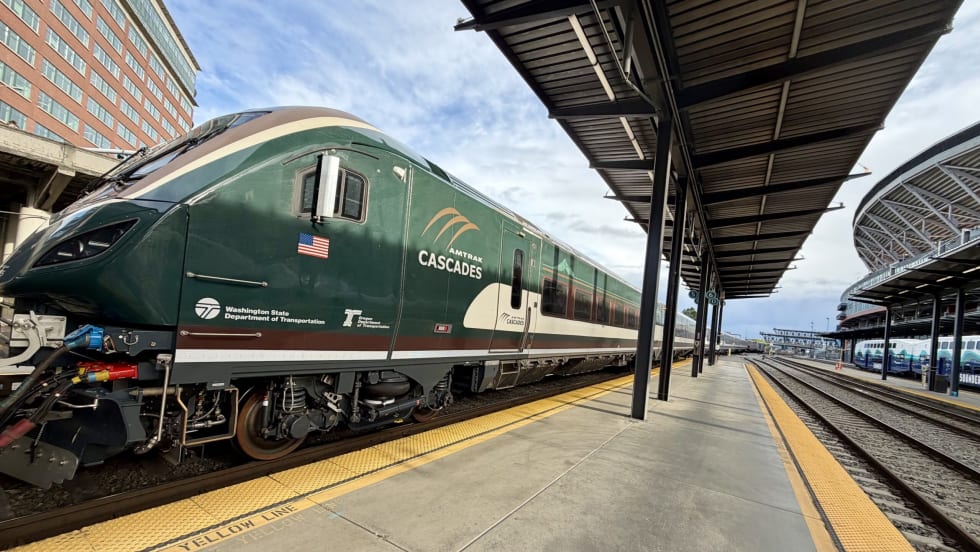
FRA Announces $5.3B in Rail Investments, Including $2B for Amtrak
Funding will support grade-crossing improvements, infrastructure upgrades, and new Amtrak equipment in 23 states.
Read More →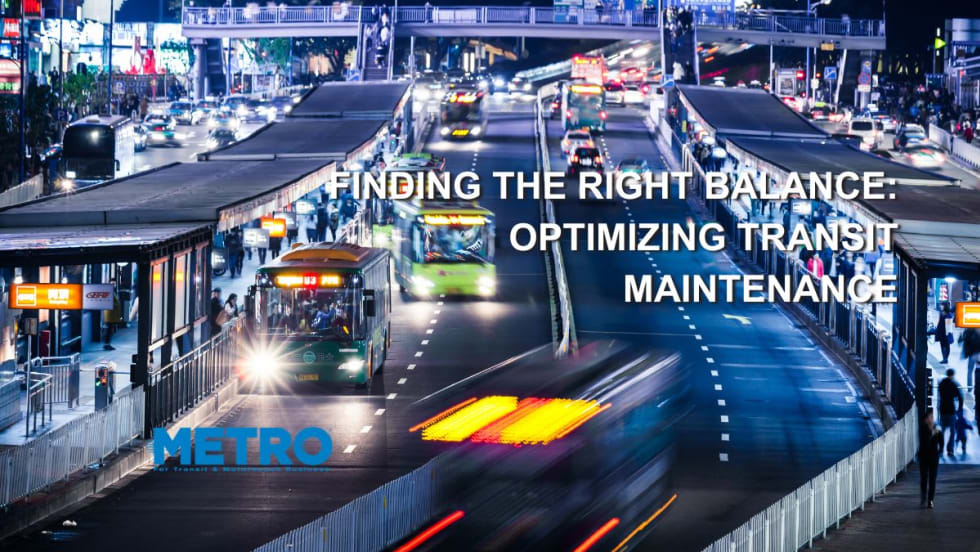
Finding the ‘Happy Medium’: Optimizing Maintenance Without Sacrificing Reliability
The key to maintenance optimization isn’t doing less work—it’s doing the right work at the right time on the right assets.
Read More →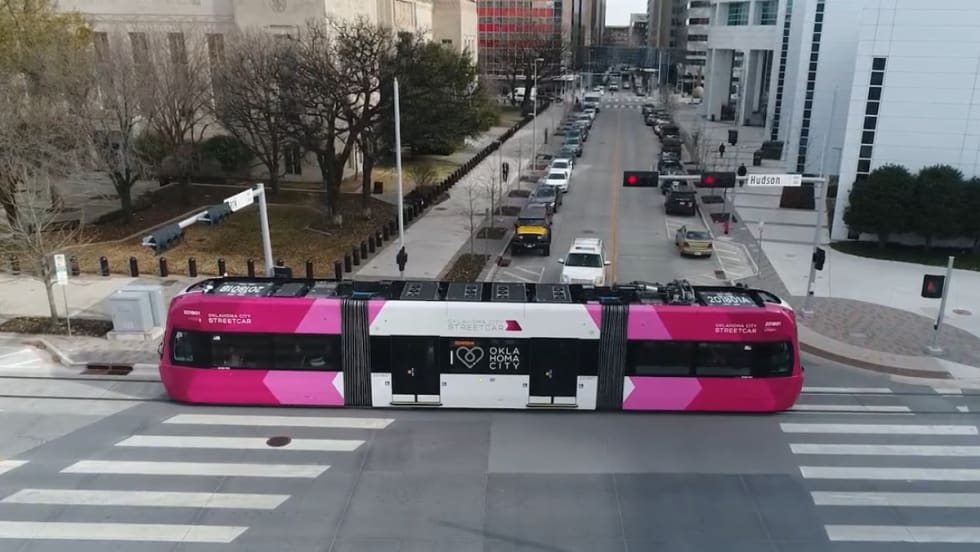
OKC Streetcar Makes Zero-Fare Service Permanent
Ridership increased an average of 71% compared with the same period a year earlier during the fare-free pilot.
Read More →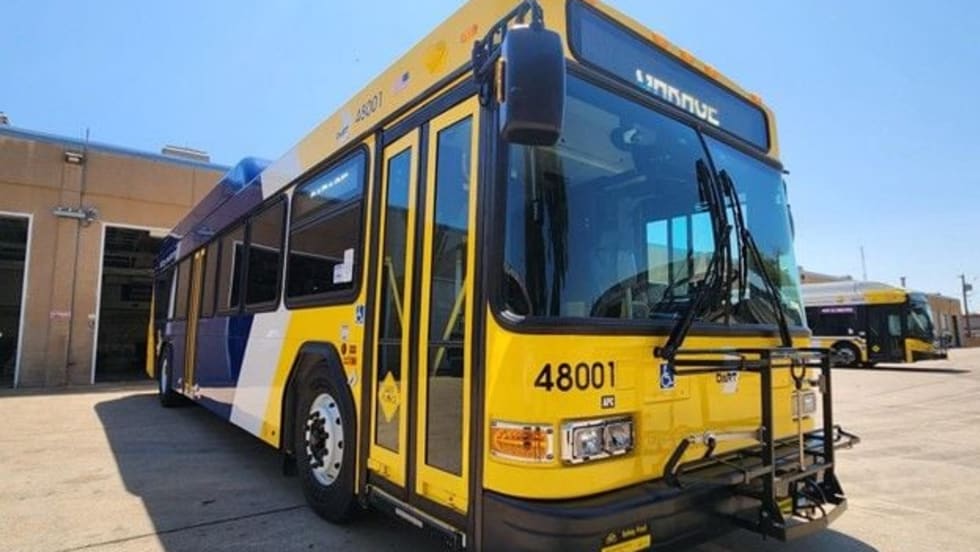
DART Customer Satisfaction Reaches Six-Year High
Overall satisfaction rose to 74.9%, while the agency’s Net Promoter Score reached a record 33.7.
Read More →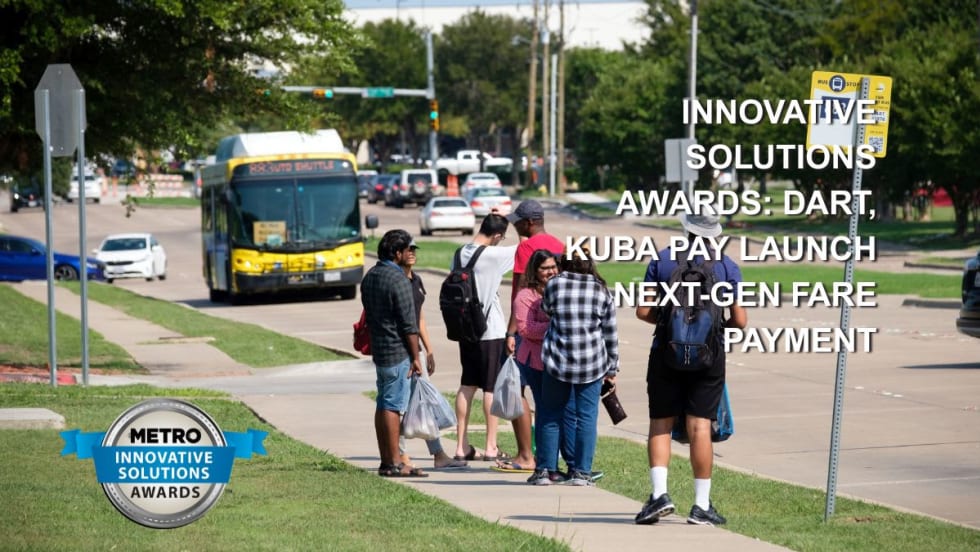
How DART's GoPass Is Redefining Regional Mobility
Serving 14 transit agencies, GoPass simplifies multimodal travel by allowing riders to plan, pay for, and manage an entire trip through one app.
Read More →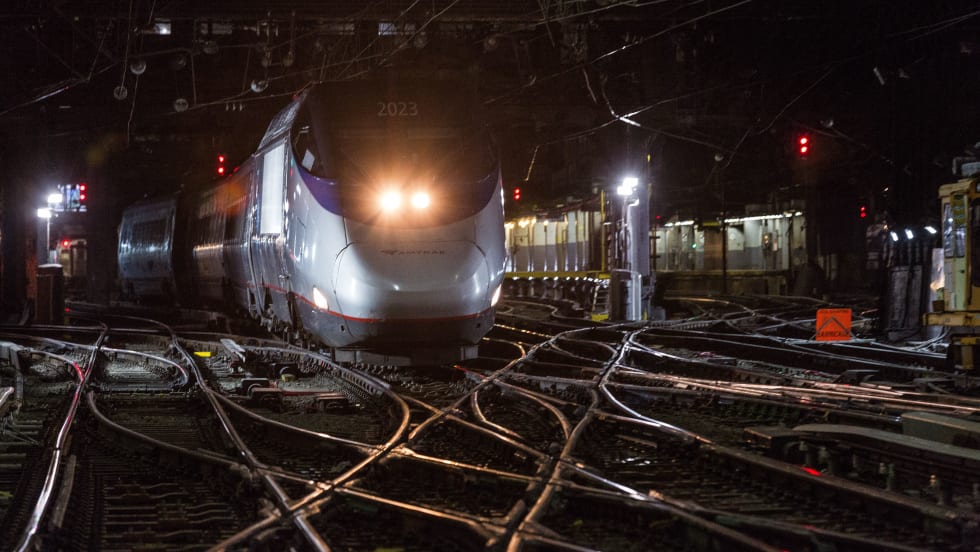
Amtrak Board Advances Plan to Restructure Organization, Seeks Public Input
The proposal, developed by Amtrak management and approved by the board for further consideration, is intended to modernize the organization's structure while improving accountability, operational efficiency, and customer service.
Read More →
Biz Briefs: STV teams with Amtrak, Motorcoach Operators Boost Fleet and Land Contracts, and More
From manufacturers and suppliers to transit agencies and motorcoach operators, these updates offer a snapshot of the projects, partnerships and business moves driving the industry forward.
Read More →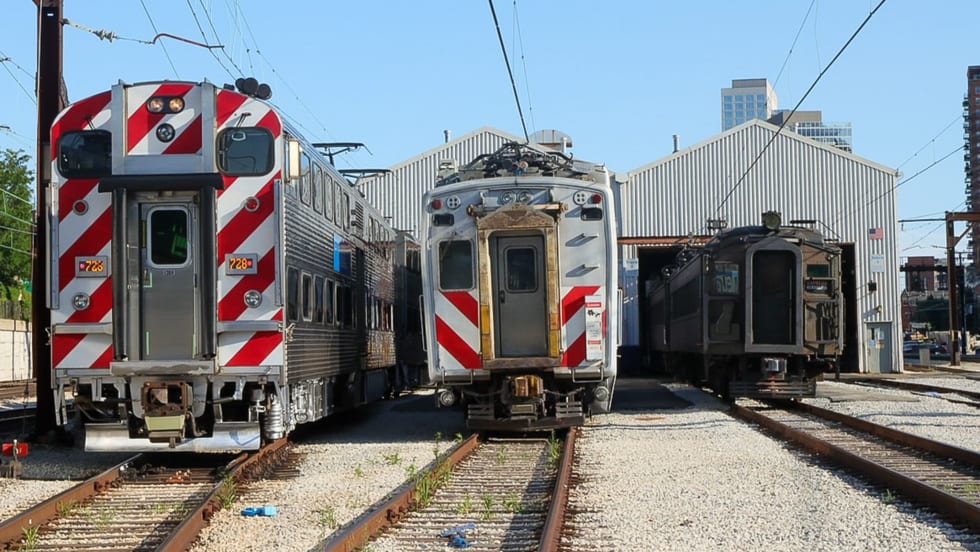
Metra Celebrates 100 Years of Electric Rail, Looks to the Future
The event was also a celebration of recent reforms to public transportation in the Chicago area, changes that could be as transformative in the future as the major civic achievement a century ago, said officials.
Read More →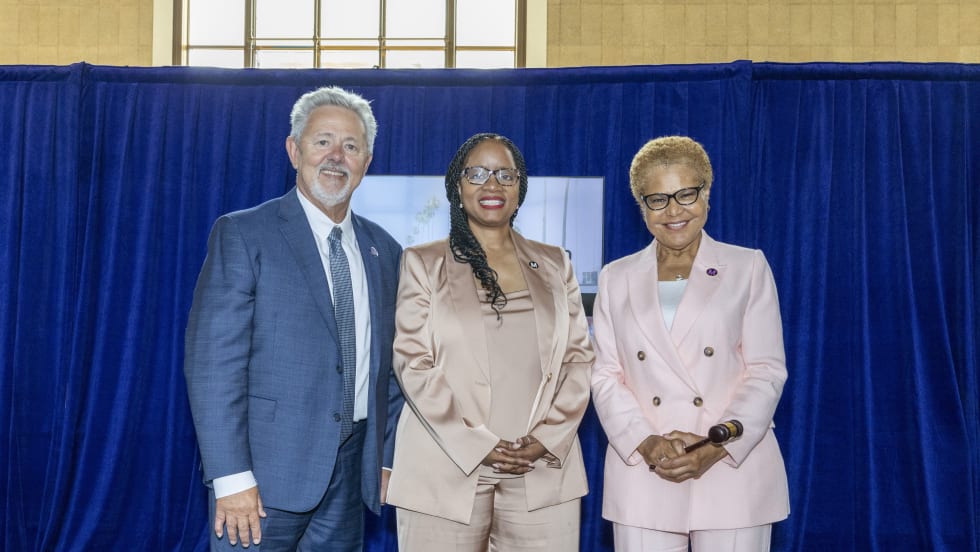
LA Metro Marks Banner Year, Sets Ambitious Goals for New Fiscal Year
Incoming LA Metro Board Chair and Los Angeles Mayor Karen Bass joined outgoing Board Chair Fernando Dutra and LA Metro CEO Stephanie Wiggins to review accomplishments from fiscal year 2026, which included the opening of new rail extensions, advancement of major transit projects, expanded safety programs, and new rider amenities.
Read More →