



Pursuing the New Paradigm in Public Transportation
The U.S. transit industry is clearly not in the same place that it was when the search for a new paradigm for transit agencies was launched by concerned industry leaders in 1997.
Over the past several years, the Transit Cooperative Research Program (TCRP) has supported an examination of the need for and the direction of fundamental organizational change in the transit industry. As the New Paradigms project concludes, there is clear evidence of the following:
The rationales for fundamental change continue to grow stronger and more compelling.
The themes and principles to guide a paradigm shift in transit are in plain view in the experiences and responses of a wide spectrum of businesses and industries.
The types of change revealed in the New Paradigms project are now being embraced by a growing number of transit agencies around the country. In the words of Buzz Paaswell, chair of the TCRP New Paradigms panel, the U.S. transit industry is clearly not in the same place that it was when the search for a new paradigm for transit agencies was launched by concerned industry leaders in 1997. Industry in transition Only a few short years ago, changes of the kind noted were seen as isolated events, local curiosities in an otherwise tradition-bound industry whose relevance and ability to adapt was seriously in question. Today, fundamental change in these dimensions is being pursued by more and more agencies. When these experiences are viewed together rather than in isolation, they begin to describe an industry that is aggressively reinventing itself to become more relevant, responsive and effective in serving 21st century travel needs and broader community goals. With this new frontier in sight, what must be done to build and sustain interest in pursuing a new paradigm as the current TCRP project concludes? Charting the change The TCRP New Paradigms project has begun to describe in greater detail the fundamental changes being pursued in agencies and regions across these key dimensions — to “chart the changes” that represent the emergence of a new paradigm for the transit industry. As the TCRP project ends, however, it will be important to continue monitoring progress and change on several levels:
Progress across the new paradigm frontier should be measured and examined regularly. Periodically charting change in the industry across each of the six dimensions should be an uncomplicated task and can provide an invaluable yardstick to highlight the industry’s renewed creativity and responsiveness.
Industry leaders actively engaged in fostering fundamental change should be convened peri-odically. Their motives, experiences and insights can add increased impetus and knowledge in the pursuit of paradigm shift, industry-wide.
A rolling series of case studies should be maintained. The details of each unfolding attempt at fundamental change across any or all of the dimensions noted can catalyze new efforts at paradigm shift.
Change in other businesses and industries should be surveyed periodically. These experiences help to reveal essential themes and principles that can be of continuing value to the transit industry.
Obvious communications channels throughout the industry and beyond should be used to expand and sustain the dialogue on fundamental change. Conferences, Websites, trade press and other established mechanisms should be targeted to keep up a steady flow of information on paradigm shift across the industry. The challenge, therefore, is to establish an ongoing responsibility for and sponsorship of these and other activities that are critical to support and broaden the paradigm shift now under way across the industry. The current New Paradigms project will soon become an ”orphan.” Who might assume responsibility for carrying on a continuing new paradigms agenda? New paradigms? As the TCRP-sponsored phase of the New Paradigms inquiry ends, there is a unique opportunity at hand to support and reinforce the pursuit of new paradigms in public transportation. Reauthorization of TEA 21, the federal programs that fund the investment in nation’s surface transportation system, will serve to either support, constrain or be a neutral force in the pursuit of fundamental change in the nation’s public transportation agencies. If transit advocates, supporters, allies and other stakeholders so choose, our federal policy and investment framework can be a positive force in encouraging mission shift of the kind described, encouraging collaboration and integration, and in building out the essential information technologies that enable the emergence of a new, customer-focused paradigm in transit organizations. Another challenge, therefore, is for transit stakeholders — not researchers — to determine if and how the themes and principles of fundamental change — the new paradigms agenda — should be introduced into and supported in the TEA 21 reauthorization debate that is now underway. There are several obvious examples, including the following:
Incentives, including increased funding flexibility, for heightened collaboration and inte-gration on the scale implied in the New Paradigms project.
Substantial increases in the deployment of information technologies in transit that enable the emergence of a new paradigm.
Support for the costs of administering pursuit of a “mobility management” mission as distinct from the costs of directly operating services. A preliminary framework for the emergence of a new paradigm in public transportation organizations is in place. What lies ahead is the need for a focused effort to encourage, inform and support the growing pursuit of the new paradigm.
More Management
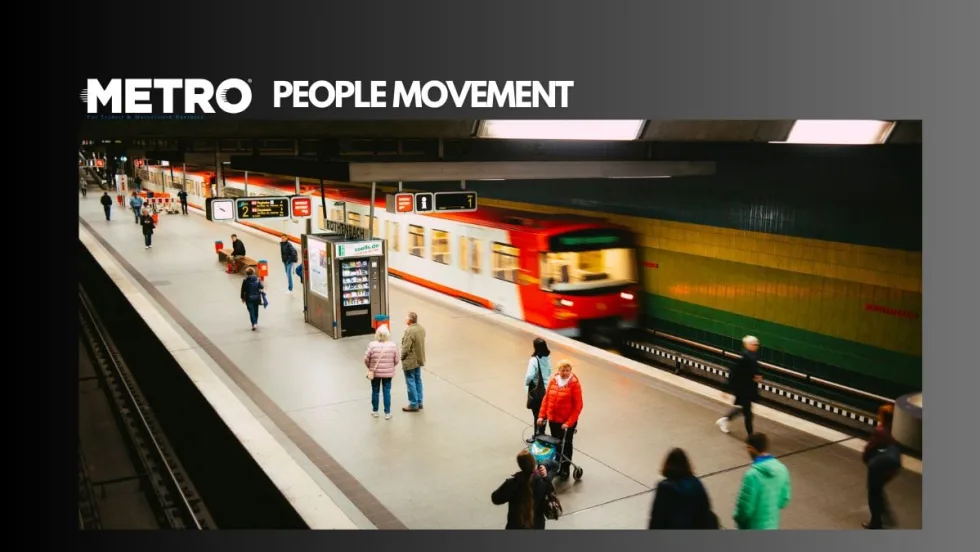
People Movement: Connectpoint Expands Leadership Team, Stadler Names New Group CEO, and More
In this edition, we also spotlight recent personnel moves at Burns, UZURV, and more, highlighting the people taking on new roles across the transportation industry.
Read More →
More Than a Summer Job: Building the Next Generation of Transit Talent
The Delaware River Port Authority and PATCO have transformed their internship program into a hands-on professional development experience that introduces students to the breadth of transportation careers — and creates a pipeline for future employees.
Read More →
LA Metro Board Awards 220 Battery-Electric Bus Contract to ENC
The contract, which is the largest base award of battery-electric buses by a U.S. transit agency, will be built in Southern California, sustaining good jobs as LA prepares to welcome the world in 2028
Read More →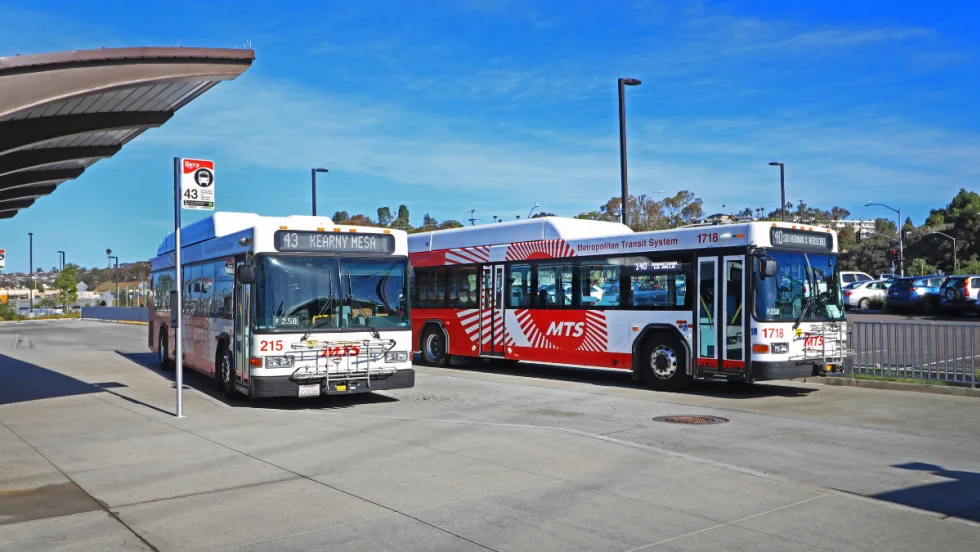
What’s Behind San Diego MTS’s Award-Winning Transit Strategy
Named one of APTA’s 2026 Outstanding Public Transportation Systems with 50 million or more annual passenger trips, California’s San Diego Metropolitan Transit System points to gains in ridership, safety, technology, and reliability as foundations of its success.
Read More →
Public Transit Conference Returning to GFX in 2027, Call for Papers Now Open
The Call for Papers is now open, allowing transit agency professionals and industry experts to help shape the PTC educational program by submitting session ideas for consideration.
Read More →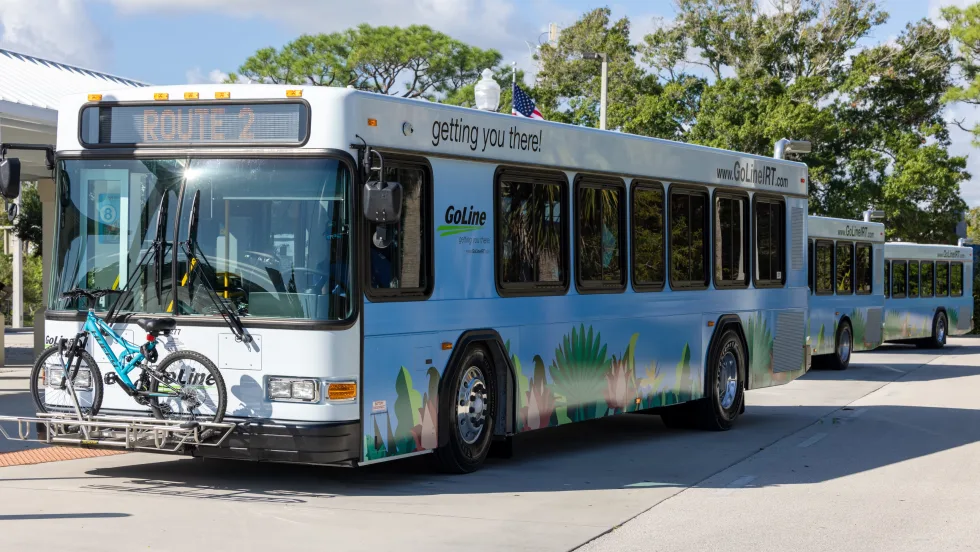
Indian River Transit’s Community-Focused Approach Earns National Recognition
Named APTA’s 2026 Outstanding Public Transportation System in its size category, Florida’s Indian River County transit system continues to grow ridership through fare-free service and a focus on evolving community needs.
Read More →
ENC Lands MATA Contract and More in Biz Briefs
In this edition of Biz Briefs, we spotlight the latest developments shaping the future of mobility.
Read More →
From Surviving to Thriving: Building Stronger Transportation Organizations
Bus Business Consultants founder Brian Dickson shares lessons on leadership, organizational health, and creating options for long-term success in a changing transportation industry.
Read More →
Everett Transit, Community Transit Outline Consolidation Agreement
The proposed agreement calls for a 50% increase in bus service in Everett, a new microtransit zone, continued paratransit service, and the transfer of Everett Transit operations to Community Transit.
Read More →
Strada360’s Steve Lassey on Turning Transit Data Into Better Decisions
From breaking down data silos to preparing for AI, Strada360 CEO Steve Lassey discusses how transit agencies can use technology to improve operations, customer information, and long-term decision-making.
Read More →