



Real Americans Ride Buses, Trains
Taking public transit may benefit Americans as well as the rest of the World.
Using public transportation is patriotic. I never really thought of it like that, but U.S. Senator Ron Wyden (D-Ore.) made that point recently during a visit to Bend, Ore., where he toured a couple of local businesses that manufacture solar energy equipment.
During the tour, Wyden joined passengers aboard a bus operated by Bend Area Transit to illustrate how citizens can promote America’s energy independence by using public transportation. That’s not a novel premise. We talk all the time about how transit helps reduce our dependence on foreign oil.
But Wyden has a slightly different emphasis. He says reducing our dependence on fossil fuel will also reduce our vulnerability to foreign interests, especially oil cartels. “This country understands getting new energy policies is about the most red, white and blue step you can take,” he said.
Wyden makes a good point. We urge people to use buses and trains to protect the environment and reduce traffic congestion, but we don’t emphasize the patriotic benefits. The recent 4th of July holiday rekindled those red, white and blue feelings, but they lasted only slightly longer than the fireworks.
WWII stimulated ridership
It wasn’t always that way. During World War II, Americans on the home front routinely made patriotic sacrifices, such as reducing consumption of gasoline. In some cases, people had no choice about cutting back their driving because gasoline was rationed. That explains in part why ridership of public transportation rose sharply during the war, reaching almost 24 billion passengers in 1945. That’s more than twice as much ridership as last year, when the U.S. surpassed 10 billion rides for the first time in nearly 50 years!
We may never return to an era of 24 billion annual rides, but we still need to embrace the use of public transportation, and not just because it’s become a lot cheaper than driving a car guzzling $3 gallons of gasoline.
In many ways, reducing our consumption of oil, whether it’s accomplished by walking, biking, carpooling or riding buses and trains, is an act of patriotism and pacifism. The less dependent this country is on foreign oil, the less protective it will feel of its oil interests in the Middle East and the less likely it will be to react militarily to threats against its oil supply.
Every measure that we take to minimize our oil consumption reduces our need to maintain such a sizeable military presence in the Middle East, which makes us less of a target for extremists. Riding the bus, then, makes a contribution to the war on terror. That’s a stretch, I know, but there’s some small bit of truth in there somewhere.
We are the world, too
We are citizens of the world, too. The benefits of using public transportation are not just for Americans, especially in regard to mitigating the threat of global warming. When we reduce our consumption of fossil fuel in, say, Los Angeles, we’re helping folks all over the world. And they’re helping us, too, when they take a train in Seoul, ride a streetcar in Switzerland or grab a bus in Brazil.
Of course, at the end of the day, people won’t use public transportation unless it’s convenient, timely and safe. No matter how much we appeal to God and country, they won’t take the bus if it’s late, the driver’s rude or the passengers are out of control. Red, white and blue are good colors, especially if you’re an American, but they’re still only colors.
More Management

ENC Lands MATA Contract and More in Biz Briefs
In this edition of Biz Briefs, we spotlight the latest developments shaping the future of mobility.
Read More →
From Surviving to Thriving: Building Stronger Transportation Organizations
Bus Business Consultants founder Brian Dickson shares lessons on leadership, organizational health, and creating options for long-term success in a changing transportation industry.
Read More →
Everett Transit, Community Transit Outline Consolidation Agreement
The proposed agreement calls for a 50% increase in bus service in Everett, a new microtransit zone, continued paratransit service, and the transfer of Everett Transit operations to Community Transit.
Read More →
Strada360’s Steve Lassey on Turning Transit Data Into Better Decisions
From breaking down data silos to preparing for AI, Strada360 CEO Steve Lassey discusses how transit agencies can use technology to improve operations, customer information, and long-term decision-making.
Read More →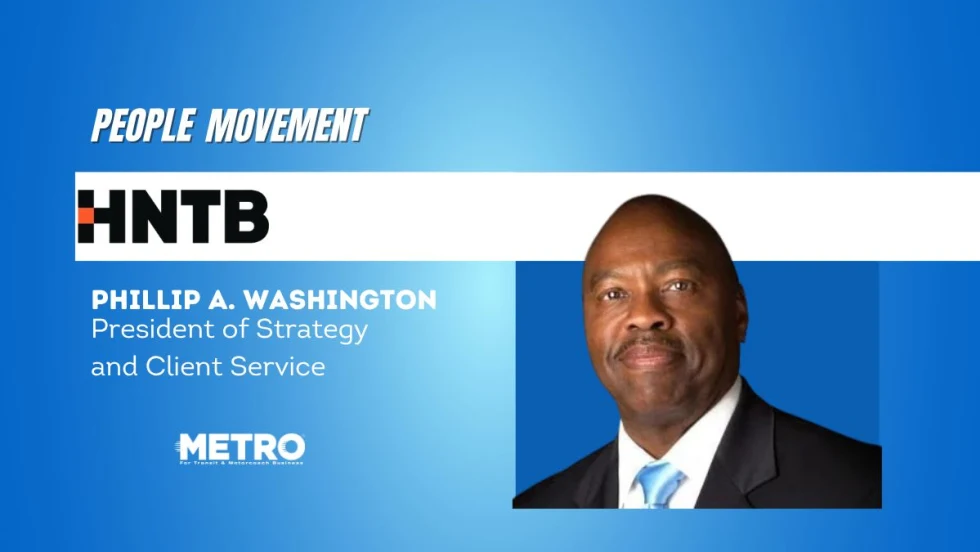
People Movement: Phil Washington Joins HNTB, Denver RTD Launches CEO Search, and More
In this edition, we also spotlight recent personnel moves at STV, the Eno Center for Transportation, and more, highlighting the people taking on new roles across the transportation industry.
Read More →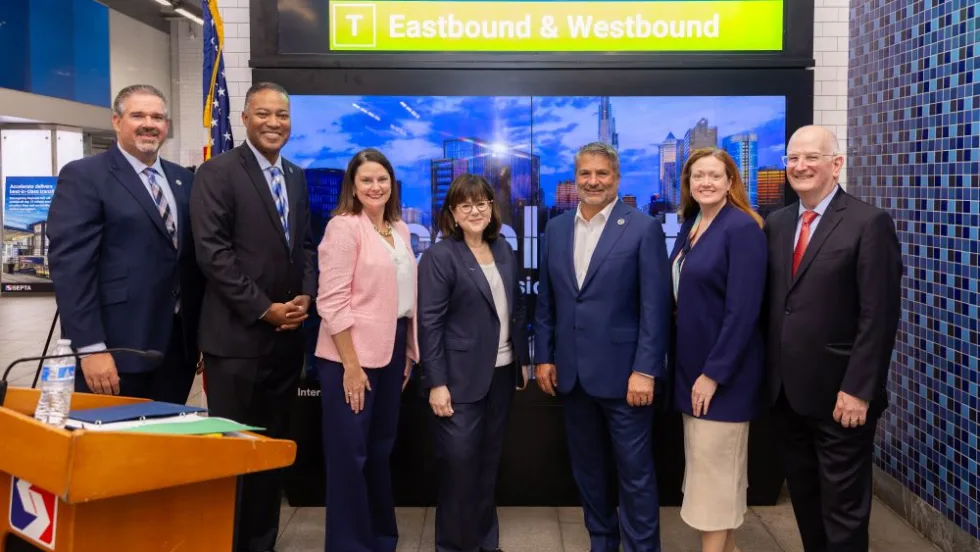
SEPTA Details Accelerate Vision for Transit System
The plan outlines investments in trolley modernization, new Metro and Regional Rail vehicles, accessible stations, and more frequent bus and rail service.
Read More →
FTA Ends Direct Oversight of MBTA Safety Actions
The federal agency closed its remaining special directive to the Massachusetts Department of Public Utilities following a safety review that began in 2022.
Read More →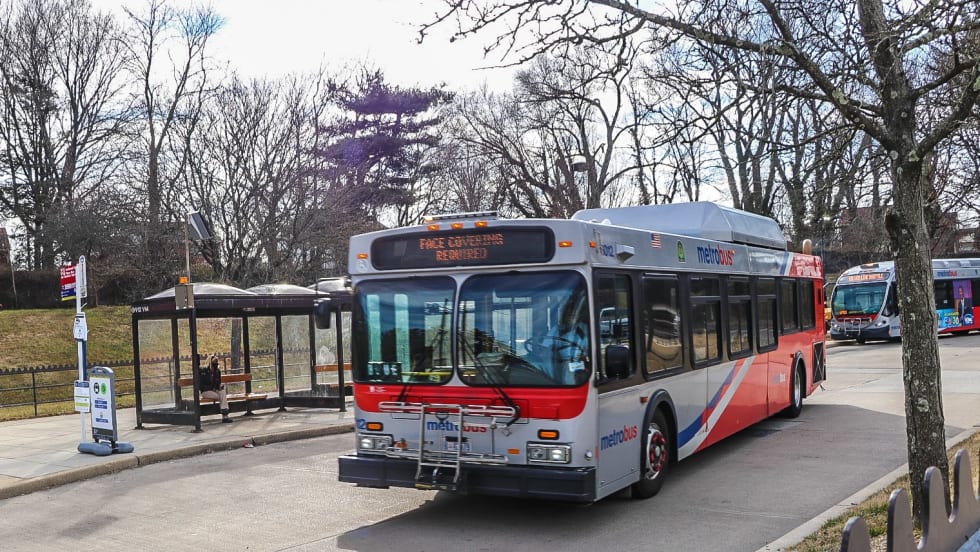
Report: Transit Bus Manufacturing Supports 34,100 Jobs, $5.1B in GDP
The “Buses Mean Business” report examines the transit bus manufacturing industry’s economic footprint, supply chain, and rising demand for vehicle replacements.
Read More →
LIT Marks 10-Year Milestone at Annual Summit
Hosted by the COTA from September 10 to 13, the Summit carried the theme “Celebrating 10 Years of Excellence, Leadership, and Impact,” with every part of the program honoring the people, agencies, and partners who built LIT over its first decade.
Read More →
People Movement: Dan Dipert Coaches Adds Third-Generation Leader, Keolis Names New Valley Metro VP/GM, and More
In this edition, we also cover recent appointments and announcements at the Wabtec, SilverRide, HNTB, and more, showcasing the individuals helping to shape the future of transportation.
Read More →