



Reinventing Dial-A-Ride in Arcadia
Ten tips for improving demand-response contracting.
In the foothills of Los Angeles County, R&D Transportation has been providing demand-response public transit for the residents of the City of Arcadia, Calif., for the past year and a half. In that time, customer service ratings jumped 30% across the board and the system logged 4,000 additional passenger trips every month. The credit for that upswing in popularity belongs to a contracting environment where the city and company agree that the customer comes first, says Michael Ivan, director of transit operations for R&D. What Ivan calls dial-a-ride with an ADA (Americans with Disabilities Act) flair is service available to any person wishing transportation within the service area, which at this point is restricted to city limits. The city’s contract with R&D requires that 50% of requests must be satisfied within 30 minutes, and 100% within an hour. There are no denials. Typical response time is 15 to 20 minutes after a request. The city is able to concentrate on flexible demand-response service thanks to plentiful fixed-route service from other providers in the San Gabriel Valley, a stretch of suburban communities outside L.A. Those agencies include Foothill Transit and suburban bus operations of the Los Angeles County Metropolitan Transportation Authority. Service hours for Arcadia Transit are from 7 a.m. till 9:30 p.m., Monday through Friday, and 7 a.m. to 7 p.m. on Saturday and Sunday. Among the 650 to 700 daily clients on weekdays, Ivan says that about 300 are school children. Arcadia Unified School District provides yellow bus transportation for students only on a strict parent-pay basis, which shifted the bulk of such journeys either to the private family car or to Ivan’s system. His service offers subscription-based trips to meet students’ needs and, as such, is something of a competitor to the district-run pupil transportation network. School children account for 37% of the total client base for Arcadia Transit. Passengers pay a fare of 75 cents, or 25 cents for the elderly and disabled. Monthly passes are also available, selling for $16 or $5 for those eligible for discounts, and offer unlimited rides within the system. Ivan estimates that 42% to 46% of riders use the pass to pay. He says that each ride costs $4.90 to provide. Arcadia Transit now does 29,000 revenue hours of business annually, with a 1999-2000 fiscal year ridership total of 148,000. Reservations are taken at a central dispatch center where 35 system supervisors oversee the day-to-day operations of six to seven R&D contracts in different Southern California municipalities. Arcadia Transit riders are served by a fleet of 18 vehicles, 15 in service and three in reserve, and 24 full time drivers. There is also a pool of part time drivers. All the vehicles are lift equipped. The city has a five-year contract with R&D; oversight is provided by the assistant city manager. Ivan says that the success of the relationship prompted discussion of renegotiations to expand the service area. Medical trips for the elderly outside of city limits are a possibility, as is the inclusion of neighboring unincorporated areas of the county that lack transit service. Improving your service The key to successfully contracting demand-response service is positive communication between the city and the company, Ivan says. In Arcadia, both the local officials and the R&D representatives are committed to providing superior service as their No. 1 priority. Here are 10 tips R&D recommends for putting that commitment into action: 1 Look for local managers who concentrate on the customer, not the books. Ivan says that Ozzie Buitrago, the project manager for Arcadia, is “solely focused on serving the customer, the city and the passengers.” That allows him to cultivate a solid relationship with officials, and keep their concerns at the forefront during the decision making process. 2 Develop a business relationship with the contractor. Ivan credits Michael Busch, the former transportation services officer in Arcadia, with setting the tone of the company’s relationship to the city. By treating each other as partners in a business enterprise, R&D and Arcadia are able to work together for the good of the rider. 3 Ensure an open door policy. Part of the business relationship that has been so successful for Arcadia Transit is the frequent communication that goes on. Buitrago or another R&D employee is in weekly contact with the city. 4 Be proactive. Know what you want from the contractor, and ask for it. By working together to hammer out solutions, both the city and the contractor can achieve their goals. 5 Deal with problems before they escalate. When conflicts do arise, confront them head on before they become a political issue. 6 Find a contractor who will put improving service before increasing profit. While some measures may save money, there are more serious and important things to consider when making decisions. 7 Ensure there are avenues for customer comment. Just as company-city communication is a cornerstone, so is customer-company communication. Arcadia Transit provides riders with customer service cards to keep the city and R&D informed of how passengers rate their success. It’s essential that their concerns be part of the design of any system. 8 Invest in technology. R&D uses Trapeze software for scheduling, and operations on the vehicle are also computerized. That not only reduces paperwork and allows dispatchers to do real time scheduling instead of estimates, it also provides a higher level of safety by allowing drivers to focus on the road. 9 Demand innovation. In this business environment, there is no reason to not contract with a service provider who is willing to come up with creative solutions to your transportation needs. Encourage novelty in the bidding process. 10 Don’t let a successful contract allow your attention to wander. Even the best contractors need oversight and intervention from the city. The biggest mistake a municipality can make is to leave transportation operations entirely in the hand of the contractor. Make sure you stay involved and agree to a cooperative, collaborative relationship.
More Management

Bus Tech Talk: Keeping Transit Technicians Ahead of the Technology Curve
In this episode of Bus Tech Talk, Complete Coach Works’ Business Development Manager Mark Hollenbeck and METRO’s Executive Editor Alex Roman sit down with Obed Mejia, Senior Technical Trainer for Bus Maintenance, at LA Metro to discuss how rapidly evolving bus technology is changing the maintenance shop — and the skills technicians need to keep pace.
Read More →
Michael Schneider Joins Paslay Group to Expand Transportation Practice
The longtime transportation executive will help Paslay Group grow its advisory and program management work across transit, highway, and other infrastructure sectors.
Read More →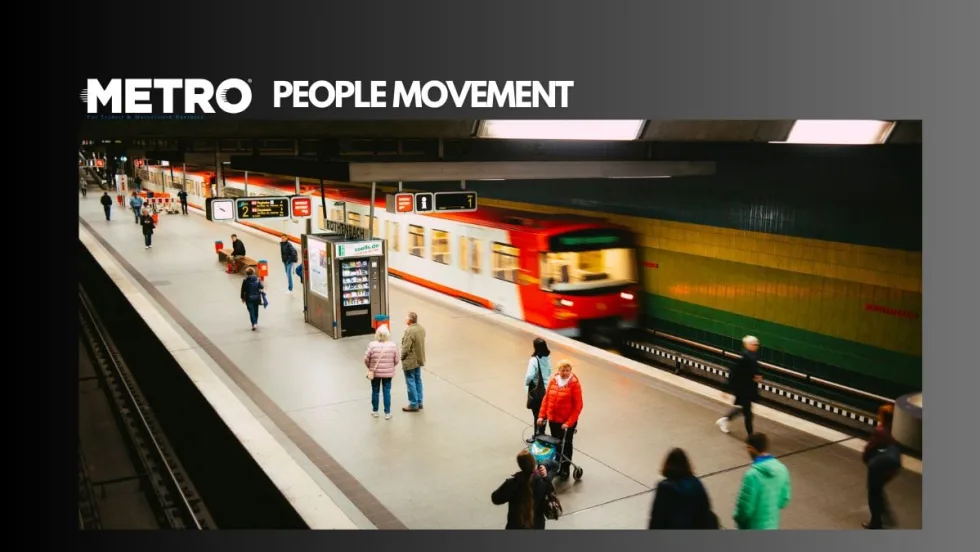
People Movement: Connectpoint Expands Leadership Team, Stadler Names New Group CEO, and More
In this edition, we also spotlight recent personnel moves at Burns, UZURV, and more, highlighting the people taking on new roles across the transportation industry.
Read More →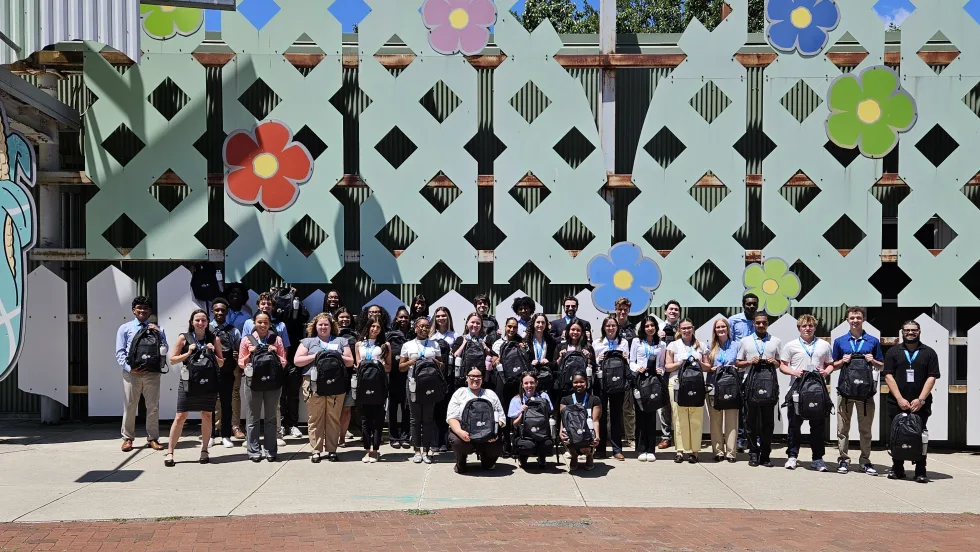
More Than a Summer Job: Building the Next Generation of Transit Talent
The Delaware River Port Authority and PATCO have transformed their internship program into a hands-on professional development experience that introduces students to the breadth of transportation careers — and creates a pipeline for future employees.
Read More →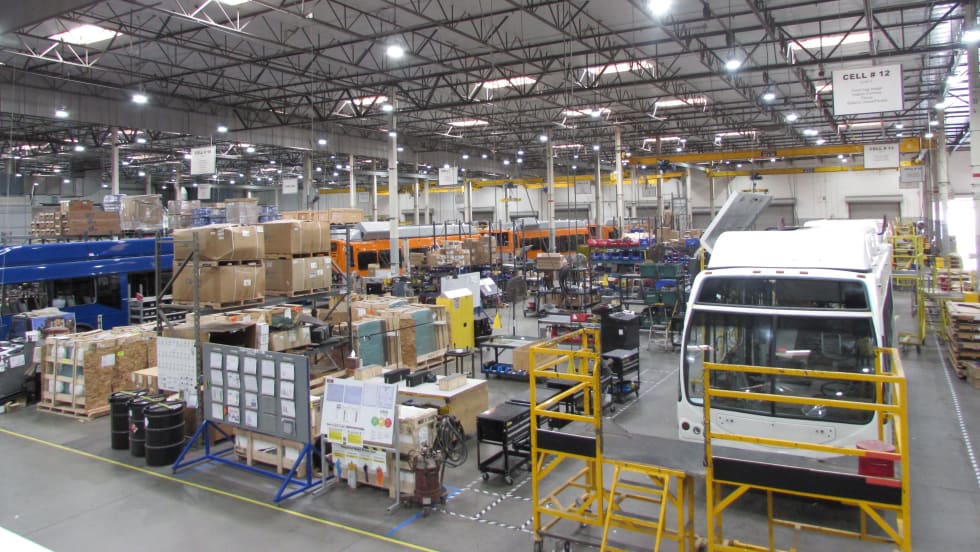
LA Metro Board Awards 220 Battery-Electric Bus Contract to ENC
The contract, which is the largest base award of battery-electric buses by a U.S. transit agency, will be built in Southern California, sustaining good jobs as LA prepares to welcome the world in 2028
Read More →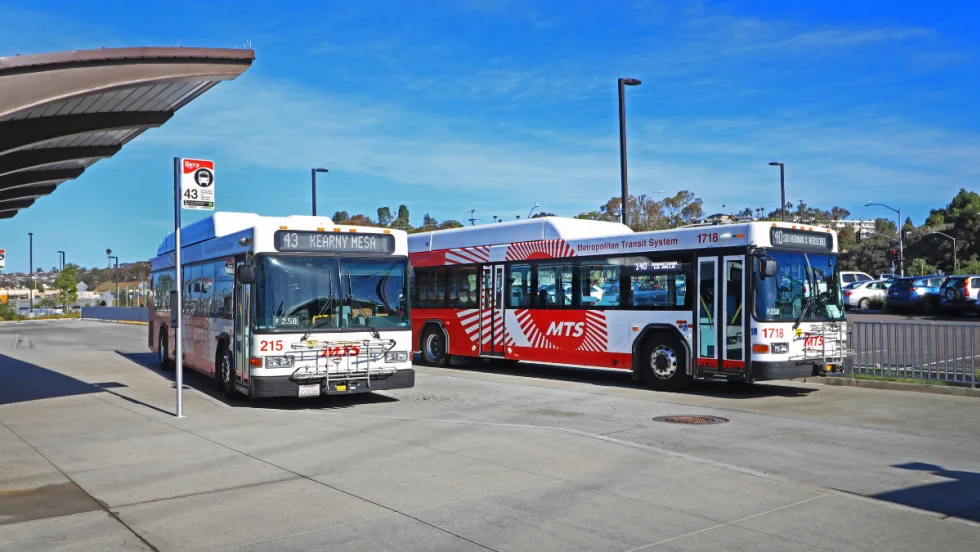
What’s Behind San Diego MTS’s Award-Winning Transit Strategy
Named one of APTA’s 2026 Outstanding Public Transportation Systems with 50 million or more annual passenger trips, California’s San Diego Metropolitan Transit System points to gains in ridership, safety, technology, and reliability as foundations of its success.
Read More →
Public Transit Conference Returning to GFX in 2027, Call for Papers Now Open
The Call for Papers is now open, allowing transit agency professionals and industry experts to help shape the PTC educational program by submitting session ideas for consideration.
Read More →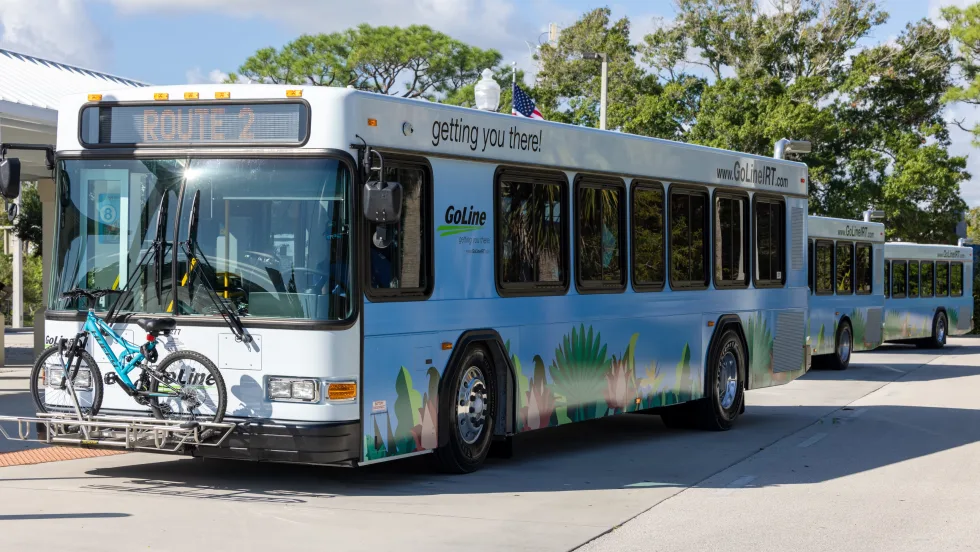
Indian River Transit’s Community-Focused Approach Earns National Recognition
Named APTA’s 2026 Outstanding Public Transportation System in its size category, Florida’s Indian River County transit system continues to grow ridership through fare-free service and a focus on evolving community needs.
Read More →
ENC Lands MATA Contract and More in Biz Briefs
In this edition of Biz Briefs, we spotlight the latest developments shaping the future of mobility.
Read More →From Surviving to Thriving: Building Stronger Transportation Organizations
Bus Business Consultants founder Brian Dickson shares lessons on leadership, organizational health, and creating options for long-term success in a changing transportation industry.
Read More →