



Rising fuel prices pinch agencies, spur creative measures
Agencies consider surcharges, tax credits and fixed-price contracts to offset surging costs.

U.S. transit systems are taking a wide range of actions to deal with rising diesel fuel prices, including considering cutting service and laying off staff members.
Fuel increases could cost public transportation systems as much as $750 million more a year, according to a recent Associated Press report.
Systems such as the Utah Transit Authority (UTA) are also considering adding fuel surcharges. The authority is currently spending more than $3.50 a gallon for diesel fuel — nearly $1.50 more per gallon than it had anticipated. Hoping to make up for a $2 million shortfall, the UTA was proposing a 25-cent-per-ride fuel surcharge at press time.
Other transit properties around the nation have taken hits to their budgets due to skyrocketing fuel prices, including Albany, N.Y.-based Capital District Transit Authority, which expects to pay $900,000 for fuel in the third quarter.
The Massachusetts Bay Transportation Authority projects a $20 million surge in fuel costs this fiscal year, double what it had projected earlier in the year. In Denver, the Regional Transit District is expecting to be $11 million over budget for the year.
Agencies are not just sitting back with their hands tied, however. Since the end of last year, for example, the Southwestern Ohio Regional Transit Authority (SORTA) in Cincinnati has taken steps to aggressively manage its fuel budget through innovative methods. In addition, SORTA has been able to offset fuel increases through internal cost reductions that don’t affect service on the street or fares.
In December 2004, SORTA secured a fixed-price contract for 2005 to purchase half of its fuel each month at about $1.25 per gallon, compared to open market prices of about $2.60 per gallon. It is estimated that this contract alone has saved the agency about $800,000 so far this year.
SORTA monitors fuel prices several times a day and has options for the remaining half of its fuel, including purchasing on the open market or under a state contract, whichever is less expensive. Also, SORTA is currently considering diesel futures as a way to hedge against market volatility.
The biodiesel solution
In late September, the state of Minnesota passed legislation requiring all diesel fuel sold in the state to be mixed with at least 2% biodiesel, a soybean-based fuel with cleaner emissions. This landmark law speaks to the rise in popularity of biodiesel as a viable alternative fueling option.
However, with the meteoric rise of diesel prices, biodiesel now also serves as a legitimate way to reduce costs.
SORTA has been operating its 390-bus fleet partially on soybean-based biodiesel for several months. The agency was recently designated as a “blender” by the IRS, which means that it is permitted to mix biodiesel and regular diesel fuel in its own tanks and is eligible for a credit on the cost of the fuel. Biodiesel costs about $3 per gallon, but the agency gets a $1 per gallon credit from the IRS due to the blender status.
Since biodiesel can be mixed with diesel fuel in varying percentages, the amount of biodiesel that SORTA uses changes based on availability and price of diesel fuel.
More Management

Indian River Transit’s Community-Focused Approach Earns National Recognition
Named APTA’s 2026 Outstanding Public Transportation System in its size category, Florida’s Indian River County transit system continues to grow ridership through fare-free service and a focus on evolving community needs.
Read More →
ENC Lands MATA Contract and More in Biz Briefs
In this edition of Biz Briefs, we spotlight the latest developments shaping the future of mobility.
Read More →
From Surviving to Thriving: Building Stronger Transportation Organizations
Bus Business Consultants founder Brian Dickson shares lessons on leadership, organizational health, and creating options for long-term success in a changing transportation industry.
Read More →

Everett Transit, Community Transit Outline Consolidation Agreement
The proposed agreement calls for a 50% increase in bus service in Everett, a new microtransit zone, continued paratransit service, and the transfer of Everett Transit operations to Community Transit.
Read More →
Strada360’s Steve Lassey on Turning Transit Data Into Better Decisions
From breaking down data silos to preparing for AI, Strada360 CEO Steve Lassey discusses how transit agencies can use technology to improve operations, customer information, and long-term decision-making.
Read More →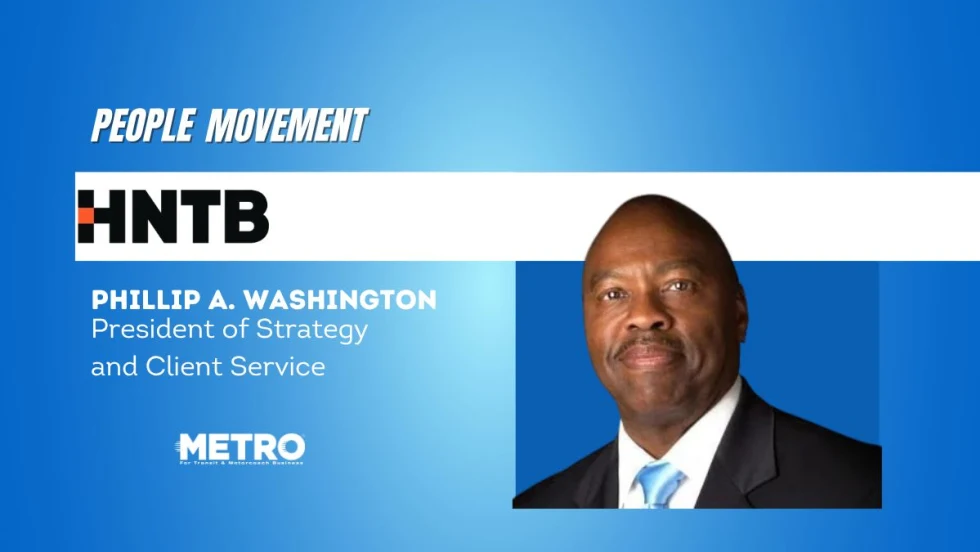
People Movement: Phil Washington Joins HNTB, Denver RTD Launches CEO Search, and More
In this edition, we also spotlight recent personnel moves at STV, the Eno Center for Transportation, and more, highlighting the people taking on new roles across the transportation industry.
Read More →
SEPTA Details Accelerate Vision for Transit System
The plan outlines investments in trolley modernization, new Metro and Regional Rail vehicles, accessible stations, and more frequent bus and rail service.
Read More →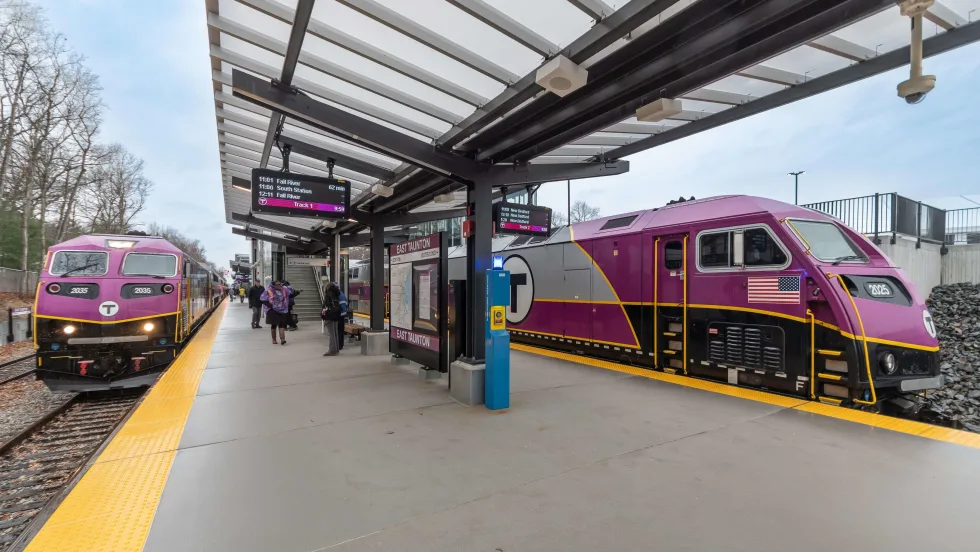
FTA Ends Direct Oversight of MBTA Safety Actions
The federal agency closed its remaining special directive to the Massachusetts Department of Public Utilities following a safety review that began in 2022.
Read More →
Report: Transit Bus Manufacturing Supports 34,100 Jobs, $5.1B in GDP
The “Buses Mean Business” report examines the transit bus manufacturing industry’s economic footprint, supply chain, and rising demand for vehicle replacements.
Read More →
LIT Marks 10-Year Milestone at Annual Summit
Hosted by the COTA from September 10 to 13, the Summit carried the theme “Celebrating 10 Years of Excellence, Leadership, and Impact,” with every part of the program honoring the people, agencies, and partners who built LIT over its first decade.
Read More →