



Tech Talk: Solve Safety, Security Challenges with Emerging Technology
Safety First: How the Safety Act Shapes Event Transportation Planning
An important factor when it comes to transportation is safety.

Hillary Weiss・Senior Editor
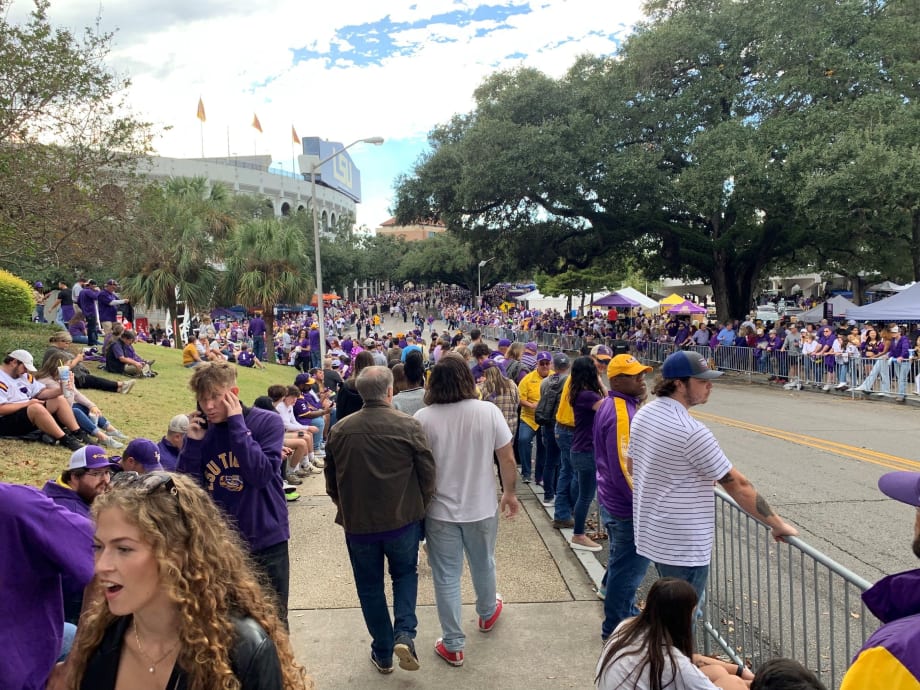
When it comes to event transportation planning, every event is unique.
Photo: Stantec
4 min to read
The moving of objects and people from one point to another is one of our greatest achievements. But it also brought new problems once implemented globally.
An important factor when it comes to transportation is safety.
With the population growing and more people traveling, new regulations and laws are needed to ensure people are protected when traveling to and from locations. That includes large events where people are gathering or using mass transit before and after the show or the game.
One such law is the Safety Act by the U.S. Department of Homeland Security.
The Safety Act was implemented in 2002 after 9/11. The Act works to incentivize companies to develop and deploy anti-terrorism technology, which can include products or services. The goal of the Act is to provide liability protection to event organizers in case of an emergency and encourage the use of designated products and services.
In December 2022, the first company in mobility plan consulting services has been awarded the Safety Act designation — Stantec. The category of mobility plan consulting services is also new under the Act, created based on input from Stantec.
Metro spoke with Graeme Masterton, transit planning leader at Stantec, on how the company handles safety in transportation event planning.
The Ins and Outs of Transportation Event Planning
Stantec is a global design and engineering firm. Not only does it have initiatives in event planning, but also in smart cities, climate solutions, ecosystem restoration, and more. Its goal is to design with communities in mind no matter the location.
Masterton is a trained urban planner with 35 years of experience in the industry, 20 of them specifically in transit planning. He worked with BC Transit, TransLink (Vancouver BC), and Calgary Transit before going into consulting.
He has planned transportation for a wide range of events such as college and professional sports games and the Olympics in Vancouver/Whistlerand London, U.K.
Masterton said that when planning large events like the Olympics, “you have to take a deep dive into full mobility planning — not only coaches and buses but taxi ranks, bicycle planning, pedestrians, and major event partner rides — for each venue.”
One aspect Stantec is proud of is its methodology and processes of transportation planning. This includes two aspects:
Using data extensively to understand how people travel.
And making transportation as safe as possible.
By using these two aspects of its process, Masterton can plan for the safest transportation design possible.
Not only does Stantec believe in looking at the big picture, but it also considers simple things such as:
Pedestrian walking spaces.
Transit terminal queue space.
Separating buses, vehicles headed for parking, bikes, scooters and pedestrians, and rideshares.
Reducing conflict points.
Masterton explained, “Stantec’s theory of business is that decreasing the massing of people outside the facility as quickly as possible at the end of an event will make it safer.”
The Psychology of Movement
To make transportation as safe as possible, Masterton uses the psychology of movement.
It’s the understanding of how people travel. With this knowledge, he can design a transportation system that is easy to understand and simple to operate.
When it comes to event transportation planning, every event is unique. One of the biggest challenges is getting people to go where they need to go to avoid conflicts.
“People are focused on getting back to wherever they're trying to go. It’s challenging to corral them into doing what you want them to do,” Masterton explained.
People are also more likely to be unaware of their surroundings during and after big events because they are there to have fun and enjoy the spectacle.
With the help of the psychology of movement, when planning, Masterton focuses on providing the necessary information at the right time for people to make decisions ranging from how to get to parking or walking from a transit station to the venue.
The Future of Event Transportation Planning
Stantec’s base model of mobility planning can also be transformed for emergency scenarios, including evacuations and shelter-in-place requirements.
As the first firm to be awarded the Safety Act designation, it also proposed Mobility Plan Consulting Services to be included under the Safety Act.
Before the designation, DHS had little focus on transportation for event planning. With the new designation awarded to Stantec, the industry standard best practices will grow stronger.
When it comes to the future of event transportation following the Safety Act designation, Masterton said, “Transportation needs to have well thought-through processes and planning. I believe this designation is going to formalize some of those processes. It will push us, and the industry to look at auditing and following up on what companies are doing — building a higher professional standard. Transit services can play a big role in moving people away from a venue quickly and efficiently, reducing the massing of people and improving the potential safety for everyone.”
Masterton explained that it’s often the case that Stantec is hired for event transportation planning just before the actual event. He hopes this designation will bring light to the time needed for planning transportation during a big event.
When it comes to event planning, Masterton’s advice is “don’t wait until the last second to plan transportation. Transportation is as important as food and beverage, security, and washroom planning.”
Subscribe to Our Newsletter
More Security and Safety

Transit Agencies Highlight Safety Gains at National Summit
Leaders from 15 major transit systems shared crime-reduction results and safety initiatives while discussing the role of continued federal support.
Read More →
DART Launches Major Security, Fare Enforcement Initiative
The 90-day demonstration will deploy coordinated security teams at five light rail stations while testing controlled access and gathering data to guide future investments.
Read More →
RTD Launches NextRide App to Consolidate Trip Planning, Fares, Security Reporting
The app expands on RTD’s existing NextRide web application and allows customers to view real-time vehicle locations and service alerts, purchase and store digital fares, and access customer support.
Read More →
TAPTCO Updates OSHA Compliance Training for Transit Maintenance Operations
The revamped program addresses 26 OSHA standards for maintenance facilities, with TAPTCO pointing to training, documentation, and everyday shop hazards as continuing challenges for transit operations.
Read More →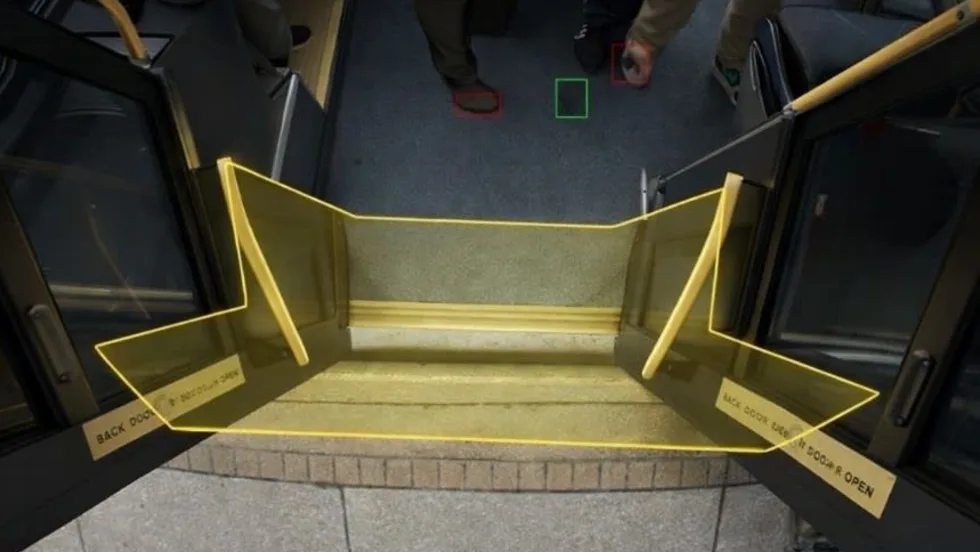
Sponsored•August 18, 2026
How VaporVision Adds Value to Transit Door Systems
Wabtec engineers explain how the system improves doorway detection, strengthens diagnostics and gives transit agencies and OEMs greater operating flexibility.
Read More →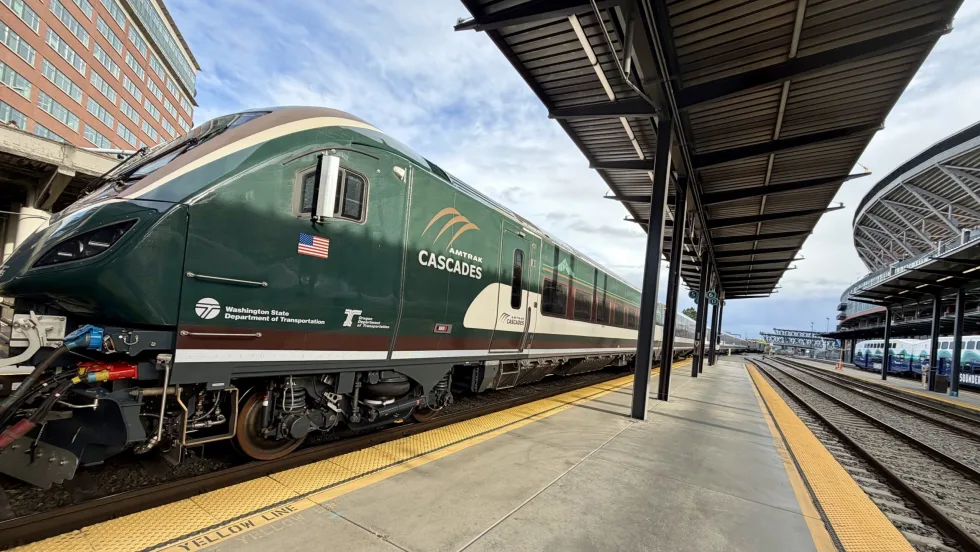
FRA Announces $5.3B in Rail Investments, Including $2B for Amtrak
Funding will support grade-crossing improvements, infrastructure upgrades, and new Amtrak equipment in 23 states.
Read More →
Chicago, Maryland Expand Non-Law-Enforcement Safety, Rider Support
The CTA and MTA are launching new programs aimed at de-escalation, crisis response, rider assistance, and greater transparency.
Read More →
LA Metro, City of West Hollywood, and Partners Advance Smarter Bus Lane Enforcement
The award-winning partnership combines AI-powered detection with human oversight to improve bus reliability, accessibility, and enforcement efficiency.
Read More →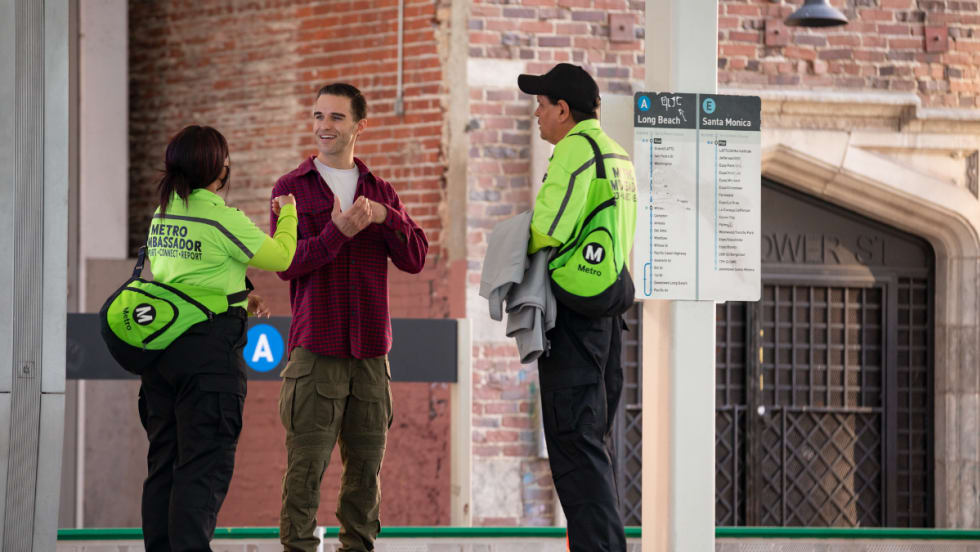
LA Metro Reports 57% Decline in Homelessness on Transit System Since 2024
The agency's latest homelessness count offers new data on how care-based services and cross-sector partnerships can complement traditional transit security strategies.
Read More →
FTA Launches 'Transit Moves America' Dashboard to Highlight Agency Safety and Performance
The online dashboard transforms National Transit Database information into a public-facing resource that allows users to compare transit agencies on key operational and safety metrics.
Read More →