



Scotland revives rail line to promote growth
Scotland will revive a 35-mile section of its historic Waverley Line, torn up at the end of the 1960s.

Scotland will revive a 35-mile section of its historic Waverley Line, torn up at the end of the 1960s, which linked Edinburgh with Carlisle on the English border. The Scottish Executive announced in March that it would fund $240 million of the $280 million cost of rebuilding the line as far south as Tweedbank in the Scottish Borders sub-region. The rural area has experienced decline and depopulation following the loss of textile industries. Supporters of the project say the line is essential to attract tourism and new residents. In addition, train services will cut congestion levels en route to the Scottish capital and provide new commuting opportunities, over a reasonably short distance, for the growing number of people employed in Edinburgh’s finance sector. The Scottish Borders Council is promoting legislation in the Scottish Parliament to authorize the necessary powers to acquire land and construct the line. Currently, all rail projects in Scotland must be legislated through a private bill process. Acknowledging that the economic case for the project was not the strongest, Transport Minister Nicol Stephen said that the Executive was satisfied that the wider regeneration benefits for the region would ensure a return on investment for taxpayers. The Scottish Borders Council said services are slated to begin in 2008. A half-hourly frequency between Tweedbank and Edinburgh-Waverley is expected along a predominantly single-track line. Promoters say construction of an estimated 10,000 new homes in the Scottish Borders area will follow the restoration of a rail link and contribute significantly to ridership, which is estimated at 5,000 a day within the first 10 years. Projected economic benefits of $375 million will be delivered to the local economy of the Borders area during the first 30 years of operation. Additional funding for the project is likely to be secured through developer contributions from the private sector. Large house builders and other developers have already agreed to payments in connection with proposed investments along the corridor totaling nearly $12 million. — BRIAN BAKER
More Management
People Movement: ABC Names John Walsh as Chief Commercial Officer
In this edition, METRO also covers recent appointments and announcements at the DART, STV, and more, showcasing the individuals helping to shape the future of transportation.
Read More →
From Surviving to Thriving: Building Stronger Transportation Organizations
Bus Business Consultants founder Brian Dickson shares lessons on leadership, organizational health, and creating options for long-term success in a changing transportation industry.
Read More →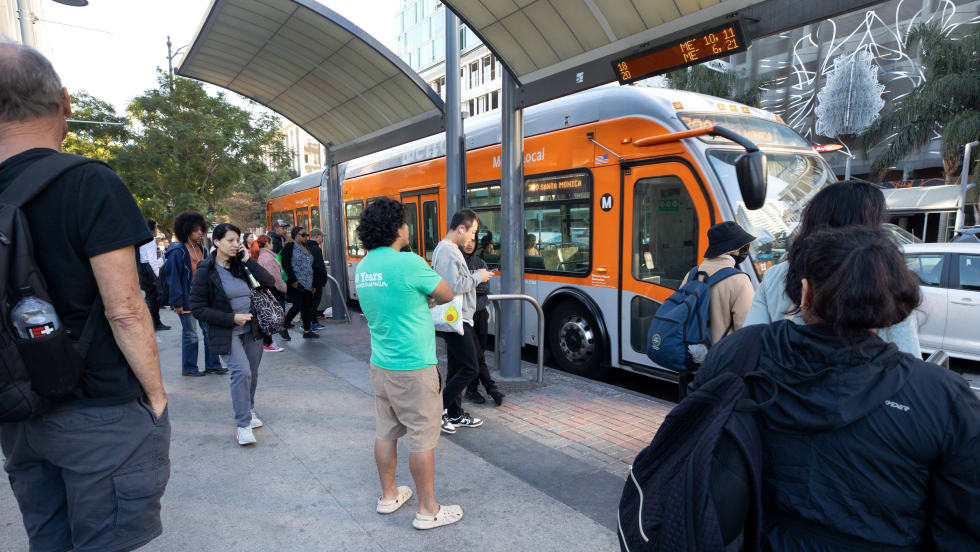
LA Metro Ridership Continues Growth as Rail Gains Accelerate
New rail connections and major events help drive continued ridership gains, with Metro recording its eighth consecutive month of year-over-year rail growth.
Read More →
TransDASH Summit Focuses on Measuring What Matters in Transit
Transit agencies unveil a national performance platform designed to benchmark customer experience, safety, community value, and other outcomes.
Read More →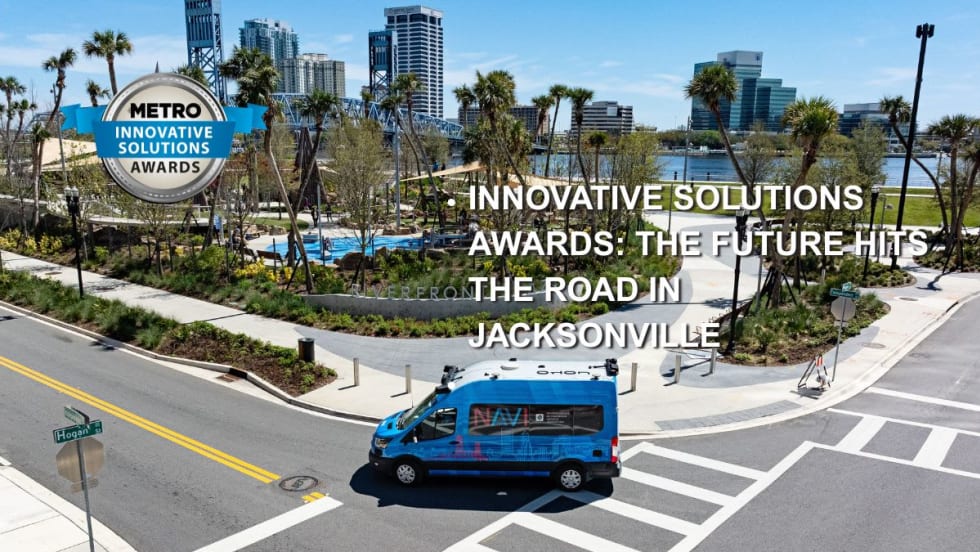
Jacksonville’s NAVI Project Charts a New Course for Autonomous Public Transportation
Through its NAVI program, JTA is showing how autonomous vehicles, intelligent infrastructure, and coordinated operations can work together to deliver everyday public transportation.
Read More →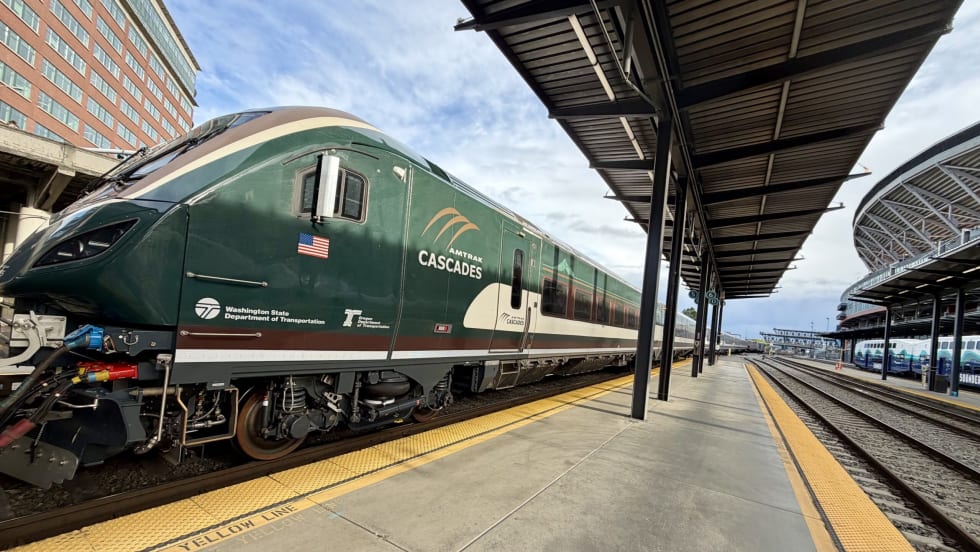
FRA Announces $5.3B in Rail Investments, Including $2B for Amtrak
Funding will support grade-crossing improvements, infrastructure upgrades, and new Amtrak equipment in 23 states.
Read More →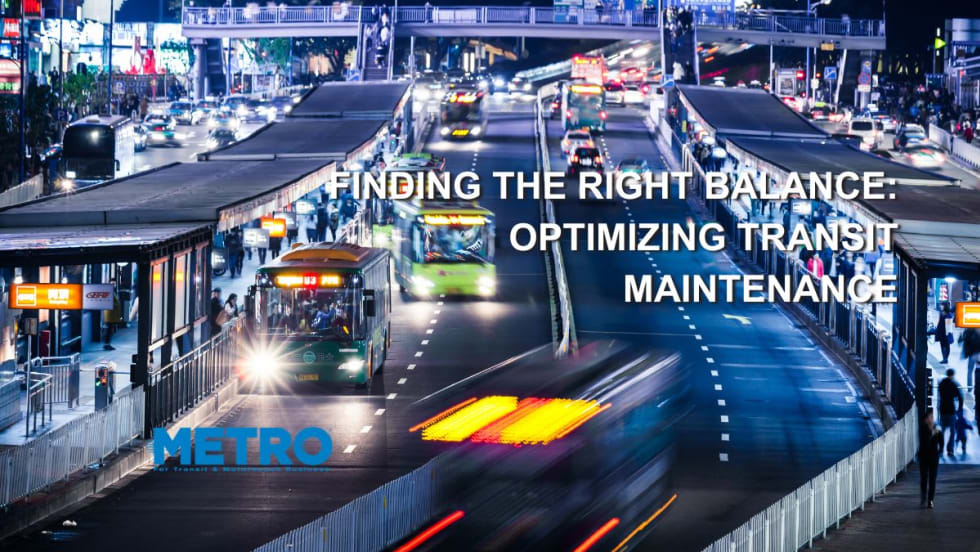
Finding the ‘Happy Medium’: Optimizing Maintenance Without Sacrificing Reliability
The key to maintenance optimization isn’t doing less work—it’s doing the right work at the right time on the right assets.
Read More →
People Movement: MARTA Drops Interim Tag on GM/CEO Hunt and More
In this edition, METRO covers recent appointments and announcements at the FMCSA, HDR, SilverRide, and more, showcasing the individuals helping to shape the future of transportation.
Read More →
VIA Metropolitan Transit Reports 2 Million More Passenger Trips as Better Bus Plan Gains Momentum
San Antonio's transit agency said accelerated service improvements are driving ridership growth, offering another example of how increased frequency and workforce investments can translate into stronger transit performance.
Read More →
ABAF Study Reveals Growing Insurance Crisis for Motorcoach Operators
Preliminary findings show 98% of operators faced premium increases over the past five years, while shrinking insurer participation is putting added pressure on businesses and customers.
Read More →