



Sifting 100 years of history
METRO and other industry contributors will celebrate the past 100 years of public transportation in 2004.
METRO is celebrating its 100th anniversary this year. What started as a magazine called Electric Traction Weekly in 1904 has become, through a century of evolution, what you see today — the industry’s most effective and relevant bus and passenger rail publication. We won’t be celebrating our centennial anniversary alone. The industries we cover also have much to celebrate, as do the suppliers and manufacturers who provide them with products and services. Over the past 100 years, huge strides have been made in all areas of public transportation, and we plan to tell that story this year. As you’ll see when you thumb through this issue, we’ve already started weaving this tapestry by chronicling the 80-year history of Prevost Car, which had humble beginnings as a manufacturer of wooden coach bodies in Sainte Claire, Quebec. Look for other historical highlights in future issues. Our editors are sifting through reams of historical material for stories that still resonate today. As I’m sure you’ll agree, not every old coat in your closet deserves another day in the sun. Special issue slated To properly acknowledge this centennial anniversary, we’re going to split our June/July issue into two issues. June will be a regular issue, while July will be devoted to the anniversary. This special issue will allow us to focus on the great things that bus and rail transportation have accomplished from 1904 to today as well as the role that METRO and its predecessors have played in those 100 years. But July will not have a monopoly on marking the anniversary. Every issue will contain exclusive editorial coverage devoted to the anniversary. To get things started, this January issue introduces two new departments: Metrospective and METRO 100. Metrospective will give the bus and rail fanatics in the industry a chance to see vintage photos of rolling stock that could properly fill a museum. While it’s generally true that “the more things change, the more they stay the same,” some of the old buses and trains show how much things really have changed. For those of us in the older generation, we sometimes wish, however, that they had stayed the same. Meanwhile, METRO 100 provides an altogether different type of retrospective. Beginning in this issue, former METRO Associate Publisher/Editor Cliff Henke pens a series of Top 10 lists on key developments in public transportation. When Cliff’s written his way through all 10 issues this year, he’ll have 10 Top 10 lists, hence METRO 100. Our focus won’t change Centennial anniversaries don’t come around too often. We plan to celebrate this one all year long. But we won’t compromise our regular coverage of the industry. For example, you’ll note this issue contains our exclusive Top 50 Motorcoach Fleets survey and the highly popular “Innovative Motorcoach Operators” article. We also include our Bus Management Supplement and a special report on the ripple effect of the Los Angeles County Metropolitan Transportation Authority’s 35-day strike. Though 100 years old and a little longer in the tooth every passing month, METRO will continue to bring you comprehensive coverage of the bus and passenger rail industries. There’s much to report and many people who still have time to listen. Some things never change.
More Management
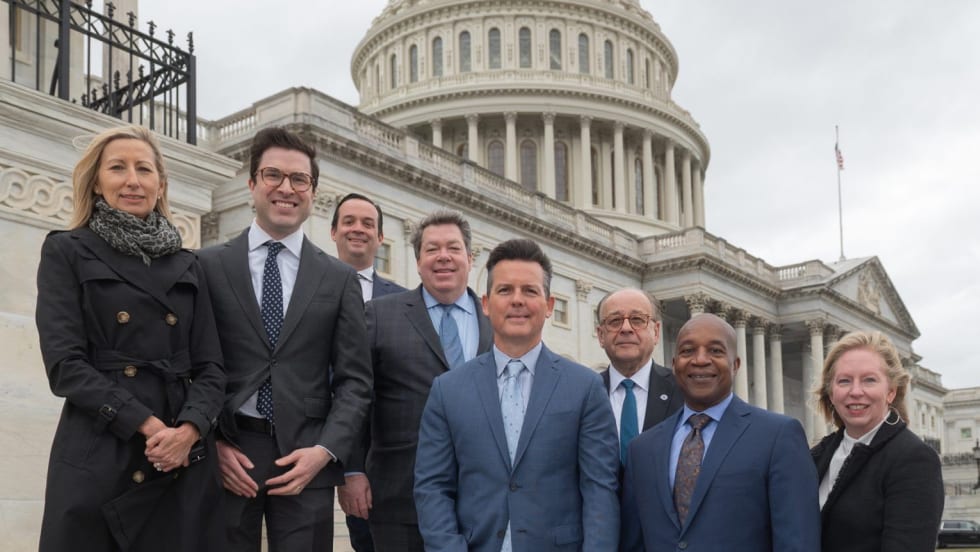
The Business Voice Behind Public Transportation
As chair of APTA’s Business Members Board of Governors, Ray Melleady explains how more than 850 business members are partnering with transit agencies to advance funding, innovation, and industry-wide collaboration.
Read More →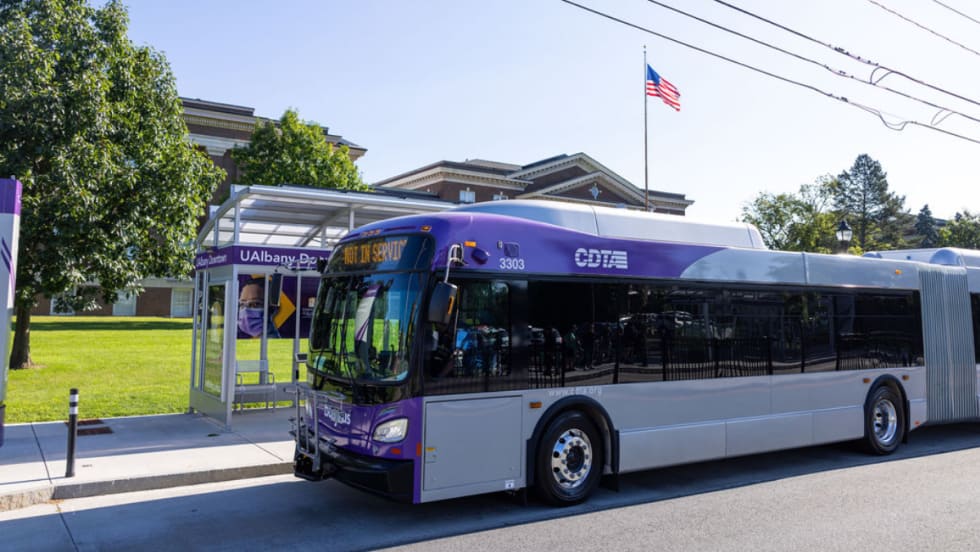
New York’s CDTA Service Rebalancing Boosts Productivity, On-Time Performance
Despite a slight dip in ridership, the agency’s FY2026 results show its service rebalancing strategy is helping the agency carry more riders per service hour while improving reliability.
Read More →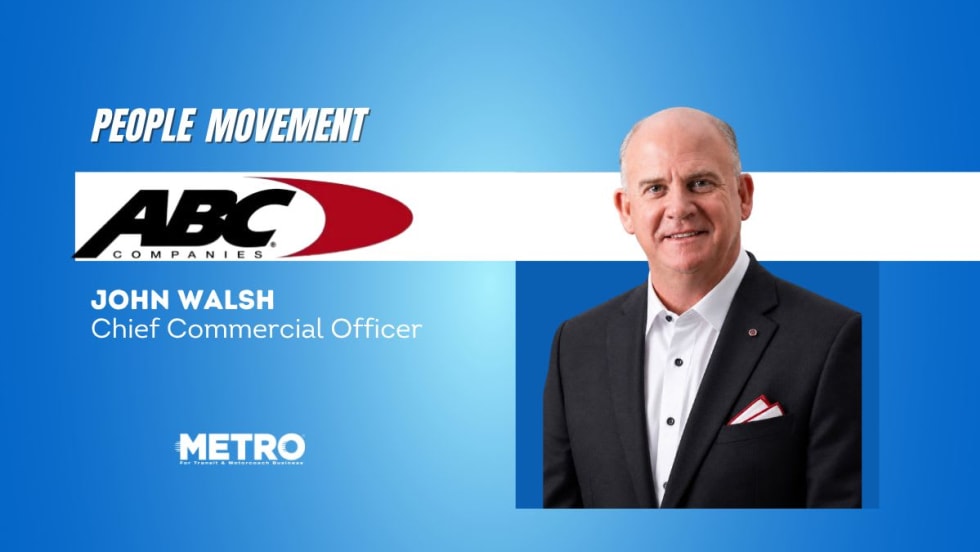
People Movement: ABC Names John Walsh as Chief Commercial Officer
In this edition, METRO also covers recent appointments and announcements at the DART, STV, and more, showcasing the individuals helping to shape the future of transportation.
Read More →
From Surviving to Thriving: Building Stronger Transportation Organizations
Bus Business Consultants founder Brian Dickson shares lessons on leadership, organizational health, and creating options for long-term success in a changing transportation industry.
Read More →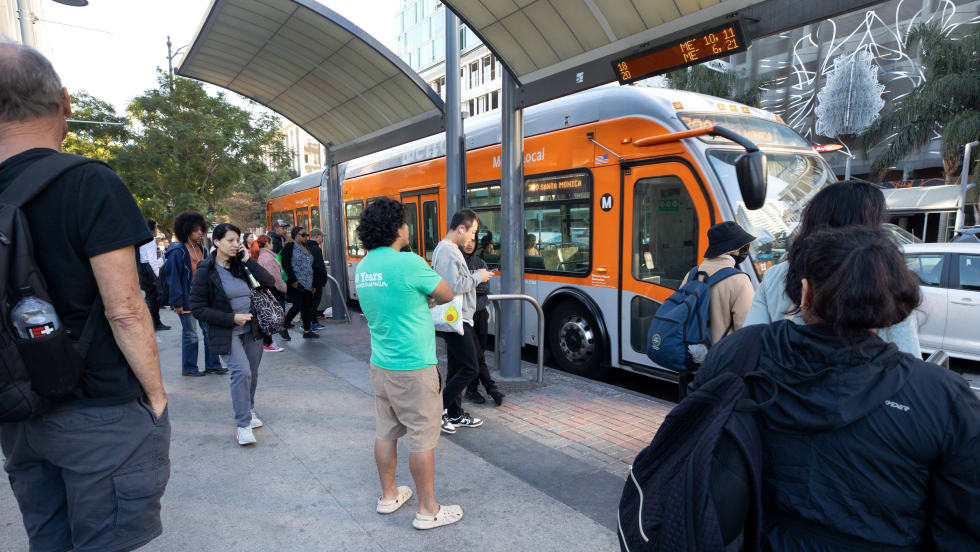
LA Metro Ridership Continues Growth as Rail Gains Accelerate
New rail connections and major events help drive continued ridership gains, with Metro recording its eighth consecutive month of year-over-year rail growth.
Read More →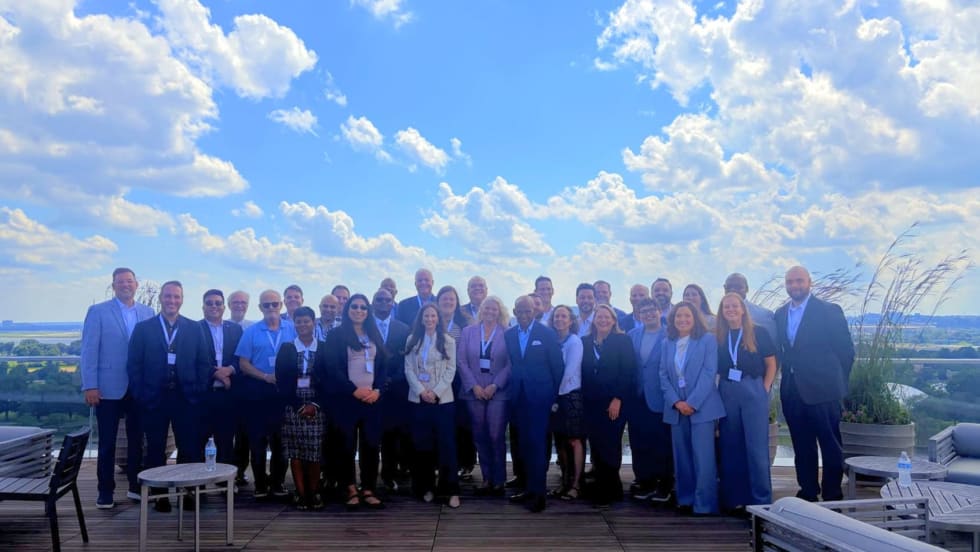
TransDASH Summit Focuses on Measuring What Matters in Transit
Transit agencies unveil a national performance platform designed to benchmark customer experience, safety, community value, and other outcomes.
Read More →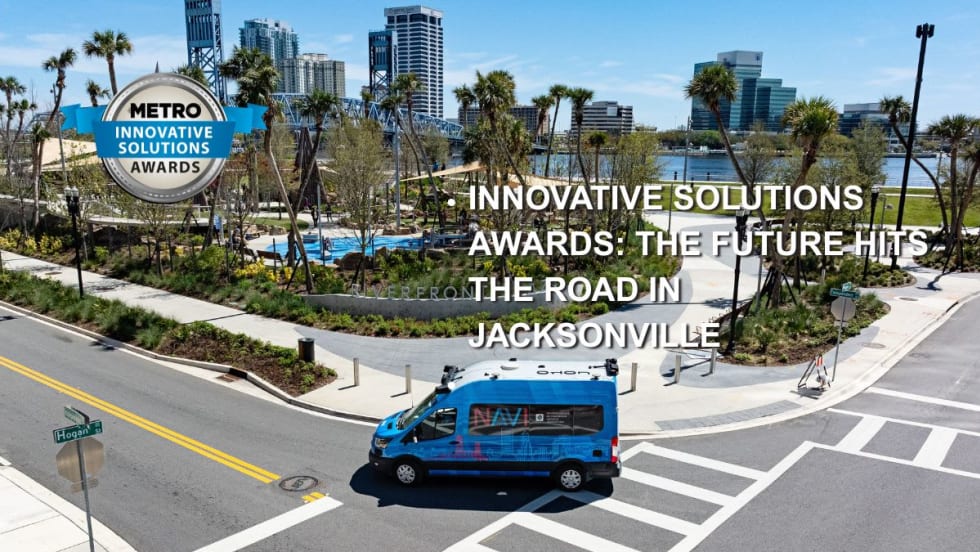
Jacksonville’s NAVI Project Charts a New Course for Autonomous Public Transportation
Through its NAVI program, JTA is showing how autonomous vehicles, intelligent infrastructure, and coordinated operations can work together to deliver everyday public transportation.
Read More →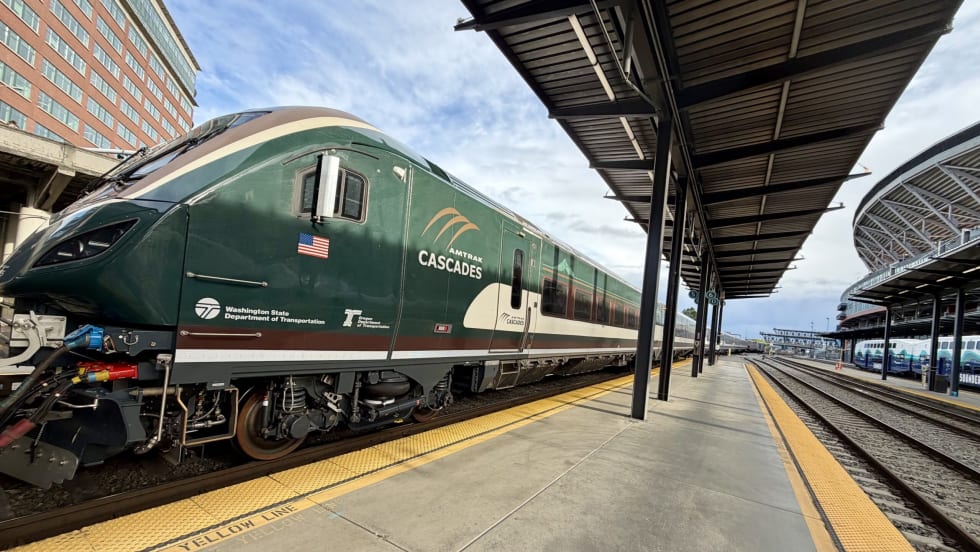
FRA Announces $5.3B in Rail Investments, Including $2B for Amtrak
Funding will support grade-crossing improvements, infrastructure upgrades, and new Amtrak equipment in 23 states.
Read More →
Finding the ‘Happy Medium’: Optimizing Maintenance Without Sacrificing Reliability
The key to maintenance optimization isn’t doing less work—it’s doing the right work at the right time on the right assets.
Read More →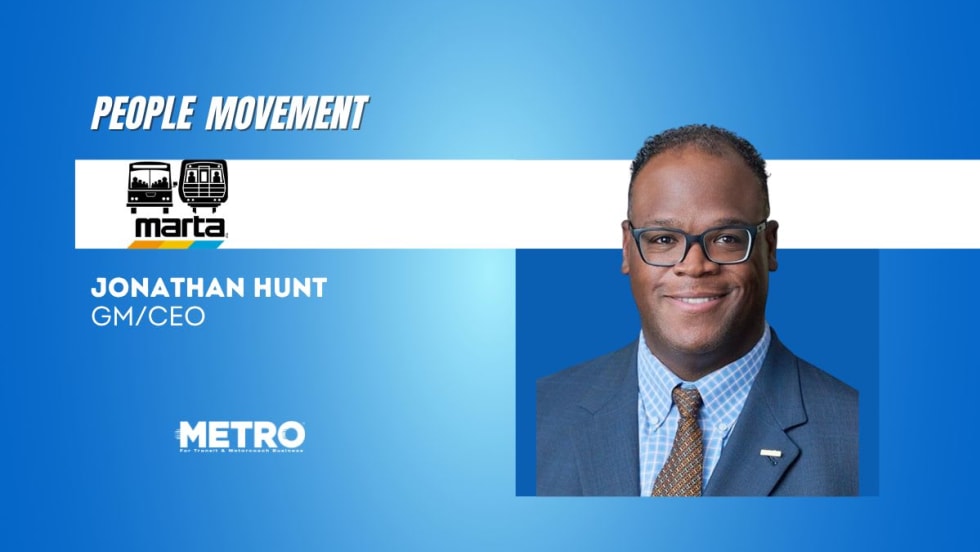
People Movement: MARTA Drops Interim Tag on GM/CEO Hunt and More
In this edition, METRO covers recent appointments and announcements at the FMCSA, HDR, SilverRide, and more, showcasing the individuals helping to shape the future of transportation.
Read More →