



The case for efficiency
Is outsourcing transit services good or bad?
The outsourcing of transit services, whether we’re talking about operations, maintenance or vehicle overhaul, is a subject that tends to lead to heated arguments.
Many public agencies believe that it’s more efficient if they maintain control of the operation and the employees, while others subscribe to the notion that the private side can squeeze more efficiency from their operations because they have to worry about the bottom line. Even more to the point, publicly owned private operators have to answer to their shareholders, which forces them to find efficiencies and cost savings in places that many public agencies would not think to look.
Efficiency at all cost
I recently visited a private bus operation and discovered that they trained their entry-level bus fuelers — the only people in the facility who see every bus each day — to perform supplemental inspections of the vehicles. They check the oil and fluid levels, tire pressure and lights. They empty the farebox and mop the floor of the bus. Nothing is wasted.
These inspections are not designed just to keep the fueler busy; they’re put into play to save money. The fueler can reduce the amount of routine work done by the regular technicians, freeing them up to focus on more skill-intensive duties.
I should add that the garage was immaculate and designed to maximize safety. The technicians all wore shirts with retroreflective stripes to enhance their visibility. A pre-shift meeting was held to discuss companywide safety concerns.
Properly embraced, adherence to safety principles can save money. But so can heightened productivity. The technicians in this garage, I was told, could do the work of twice as many technicians employed by a public agency. See what I mean about the arguments?
The 150 or so buses in the parking lot were in great shape, even though many of them were 8 years old or more. They are cleaned daily by a janitorial crew, and all graffiti is eradicated by the time the buses leave the yard. It’s an impressive setup.
Other private advantages
Yes, I know that public operators also show pride in their work and know how to make sure that they stay under budget. They, too, can squeeze savings from unexpected places. But they might not enjoy some of the financial advantages that some private companies have.
For example, some of the larger contractors have national accounts with vendors for supplies such as motor oil, tires and uniforms. Through these agreements, they can cut their parts costs significantly. They can also buy big-ticket items, such as buses, in large blocks, helping to minimize a key capital cost.
In this age of tight budgets and public demands for higher levels of service, the use of private contractors should be examined by transit systems as a way to reduce costs, improve efficiency and add the element of competition into the process.
If they agree that outsourcing meets their needs, transit systems need to set high standards for their contractors and hold their feet to the flames when those standards are not met. Contractors, meanwhile, need to focus on the mission of the transit system, providing great customer service with safety and efficiency, and to meet the financial objectives of their owners. If they can’t do both of those things, they will not survive and the next fittest contractor will take their place.
It’s a jungle out there, even in the transit world.
More Management

ENC Lands MATA Contract and More in Biz Briefs
In this edition of Biz Briefs, we spotlight the latest developments shaping the future of mobility.
Read More →
From Surviving to Thriving: Building Stronger Transportation Organizations
Bus Business Consultants founder Brian Dickson shares lessons on leadership, organizational health, and creating options for long-term success in a changing transportation industry.
Read More →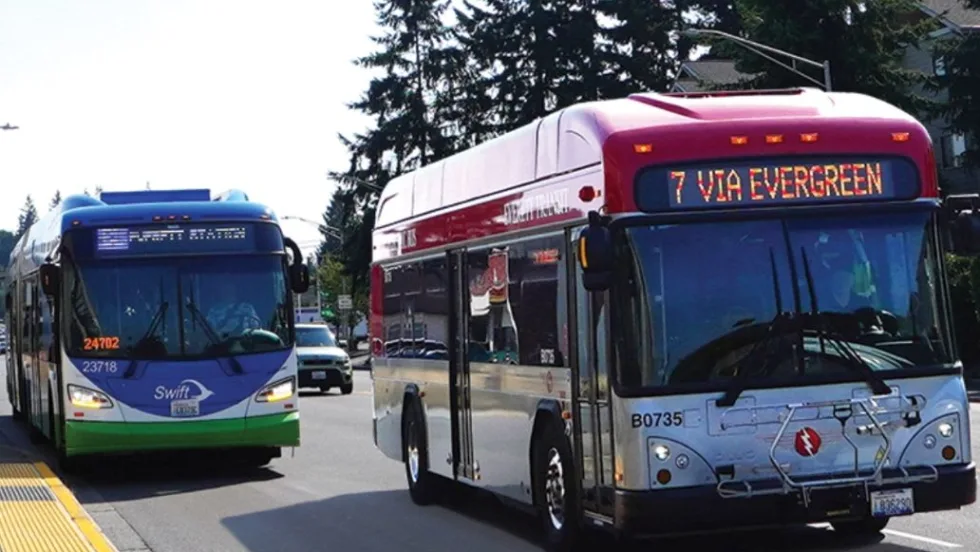
Everett Transit, Community Transit Outline Consolidation Agreement
The proposed agreement calls for a 50% increase in bus service in Everett, a new microtransit zone, continued paratransit service, and the transfer of Everett Transit operations to Community Transit.
Read More →

Strada360’s Steve Lassey on Turning Transit Data Into Better Decisions
From breaking down data silos to preparing for AI, Strada360 CEO Steve Lassey discusses how transit agencies can use technology to improve operations, customer information, and long-term decision-making.
Read More →
People Movement: Phil Washington Joins HNTB, Denver RTD Launches CEO Search, and More
In this edition, we also spotlight recent personnel moves at STV, the Eno Center for Transportation, and more, highlighting the people taking on new roles across the transportation industry.
Read More →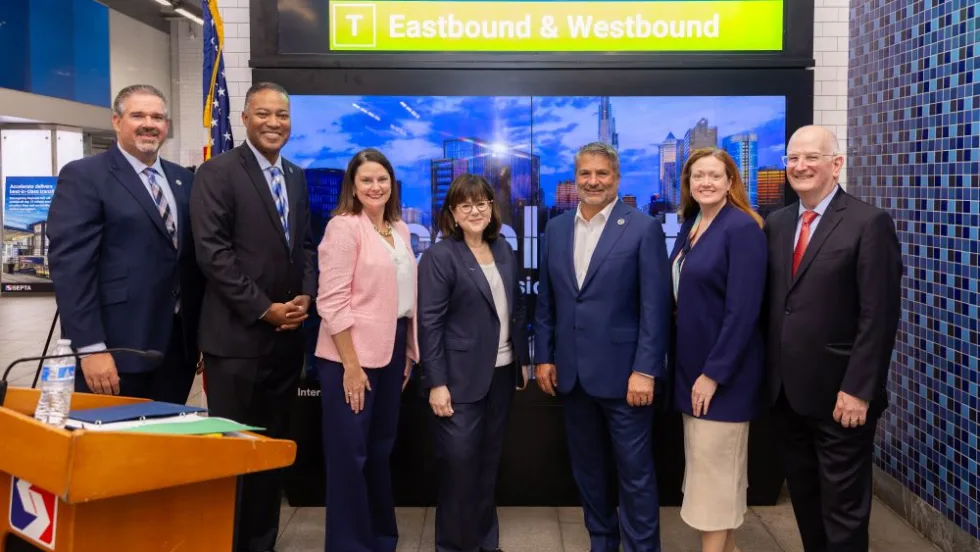
SEPTA Details Accelerate Vision for Transit System
The plan outlines investments in trolley modernization, new Metro and Regional Rail vehicles, accessible stations, and more frequent bus and rail service.
Read More →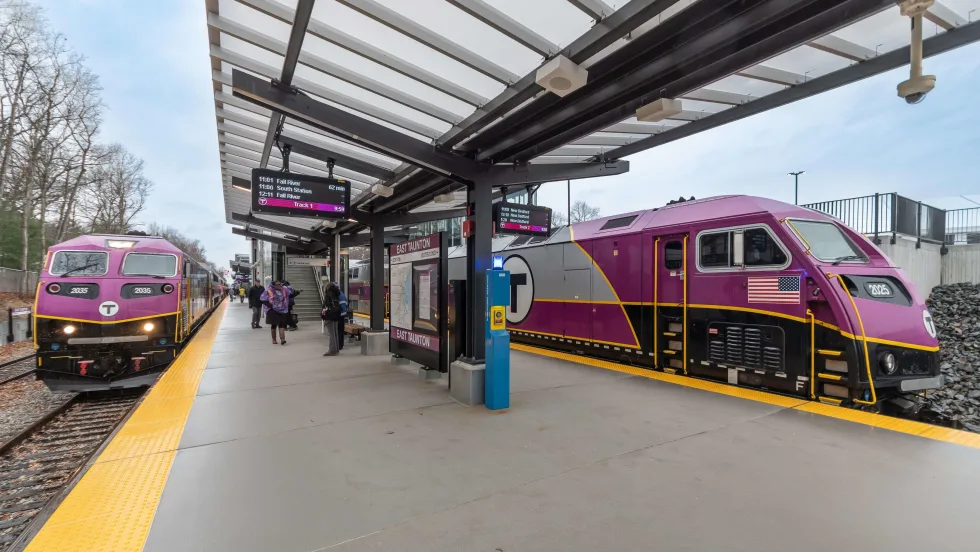
FTA Ends Direct Oversight of MBTA Safety Actions
The federal agency closed its remaining special directive to the Massachusetts Department of Public Utilities following a safety review that began in 2022.
Read More →
Report: Transit Bus Manufacturing Supports 34,100 Jobs, $5.1B in GDP
The “Buses Mean Business” report examines the transit bus manufacturing industry’s economic footprint, supply chain, and rising demand for vehicle replacements.
Read More →
LIT Marks 10-Year Milestone at Annual Summit
Hosted by the COTA from September 10 to 13, the Summit carried the theme “Celebrating 10 Years of Excellence, Leadership, and Impact,” with every part of the program honoring the people, agencies, and partners who built LIT over its first decade.
Read More →
People Movement: Dan Dipert Coaches Adds Third-Generation Leader, Keolis Names New Valley Metro VP/GM, and More
In this edition, we also cover recent appointments and announcements at the Wabtec, SilverRide, HNTB, and more, showcasing the individuals helping to shape the future of transportation.
Read More →