



The Case for HEPA-14 Air Filtration to Reduce Pathogens in the Transit Environment
Air sanitizing methods are many and varied. Therefore, it may be helpful to examine the primary candidate technologies and how they work or could work together to achieve the best results.
Webasto Thermo & Comfort North America Inc.
The COVID-19 pandemic has made it impossible for transit officials to ignore the role of human respiration in the transmission of disease. Airborne aerosolized particles and moisture droplets from an infected person have been identified as the primary mechanisms for spreading this virus.
By their very nature, the enclosed environments of vehicles used to transport people may pose a health risk to operators and passengers alike. Those using public transportation and their drivers can face an elevated risk of infection simply by breathing in close physical proximity to one another, whether they are wearing a mask or not.
“Transit authorities have to weigh a number of factors when considering how best to minimize the potential for disease transmission in the public transportation environment,” said Gary Hodgson, sales & business development manager for Heavy Duty Bus Parts Lines of Willis, Texas. “Solutions have to be not only effective, but practical.”
Looking for clear answers
The industry is being inundated with vehicle decontamination solutions, each offering a unique approach to the problem. Fleets may look to OEMs and dealers to help them cut through the clutter and make rational, cost-effective determinations, but they may not find the clarity they are looking for.
The whys and wherefores of air sanitizing methods are many and varied and can prove to be a bit confusing. Therefore, it may be helpful to examine the primary candidate technologies and how they work or could work together to achieve the best results.
UV light
Ultraviolet (UV) light is often used to disinfect equipment in hospitals and prevent the spread of harmful strains of bacteria and viruses. One of the most common sterilization methods is called ultraviolet germicidal irradiation or (UVGI).
Ionizers
Ionizers can help prevent the spread of mold and bacteria. Although particles charged by negative ions are not removed from the air, they may stick to nearby surfaces. Many air cleaners on the market use ionization technology, also called negative ionization, as the central component of their operation.
Photocatalytic oxidation
The Photocatalytic oxidation (PCO) method uses a filter surface coated with a chemical catalyst, which is activated by UV-C light. The resulting photochemical reaction creates hydroxyl radicals, and these molecules oxidize the pollutants that come in contact with the filter surface.
Electrostatic precipitation
Electrostatic precipitation air purifiers remove dust and other particles from the air by imparting an electrical charge to these contaminants. Within the air purifiers, charged particles are attracted to the oppositely charged surfaces, removing the particles from the air.
HEPA-14 filtration
HEPA filters are made of a complex weave of tiny fibers that carry an electrostatic charge that attracts passing particles, acting more like a magnet than a net. The narrower the air passages, the greater the likelihood of trapping small particulate matter. Medical-grade HEPA-14 filters remove 99.995% of airborne particles equal to or greater than 0.3 microns, and there is no chemical byproduct or off-gassing.
“The CDC and WHO recommend HEPA medical-grade air filtration along with frequent air changes for ambulances,” said Matt Wheeler, head of HVAC Light & Medium Duty for Webasto North America. “HEPA-14 technology is tried and true and, along with ambulances, has been used in aircraft cabins, hospital treatment areas, and many other highly infectious environments for decades.”
A HEPA-14-based solution
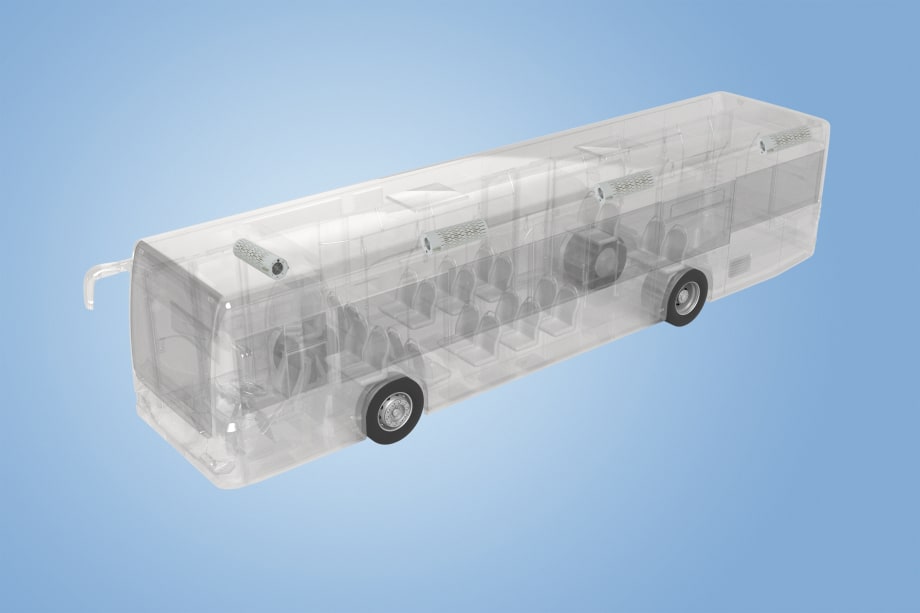
In September 2020, Webasto announced the introduction of its HFT 300 and HFT 600 high-efficiency air cleaners in the U.S. The lightweight, compact, and cylindrical units use medical-grade HEPA-14 filtration media and can be installed almost anywhere inside vehicles and in other confined spaces where people may be sharing interior air.
A single intake port is located on one end of the unit, and decontaminated air is released in all directions, around its circumference. Each unit’s filter monitoring feature senses when its filter needs to be changed, and an LED light alerts users when it is time for maintenance. Most filters should be expected to last six to 12 months.
Webasto’s HFT 300 and HFT 600 high-efficiency air cleaners offer transit fleets a practical, immediate, and reliable solution. Their HEPA-14-based air cleaning devices can also complement other sanitizing methods and can easily be employed to work in conjunction with UV light and ionization.
The U.S. CDC, European CDC, WHO, ASHRAE, EUROVENT, IATA (International Air Transport Association), and U.S. FDA (Food and Drug Administration) all call for the use of HEPA-14 filtration. It is the only type of filtration that is being used today for aircraft cabins.
“Webasto was able to get their new HEPA-14 air cleaners to market rapidly,” Hodgson said. “Not only has the filtration technology been demonstrated to be effective, but it’s easy to understand and uncomplicated to use.”
A breath of fresh air
According to Wheeler, the combination of HEPA-14 filtration and fresh air is critical to minimizing the level of pathogen circulation in vehicle environments. “It’s really about striking the right balance between fresh air intake and pathogen mitigation technologies, or combinations thereof,” he added.
For ambulances, the CDC and WHO recommend one complete fresh air change and/or HEPA filtration every minute. Airplanes and hospitals, however, filter and/or replace their air completely every three to four minutes. This is an achievable air replacement and filtration level on public transportation.
“If we know the interior dimensions of any given bus and the amount of fresh air being introduced, we can determine exactly how many of our units are needed to decontaminate the recirculated air,” Wheeler said. “This is no time to experiment with new technologies in novel applications. HEPA-14 is the only filtration method that is internationally recognized by health authorities and aviation authorities alike for infection control, and it’s available right now.”
More Security and Safety

Transit Agencies Highlight Safety Gains at National Summit
Leaders from 15 major transit systems shared crime-reduction results and safety initiatives while discussing the role of continued federal support.
Read More →
DART Launches Major Security, Fare Enforcement Initiative
The 90-day demonstration will deploy coordinated security teams at five light rail stations while testing controlled access and gathering data to guide future investments.
Read More →
RTD Launches NextRide App to Consolidate Trip Planning, Fares, Security Reporting
The app expands on RTD’s existing NextRide web application and allows customers to view real-time vehicle locations and service alerts, purchase and store digital fares, and access customer support.
Read More →
TAPTCO Updates OSHA Compliance Training for Transit Maintenance Operations
The revamped program addresses 26 OSHA standards for maintenance facilities, with TAPTCO pointing to training, documentation, and everyday shop hazards as continuing challenges for transit operations.
Read More →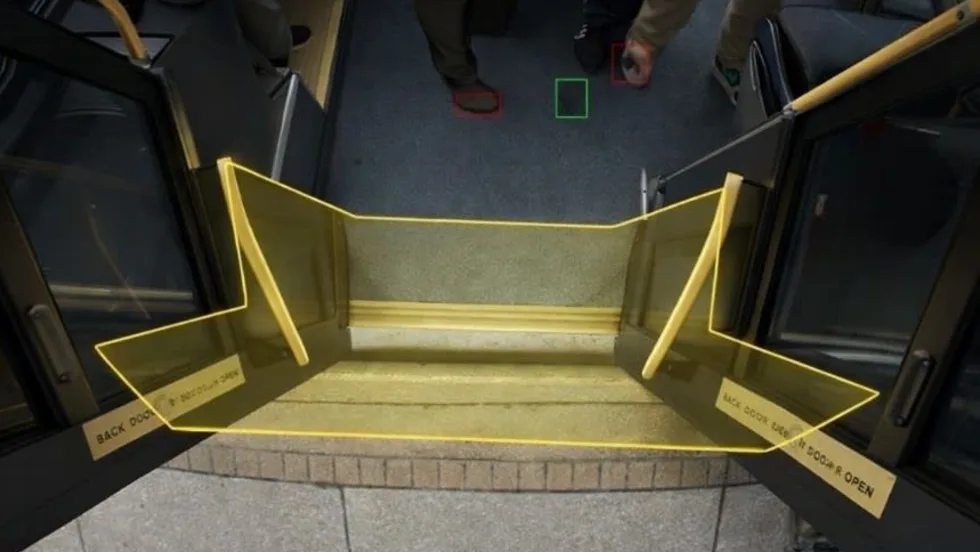
How VaporVision Adds Value to Transit Door Systems
Wabtec engineers explain how the system improves doorway detection, strengthens diagnostics and gives transit agencies and OEMs greater operating flexibility.
Read More →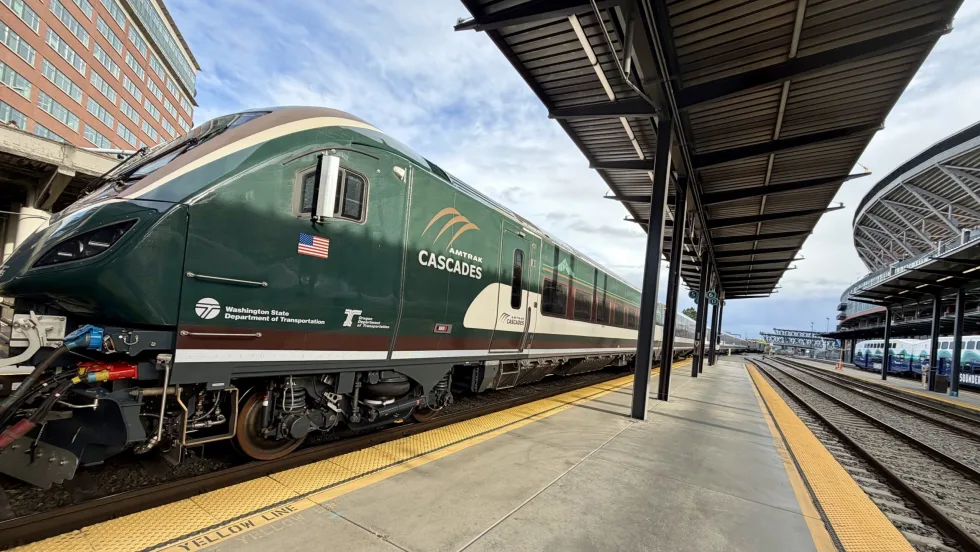
FRA Announces $5.3B in Rail Investments, Including $2B for Amtrak
Funding will support grade-crossing improvements, infrastructure upgrades, and new Amtrak equipment in 23 states.
Read More →
Chicago, Maryland Expand Non-Law-Enforcement Safety, Rider Support
The CTA and MTA are launching new programs aimed at de-escalation, crisis response, rider assistance, and greater transparency.
Read More →
LA Metro, City of West Hollywood, and Partners Advance Smarter Bus Lane Enforcement
The award-winning partnership combines AI-powered detection with human oversight to improve bus reliability, accessibility, and enforcement efficiency.
Read More →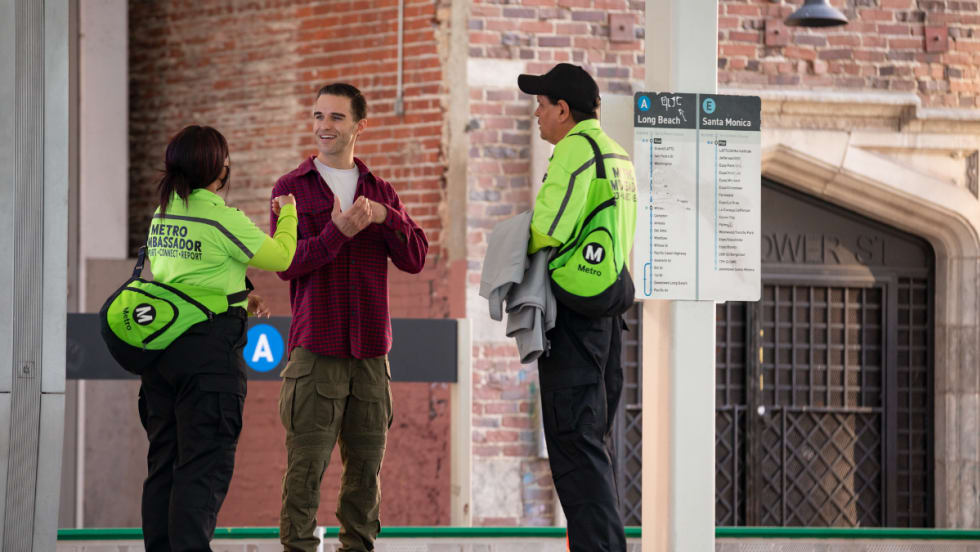
LA Metro Reports 57% Decline in Homelessness on Transit System Since 2024
The agency's latest homelessness count offers new data on how care-based services and cross-sector partnerships can complement traditional transit security strategies.
Read More →
FTA Launches 'Transit Moves America' Dashboard to Highlight Agency Safety and Performance
The online dashboard transforms National Transit Database information into a public-facing resource that allows users to compare transit agencies on key operational and safety metrics.
Read More →