



The hypocrite within?
Is urging the general public to use mass transportation but not using it ourselves being hypocritical?
An article last fall in the Los Angeles Times chided Mayor Antonio Villaraigosa for not using public transportation to get to and from work. The mayor championed the use of transit during his campaign in 2005 and spent time riding the buses and trains in L.A. to chat with riders and set up photo opportunities.
Now that he’s firmly planted in the mayor’s office, it turns out that Villaraigosa prefers a GMC Yukon, driven by a bodyguard, to get to and from City Hall instead of a bus or train. A reporter timed the route from Villaraigosa’s home to City Hall and found it would take 44 minutes using one bus and a transfer to the Red Line subway system.
In his defense, Villaraigosa says his schedule often requires that he travel to several different events each day, making it difficult for him to do without his Yukon. But his actions conflict with his words. In a speech last November at the unveiling of an automated traffic signal system, he told the crowd: “You’ve got to use public transit. You can’t keep on pointing to someone else and saying it’s their responsibility.”
Do as I say, not as I do?
Although most transit general managers probably aren’t squired around by chauffeurs, they most probably drive to work rather than use their own public transportation system. Is this a case of “Do as I say, not as I do”? Are we being hypocritical when we urge the general public to use transit but don’t use it ourselves?
A colleague who works for a different publication here at Bobit Business Media chided me because one of my columns implied that I don’t use public transportation. Which isn’t exactly true. I’ve taken the bus to work a few times, but, yes, only when my car is in the shop or I’m feeling particularly guilty about driving every day.
And I don’t have much of an excuse not to ride the bus. I live two blocks from the bus stop and it’s only a 10-minute ride down the boulevard here in Torrance to get to my exit stop. From there, it’s about a 10-minute walk to the office.
It’s more likely that I’ll use public transportation when I’m on a business trip, when I don’t have access to a car. Or when I’m on vacation in a transit-friendly city.
I left my car in San Jose
For example, I recently was visiting my parents in San Jose and decided to take my family to San Francisco for the day. We rode CalTrain from downtown San Jose to San Francisco. It was a pleasant ride. We sat on the upper level and enjoyed the view of the different stations.
When we arrived in San Francisco about an hour later, we took advantage of the various trains, buses and streetcars provided by MUNI to get around the city. Except for a long, crowded, noisy bus ride from Ghiradelli Square back to the CalTrain station near AT&T Park, the transit experience was pleasant, efficient and convenient — the way transit has to be if it wants to attract choice riders. When the only alternative is walking, public transportation sure seems like the way to go.
I don’t think I need to apologize for not riding the bus to and from the office. It’s not always convenient, nor particularly cost-effective, for me to do so. As much as I’d like to keep the environment clear of tailpipe emissions and the highways free of congestion, I’ve got my own priorities that make it difficult to use public transportation regularly. Having said that, I’m going to make an effort to ride the bus more often, starting, er, tomorrow.
More Management
Mark Aesch Nominated to Lead Federal Transit Administration
The former Rochester transit chief and TransPro founder, who has also contributed to METRO Magazine, brings decades of industry experience and a focus on performance, accountability, and financial sustainability to the nomination.
Read More →
Best and Worst U.S. Cities for Public Transportation in 2026
A new analysis of 50 major U.S. urban areas ranks public transit systems based on accessibility, affordability, usefulness, and safety, highlighting where transit performs best and where challenges remain.
Read More →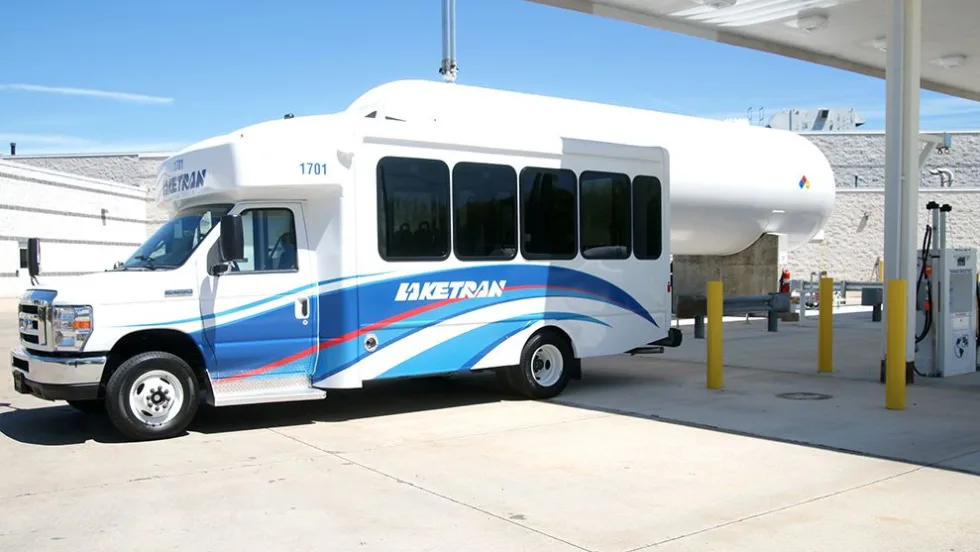
Laketran Cuts Fuel Costs, Boosts Efficiency with Propane-Powered Fleet
The Ohio transit agency is using propane-powered vehicles and on-site fueling infrastructure to cut fuel and maintenance costs while meeting growing demand for paratransit services.
Read More →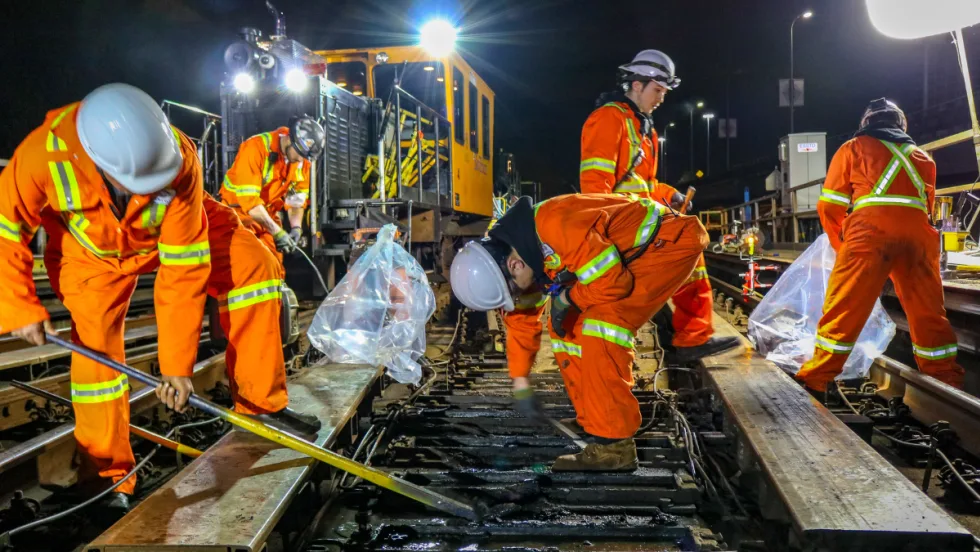
Canada’s Public Transit Supports $65.6 Billion in Annual GDP
New research from the Canadian Chamber of Commerce examines transit's economic contributions, including job creation and the financial implications of transportation investment.
Read More →
Pierce Transit Moves to Expand Fleet Following Proposition 1 Approval
The agency authorized the purchase or refurbishment of up to 60 buses to support a 47% service expansion, as voters nationwide approved billions in new transit funding.
Read More →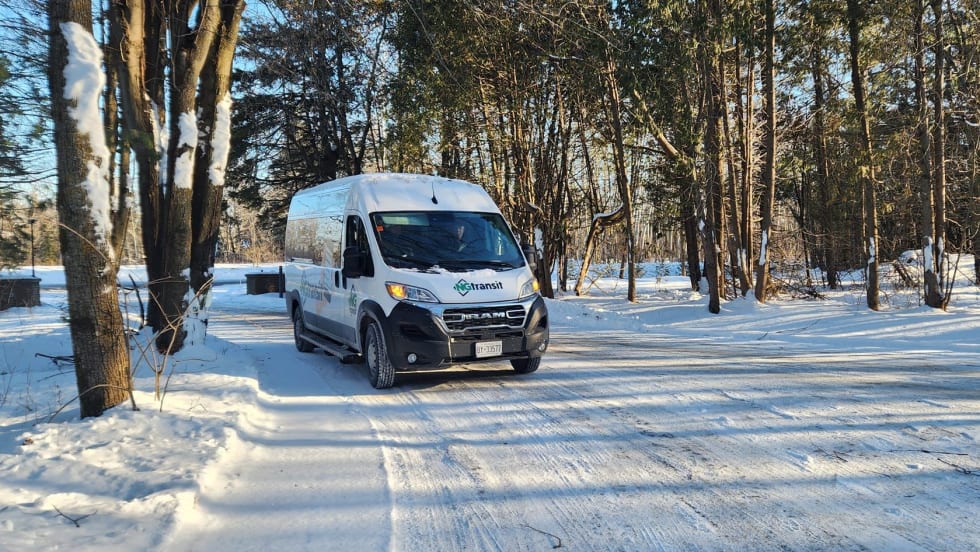
Right-Sizing Rural Transit: Lessons from North Grenville’s On-Demand Model
A small municipality shows how flexible service, rider needs, and public accountability can expand mobility with limited resources.
Read More →
Transit Ballot Victories Signal Strong Voter Support: What Comes Next?
Voters approved billions in public transportation investments in 2026, giving agencies opportunities to preserve service, expand operations, and strengthen regional connections amid a changing political landscape.
Read More →
Transit Expands Agency Partnerships, Reaching 200 Official App Partners
COO Jake Sion discusses Transit’s growth, the success of its Transit Royale program, and how technology is helping agencies improve the rider experience.
Read More →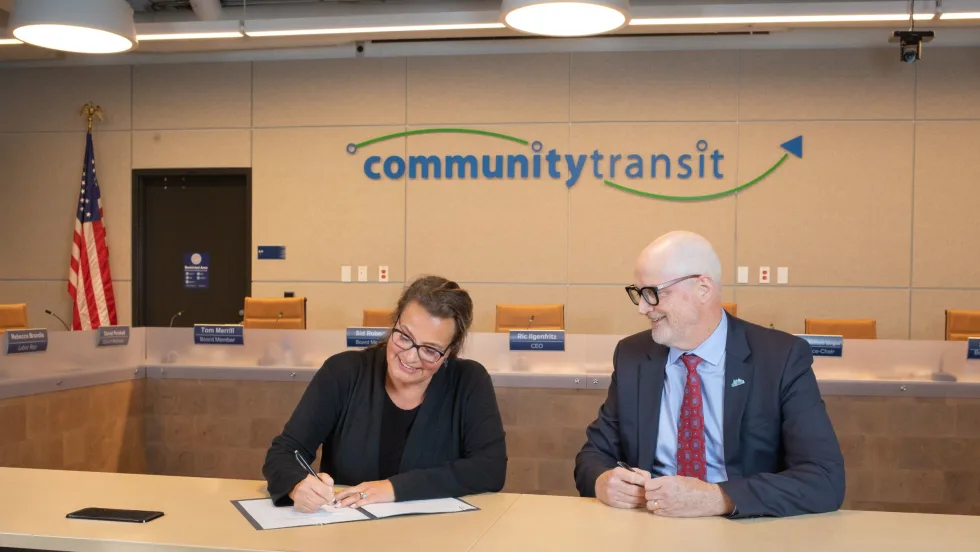
Everett Transit, Community Transit Approve Consolidation of Services
The agreement will bring Everett Transit into Community Transit’s network in April 2027, with plans to increase bus service by 50% by 2031 and expand regional connections.
Read More →
NITA Proposes $5B Operating Budget, $9.7B Capital Program for 2027
The proposed budget includes funding for expanded transit service, safety initiatives, fleet upgrades, and infrastructure improvements across CTA, Metra, and Pace.
Read More →