



The Madrid syndrome
Why people continue to take public transportation in the wake of terrorism.
The March 11 train bombings in Madrid that caused the deaths of nearly 200 people dominated world headlines for several days and created widespread concern about renewed terror attacks.
But the impact of the bombings on transit ridership in the United States will likely be negligible. In fact, 75% of respondents to our Web poll (at www.metro-magazine.com) believe that the Madrid bombings will not have any effect on U.S. ridership.
Although it’s too soon to tell, the actual ridership numbers will probably back this majority opinion. The question arises, however: Why aren’t people frightened off buses and trains after terrorist attacks?
It’s not for a lack of attacks. Suicide bombers often target crowded buses in Israel. And those bombings aren’t ignored by the media. People all over the world understand that Israelis invoke a small, but very real risk every time they step on a bus.
Why wheels keep rolling
Yet the buses keep running and people keep riding them. In fact, Israel is in the midst of significant expansion of its public transportation system, including extensive rail systems. The country understands that the importance of bus and rail to its long-term mobility overrides the short-term dilemma created by terrorists.
But that still doesn’t explain why people in the U.S. do not avoid public transportation in the wake of terrorist attacks. There are two key reasons why this is so. First, the vast majority of people believe that horrible things only happen to other people. And 99.9999% of the time, they’re right. The odds, for example, that you’ll be struck by lightning are incredibly small, but an average of 90 people are killed by lightning in the U.S. each year.
Do we live in fear of lightning? No. Do we live in fear of earthquakes? No, at least not outside California. Do we live in fear of terrorist attacks on buses and trains? No.
The second reason is that most people have little choice about whether they’ll use public transportation. That is, they must risk the chance of a terrorist attack if they want to get to work or to their doctor’s appointment or to the social services agency. Terrorist threats aren’t even a consideration in their everyday lives. They have other, more pressing concerns.
Imagine, however, that a fully loaded transit bus in New York City is struck by a suicide bomber with dozens of people killed. How would that affect bus and rail ridership in the United States?
The consequences would be immediate and dramatic. Just as air travel declined sharply after the Sept. 11 attacks, bus and rail ridership would see a drop-off for several weeks or months.
But people would come back. Public transportation is an essential part of everyday life in most communities. It does more than get people from Point A to Point B; it alleviates traffic congestion, reduces pollution and provides more than 400,000 jobs across the country.
Taking the proper safeguards
What the public needs to know is government officials are doing their level best to thwart the efforts of terrorists, domestic or international. Programs such as the Federal Transit Administration’s Transit Watch, which is modeled after Neighborhood Watch, will help to soothe frayed nerves and upgrade security programs. For more information about Transit Watch, visit www.fta.dot.gov.
Transit systems also need further investment by the Transportation Security Administration, whether it’s for employee training, equipment upgrades or emergency response preparation. The lesson that we’ve learned from the Madrid bombings is that terrorists are not going to confine their attacks on buses or trains to the Middle East or other regions of unrest. The next attack could be in our own backyard. Are we doing everything we can to prevent it?
More Management

Public Transit Conference Returning to GFX in 2027, Call for Papers Now Open
The Call for Papers is now open, allowing transit agency professionals and industry experts to help shape the PTC educational program by submitting session ideas for consideration.
Read More →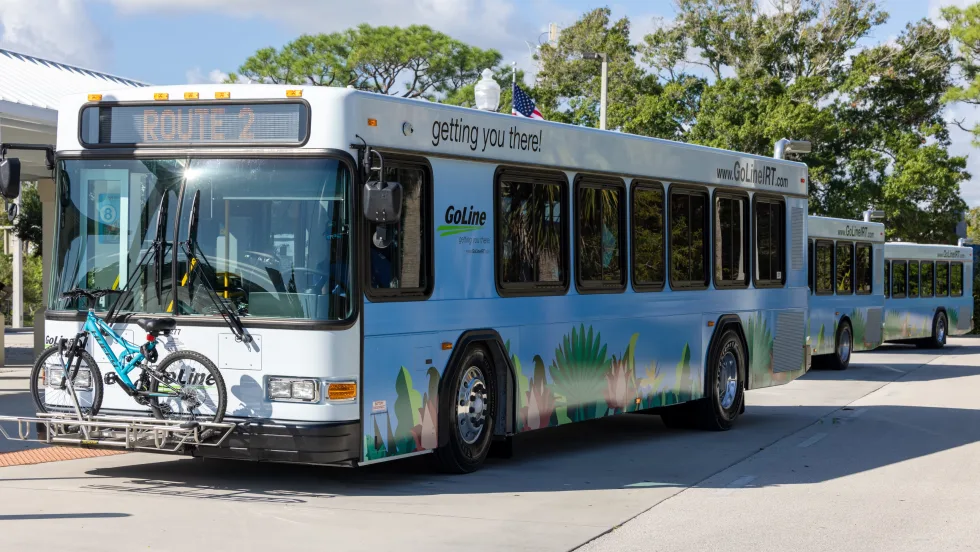
Indian River Transit’s Community-Focused Approach Earns National Recognition
Named APTA’s 2026 Outstanding Public Transportation System in its size category, Florida’s Indian River County transit system continues to grow ridership through fare-free service and a focus on evolving community needs.
Read More →
ENC Lands MATA Contract and More in Biz Briefs
In this edition of Biz Briefs, we spotlight the latest developments shaping the future of mobility.
Read More →

From Surviving to Thriving: Building Stronger Transportation Organizations
Bus Business Consultants founder Brian Dickson shares lessons on leadership, organizational health, and creating options for long-term success in a changing transportation industry.
Read More →
Everett Transit, Community Transit Outline Consolidation Agreement
The proposed agreement calls for a 50% increase in bus service in Everett, a new microtransit zone, continued paratransit service, and the transfer of Everett Transit operations to Community Transit.
Read More →
Strada360’s Steve Lassey on Turning Transit Data Into Better Decisions
From breaking down data silos to preparing for AI, Strada360 CEO Steve Lassey discusses how transit agencies can use technology to improve operations, customer information, and long-term decision-making.
Read More →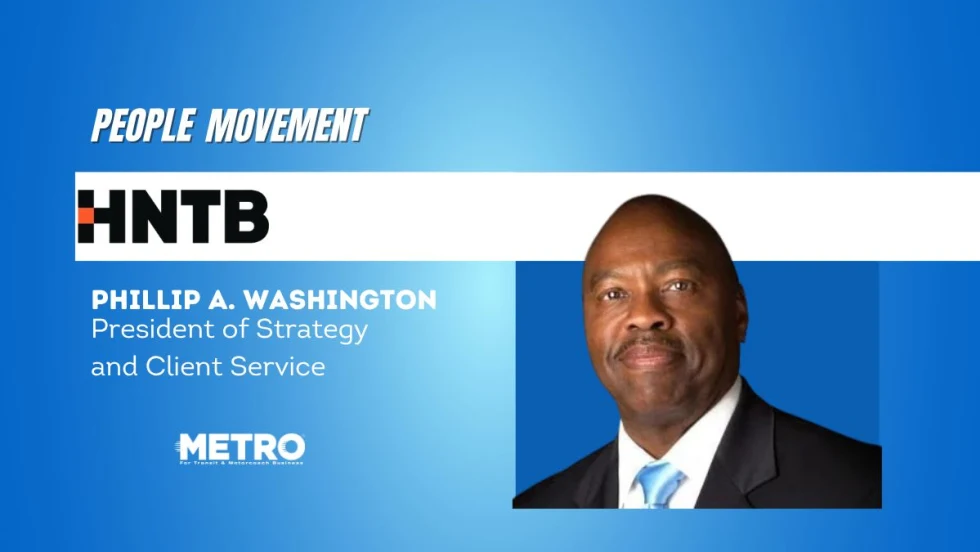
People Movement: Phil Washington Joins HNTB, Denver RTD Launches CEO Search, and More
In this edition, we also spotlight recent personnel moves at STV, the Eno Center for Transportation, and more, highlighting the people taking on new roles across the transportation industry.
Read More →
SEPTA Details Accelerate Vision for Transit System
The plan outlines investments in trolley modernization, new Metro and Regional Rail vehicles, accessible stations, and more frequent bus and rail service.
Read More →
FTA Ends Direct Oversight of MBTA Safety Actions
The federal agency closed its remaining special directive to the Massachusetts Department of Public Utilities following a safety review that began in 2022.
Read More →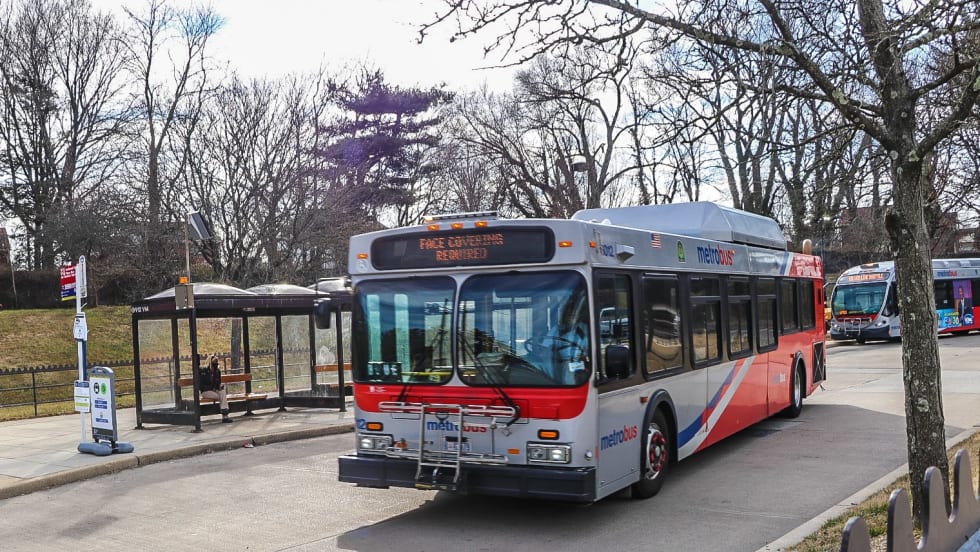
Report: Transit Bus Manufacturing Supports 34,100 Jobs, $5.1B in GDP
The “Buses Mean Business” report examines the transit bus manufacturing industry’s economic footprint, supply chain, and rising demand for vehicle replacements.
Read More →