



The people's choice
Americans would like to see an increasing proportion of passenger traffic going by rail.

If you didn’t see it, a recent Harris Poll indicated that Americans would like to see an increasing proportion of passenger traffic going by rail.
It’s pretty easy to see why rail is such a popular transportation mode with the American public: Trains help to take cars off the road, reducing traffic congestion and helping to clean the air. Buses accomplish the same task, of course.
Costs are escalating
Constructing new rail lines and putting more railcars into service is an expensive endeavor, however. It has been made more challenging by the fact that commodities such as steel and concrete are rising in price due to China’s massive construction needs.
As Senior Editor Janna Starcic details in her analysis of this year’s Top 50 Rail Projects (see story beginning on pg. 23), more than half of the projects on her list are being affected by rising costs. In some cases, those run-ups are creating delays in construction.
Existing rail lines are also feeling the pressure of rising fuel costs. In some cases, rail operators are instituting fare hikes to recover some of their overhead. With fuel prices still on the rise, that situation could get worse before it gets better.
It’s clear that transit is leading the charge as the most popular option for motorists who are willing to park their cars.
That puts the burden of providing a high quality, cost-efficient rail service squarely on the shoulders of transit properties. Anything other than top-notch service could drive customers back into their cars and onto already gridlocked highways.
Partnerships are key
To ensure that they’re providing the best possible service at the lowest possible cost, rail operators need to take advantage of opportunities to partner with the private sector.
As you’ll see in Managing Editor Joey Campbell’s story on the Massachusetts Bay Commuter Railroad (beginning on pg. 32), the privatization of the operations, management and maintenance of a public rail system can have strategic advantages.
Since a new contract agreement was cemented in 2003 that puts the Boston-based system in the hands of three private partners, it has seen steady ridership growth and equaled an all-time high in on-time performance in March.
But rail systems do not have to privatize their operations and management to squeeze the highest possible efficiency from their service. Whether they’re publicly or privately run, they need to work shoulder-to-shoulder with their vendors — rolling stock, signaling and communication, fare collection, track maintenance and security.
I’m not telling you anything you don’t know. Sometimes, however, a reminder that we should lean on our partners, and push them if necessary, can help to overcome any reluctance that might exist. With this great opportunity to convert motorists loyal to their cars into public transportation users loyal to the local bus or rail system, we need to fight as hard as we can to win the day.
More Management

ENC Lands MATA Contract and More in Biz Briefs
In this edition of Biz Briefs, we spotlight the latest developments shaping the future of mobility.
Read More →
From Surviving to Thriving: Building Stronger Transportation Organizations
Bus Business Consultants founder Brian Dickson shares lessons on leadership, organizational health, and creating options for long-term success in a changing transportation industry.
Read More →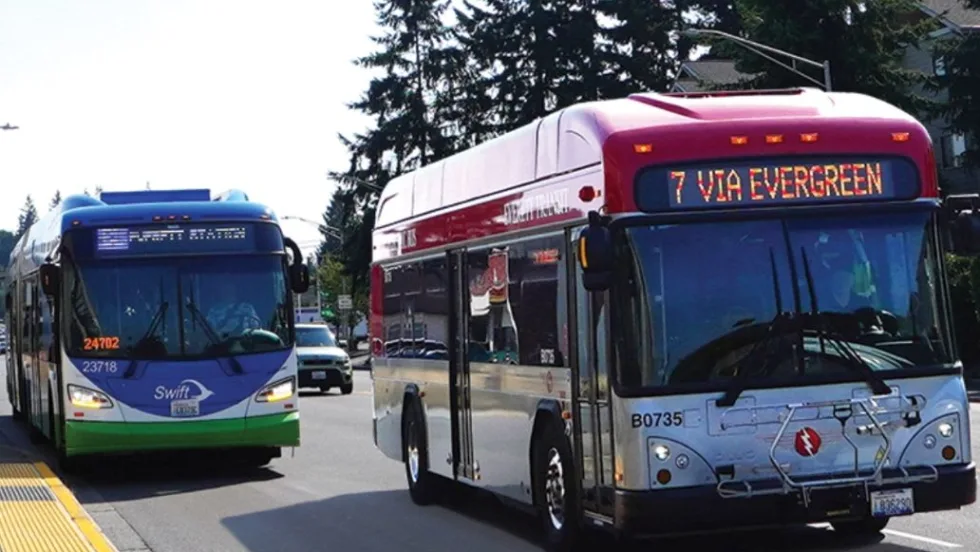
Everett Transit, Community Transit Outline Consolidation Agreement
The proposed agreement calls for a 50% increase in bus service in Everett, a new microtransit zone, continued paratransit service, and the transfer of Everett Transit operations to Community Transit.
Read More →

Strada360’s Steve Lassey on Turning Transit Data Into Better Decisions
From breaking down data silos to preparing for AI, Strada360 CEO Steve Lassey discusses how transit agencies can use technology to improve operations, customer information, and long-term decision-making.
Read More →
People Movement: Phil Washington Joins HNTB, Denver RTD Launches CEO Search, and More
In this edition, we also spotlight recent personnel moves at STV, the Eno Center for Transportation, and more, highlighting the people taking on new roles across the transportation industry.
Read More →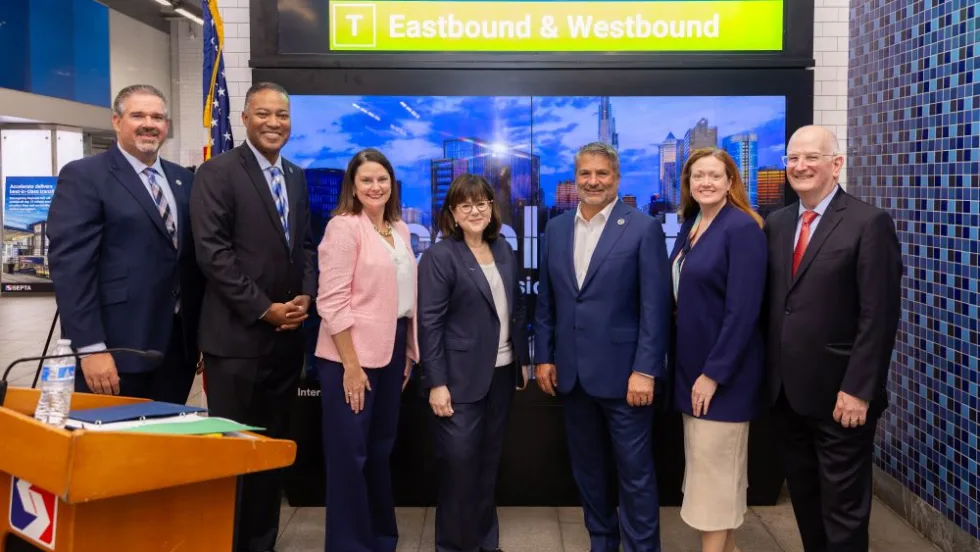
SEPTA Details Accelerate Vision for Transit System
The plan outlines investments in trolley modernization, new Metro and Regional Rail vehicles, accessible stations, and more frequent bus and rail service.
Read More →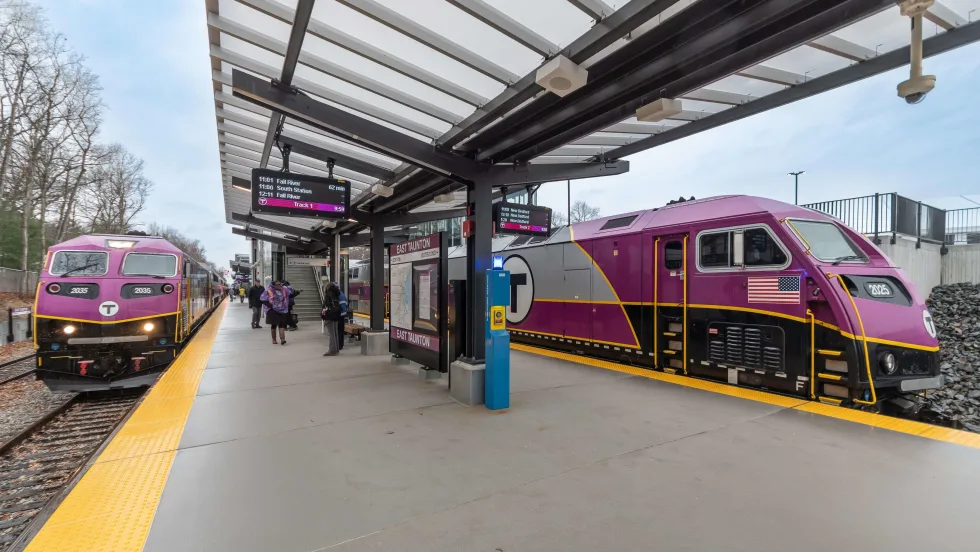
FTA Ends Direct Oversight of MBTA Safety Actions
The federal agency closed its remaining special directive to the Massachusetts Department of Public Utilities following a safety review that began in 2022.
Read More →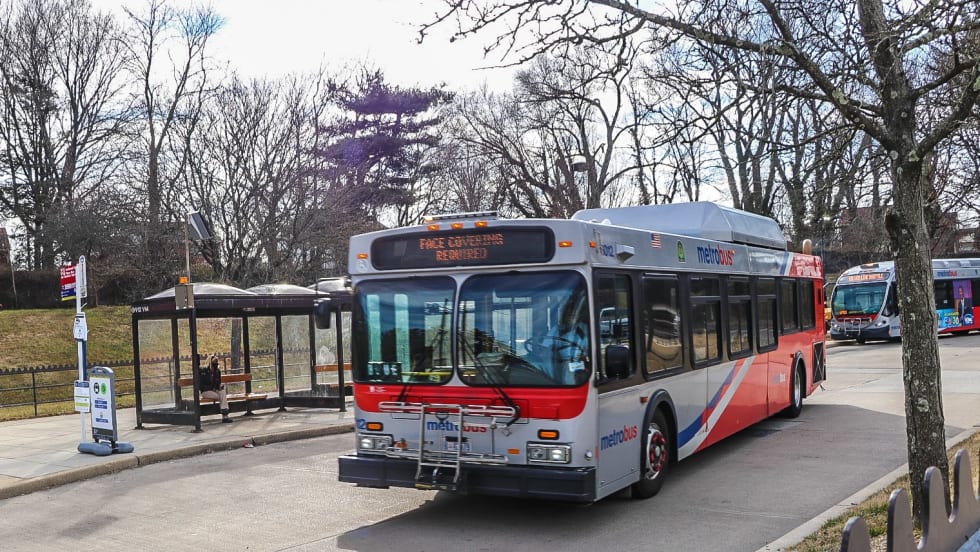
Report: Transit Bus Manufacturing Supports 34,100 Jobs, $5.1B in GDP
The “Buses Mean Business” report examines the transit bus manufacturing industry’s economic footprint, supply chain, and rising demand for vehicle replacements.
Read More →
LIT Marks 10-Year Milestone at Annual Summit
Hosted by the COTA from September 10 to 13, the Summit carried the theme “Celebrating 10 Years of Excellence, Leadership, and Impact,” with every part of the program honoring the people, agencies, and partners who built LIT over its first decade.
Read More →
People Movement: Dan Dipert Coaches Adds Third-Generation Leader, Keolis Names New Valley Metro VP/GM, and More
In this edition, we also cover recent appointments and announcements at the Wabtec, SilverRide, HNTB, and more, showcasing the individuals helping to shape the future of transportation.
Read More →