



The ugly, the bad and the good in public transportation
This is about the good, the bad and the ugly in public transportation, in reverse order so we can end on a high note.
This is about the good, the bad and the ugly in public transportation, in reverse order so we can end on a high note. This is ugly Ugly are those projects nobody needs. Sure, Fred’s agency down the street sucked up to the right pols and got the new 11.7-mile light rail line. A few folks will use it. It will cost more per ticket to build and run than farebox revenue. Fred really has no traffic problem in his small city, nor is one anticipated. Neither does Angela’s similar agency 15 miles down the road, but she has to keep up with the Freds. My favorite of this strange-project genre was the plan, wisely shelved, to put light rail in the Grand Canyon. Ah, I can see it all now. Donkey Serenade playing in the background, a little tootle-tootle on the whistle for the kiddies. The recorded narration just a beat behind the action. And what action. Little critters popping up behind rocks? Do we see a big set of mouse ears? Even though infirmities probably prevent me from a lifelong dream of the Grand Canyon donkey trip, that’s my tough luck. Some things just shouldn’t be messed with. And this is bad Bad is the unjustifiable extravagance exhibited at some industry conferences. These meetings often are at the best hotels, with the best food and drink and entertainment and lots of lavish gifts, awards and back-slapping, the stuff of Herbalife conventions. To send one transit official across country to attend a meeting costs, say, two years of bus fares for one rider (you can derive an infinite number of formulas for this). Some send 15 officials and the thank-you trip for the board members. Nice perk. Great party. Didn’t need it. Too tired from day full of seminars. The real concern here, beyond the wasted tax dollars, is that many of the less endowed transit agencies can’t afford to send even one member to some of these meetings. That’s especially regrettable because these often are the agencies that would benefit most from the educational programs. Okay, I was at the party with you. I gladly ate—gluttony is more appropriate—your shrimp cocktails and tenderloin medallions. However, I am a couple of steps removed from this, in private enterprise. I’m a transportation-industry bottom-feeder, really. Too much food. Five days too long. Need go home. But you’re also good When you are good you are very, very good. That’s the adoption of paratransit, the biggest revolution in our industry. Not without continuing struggle, with some kinks to be worked out, but the commitment is there. Listen to a hard-nosed, experienced transit official talk about what he’s done for the elderly, the infirm, how he’s helped. The official may have fought paratransit a decade ago but now embraces it, as does the nation, as it should. It makes us human. Watch the transit official stand up straight and talk about the proud, local paratransit program. I’ve seen their tears a number of times. We are graying. You, bless your little souls, were among the first to recognize it and do something about it.
More Management

Bus Tech Talk: Keeping Transit Technicians Ahead of the Technology Curve
In this episode of Bus Tech Talk, Complete Coach Works’ Business Development Manager Mark Hollenbeck and METRO’s Executive Editor Alex Roman sit down with Obed Mejia, Senior Technical Trainer for Bus Maintenance, at LA Metro to discuss how rapidly evolving bus technology is changing the maintenance shop — and the skills technicians need to keep pace.
Read More →
Michael Schneider Joins Paslay Group to Expand Transportation Practice
The longtime transportation executive will help Paslay Group grow its advisory and program management work across transit, highway, and other infrastructure sectors.
Read More →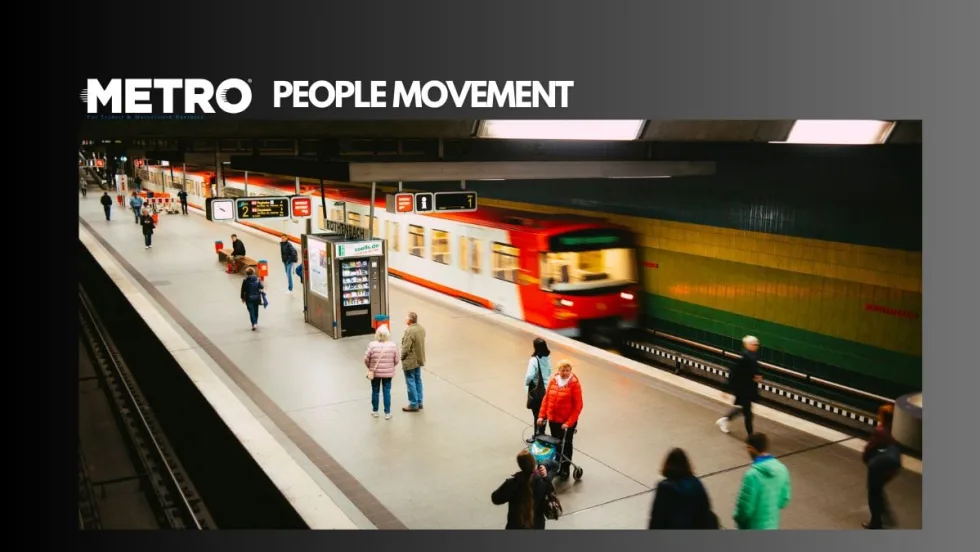
People Movement: Connectpoint Expands Leadership Team, Stadler Names New Group CEO, and More
In this edition, we also spotlight recent personnel moves at Burns, UZURV, and more, highlighting the people taking on new roles across the transportation industry.
Read More →
More Than a Summer Job: Building the Next Generation of Transit Talent
The Delaware River Port Authority and PATCO have transformed their internship program into a hands-on professional development experience that introduces students to the breadth of transportation careers — and creates a pipeline for future employees.
Read More →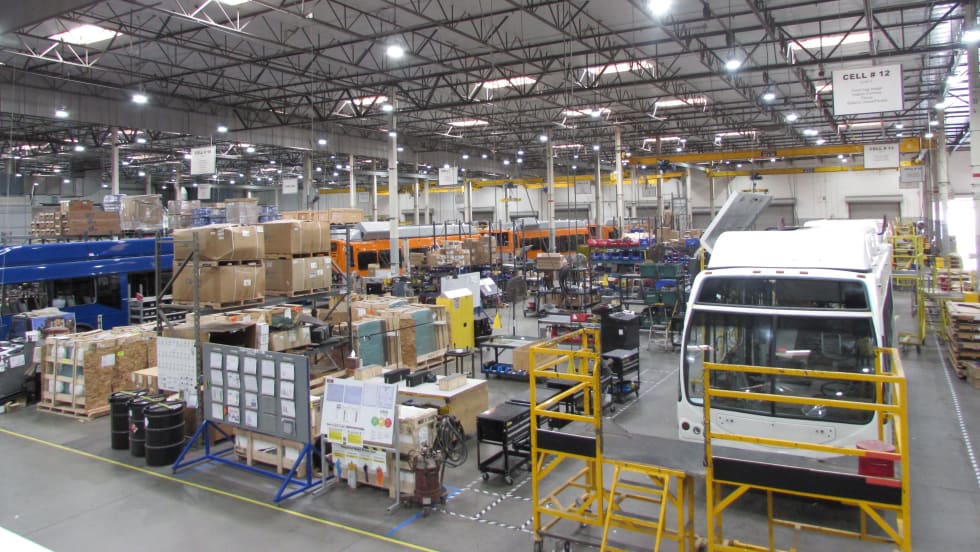
LA Metro Board Awards 220 Battery-Electric Bus Contract to ENC
The contract, which is the largest base award of battery-electric buses by a U.S. transit agency, will be built in Southern California, sustaining good jobs as LA prepares to welcome the world in 2028
Read More →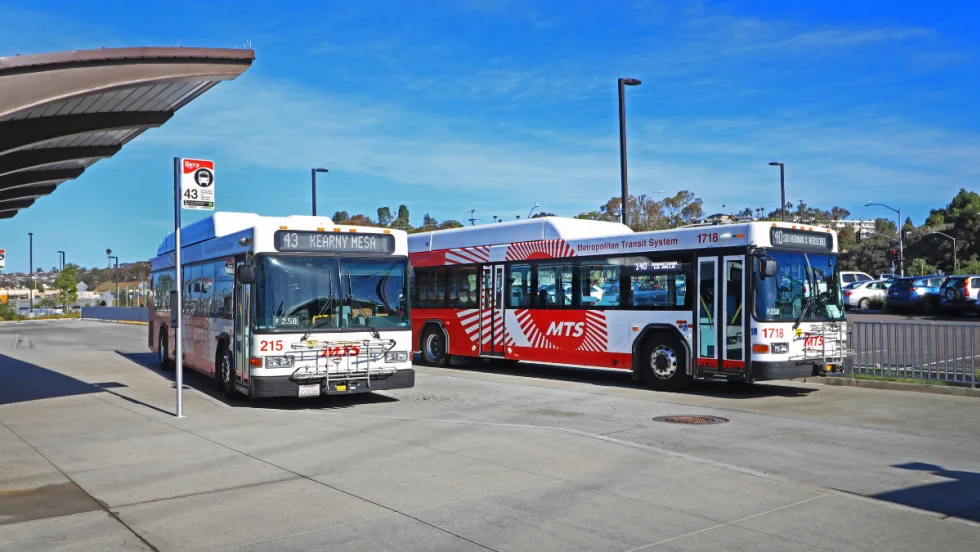
What’s Behind San Diego MTS’s Award-Winning Transit Strategy
Named one of APTA’s 2026 Outstanding Public Transportation Systems with 50 million or more annual passenger trips, California’s San Diego Metropolitan Transit System points to gains in ridership, safety, technology, and reliability as foundations of its success.
Read More →
Public Transit Conference Returning to GFX in 2027, Call for Papers Now Open
The Call for Papers is now open, allowing transit agency professionals and industry experts to help shape the PTC educational program by submitting session ideas for consideration.
Read More →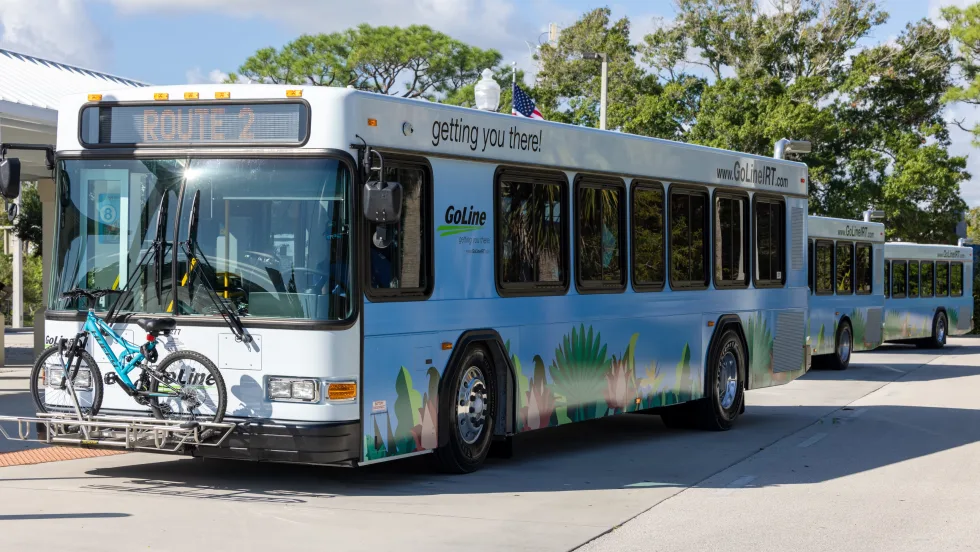
Indian River Transit’s Community-Focused Approach Earns National Recognition
Named APTA’s 2026 Outstanding Public Transportation System in its size category, Florida’s Indian River County transit system continues to grow ridership through fare-free service and a focus on evolving community needs.
Read More →
ENC Lands MATA Contract and More in Biz Briefs
In this edition of Biz Briefs, we spotlight the latest developments shaping the future of mobility.
Read More →From Surviving to Thriving: Building Stronger Transportation Organizations
Bus Business Consultants founder Brian Dickson shares lessons on leadership, organizational health, and creating options for long-term success in a changing transportation industry.
Read More →