



To blog or not to blog
Is it time your transit agency started its own blog?
That seems to be the question these days. It’s become quite fashionable for individuals, organizations and commercial enterprises to use blogs to communicate with the rest of the world.
For those of you who haven’t been following this phenomenon, a blog is a web-based journal that allows its readers to post comments about the entries. The best blogs are updated frequently and provide useful information and personal insights, rather than hot air and happy talk.
Some transit systems, most notably the Chicago Transit Authority (CTA), have taken on the challenge of publishing blogs. If you’re interested in how the CTA is reaching its customers through its blog, written by CTA Chair Carole Brown, visit http://ctachair.blogspot.com/. The blog is called “Ask Carole” and was launched this past spring to update CTA customers on the agency’s finances.
A brave, new whirl
First off, I’d like to commend Carole for her willingness to put herself on the hot seat. As she puts it in a recent post: “People often ask me why I have a blog. Why would I want to have my name and picture out there for people to take pot shots at? Am I crazy?”
I can’t pretend to know about Carole’s mental stability, but I do know that people have taken pot shots at her. Lots of them.
One respondent chastised her for “manipulating public opinion by whipping every issue into a crisis.” Another accused her of “setting a pace to be the biggest squanderer of CTA assets in CTA history.”
Sometimes, the comments are more direct and specific: “Can you tell me why it is that I had to wait 20 minutes for a train last night?”
But Carole has also received some highly informed comments from Chicago transit users who obviously are more interested in improving the service than carping about its inadequacies. And she’s also gotten several compliments about her willingness to suffer the public’s wrath and respond to many of the complaints about the CTA.
Is blogging for you?
So, should all transit systems offer up one of their board members or top executives as a blogger? That’s a tough question. I solicited input on this topic and discovered that many agencies have shied away from starting a blog because of the potential for attracting highly public criticism, both founded and unfounded.
At one agency, an electronic bulletin board was created to answer questions about its paratransit service. “I found that statements were taken out of context and used against the transit authority in other forums,” the marketing manager said. In fact, some of the criticism contained in the forum was cut and pasted into a letter of complaint to the Federal Transit Administration. “That did not sit well with me at all,” he added.
If you’re going to start a blog, you need to do it for the right reasons. It shouldn’t be deployed as a marketing tool to sway public opinion. That’s a certain road to failure.
And you need to be prepared to invest a significant amount of time and energy. You can’t just post a note about, say, the need to cut service and not expect a slew of complaints, some of which will require a response. If you’re going to have a high-level executive maintain the blog, he or she should be the one to shape the content. Staff members may handle the actual phrasing and posting of notices, but they shouldn’t be the de facto blogger.
Your riders have a wealth of great ideas about how to improve the service. Some of them are far too costly to implement; others might be worth some serious consideration. A blog can be an excellent tool to solicit feedback about the quality of your service. Just be prepared, the rants will far outnumber the raves. It doesn’t mean you’re not doing a good job; it means that people are, well, people.
More Management

ENC Lands MATA Contract and More in Biz Briefs
In this edition of Biz Briefs, we spotlight the latest developments shaping the future of mobility.
Read More →
From Surviving to Thriving: Building Stronger Transportation Organizations
Bus Business Consultants founder Brian Dickson shares lessons on leadership, organizational health, and creating options for long-term success in a changing transportation industry.
Read More →
Everett Transit, Community Transit Outline Consolidation Agreement
The proposed agreement calls for a 50% increase in bus service in Everett, a new microtransit zone, continued paratransit service, and the transfer of Everett Transit operations to Community Transit.
Read More →

Strada360’s Steve Lassey on Turning Transit Data Into Better Decisions
From breaking down data silos to preparing for AI, Strada360 CEO Steve Lassey discusses how transit agencies can use technology to improve operations, customer information, and long-term decision-making.
Read More →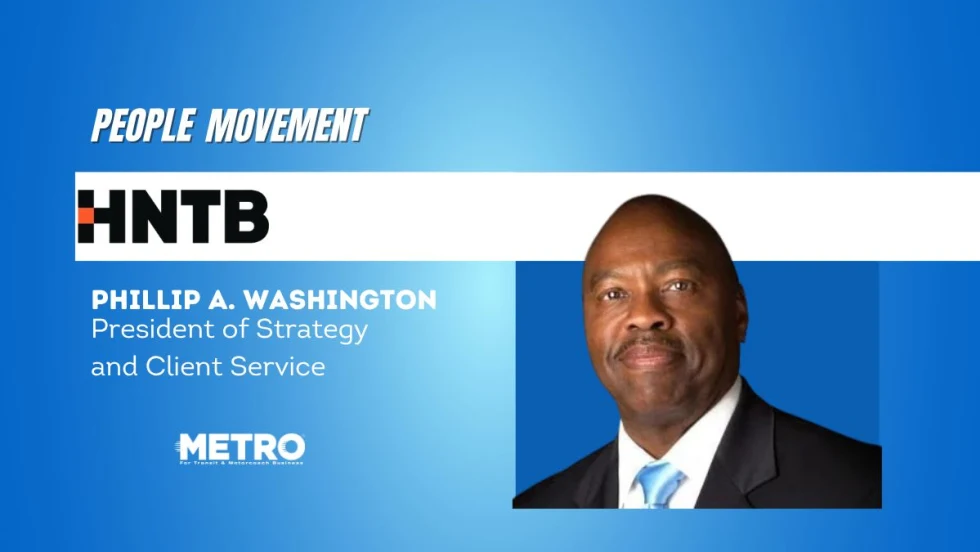
People Movement: Phil Washington Joins HNTB, Denver RTD Launches CEO Search, and More
In this edition, we also spotlight recent personnel moves at STV, the Eno Center for Transportation, and more, highlighting the people taking on new roles across the transportation industry.
Read More →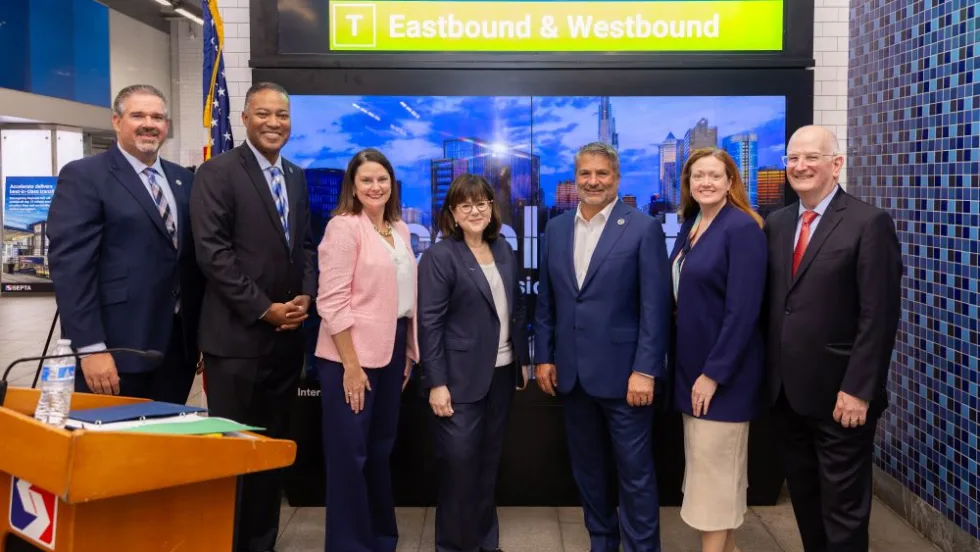
SEPTA Details Accelerate Vision for Transit System
The plan outlines investments in trolley modernization, new Metro and Regional Rail vehicles, accessible stations, and more frequent bus and rail service.
Read More →
FTA Ends Direct Oversight of MBTA Safety Actions
The federal agency closed its remaining special directive to the Massachusetts Department of Public Utilities following a safety review that began in 2022.
Read More →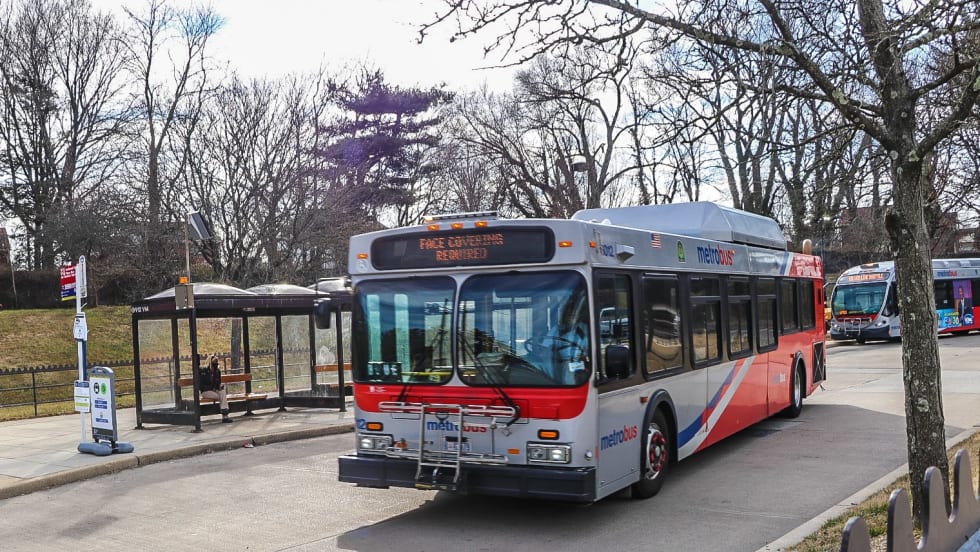
Report: Transit Bus Manufacturing Supports 34,100 Jobs, $5.1B in GDP
The “Buses Mean Business” report examines the transit bus manufacturing industry’s economic footprint, supply chain, and rising demand for vehicle replacements.
Read More →
LIT Marks 10-Year Milestone at Annual Summit
Hosted by the COTA from September 10 to 13, the Summit carried the theme “Celebrating 10 Years of Excellence, Leadership, and Impact,” with every part of the program honoring the people, agencies, and partners who built LIT over its first decade.
Read More →
People Movement: Dan Dipert Coaches Adds Third-Generation Leader, Keolis Names New Valley Metro VP/GM, and More
In this edition, we also cover recent appointments and announcements at the Wabtec, SilverRide, HNTB, and more, showcasing the individuals helping to shape the future of transportation.
Read More →