



Tour Operators Zeroing in on Baby Boomer Market
One way operators are attracting this burgeoning market is by developing trips that are patterned after cruise ship vacations, where passengers have a choice of activities to take part in during the day before meeting up with the rest of their group at night.
The age-old adage of “the customer is always right” is especially true in the motorcoach tour industry where it pays to listen to customers and find out what interests them.
“Customer feedback is very important when developing tours,” says Sue Arko of Free Spirit Vacations. “It helps you understand what people enjoy or don’t enjoy about the tours you provide, which helps you to fine tune.”
Robert Hoelscher, president of Western Tours in St. Louis, says experience and research play a significant role in the development and refinement of tours. “I’ve been doing this for 37 years so I know what’s in all the areas, but that doesn’t mean you can use all the information you got 10, 15 years ago,” he explains.
To make sure that he is up to date, Hoelscher says he visits the hotels, restaurants and driving routes that are frequently used for tours. He also spends time in areas where new tours are developed and refuses to take anybody’s word when it comes to developing those trips. “Sometimes when you go to these trade shows, people will swear up and down that their area is the best,” he says. “In the end, it’s best to go see for yourself.”
Active demographic
The bread and butter of the motorcoach industry has long been the senior citizen market. Students from kindergarten all the way through college have also been a stable customer demographic for the industry, using motorcoaches for everything from field trips to school or group associated vacations.
However, the development of new tours has taken a different turn recently, as tour operators have begun to develop trips devised to attract the more active, social and burgeoning baby boomer market. “Our clientele is changing, and we’re trying to meet those demands and desires,” says Randy Julian, president of the National Travel Association (NTA). “There’s a much bigger move toward experiential travel, where people really get a feel and a flavor and maybe actually take part in activities that are unique to that location.”
One way tour operators are meeting these new needs is to develop tours based on the cruise ship model.
Western Tours, which specializes in tours of America’s national parks, such as Yosemite, has set up trips that offer passengers a choice of activities they can take part in during the day before meeting up at night with the rest of their group.
“They can go river rafting, horseback riding, fishing or whatever they are interested in doing that day, then get together with the rest of the group for dinner or cocktails and compare notes,” Hoelscher says. He adds that in the future his operation is moving more toward longer stays at a central location as opposed to “on the bus, off the bus tours.”
“You have to have specialized people on hand that can do these sorts of things, and resort properties, which at this point we’re primarily looking at, have those types of resources available to pull off these trips,” says Hoelscher.
Free Spirit’s Arko explains that she has set up two annual trips patterned after cruise ship vacations — “Winter Break” in Laughlin, Nev., and “Celebrate Life” in Tunica, Miss. — where customers can choose from several activities, including wine tasting, fitness activities, gaming lessons or cooking classes, that are doing quite well. In fact, in January of this year, Arko’s fifth annual Winter Break attracted more than 5,000 people.
“Guests used to choose the tried-and-true traditional motorcoach tour with lots of sightseeing. They socialized with others in the coach and were not too anxious to try new things,” says Arko, whose operation caters to the 50-plus age group. “Now I feel that this age group wants choices. They don’t want a strict schedule. They want to socialize with the locals from the destination. They want a new experience.”
Offer options
The new development of tours catering to the baby boomer generation doesn’t necessarily mean that traditional tours are being phased out. “I don’t think that they’ll ever disappear completely, because there’s always going to be demand for some people to see as much as possible in a short period of time,” says Hoelscher. He adds that since most Americans are taking less lengthy vacations, the appeal of shorter, weekend motorcoach tours enable them to possibly take several each year.
“What’s looming in many tour operators’ minds is that package travel in general, whether it involves a motorcoach or not, has a lot of elements that are very appealing to the aging baby boomer generation,” says NTA’s Julian regarding the current marketing and tour development focus. “The security and camaraderie are traditional hallmarks of group package travel, but convenience is a very important characteristic that bodes very well for this industry.”
Julian adds that this scramble to develop tours now for the baby boomer generation is based on generating their interest in motorcoach travel before they reach the industry’s peak age. He also says that the baby boomers will change the way people travel as they move into more specialized groups.
“The key is like-mindedness,” Julian says. “They don’t mind hooking up with people from different parts of the country who they don’t know, so long as there’s a common interest denominator; that’s the key.”
More Management

ENC Lands MATA Contract and More in Biz Briefs
In this edition of Biz Briefs, we spotlight the latest developments shaping the future of mobility.
Read More →
From Surviving to Thriving: Building Stronger Transportation Organizations
Bus Business Consultants founder Brian Dickson shares lessons on leadership, organizational health, and creating options for long-term success in a changing transportation industry.
Read More →
Everett Transit, Community Transit Outline Consolidation Agreement
The proposed agreement calls for a 50% increase in bus service in Everett, a new microtransit zone, continued paratransit service, and the transfer of Everett Transit operations to Community Transit.
Read More →

Strada360’s Steve Lassey on Turning Transit Data Into Better Decisions
From breaking down data silos to preparing for AI, Strada360 CEO Steve Lassey discusses how transit agencies can use technology to improve operations, customer information, and long-term decision-making.
Read More →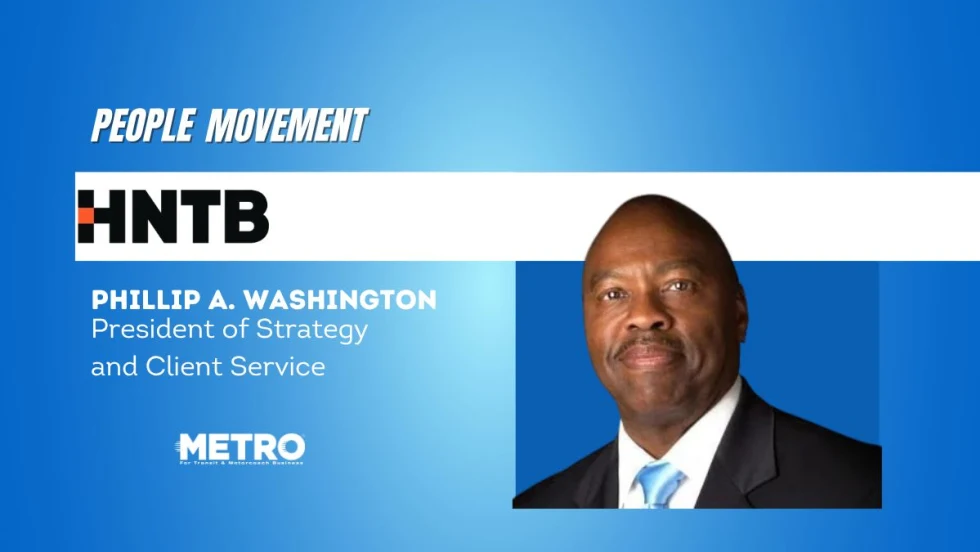
People Movement: Phil Washington Joins HNTB, Denver RTD Launches CEO Search, and More
In this edition, we also spotlight recent personnel moves at STV, the Eno Center for Transportation, and more, highlighting the people taking on new roles across the transportation industry.
Read More →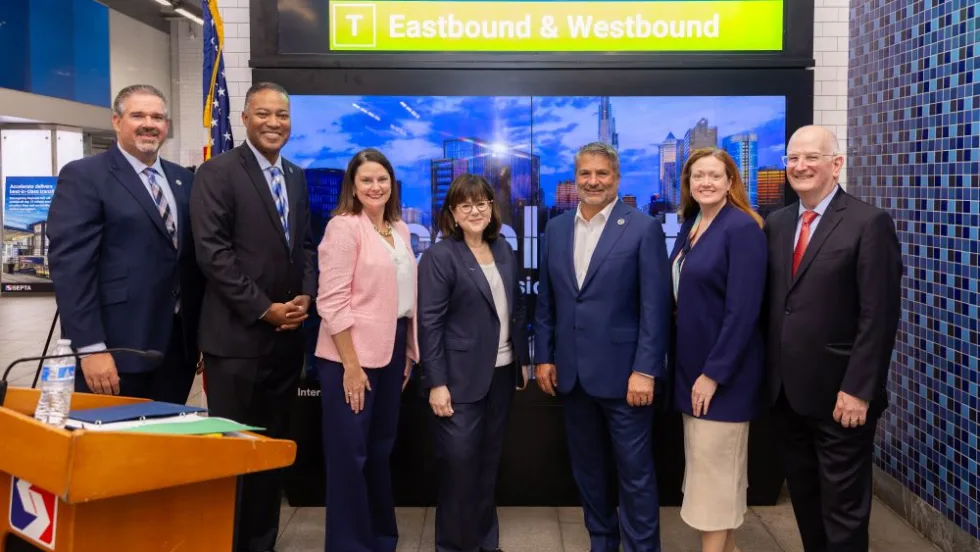
SEPTA Details Accelerate Vision for Transit System
The plan outlines investments in trolley modernization, new Metro and Regional Rail vehicles, accessible stations, and more frequent bus and rail service.
Read More →
FTA Ends Direct Oversight of MBTA Safety Actions
The federal agency closed its remaining special directive to the Massachusetts Department of Public Utilities following a safety review that began in 2022.
Read More →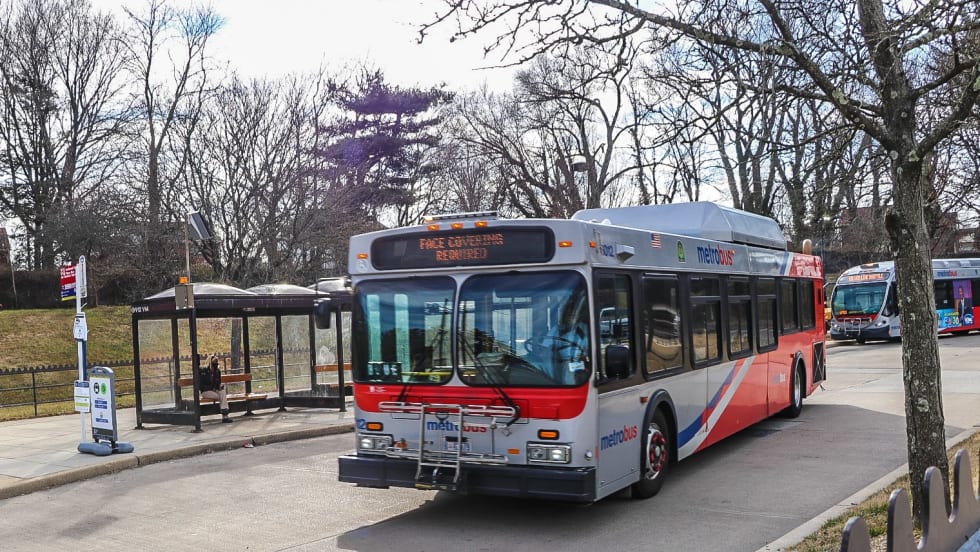
Report: Transit Bus Manufacturing Supports 34,100 Jobs, $5.1B in GDP
The “Buses Mean Business” report examines the transit bus manufacturing industry’s economic footprint, supply chain, and rising demand for vehicle replacements.
Read More →
LIT Marks 10-Year Milestone at Annual Summit
Hosted by the COTA from September 10 to 13, the Summit carried the theme “Celebrating 10 Years of Excellence, Leadership, and Impact,” with every part of the program honoring the people, agencies, and partners who built LIT over its first decade.
Read More →
People Movement: Dan Dipert Coaches Adds Third-Generation Leader, Keolis Names New Valley Metro VP/GM, and More
In this edition, we also cover recent appointments and announcements at the Wabtec, SilverRide, HNTB, and more, showcasing the individuals helping to shape the future of transportation.
Read More →