



Transit agencies peddle used vehicles, parts online
New York City Transit and Milwaukee County Transit System are two of the first public transportation authorities to increase revenue by selling used vehicles and equipment to buyers on the Internet.
In recent years, transit authorities have sought to boost revenue by selling souvenirs and offering special deals on their Websites. Several agencies, including the Chicago Transit Authority and the Greater Cleveland Regional Transit Authority, have created online stores on their Websites offering hats, shirts, books and posters. Now, online sales are moving into a new phase. A handful of transportation authorities have taken out-of-service vehicles, spare parts, signs and other used pieces of their infrastructure and begun pushing them as memorabilia on their Websites or at third-party online auction houses. Selling the retired items provides both a source of extra income and a legitimate outlet for disposing of potentially unwieldy leftover materials. Everything but the sink New York City Transit (NYCT) has been particularly dedicated to the practice, selling out-of-use odds and ends as collectibles. Items for sale include parts from NYCT’s retired fleet of Redbird subway cars and benches recently decommissioned from the Lexington Avenue subway line. According to the NYTC Website, www.mta.nyc.ny.us/nyct/ the new sales program is “designed especially for buyers interested in acquiring a little bit of [NYCT’s] history.” Station signs, doors, gauges, fareboxes, lighting fixtures, vintage tokens, subway car handholds, seats and horns are among the various salvaged parts marketed as memorabilia. “Normally this material would be put in scrap containers and sold for scrap material,” says Mike Zacchea, assistant chief operating officer for NYCT. But this is not the first creative method of discarding old equipment used by the authority. NYCT has also donated leftover subway cars to several state governments to be dumped into the Atlantic Ocean with the purpose of forming artificial reefs. In fact, NYCT has dropped more than 1,000 subway cars in waters off Delaware, Virginia, South Carolina and Georgia over the past two years. Still, the memorabilia and collectibles sales program has been more profitable, pulling in approximately $40,000 between March and October. Hawk it on eBay Others have turned to eBay for help in getting rid of used equipment. A cursory search through the site’s pages reveals dozens of buses, trolleys, train cars and transit-related novelties offered by private sellers. Transit agencies are now getting in on the act. Milwaukee County Transit System (MCTS) placed a 1985-model trolley tour bus made by Chance Coach on eBay Oct. 1. The opening bid was $10,000 and, after 10 days and 31 bids, the trolley finally sold to a non-transit business for $35,100. The trolley, which had been used in special service for years in the Milwaukee area, had approximately 113,500 miles and was described as being in above average condition. The eBay listing for the vehicle contained specifications, pictures and terms of sale requirements. Says Joe Caruso, marketing director for MCTS, “This was the first of three vehicles we plan to sell on eBay. We want to confirm the sale and follow up before we sell the next one.” Caruso says transit agencies typically use a finite number of methods to get rid of out-of-service vehicles but that online auctioning could become a viable option. “We have experimented with eBay before by selling a bus engine, and it made revenue we normally wouldn’t get,” he says.
More Management
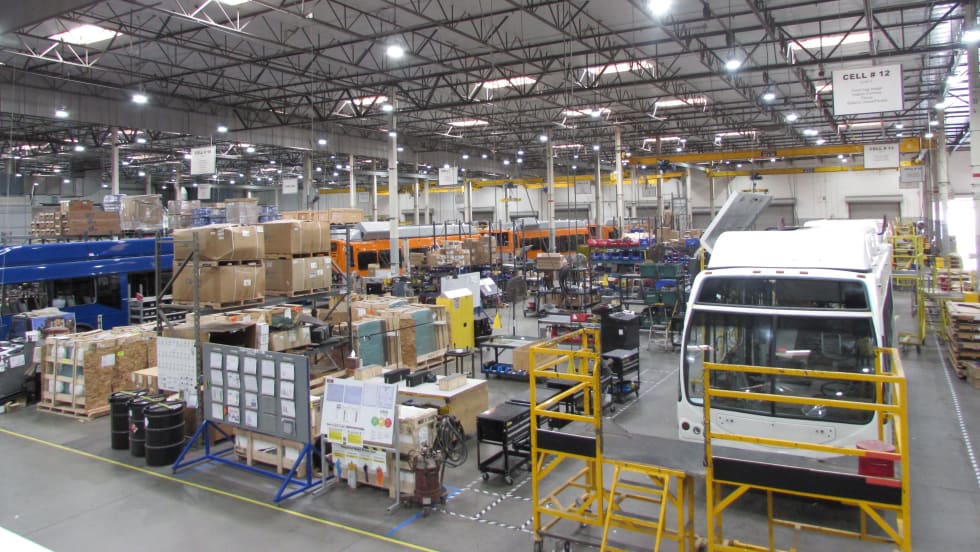
LA Metro Board Awards 220 Battery-Electric Bus Contract to ENC
The contract, which is the largest base award of battery-electric buses by a U.S. transit agency, will be built in Southern California, sustaining good jobs as LA prepares to welcome the world in 2028
Read More →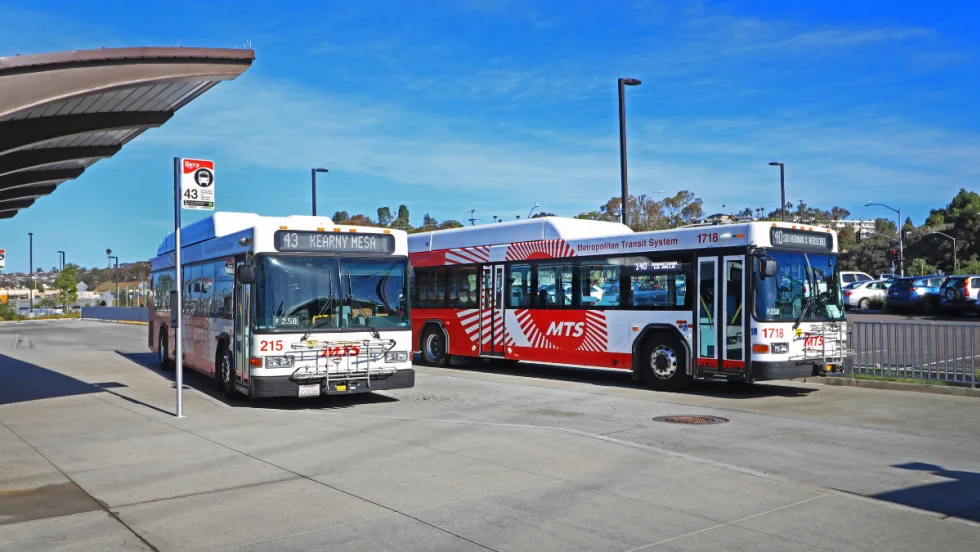
What’s Behind San Diego MTS’s Award-Winning Transit Strategy
Named one of APTA’s 2026 Outstanding Public Transportation Systems with 50 million or more annual passenger trips, California’s San Diego Metropolitan Transit System points to gains in ridership, safety, technology, and reliability as foundations of its success.
Read More →
Public Transit Conference Returning to GFX in 2027, Call for Papers Now Open
The Call for Papers is now open, allowing transit agency professionals and industry experts to help shape the PTC educational program by submitting session ideas for consideration.
Read More →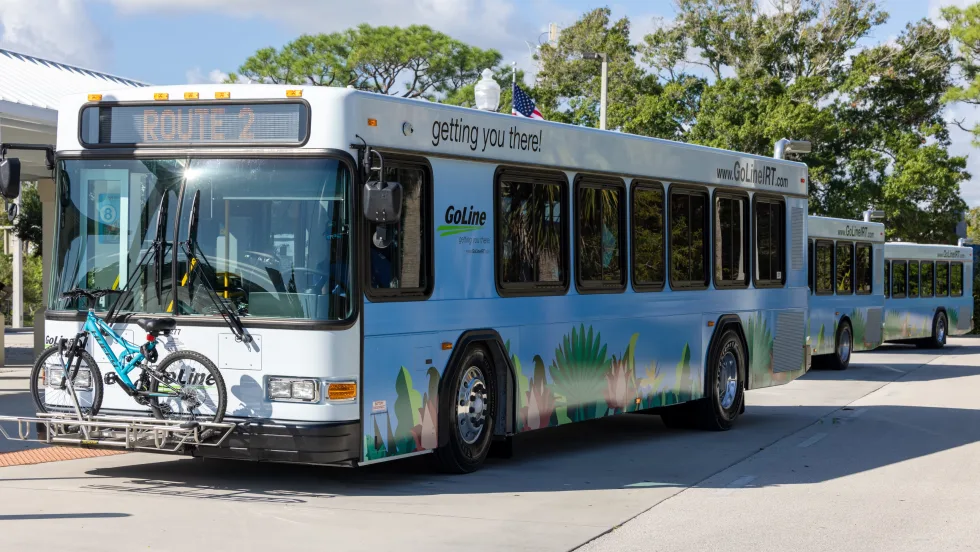
Indian River Transit’s Community-Focused Approach Earns National Recognition
Named APTA’s 2026 Outstanding Public Transportation System in its size category, Florida’s Indian River County transit system continues to grow ridership through fare-free service and a focus on evolving community needs.
Read More →
ENC Lands MATA Contract and More in Biz Briefs
In this edition of Biz Briefs, we spotlight the latest developments shaping the future of mobility.
Read More →
From Surviving to Thriving: Building Stronger Transportation Organizations
Bus Business Consultants founder Brian Dickson shares lessons on leadership, organizational health, and creating options for long-term success in a changing transportation industry.
Read More →
Everett Transit, Community Transit Outline Consolidation Agreement
The proposed agreement calls for a 50% increase in bus service in Everett, a new microtransit zone, continued paratransit service, and the transfer of Everett Transit operations to Community Transit.
Read More →
Strada360’s Steve Lassey on Turning Transit Data Into Better Decisions
From breaking down data silos to preparing for AI, Strada360 CEO Steve Lassey discusses how transit agencies can use technology to improve operations, customer information, and long-term decision-making.
Read More →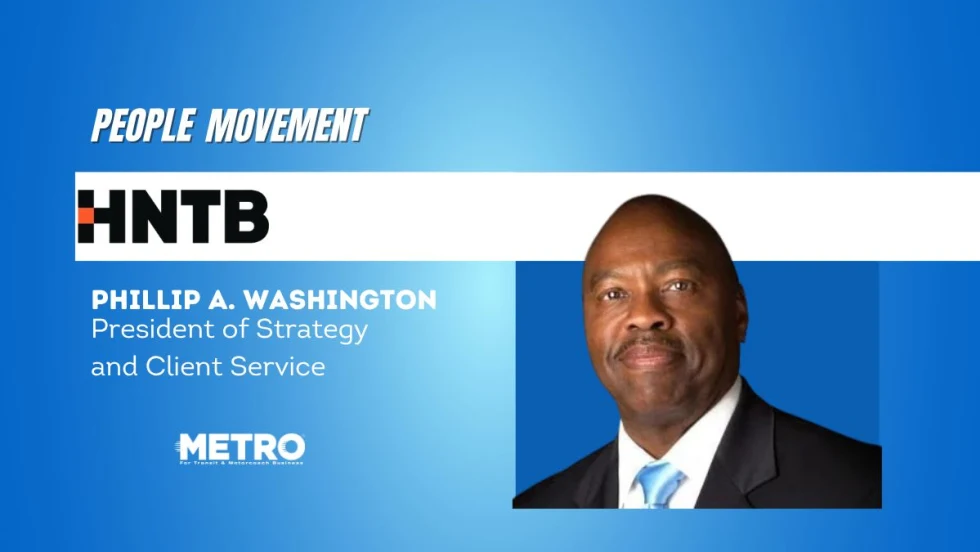
People Movement: Phil Washington Joins HNTB, Denver RTD Launches CEO Search, and More
In this edition, we also spotlight recent personnel moves at STV, the Eno Center for Transportation, and more, highlighting the people taking on new roles across the transportation industry.
Read More →
SEPTA Details Accelerate Vision for Transit System
The plan outlines investments in trolley modernization, new Metro and Regional Rail vehicles, accessible stations, and more frequent bus and rail service.
Read More →