



Transit agency gives riders something to watch
TVs on UTA buses run local news and weather clips, ads and old TV shows, while one side of the screen shows a real-time travel bar that lets passengers know of the buses' progress and upcoming stops.

Passengers on two of the Utah Transit Authority's (UTA) fixed-route buses can now enjoy some laughs watching I Love Lucy reruns during their ride, courtesy of TVs installed for a pilot program.
The Transit Television Network (TTN), based in Orlando, Fla., provided UTA with flat-panel television screens for the program, which was scheduled to last through November. "Rather than just jump into it, we wanted to test it out on a couple of buses on a route where we could measure customer response," says Clair Fiet, UTA's chief technology officer.
Improving transit's image
The TVs are part of UTA's plans to improve riding conditions for its passengers and the public's perception of transit. "We're looking for ways to improve the image of our bus system," Fiet says. "This just seemed like a win-win situation."
The 10-week pilot will give UTA time to gather opinions from riders and make a decision on whether its entire fleet will be outfitted with the TVs, or if the systems will be removed. Initial responses to the idea weren't positive. "When we first announced it in the newspapers, we got a flurry of negative responses," Fiet says. "And then we implemented the system, and immediately we started getting e-mail from people who were riding the buses saying, 'What a great idea.'"
Building a media package
TTN's television sets do not play standard television, but receive pre-selected feeds from a PC on the vehicle. "On a daily basis, TTN takes media feeds from here and there — even local information like weather and local news — and builds it into a media package," Fiet says. The media information is then sent to a UTA server where it is stored. While a bus is fueling, it downloads the information via a wireless connection and stores it on a PC installed in the vehicle.
TTN controls the media played, but agencies using its system can provide the company with advertising and media regulations that must be followed when the media packages are being compiled. Each system runs local news and weather clips, ads and old TV shows in a one-hour loop, with 18 minutes of sound every hour. In addition, one side of the screen shows a real-time travel bar that lets passengers know of the bus' progress and its upcoming stop.
According to Fiet, UTA is negotiating the content of the media played and the volume at which the TV sets can be played. Sound is sometimes lost on the bus for a variety of reasons, and TTN has found that certain aspects of the media feed can be made silent to avoid sound transmission problems. Fiet adds that the possibility of continuous sound from the TVs was a big concern for riders who enjoyed the quiet of the bus. Though UTA hasn't received complaints about the sound since the TVs were installed, the agency feels it might be bombarding passengers with the small amount of sound that is already put out. Also, eliminating all sound will be easier on operators who must hear the feed during their entire shift. Feedback from UTA and other agencies using the equipment is helping TTN develop a separate silent-feed business plan.
Equipment is free
If UTA decides to retrofit its entire fleet, TTN will provide the equipment, installation and maintenance for free. If the TVs are well received, UTA could possibly receive a share of TTN's profits made from its advertisers. Before UTA began the pilot program, it was in touch with Chicago's PACE and the Milwaukee County Transit System, both of which have the system installed in their fleets. Fiet says that contact is what kept hopes high at UTA in regards to the project, despite initial rider resistance.
More Management

COTA Launches First Customer Experience Action Plan to Improve Transit Service
The new plan outlines improvements to service reliability, accessibility, communication, and the overall rider experience across Central Ohio's transit system.
Read More →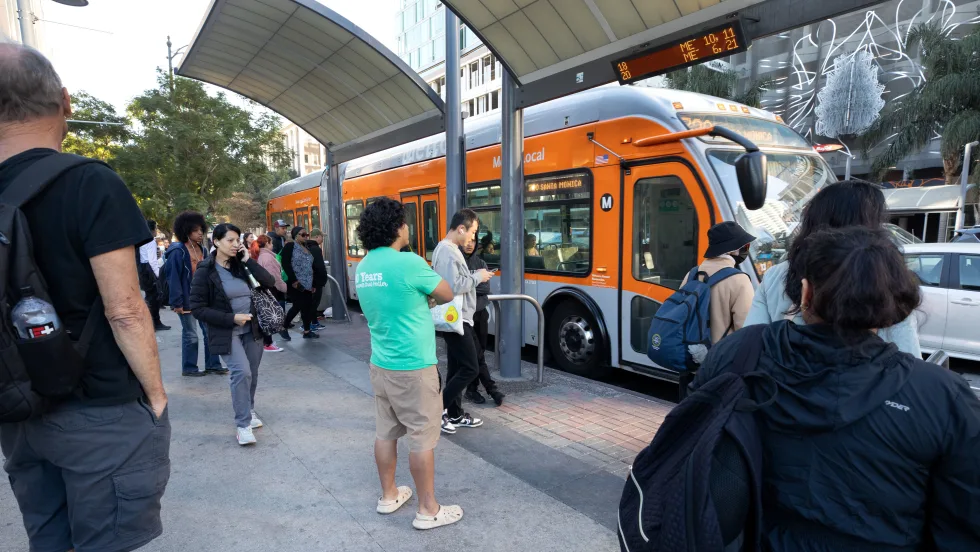
LA Metro September Ridership Climbs 3.9%, Led by Rail Growth
The agency recorded more than 27.2 million boardings, with rail ridership increasing 12.4% year over year and the D Line posting the largest gains.
Read More →
Utilimarc Launches SmartReplace to Optimize Fleet Replacement Decisions
AI-powered SmartReplace helps fleets prioritize vehicle replacements, model budget scenarios, and build more defensible long-term strategies.
Read More →
APTA Honors 2026 Award Winners, Hall of Fame Inductees at TRANSform & EXPO
Innovations in autonomous and zero-emission transportation, standout transit systems, and industry leadership took center stage among this year's honorees.
Read More →
7 Ways to Build a Better Transit Internship Program
Lessons from DRPA/PATCO’s approach to creating a meaningful internship experience—and developing the next generation of transportation professionals.
Read More →
Scenes from APTA TRANSform & EXPO 2026
Transit leaders, manufacturers, and industry professionals gathered in Chicago to explore new technologies, share ideas, and discuss the future of public transportation.
Read More →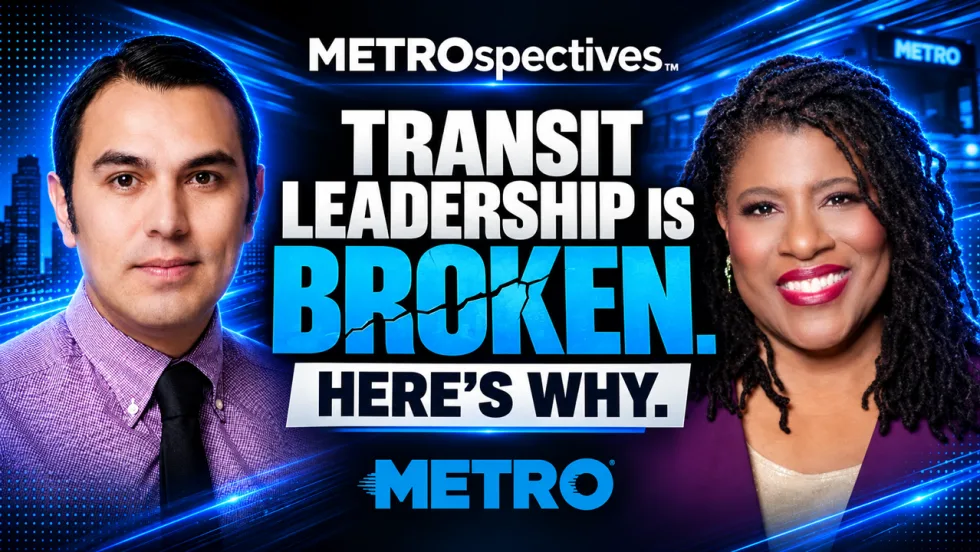
Building Stronger Leaders, More Resilient Transit Teams
Dr. Carol Parker Walsh discusses leadership development, employee retention, workplace culture, and preparing transit’s workforce for AI and automation.
Read More →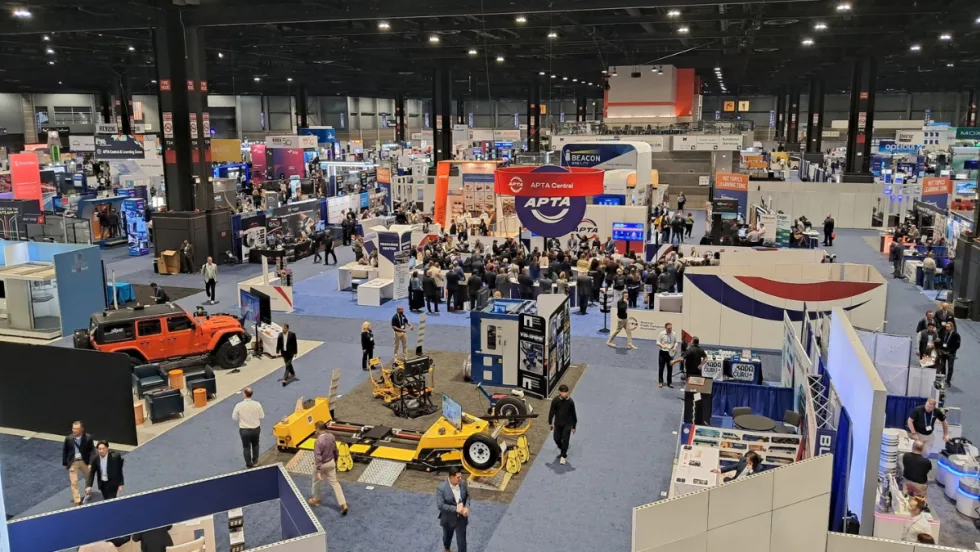
APTA 2026 TRANSform & EXPO Kicks Off in Chicago
After 45 years, APTA returns to Chicago with a focus on next-generation fleets, AI, connected transit networks, and the funding strategies shaping public transportation’s future.
Read More →
New York MTA Warns Federal Tariffs Could Add $1 Billion to Rolling Stock Costs
The agency said tariffs on specialized imported components could reduce the purchasing power of its $23 billion investment in new subway cars, railcars, and buses.
Read More →
From the Show Floor: What Happened at APTA TRANSform & EXPO 2026
See the latest product launches, partnerships, technology updates, and transit industry announcements from APTA TRANSform & EXPO in Chicago.
Read More →