



Transit officials address complexity of trying to create diverse workforce
Creating a more diverse workforce within an accepting, respectful business environment was discussed during an APTA Webinar.

Transit officials are seeking ways to include a broader range of employees in their organizations that more accurately reflects the makeup of the surrounding communities and their customer base. Creating a more diverse workforce within an accepting, respectful business environment was discussed during a Webinar in June. The Internet presentation, “Diversity: A Way of Doing Business,” was hosted by the American Public Transportation Association. Kenneth A. Neal, the director of the New York Metropolitan Transportation Authority’s Office of Civil Rights, presented a strategy for assessing diversity within an organization. The concept of diversity has changed considerably since its beginnings as a race and gender issue, Neal said. The many spokes of diversity include educational status, religion, sexual orientation, age, disabilities and immigrant status. The changing climate of the workforce requires management to implement programs that encourage tolerance of individuals with different interests and backgrounds, Neal said. U.S. census data in 2000 reported that 46% of women of working age were in the workforce, compared to only 33% in 1950. The data also projects that by 2010, the Hispanic labor force will comprise the largest percentage of all workers. These shifts are important to recognize in the transit industry because they affect employee interaction, attitudes and loyalty, said Stephanie Pinson, president and chief operating officer of Gilbert Tweed Associates Inc., a New York recruiting firm. “Diversity, which once meant simply affirmative action, now is a complex and highly strategic topic,” Pinson said. “Diversity recruitment requires special care. With limited pools you need to capture every possible candidate.” Neal suggested conducting employee interviews to identify people’s concerns and fears toward changing demographics in a company. Knowing what the rank and file is thinking is critical for customer relations and productivity. “Our ability to adapt affects our riders, our workforce and our customers,” Neal said. “Achieving diversity with acceptance requires long-range, strategic planning and a strong commitment.” A high level of awareness of the diversity in an organization is key to the successful integration of many different people, said Mary Davis, president and CEO of McGlothin Davis Inc., a human resource management firm. “Employees need the opportunity to have their voices heard,” Davis said. “Communication, both internally and externally, should reflect an awareness of and sensitivity to diverse audiences.”
More Management

Bus Tech Talk: Keeping Transit Technicians Ahead of the Technology Curve
In this episode of Bus Tech Talk, Complete Coach Works’ Business Development Manager Mark Hollenbeck and METRO’s Executive Editor Alex Roman sit down with Obed Mejia, Senior Technical Trainer for Bus Maintenance, at LA Metro to discuss how rapidly evolving bus technology is changing the maintenance shop — and the skills technicians need to keep pace.
Read More →
Michael Schneider Joins Paslay Group to Expand Transportation Practice
The longtime transportation executive will help Paslay Group grow its advisory and program management work across transit, highway, and other infrastructure sectors.
Read More →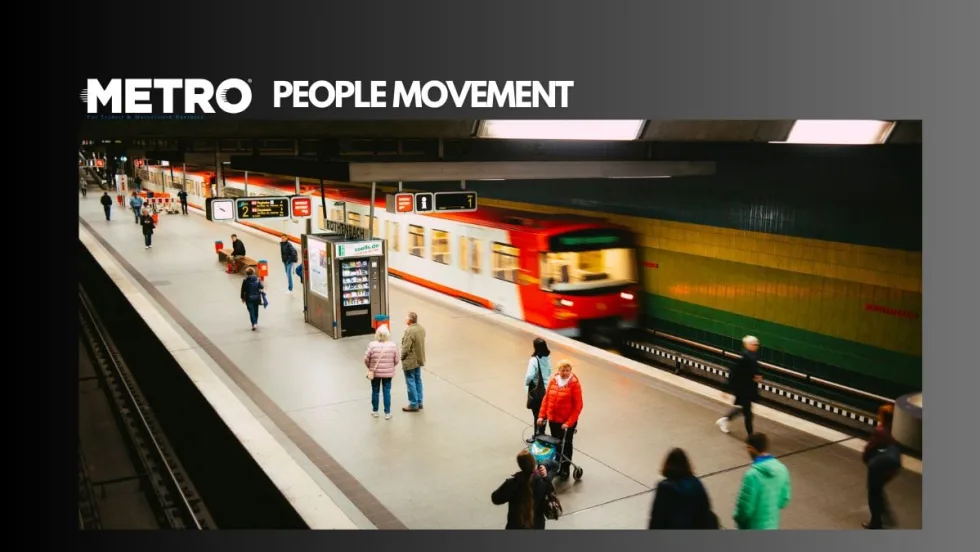
People Movement: Connectpoint Expands Leadership Team, Stadler Names New Group CEO, and More
In this edition, we also spotlight recent personnel moves at Burns, UZURV, and more, highlighting the people taking on new roles across the transportation industry.
Read More →
More Than a Summer Job: Building the Next Generation of Transit Talent
The Delaware River Port Authority and PATCO have transformed their internship program into a hands-on professional development experience that introduces students to the breadth of transportation careers — and creates a pipeline for future employees.
Read More →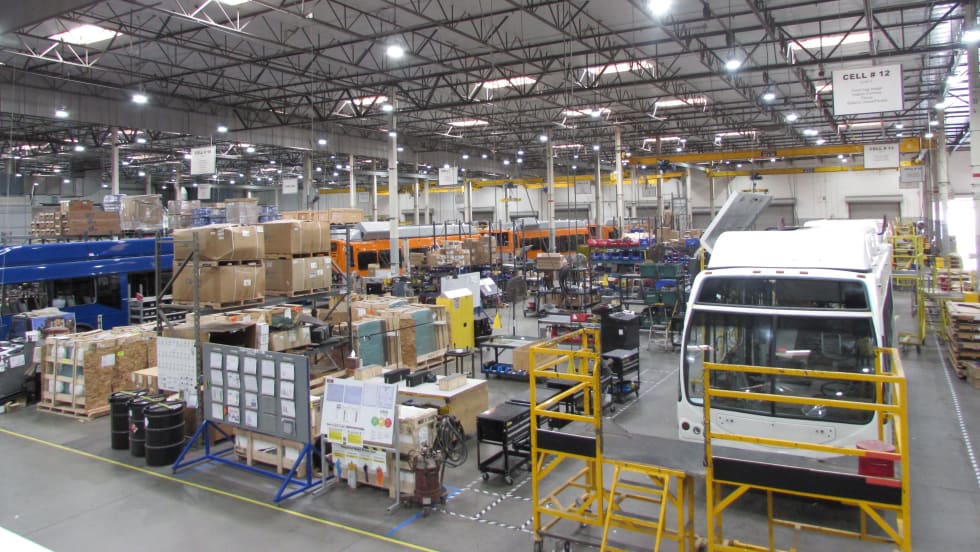
LA Metro Board Awards 220 Battery-Electric Bus Contract to ENC
The contract, which is the largest base award of battery-electric buses by a U.S. transit agency, will be built in Southern California, sustaining good jobs as LA prepares to welcome the world in 2028
Read More →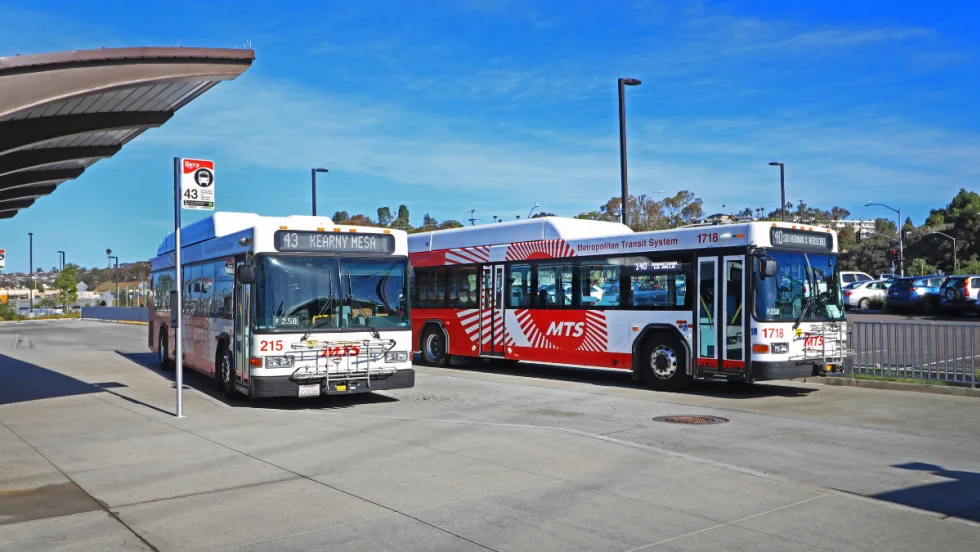
What’s Behind San Diego MTS’s Award-Winning Transit Strategy
Named one of APTA’s 2026 Outstanding Public Transportation Systems with 50 million or more annual passenger trips, California’s San Diego Metropolitan Transit System points to gains in ridership, safety, technology, and reliability as foundations of its success.
Read More →
Public Transit Conference Returning to GFX in 2027, Call for Papers Now Open
The Call for Papers is now open, allowing transit agency professionals and industry experts to help shape the PTC educational program by submitting session ideas for consideration.
Read More →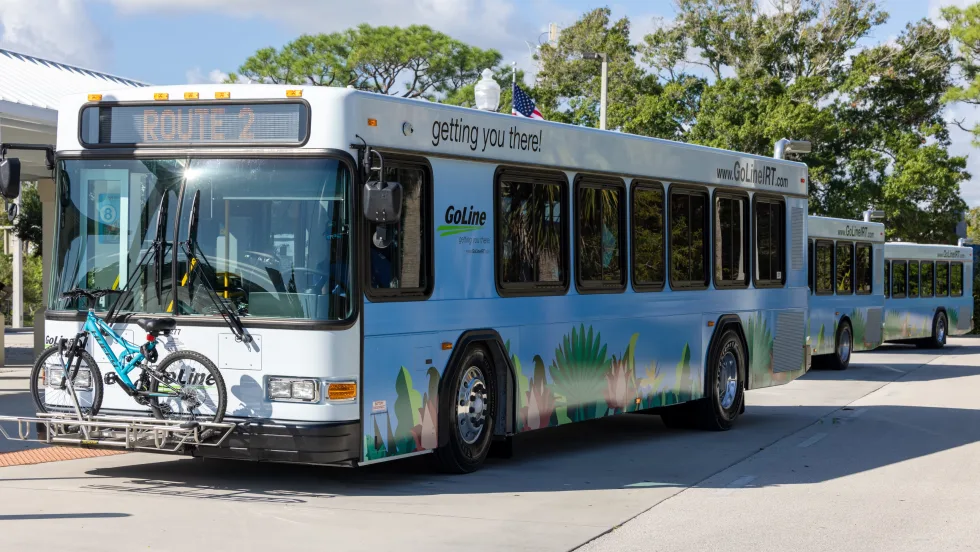
Indian River Transit’s Community-Focused Approach Earns National Recognition
Named APTA’s 2026 Outstanding Public Transportation System in its size category, Florida’s Indian River County transit system continues to grow ridership through fare-free service and a focus on evolving community needs.
Read More →
ENC Lands MATA Contract and More in Biz Briefs
In this edition of Biz Briefs, we spotlight the latest developments shaping the future of mobility.
Read More →From Surviving to Thriving: Building Stronger Transportation Organizations
Bus Business Consultants founder Brian Dickson shares lessons on leadership, organizational health, and creating options for long-term success in a changing transportation industry.
Read More →