



Transit Shelters: Not Just a Bus Stop Anymore
By way of developing technology, it is becoming clear that the bus shelter industry is changing. From the classic standbys to brave and bold new trends, transit shelter companies are offering products that run the gamut of both traditional design and technological breakthrough.
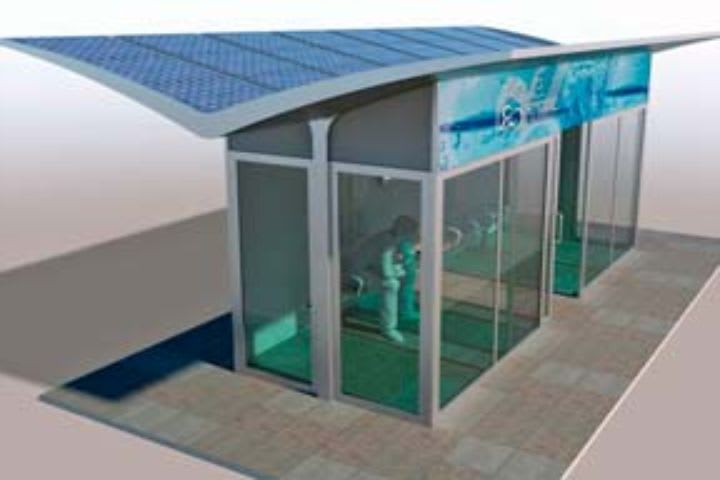
By way of developing technology, it is becoming clear that the bus shelter industry is changing. From the classic standbys to brave and bold new trends, transit shelter companies are offering products that run the gamut of both traditional design and technological breakthrough. Shelters are being equipped with real-time schedule updates, modern advertising techniques, art and commerce, as well as eco-friendly elements. With these new elements, it is no longer just a bus stop.
Powered by the sun
Now more than ever, technology is playing a greater and greater role in the transit shelter market. Perhaps the greatest leap forward is being taken by Edison, N.J.-based bus stop and shelter manufacturer, Trueform LLC. Its solar-powered, air conditioned shelter is the first of its type to be put out on the market today, according to company VP of Operations Saundra Lautenberg. “With solar-powered air conditioning, there are no electricity costs after you buy the shelter,” she says.
This cutting-edge unit is fully customizable and comes with an array of options, including heating or restroom facilities. Larger-sized units, with room for a newsstand, are also available. Despite the initial cost, Lautenberg explains that it’s more than worth the startup price. Some agencies have even gone so far as to integrate features that reduce the cost altogether. “We have customers who install ATMs, and by doing so, get revenue from the local banks, which in turn helps them to offset the cost of the shelter.”
In addition, the unit is pre-fabricated, arrives on a flatbed truck and can be installed in a matter of hours, without considerable construction, street permits or labor costs.
Detroit-based manufacturer Brasco International Inc. is another company implementing solar elements into its latest products. “Although a solar-powered unit itself may be more expensive initially, it doesn’t require any trenching to get regular power to it,” says Brasco Sales Manager Tim Ryan.
Going the solar-powered route is also a good choice for safety reasons. When you connect 110-volt or 240-volt power to a metal shelter, you always run the risk of something going wrong, such as electrocuting somebody, but using solar-powered shelters essentially eliminates that risk, adds Ryan.
Like Lautenberg, Ryan agrees that although day-one costs of a solar shelter can be high, the long-term savings more than a justifies the expense. In addition to requiring a qualified electrician to hook up a shelter, some projects may require trenching, which involves cutting into the concrete and digging down to put in a conduit. “You’re talking $2,000 to $5,000 just for the trenching, then somebody’s got to pay for the electricity on a monthly or yearly basis.”
In addition to solar power, Tolar Manufacturing Company Inc.’s VP of Sales & Marketing Patrick Merrick says the use of LED lighting is more economical from a long-term maintenance standpoint, with the latest improvement in LEDs providing a life expectancy of 50,000 to 100,000 hours.
Lautenberg agrees. “We don’t use fluorescents because they’re not cost-effective or eco-friendly.”
Push for green
While the use of new, long-term and cost-saving green technology is an exciting prospect, are industry customers asking for more eco-friendly elements to be incorporated into their designs despite the initial costs?
“When they can,” says Lautenberg, who adds that Trueform strives to “incorporate the best combination of lifecycle savings and value engineering cost savings to the client, while still giving them the unique design that they’re searching for.”
According to Merrick, the demand for green has never been greater. “Customers are absolutely looking for sustainable, or green, whichever buzz words you want to use at the time,” he says. “They want those options, not only because it’s the right thing to do, but also because it provides a long-term economical solution.”
Ryan says that the green movement is “full throttle.” He is also aware of the costs, though, and says that Brasco has a tempered approach. “Green is very important, but it has to go hand-in-hand with the economics,” he insists. “The transit authorities, municipalities and park authorities don’t have extra money. But, if they can justify the expenditure and couple that with going green, everybody wins.”
John Duthie, sales and marketing manager for Daytech, based in Toronto, Ontario says the call for eco-friendly designs hasn’t been as strong. “We have had that come up a little bit, but I can’t say it’s a big issue for us,” he says. “At the end of the day, I think the function of our shelters is the driving factor. People want places that are dry and wind-free at the right price point.”
Phoenix-based Lacor/Streetscape has found that customer requests for eco-friendly designs has been minimal. “There has been a slim increase in specific eco-friendly elements,” says Marketing Manager Janice Drake. “Requests for solar lighting and recycled plastic amenities are most common,” she says, adding that the shelters need to be, first and foremost, “durable and safe.”
President and Owner of Jamaica, N.Y.-based Columbia Equipment Arthur Cohen says it still doesn’t happen much, but that his customers are asking about eco-friendly elements much more these days. “Very rarely would anybody ask, ‘what’s the recycled content of your product?’ Now, I see it a lot more than I used to.”
When it comes to eco-friendly designs, Lautenberg says that there’s always tension between what the agency would like to do and their funding availability, but believes that customers like the idea of having cost-effective materials that are long lasting and, therefore, save on the everyday expenses of maintenance.
[PAGEBREAK]
Aesthetic elements
In addition to using alternative power sources and implementing eco-friendly elements, shelters are also sporting new designs. Lacor/Streetscape’s newest custom shelters for the Northern Arizona Intergovernmental Public Transportation Authority feature a laser-cut logo. Other design elements include four interchangeable glass panels for various wind/sun/shade configurations, due to northern Arizona’s difficult-to-predict climate. The benches and trash receptacles are made of 100 percent recycled plastic, says Drake.
Duthie says Daytech’s Avanti line offers a whole range of products based on a unified design. The new series’ modular design allows for easy assembly, which can accommodate small footprints, in the range of 4 by 8 feet, as well as larger bus terminals. “We can do that by just stretching out the modules,” he says. “As long as it can fit into a trailer, we can get it to the site and install it fairly quickly.”
Columbia has focused on enhancing the aesthetics of its latest products, says Cohen. “The most popular things that people are asking for now that they hadn’t in the past, are shelters that have a lot of ornamentation.”
The company has begun adding grill work over the windows, with custom color finishes. “Windows can include an arch element at the top,” Cohen says. “Shelters can also have crown moldings, an architectural detail that you would see in a house.”
Traditional route
Other design trends sought after by customers include integrating Old World design elements. “[Customers] are looking for more of a Euro design,” says Tolar’s Merrick. “They are moving away from the transit shelters of old — the boxes.” Duthie adds that Daytech’s Avanti line features European style elements, which have been a popular choice.
Columbia Equipment also looks to the past for its shelter style ideas. “The latest trend is traditional-styled shelters — meaning old-fashioned,” Cohen says. “Whether it’s Victorian, or, even as architects phrase it, post-modern.”
Transit agencies are looking for a more artfully designed shelter, along with greater integration into their surroundings. “They don’t want the old-style box, they want something that is unique that will depict something about the [bus] stop or the agency, so that their customers can identify what it is,” says Trueform’s Lautenberg.
Operations also want products that enhance the customer’s perception of their service. “Our philosophy is that the customer begins to judge the quality of your service by the first contact they have with your infrastructure,” she says. “Your bus shelter is the shop window through which the customer judges the quality of your services.”
Brasco’s Ryan says that the transit shelter is becoming a powerful tool to convey a city’s identity. “Municipalities and transit authorities are now looking more to branding,” he says. Veering away from the old-school brown shelter, more custom colors and more custom roof designs are being chosen. “They want something that says, ‘Hi, we’re Chicago.’”
Art, ad placement
The overall bus shelter experience is changing in everything from the technology that powers it to the design that decorates it. Shelter companies and industry customers alike are asking for new and imaginative ways to adorn, advertise and integrate the shelter into the surrounding landscape.
Lacor’s Drake points out that many transit systems and municipalities have begun to place public art either within the shelter, or have commissioned the shelter to be the artwork itself. She also points to new advertising methods. “Advertising in transit shelters and benches, as well, are increasing throughout the country’s transit systems as a means of garnering additional revenue.”
Bus stop and transit facility amenities have taken on unique ad placement going beyond the typical four-by-six-foot poster, and will continue to do so, particularly in the downtown urban core districts, she says.
Merrick notes a similar trend, saying that people do not want the standard look anymore, but instead want something different; something personalized to their agency.
“We’ve seen a little more interest in trying to have the shelters blend in with the streetscapes,” says Duthie, pointing to Daytech’s move toward greater customization.
More Bus

Pierce Transit Moves to Expand Fleet Following Proposition 1 Approval
The agency authorized the purchase or refurbishment of up to 60 buses to support a 47% service expansion, as voters nationwide approved billions in new transit funding.
Read More →
Transit Expands Agency Partnerships, Reaching 200 Official App Partners
COO Jake Sion discusses Transit’s growth, the success of its Transit Royale program, and how technology is helping agencies improve the rider experience.
Read More →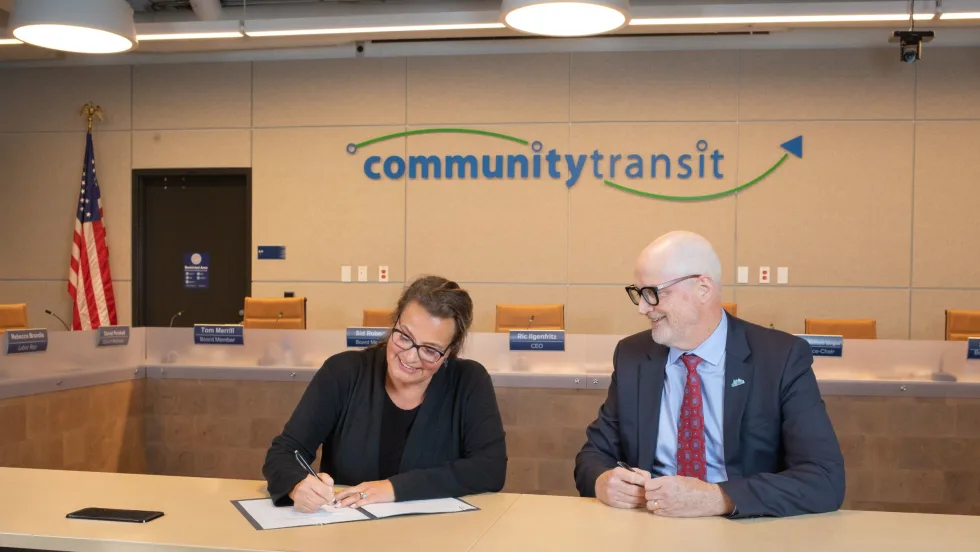
Everett Transit, Community Transit Approve Consolidation of Services
The agreement will bring Everett Transit into Community Transit’s network in April 2027, with plans to increase bus service by 50% by 2031 and expand regional connections.
Read More →
Brian Dickson on Building Stronger, More Resilient Transportation Organizations
Bus Business Consultants Founder Brian Dickson discusses the leadership principles, operational discipline, and strategic planning that separate transportation companies positioned for long-term success from those stuck in survival mode.
Read More →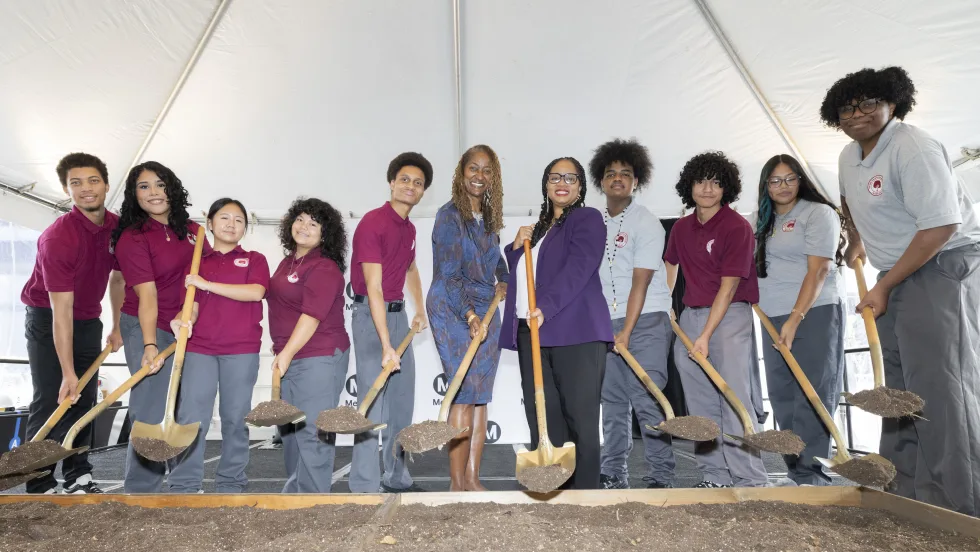
LA Metro Breaks Ground on Vermont BRT Project
The 12.4-mile corridor is projected to serve 66,200 daily riders, reduce travel times by up to 24%, and create the nation's busiest bus rapid transit corridor.
Read More →
Roman Cornell on ABC Companies’ Evolution and the Future of Passenger Transportation
The company’s CEO discusses carrying forward a third-generation family legacy, ABC’s continued evolution in passenger transportation, support for increasingly complex fleets, and how technology and continued investment could help operators improve uptime.
Read More →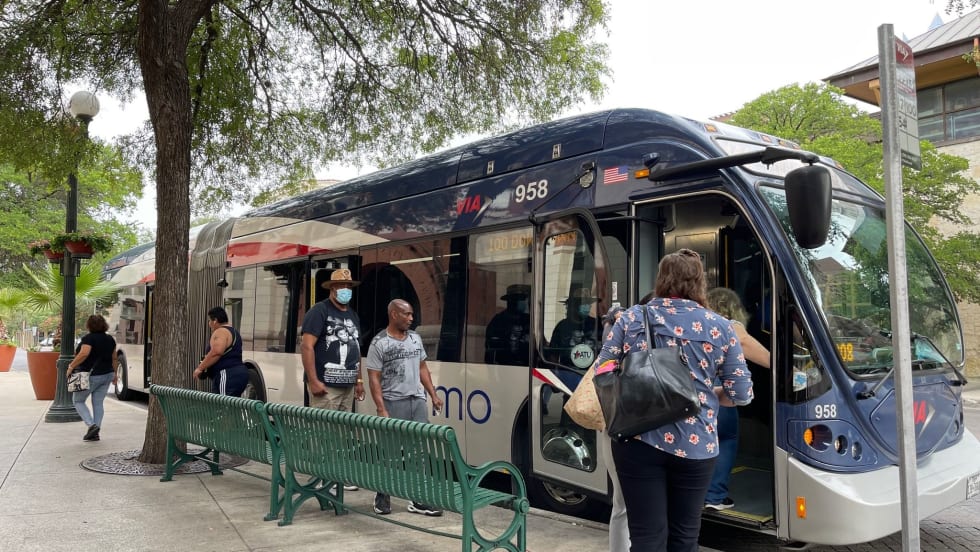
VIA Bus Ridership Grows 10.1% Through August 2026
San Antonio's VIA Metropolitan Transit reported the highest bus ridership growth among major Texas transit systems. Federal Transit Administration data ranked it second among the nation's 50 largest transit systems.
Read More →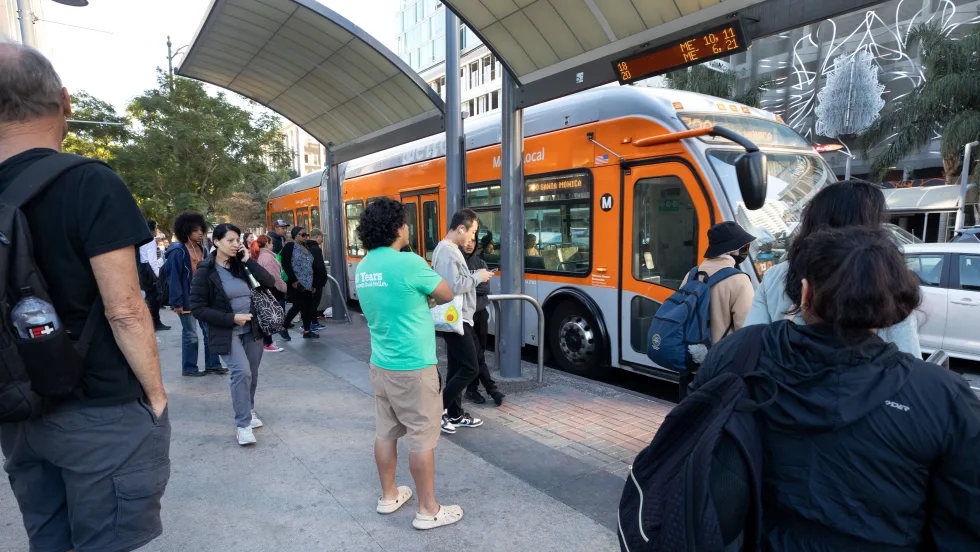
LA Metro September Ridership Climbs 3.9%, Led by Rail Growth
The agency recorded more than 27.2 million boardings, with rail ridership increasing 12.4% year over year and the D Line posting the largest gains.
Read More →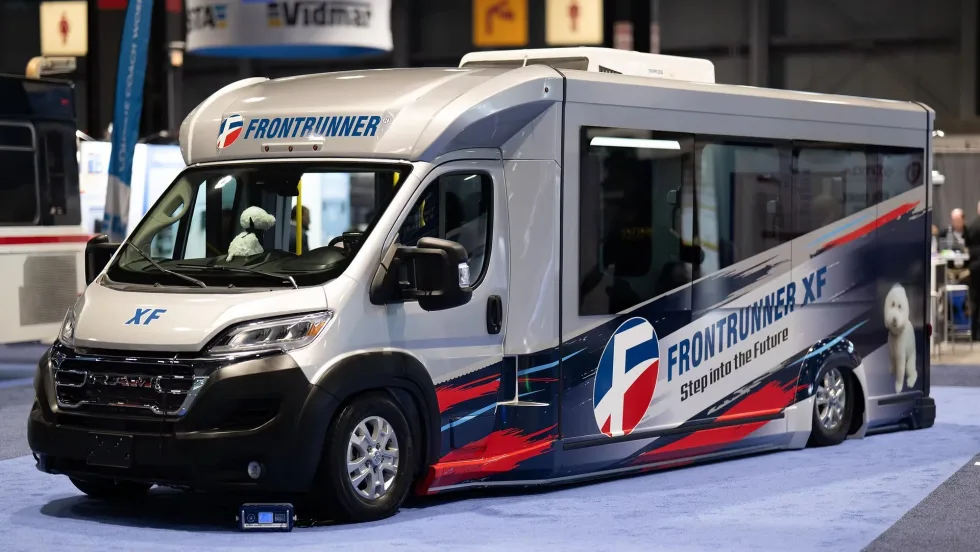
Frontrunner Bus Group Introduces XF Low-Floor Bus with Enhanced Accessibility
The new mid-sized bus features a full flat-floor design, eight-inch curbside step-in height, and zero-entry rear ramp to improve passenger access and operational flexibility.
Read More →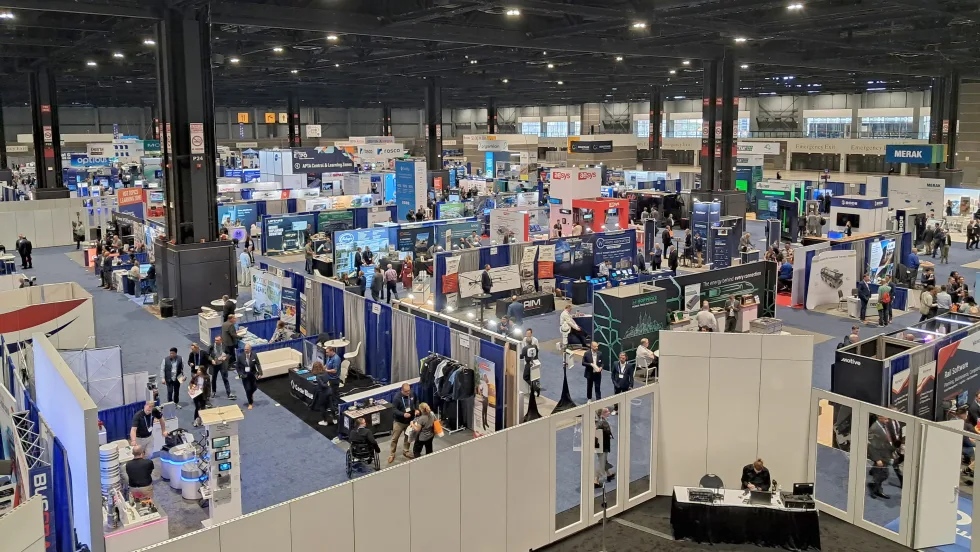
Scenes from APTA TRANSform & EXPO 2026
Transit leaders, manufacturers, and industry professionals gathered in Chicago to explore new technologies, share ideas, and discuss the future of public transportation.
Read More →